NCAI Release on Interior’s Carcieri Opinion

Here:

NCAI Encouraged By DOI Opinion On Carcieri;

Reaffirms Need For A Robust Fix That Ensures Tribal Equality

WASHINGTON, DC – The National Congress of American Indians (NCAI) appreciates the efforts of the Department of the Interior in issuing a new legal opinion and working to provide further guidance in defining the tribes “under federal jurisdiction” as of 1934 in the wake of the Supreme Court’s 2009 Carcieri v. Salazar decision regarding the Indian Reorganization Act. The opinion, however, highlights the need for Congress to make clear that all Indian tribes are under federal constitutional authority to regulate.

The Indian Reorganization Act was enacted in 1934 to restore Indian tribal governments and tribal lands after the failed federal policies of termination and assimilation. The Act ensured that the tribal way of life would continue and thrive. In its Carcieri decision, the Supreme Court determined that the Secretary of the Interior does not have authority to take land into trust for tribes that were not “under federal jurisdiction” prior to 1934. However, the Court did not define what it means for a tribe to have been “under federal jurisdiction” as of the enactment of the IRA.

According to the DOI opinion, M-37029, the term “under federal jurisdiction” is ambiguous and undefined, therefore the DOI has the authority to determine which tribes do and do not fall under the statute and will proceed to make decisions about trust agreements accordingly. In previous legal work, NCAI has taken the view that the Constitution devotes authority in Indian affairs to the federal government and that the only question is whether an Indian tribe exists, as in the Supreme Court’s decision in U.S. v. Sandoval in 1913.

Of the opinion, NCAI President Brian Cladoosby stated:


“NCAI is pleased the Department of the Interior has addressed one of the many problems created by the unclear and damaging language in the Carcieri decision. It is encouraging to see a federal agency work to strengthen the trust relationship – particularly the DOI, as one of their fundamental tasks is fulfilling the United States’ trust responsibility to tribal nations.


The opinion is encouraging, but Carcieri still stands. Tribes need a permanent, legislative solution and NCAI will continue to work towards a clean Carcieri fix. All tribes must be treated equally but as long as Carcieri is upheld, that is not possible and that is unacceptable.”


The Carcieri decision has affected all tribes – even those “under federal jurisdiction” as of 1934. Processing delays in trust land applications, additional bureaucratic red tape for potential economic investors, and confusion over legal jurisdiction are just a few of the consequences.

More importantly, the decision is a direct attack on tribal sovereignty. Indian trust land is the foundation of tribal economies and the only real federal protection of tribal authority from state and local governments.

NCAI is committed to the preservation of tribal sovereignty and ensuring a robust nation-to-nation between tribes and the federal government. We will continue to support and work with tribal leaders to advance these priorities.
Hoopa In-House Counsel Job Posting

Here:

Hoopa Assoc Tribal Atty

Hoopa Assoc Tribal Atty

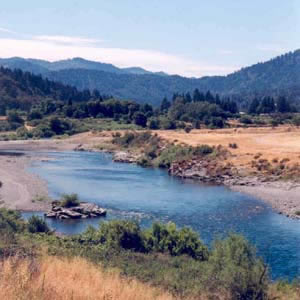
One of the most beautiful places on earth:

trinityview

Interior Opinion on Meaning of “Under Federal Jurisdiction”

Here:

DOI Carcieri M opinion – M 37029

Here is the link to Interior opinions.

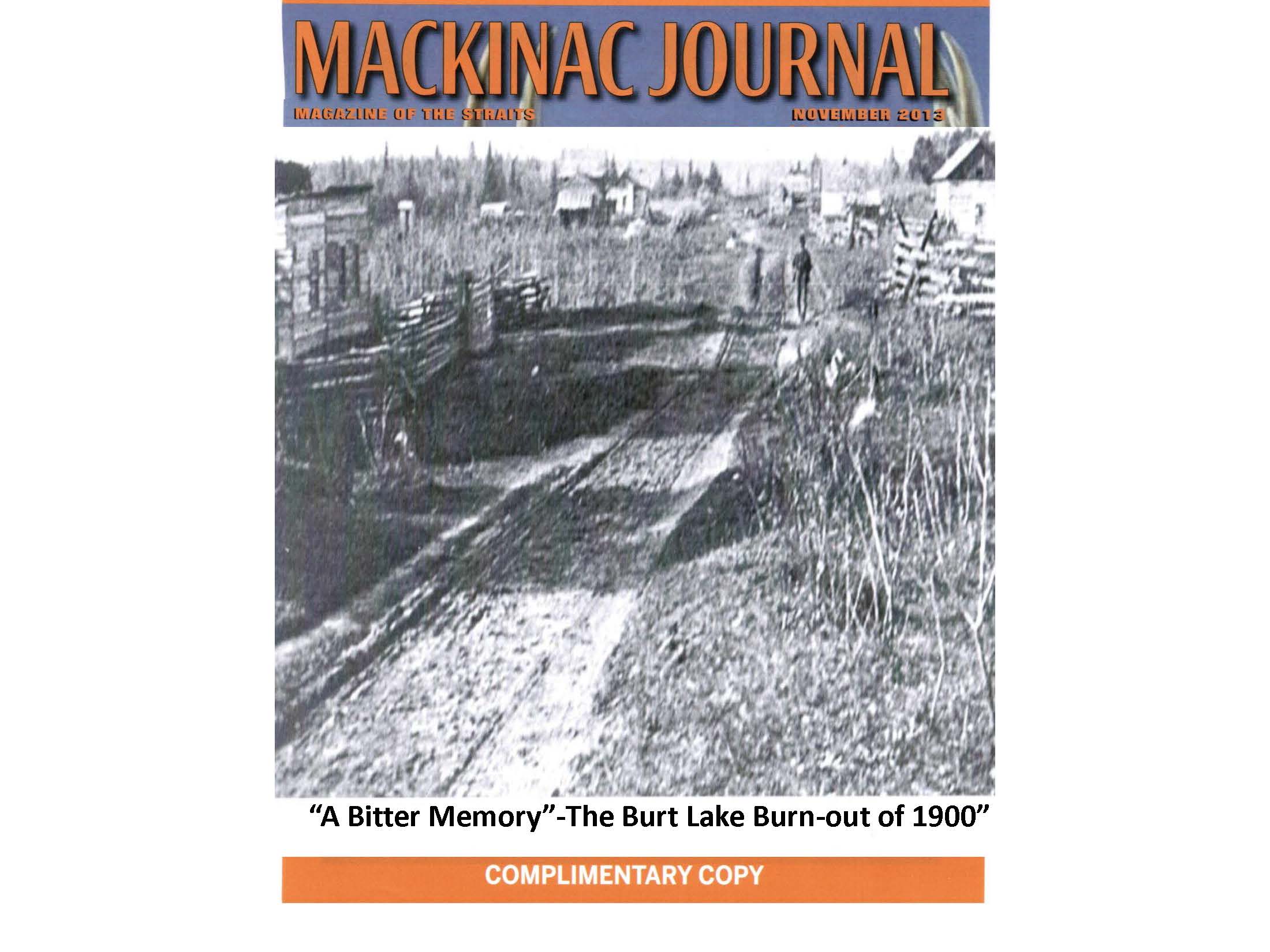
Mackinac Journal: “‘A Bitter Memory’ — The Burt Lake Burn-out of 1900”

An important read for anyone in northern Michigan:

A Bitter Memory’ — The Burt Lake Burn-out of 1900

Moreover, it is a fairly direct response to the recent Michigan Historical Review article (here) that essentially argues it was perfectly legal to resort to arson to enforce a foreclosure order. Imagine if that were really true — a bank or a sheriff could simply set alight a foreclosed home, with people inside, in order to enforce a foreclosure order. Obviously not.

Here is an imaged version of article as well, with pics:

Mack Burn article_Page_1 Continue reading →

Skokomish Claim against US over Cushman Dam Dismissed

Here are the materials in Skokomish Indian Tribe v. United States (Fed. Cl.):

5 Amended Complaint

13-1 Motion to Dismiss

27 Skokomish Response

29 Reply

37 Opinion Granting Mot Dismiss

What the Skokomish River once looked like:

Before Pic of Skokomish River

Minnesota Supreme Court Affirms Tribal Immunity in City of Duluth v. Fond du Lad Band — UPDATED with Briefs

Here is the opinion in City of Duluth vs. Fond du Lac Band of Lake Superior Chippewa Indians. Link to oral argument video here. Briefs are not available publicly, so if anyone has them, please send along.

Here are the briefs:

08 26 13 FDL Initial Brief – FINAL

09 30 13 City of Duluth Response Brief

10 14 13 FDL Reply

An excerpt:

When an Indian band enters into a contract with a city, waives its sovereign immunity, and consents to be sued only in federal district court, a state court may go no further than interpreting contractual provisions pertaining to jurisdiction to determine whether the court has jurisdiction over a dispute arising under the contract.

Our post with a link to the Minnesota Court of Appeals decision, now reversed, is here.

News Coverage of ILOC Chairman Troy Eid’s Speech at Tanana Chiefs Conference Convention

Here.

And here.

Related coverage of a state House committee hearing here.

North Fork Rancheria Challenge to California Gaming Referendum

Here is the cross-complaint filed by the tribe in Stand Up for California! v. State of California (Madera County Superior Court):

Verified Cross Complaint – North Fork Rancheria 140227

The underlying suit appears to have dismissed on March 3, but with leave to amend:

March 3 2014 Ruling

NPR Story on Distance between Wind River Reservation and Federal Courthouse

Here is the article “With Courts Far From Reservations, Justice Can Be Hard To Find, Too.”

Michigan State Law Review Symposium on Wenona Singel’s “Indian Tribes and Human Rights Accountability”

Michigan State Law Review has published several articles from its symposium on Wenona Singel’s paper “Indian Tribes and Human Rights Accountability.”

Tribal Rights, Human Rights

Kristen A. Carpenter & Angela R. Riley

2013 Mich. St. L. Rev. 293 | Download PDF

Nenabozho’s Smart Berries: Rethinking Tribal Sovereignty and Accountability

Heidi Kiiwetinepinesiik Stark

2013 Mich. St. L. Rev. 339 | Download PDF

Jurisdiction and Human Rights Accountability in Indian Country

Kirsten Matoy Carlson

2013 Mich. St. L. Rev. 355 | Download PDF

First “Review” of Scholarly Promise and Achievement

Frank Pommersheim

2013 Mich. St. L. Rev. 291 | Download PDF

Tribal Sovereignty and Human Rights

Joseph William Singer

2013 Mich. St. L. Rev. 307 | Download PDF

A Most Grievous Display of Behavior: Self-Decimation in Indian Country

David E. Wilkins

2013 Mich. St. L. Rev. 325 | Download PDF

Healing to Wellness Courts: Therapeutic Justice

Joseph Thomas Flies-Away & Carrie E. Garrow

2013 Mich. St. L. Rev. 403 | Download PDF