Here is the response to the petition:
Response to Petition for Writ of Mandamus
The petition is here.
Here is the response to the petition:
Response to Petition for Writ of Mandamus
The petition is here.
Here:
Tuesday, April 9, 2013 – The Battle for Baby Veronica (listen)
The United States Supreme Court will hear arguments in the case Adoptive Couple v. Baby Girl next week. The case could have long term effects on future adoptions of Native children. The child, a member of the Cherokee Nation, was given up for adoption by her non-Native mother without the consent of the father. At the heart of the Supreme Court case is the Indian Child Welfare Act (ICWA), which regulates adoptions of Native children outside of their tribe. We’re taking a closer look at this case and what it means for Native America. How might the outcome of the case impact families or tribes? What’s the role of tribes in the adoption process? Guests include Chrissi Nimmo (Cherokee) Assistant Attorney General for the Cherokee Nation.
An excerpt:
Each of the 12 federally recognized tribes of Michigan have their own tribal court and social service departments that assist women and families who are in violent situations. Michigan State University Extension continues to work with Michigan tribal nations to address the needs of communities in the area of government and public policy.
For more information, please contact Emily Proctor, MSU Extension educator on tribal nations, with questions or comments at 231-439-8927 or proctor8@anr.msu.edu.
This article was published by Michigan State University Extension. For more information, visit http://www.msue.msu.edu. To contact an expert in your area, visit http://expert.msue.msu.edu, or call 888-MSUE4MI (888-678-3464).
Here are the updated materials in State of Alabama v. PCI Gaming Authority (M.D. Ala.):
PBCI Notice of Removal + Exhibits
Prior post here.
News coverage here.
Here is yesterday’s unpublished order in United States v. PMB.
The Zepeda post is here.
Here.
Recognizing the Importance of Indian Law on State Bar Examinations
In many areas of federal Indian law, practitioners must understand substantive principles coupled with the unique relationship between tribal nations and the United States at the federal and state level of government.
Full Story
The Indian Gaming Regulatory Act at 25: Successes,Shortcomings, and Dilemmas
This article explains the political context at the time the IGRA was enacted, the pros and the cons of IGRA from a tribal perspective, the major unresolved legal issues IGRA has generated, and the potential collateral damages IGRA has created for tribal sovereignty.
Focus On: Understanding Federal Rule of Civil Procedure 19 and Its Application in the Sovereign Immunity Cases
The familiar concept that federally recognized Indian tribes are protected by sovereign immunity leads to interesting and confusing results in cases interpreting Rule 19 of the Federal Rules of Civil Procedure—Required Joinder of Parties.
Apocalypse Now: The Unrelenting Assault on Morton v. Mancari
It has become axiomatic within federal Indian law circles that if possible, tribal cases should not be taken to the U.S. Supreme Court. Of the Court’s last 30 tribally related decisions, tribal interests have only prevailed six times. Many of the losses were by wide margins and overturned significant and long standing principles of federal Indian law.
Freeing Indian Energy Development from the Grips of Cotton: Advancing Energy Independence for Tribal Nations
A substantial amount of untapped energy resources are located within Indian country in the United States. Energy production from tribal lands equals 10 percent of the total federal onshore production of energy minerals. Indian-owned energy resources are still largely undeveloped: 1.81 million acres are being explored or in production, but about 15 million more acres of energy resources are undeveloped.
Here.
Here is the opinion in State v. Brown. 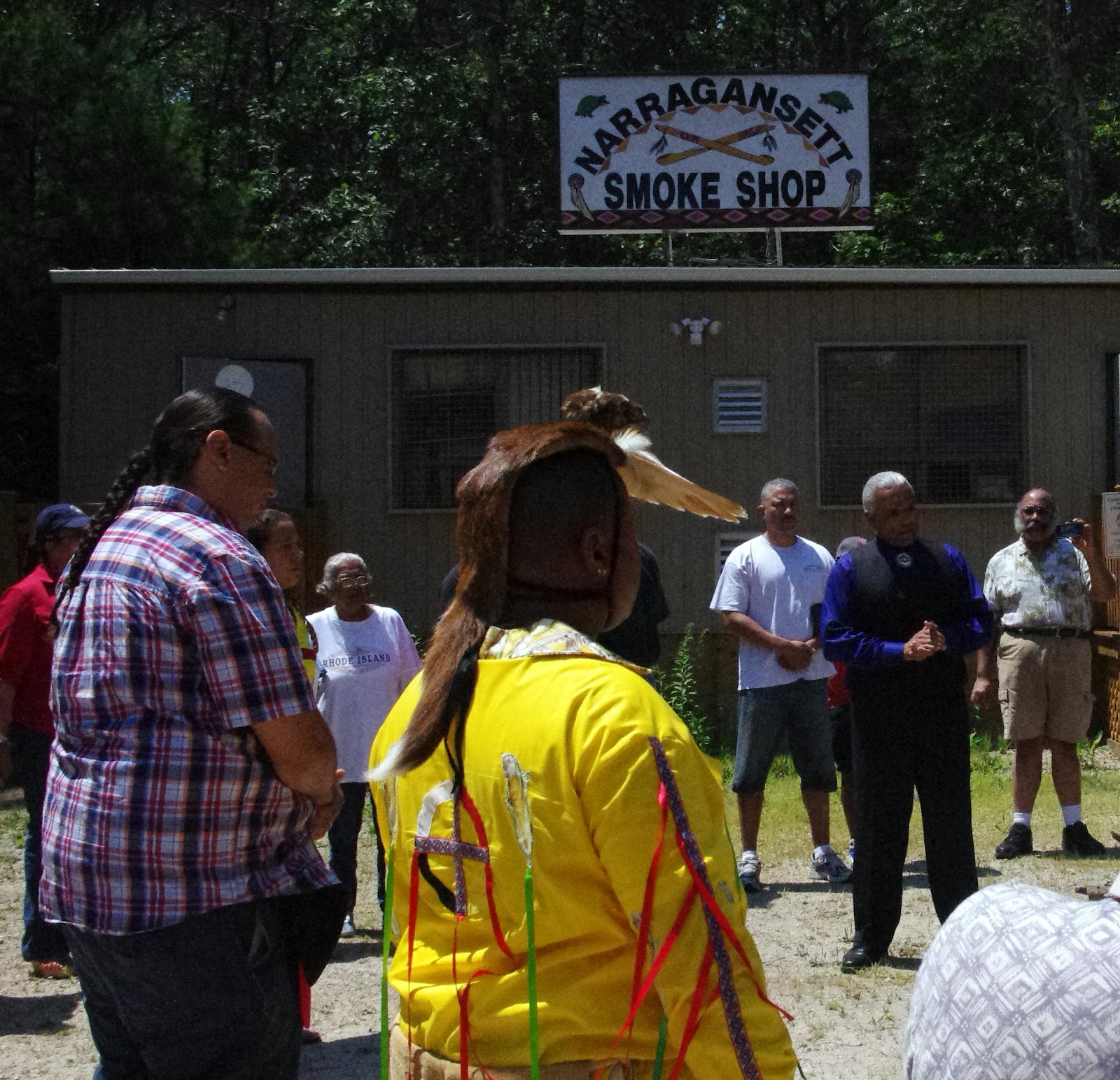


You must be logged in to post a comment.