Robert Williams has published “Kicking Native People Off Their Land Is a Horrible Way to Save the Planet” in the New York Times.
PDF here:

Robert Williams has published “Kicking Native People Off Their Land Is a Horrible Way to Save the Planet” in the New York Times.
PDF here:


Fawn Sharp to speak on “Recentering Equity in the Climate Transition” at ClimatCAP!
Date: Friday, February 9, 2024 at 5:30pm – 6:30pm EST
Zoom link: https://umich.zoom.us/j/91256547607?pwd=YnQxb0lPZDZSK0xhVHJma21XZE1UQT09#success
Location: University of Michigan – Ross School of Business
ClimateCAP: The Global MBA Summit on Climate, Capital, & Business brings together MBA students, business leaders, and experts from around the world to assess the implications of climate change for business and investment. At the Summit, students gain a deeper understanding of how climate change is shaping industries and markets, where the biggest financial and operational risks lie, and what promising innovation and entrepreneurship opportunities are emerging.
Conference website: https://www.climatecap.org/mba-summit
Fawn Sharp:
Vice President, Quinault Indian Nation
In 2021, Sharp became the first tribal leader to receive diplomatic recognition from the U.S. when she represented all 574 tribes at the United Nations COP26 Summit in Glasgow and is now the Indigenous Co-Chair for the World Economic Forum, collectively raising the global Indigenous voice at Davos. Sharp served as the 23rd President of the National Congress of American Indians (2019-2023) and was the third woman ever to hold the position of NCAI President. Sharp is the current Vice President of the Quinault Indian Nation in Taholah, Washington, after being a five term past-President.
Here is the complaint in Shoalwater Bay Indian Tribe v. Exxon Corp. (Wash. Super. Ct.):

Featuring amazing scholars — Neoshia Roemer, Heather Tanana, Lauren Van Schilfgaarde, and Dean Elizabeth Kronk Warner.
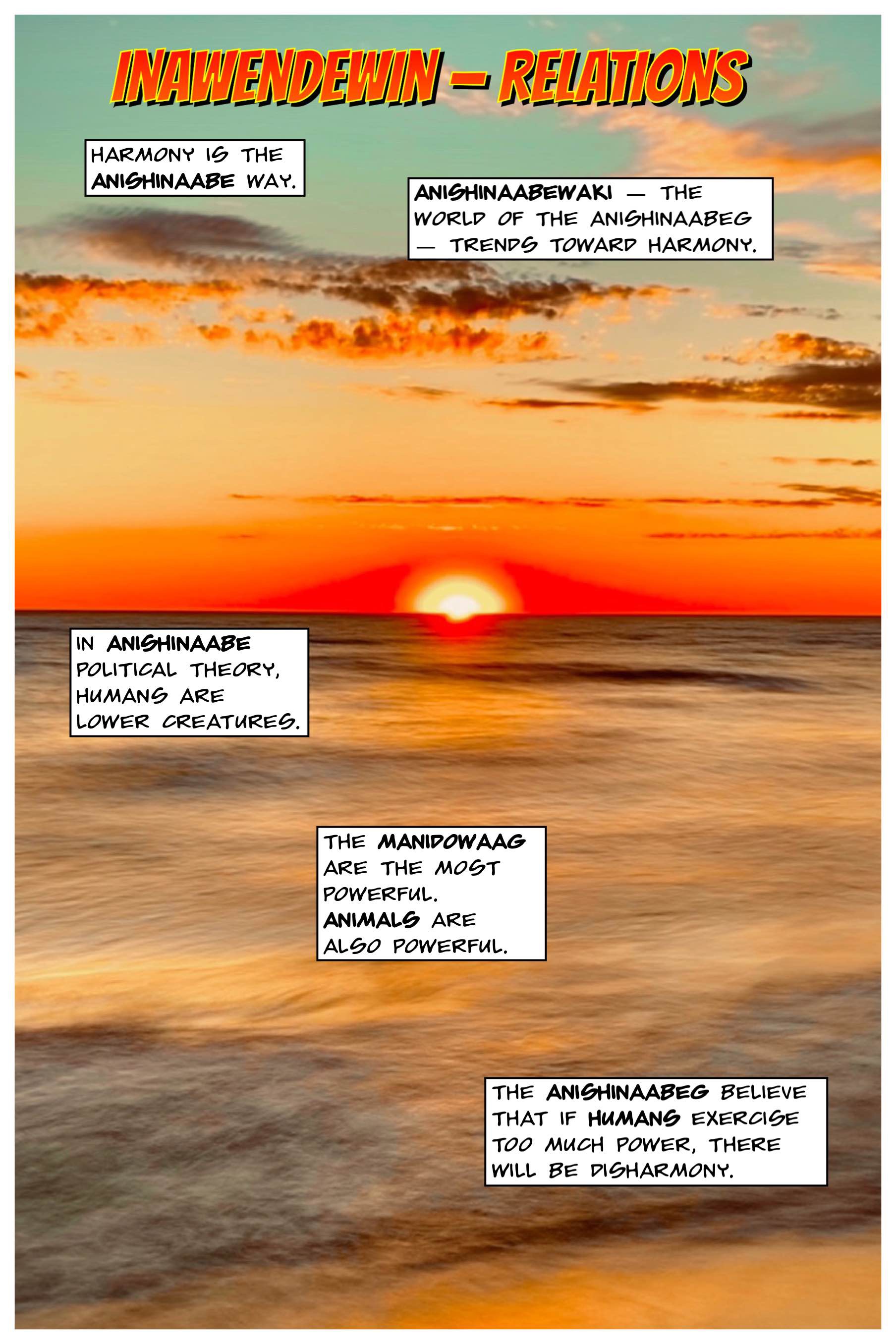
Kekek Jason Stark has published “Bezhigwan Ji-Izhi-Ganawaabandiyang: The Rights of Nature and its Jurisdictional Application for Anishinaabe Territories” in the Montana Law Review.
An excerpt:
This article examines the tribal law acknowledging the Rights of Na- ture as a deeply embedded traditional Anishinaabe law principle. This traditional law principle acknowledging the rights of nature is crucial for sustaining the Anishinaabe Nations’ relationship with their territorial lands and natural resources. What does it mean to recognize the rights of ma- noomin (wild rice) to “exist, flourish, regenerate, and evolve” or to be pro- tected in its traditional forms, natural diversity, and original integrity? This article then delineates the various ways that the White Earth Band of Ojibwe has codified their relationship with their territorial lands and natural resources into tribal law. While the rights of manoomin and similar laws have been widely touted in the press as important victories for tribal sover- eignty, this article more deeply evaluates the practical effects and applica- tions of this tribal law to determine whether this law can serve as a frame- work for other Tribal Nations or is merely a symbolic gesture. Moving beyond symbolic gestures is essential for tribes to implement legal regimes more protective than those provided by states that may otherwise permit development activities by non-Indian parties within treaty territories.
HIGHLY, HIGHLY recommended.

Here is “Indigenous Interpretations: Invoking the Third Indian Canon to Combat Climate Change,” chapter 2 of Developments in the Law: Climate Change. Chapter 2 begins on page 1568 (page 47 of the pdf).

Here is the order in Minnesota Dept. of Natural Resources v. Manoomin dated March 10, 2022:
Prior post here.
Here.
Kyle Whyte has posted “Time and Kinship” on SSRN. Here is the abstract:
Climate change is often discussed in terms of linear units of time. This essay covers the meaning of linear time and its implications for how climate change is narrated. There are concerns about how narrating climate change in this way can eclipse issues of justice in the energy transition. There are of course different ways of telling time. This essay provides a narration of climate change inspired by particular Indigenous scholars and writers. These conceptions of time narrate time through kinship, not linearity. One implication is that issues of justice are inseparable from the experience of climate change.
You must be logged in to post a comment.