This Essay argues that NAGPRA provides a model for reassessing how to measure sacred site protection against competing values. Part I briefly maps the scope and history of Indigenous dispossession of sacred sites that has resulted in the unique challenges Indigenous people face in gaining access to and protection of these sites. Part II illustrates the values that most frequently compete with (and defeat) sacred site access and protection claims. Finally, Part III argues that NAGPRA offers a case study for reordering these values to recognize and prioritize the human rights and religious interests of Indigenous peoples in their sacred sites.
Federal courts have routinely held—under the Free Exercise Clause and Religious Freedom Restoration Act (RFRA)—that government actors operating on government-owned land may desecrate, destroy, modify, or restrict access to landmarks that are sacred to Native American tribes, even if doing so would “virtually destroy” the tribes’ ability to practice their religion. Beginning with Lyng v. Northwest Indian Cemetery Protective Association in 1988, courts have justified these results on the grounds that tribal litigants are asserting a positive right that would permit them to “exact something” from the government. The Free Exercise Clause and RFRA, however, only protect “substantial burdens” on religious practice, or rather, violations of negative rights (i.e., rights to be free from coercion). In its recent decision in Apache Stronghold, the Ninth Circuit’s 6-5 per curiam decision ostensibly expanded the scope of “substantial burdens” to include “preventing access to religious exercise.” A different 6-5 majority opinion in this case, however, retreated to Lyng’s analysis and denied the Western Apaches’ claims. The Supreme Court has declined to hear the case, over a vociferous dissent from Justice Gorsuch calling the decision to not review the Ninth Circuit’s “questionable reasoning” a “grievous mistake” with “consequences that threaten to reverberate for generations.” Indeed, the Ninth Circuit’s confused reasoning writes the Western Apache and other minority religions, especially those using public land, out of RFRA and the Free Exercise Clause. If federal courts do not revisit this analysis, land-based tribes are powerless to prevent the extinction of their religious and communal traditions.
This Article argues that the conceptual distinctions on which courts rely in sacred land cases—along with the policy arguments that support them—are simplistic and ahistorical. Holding onto the positive-negative rights distinction in these cases results in the mischaracterization of the harms that tribes have suffered and the attendant rights they seek to protect. In place of this binary distinction, this Article employs resources from social and political philosophy to argue for a more nuanced and historical context-sensitive inquiry, pursuant to which courts ask whether a religious litigant has access to a non-hostile religious atmosphere. After Part I presents a brief history of sacred land cases, Part II both makes a philosophical case for the right to a non-hostile atmosphere and argues this is what the Court intended in Wisconsin v. Yoder. Part III then presents additional resources from First Amendment doctrine and related areas of law, each of which suggest that this principle is already implicit in our doctrinal history.
Here are the briefs in several consolidated cases [Brown Lopez v. United States, 25-5197; Arizona Mining Reform Coalition v. Rollins, 25-5185; San Carlos Apache Tribe v. United States Forest Service, 25-5189]:
Tribal collaborative management of the Bears Ears National Monument is not new, but in its most recent iteration, it has only been recently recognized as a viable management framework. This article explores the meaning of that re-recognition to the five Tribal Nations of the Bears Ears Inter-Tribal Coalition, an organization that was formed to re-establish those ancestral connections and support the ongoing collaborative management of the Monument by the Bears Ears Commission and the two federal agencies charged with the legal mandate to protect this cultural landscape: the Bureau of Land Management and the U.S. Forest Service.
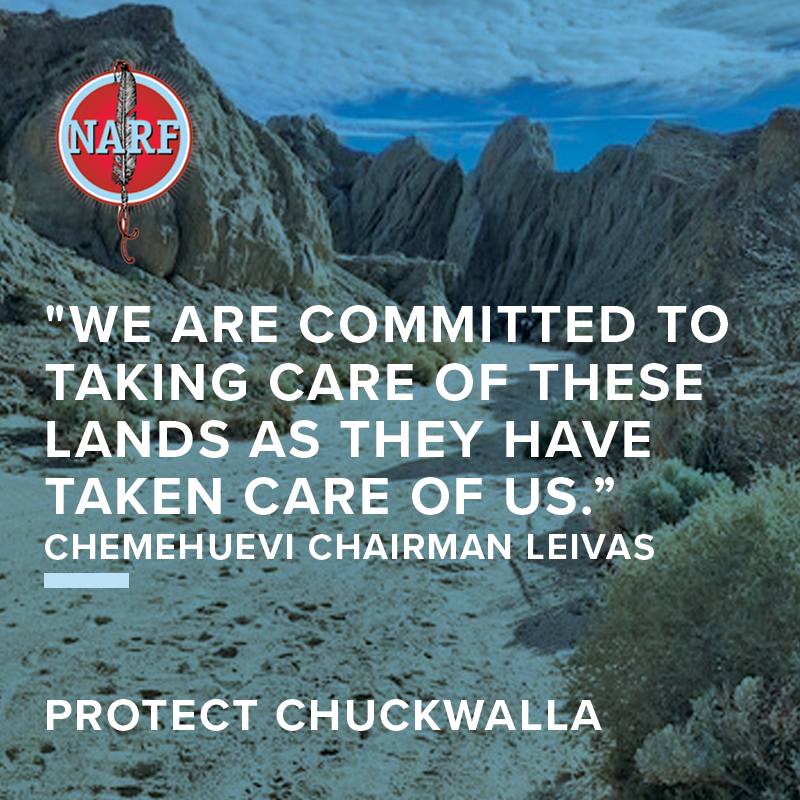
On August 11, 2025, the Torres Martinez Desert Cahuilla Indians, Fort Yuma Quechan Indian Tribe, Chemeheuvi Indian Tribe, Colorado River Indian Tribes, and Morongo Band of Mission Indians, moved to intervene in Torongo v. Burgum, a case that threatens the long-sought designation of the Chuckwalla National Monument. Tribal Nations led the effort to establish Chuckwalla National Monument. The challenge to the monument is brought in federal court by a Michigan resident who purportedly has mining claims within the monument boundaries and a national off-road vehicle special interest group.





 Turtle Talk
You must be logged in to post a comment.