Here are the materials in Lummi Tribe v. Whidbey Telephone Co. (W.D. Wash.):
Prior post here.

On July 13, 2026, President Trump issued proclamations revoking the Bears Ears National Monument and Grand Staircase-Escalante National Monument.
This comes just weeks after the Tenth Circuit reversed the District of Utah’s dismissal of the lawsuits seeking to dismantle the Bears Ears and Grand Staircase-Escalante National Monuments. The Tenth Circuit’s decision remanded the matter back to the District Court for further proceedings. Here is the briefing from the Tenth Circuit.
Tenth Circuit Decision:
Plaintiff’s Opening Briefs:
Opening Brief of Individual Plaintiffs
Opening Brief of Plaintiffs-Appellants Garfield County, Utah, et al.
Response Briefs:
Federal Defendants’ Consolidated Answering Brief
Response Brief of Suwa Intervenors-Appellees
Hopi Tribe, Navajo Nation, Pueblo of Zuni, And Ute Mountain Ute Tribe Response Brief
Plaintiffs’ Reply Briefs:
Reply Brief of Individual Plaintiffs
Reply Brief of Plaintiffs-Appellants Garfield County, Utah, et al.
Elaina Erola has published “Wild and Untamed: The Problem of Wild Horses on Federal and Indian Lands” in the Journal of Environmental Law and Litigation.
Here is the abstract:
The management of wild horses in the American West has long been framed as a question of animal welfare, environmental stewardship, and federal land management. Missing from this discourse, however, is the disproportionate burden that unmanaged wild horse populations impose on Tribal Nations. This Article argues that the United States has failed to fulfill its trust responsibilities to federally recognized Tribes by inadequately addressing wild horse overpopulation on Indian lands, resulting in significant ecological degradation, resource depletion, and economic harm.
Drawing on historical accounts, federal statutes, agency practices, and case studies from the Navajo Nation, Blackfeet Nation, Wind River Reservation, Yakama Nation, Ute Indian Tribe, and others, this Article examines how federal wild horse policies have produced consequences that extend beyond Bureau of Land Management jurisdiction. While federal agencies devote substantial resources to managing wild horses on public lands, Tribal governments are often left to confront similar or greater population pressures with limited funding, uncertain jurisdictional authority, and inadequate federal support.
The Article situates these challenges within the broader framework of the federal trust responsibility, arguing that Indian lands, water resources, forage, wildlife habitat, and culturally significant plant species constitute trust assets deserving protection. Relying on trust doctrine jurisprudence, including United States v. Mitchell (“Mitchell II”), the Article contends that the federal government’s failure to address unmanaged horse populations on Tribal lands may constitute a breach of its fiduciary obligations. Finally, it explores potential legal and policy solutions, including expanded funding through self-determination contracts, enhanced consultation and co-management mechanisms, and greater recognition of Tribal authority to determine the legal status and management of wild horses within their territories.
By reframing wild horse overpopulation as both a tribal sovereignty issue and a trust responsibility issue, this Article highlights an overlooked dimension of federal Indian law and environmental governance and calls for a more equitable allocation of resources and decision-making authority to Tribal Nations.
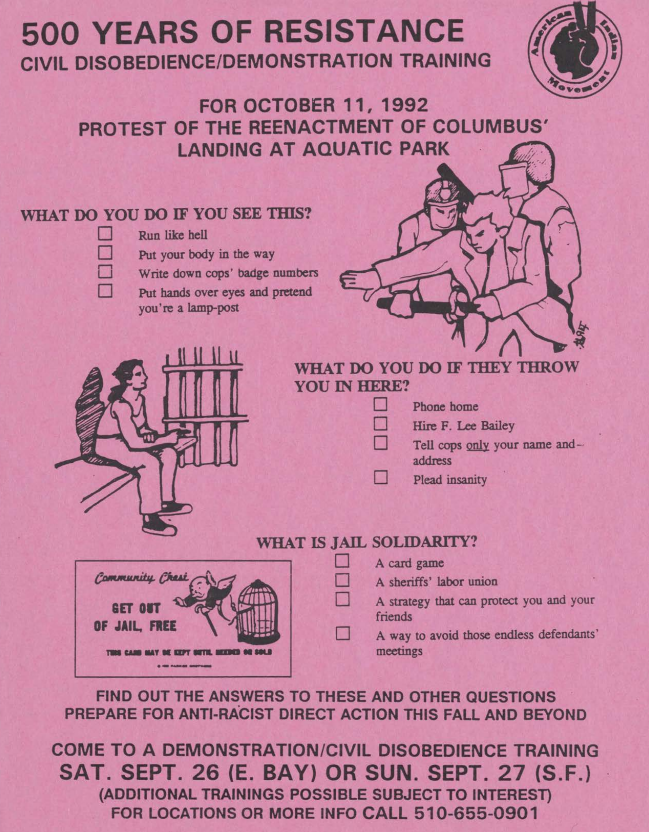
Here is the complaint in Utu Utu Gwaitu Paiute Tribe of the Benton Paiute Reservation v. Dept. of the Interior (E.D. Cal.):
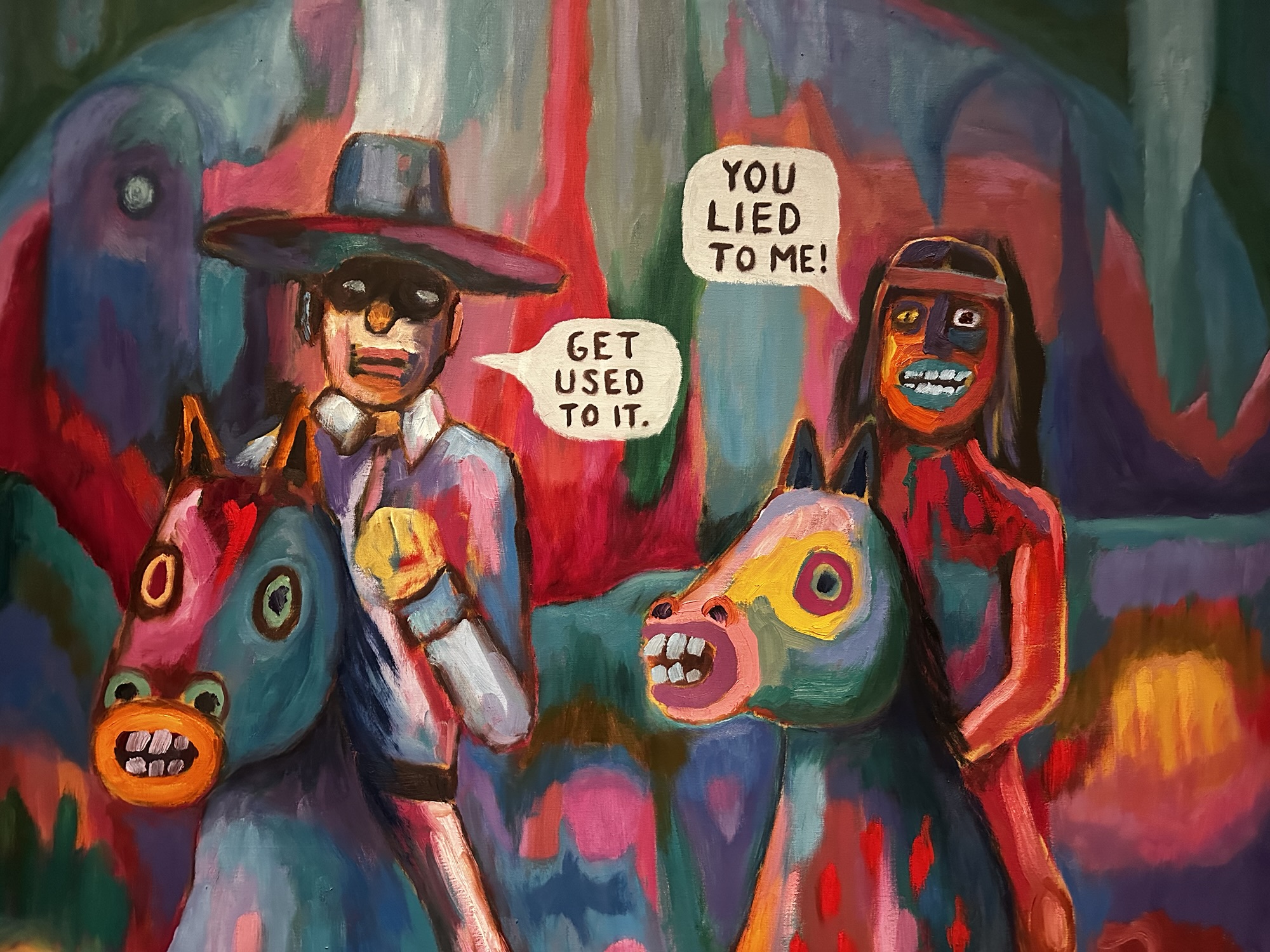
Here is the order in Pechanga Band of Indians v. City of Corona (Cal. Super. Ct.):
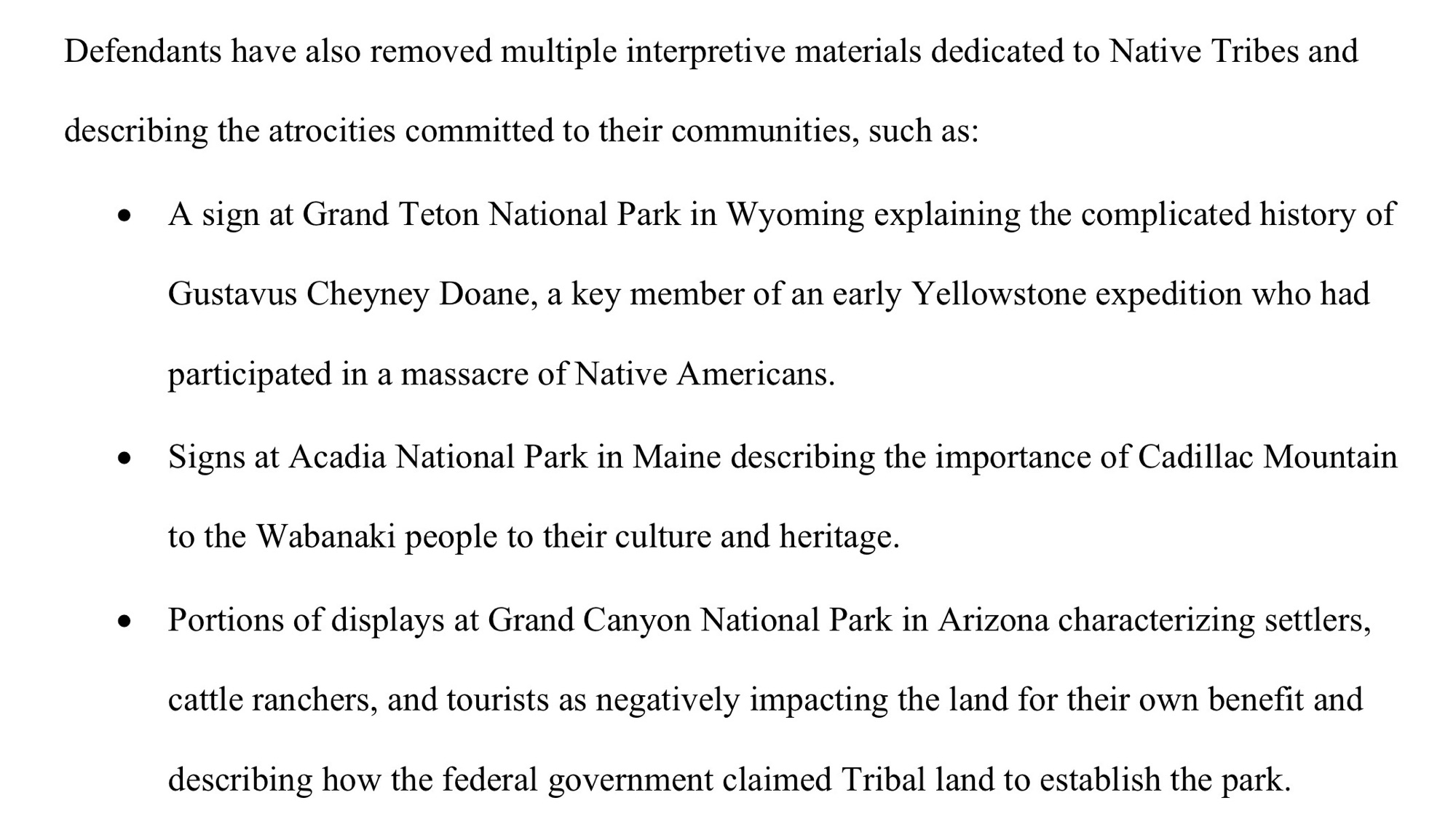
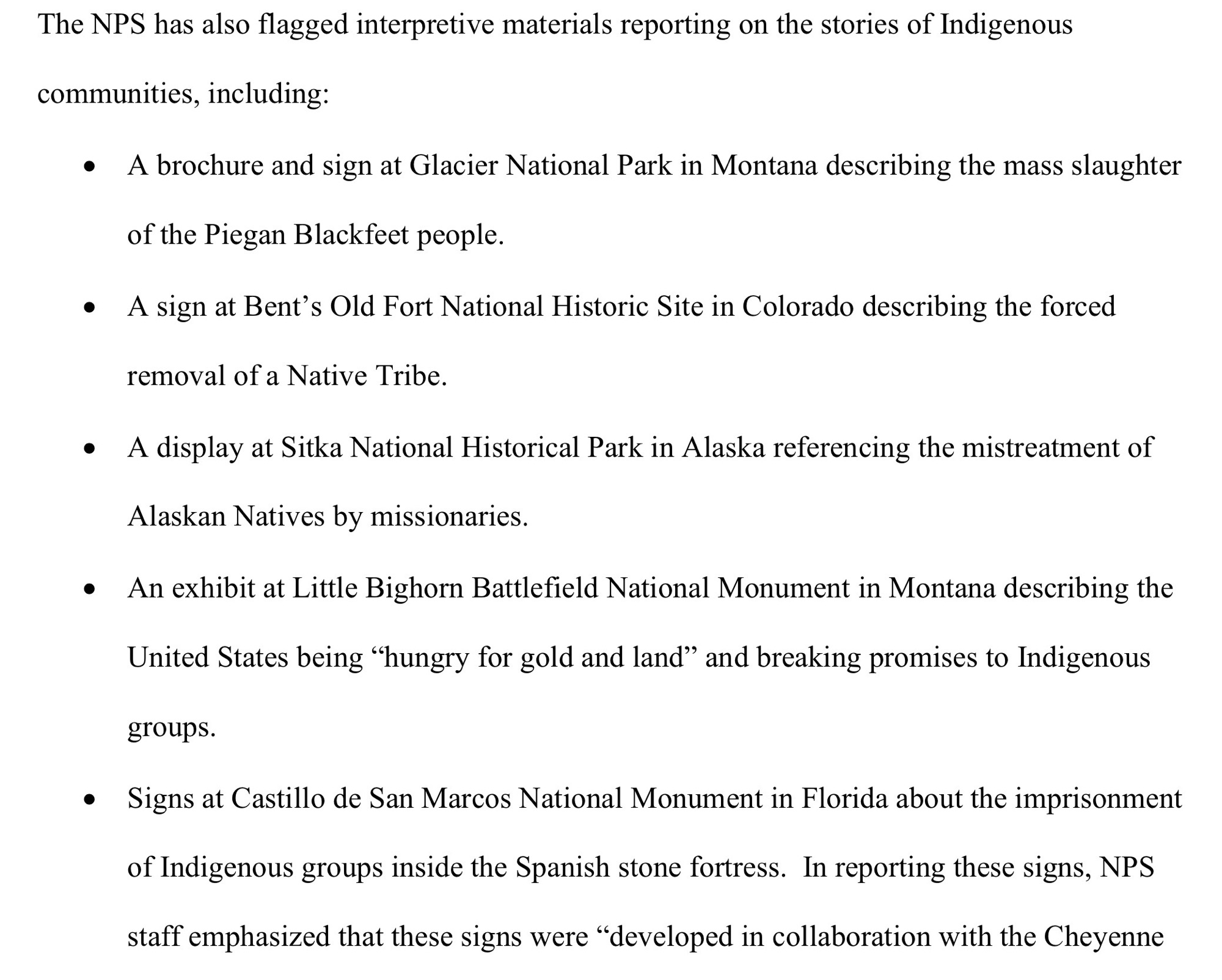
Here is the order is National Parks Conservation Association v. Dept. of the Interior (D. Mass.):
Excerpts:
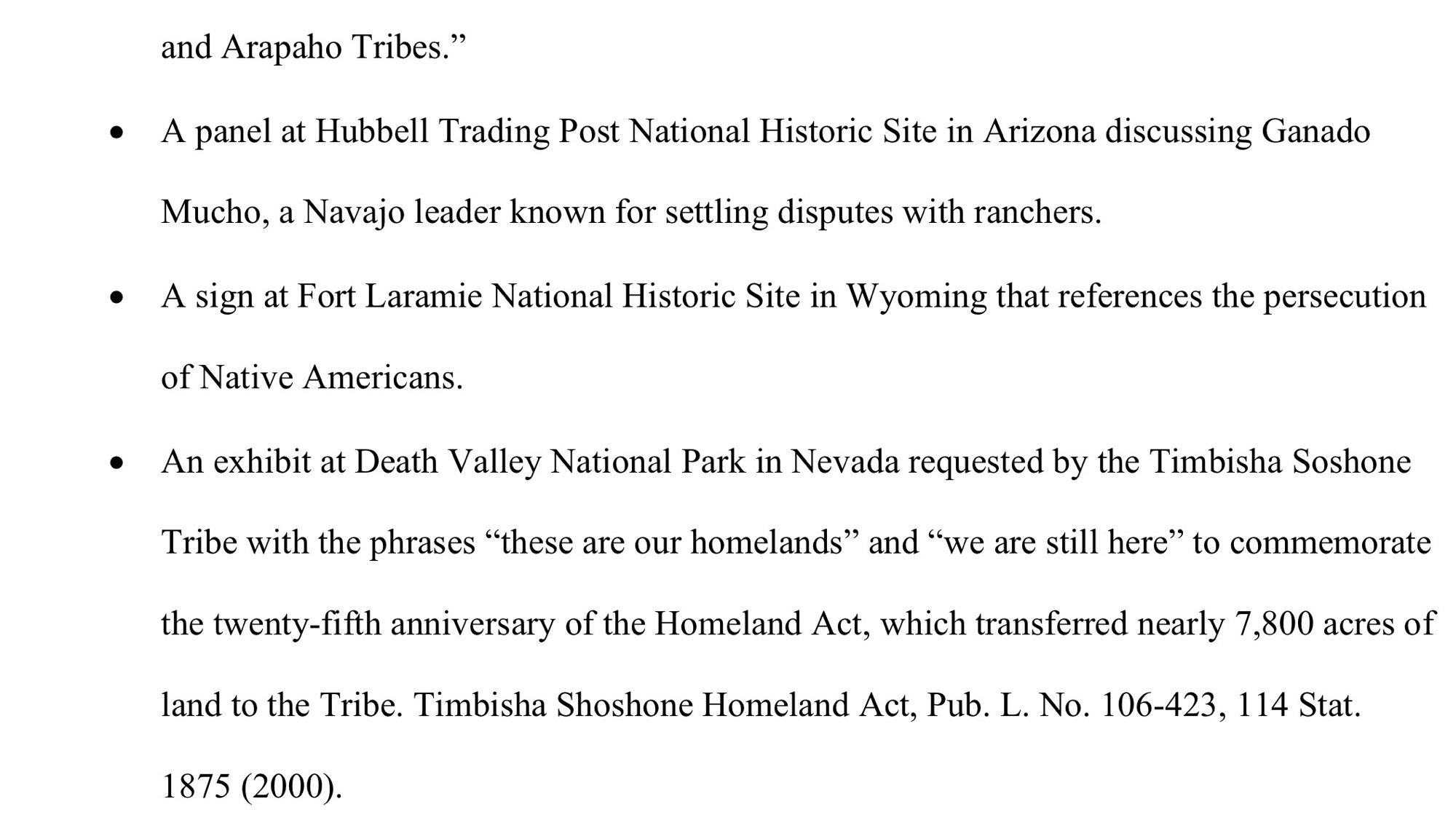
Here is the complaint in Yurok Tribe v. City of Trinidad (Cal. Super. Ct.):
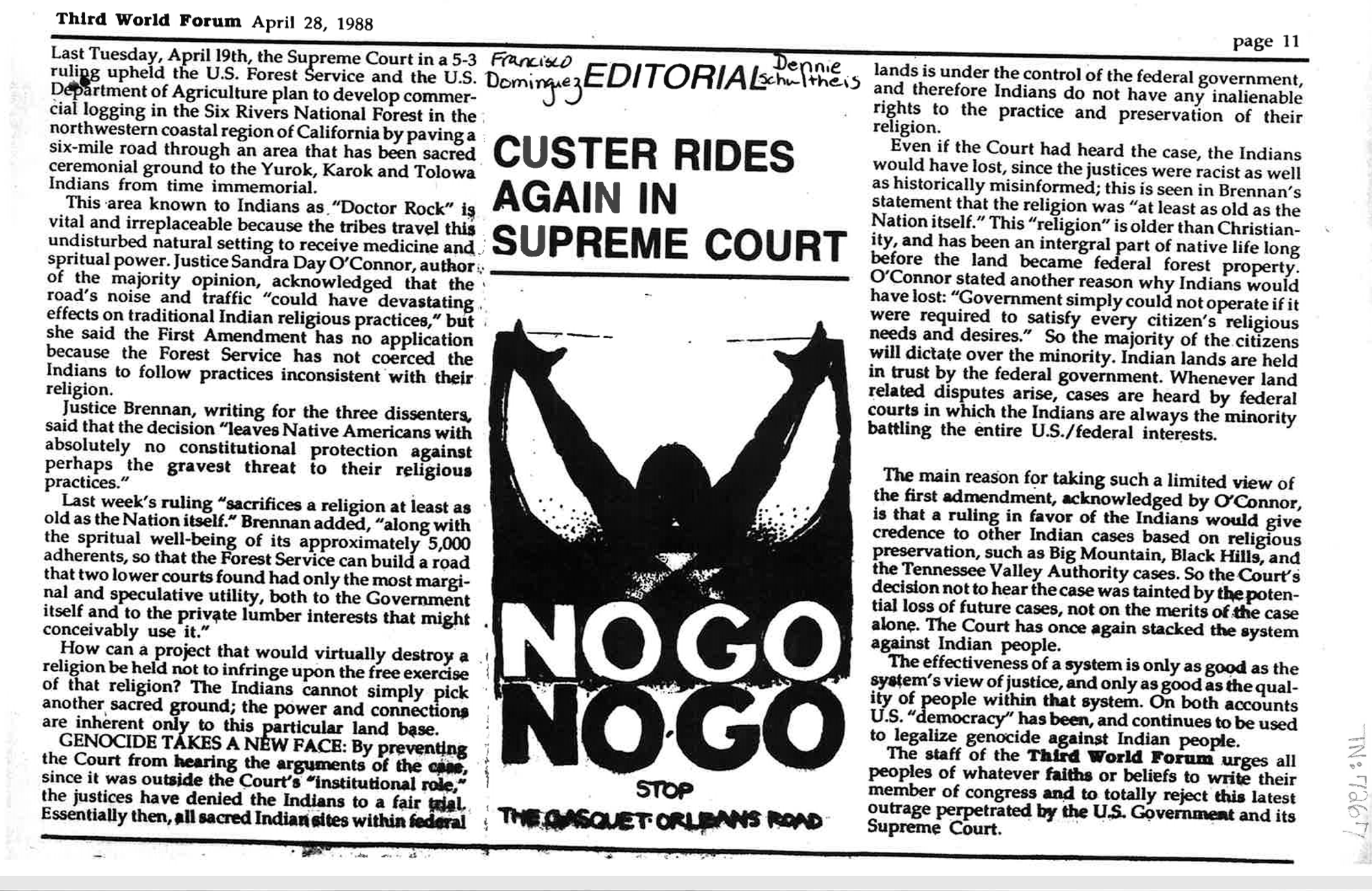
Here.
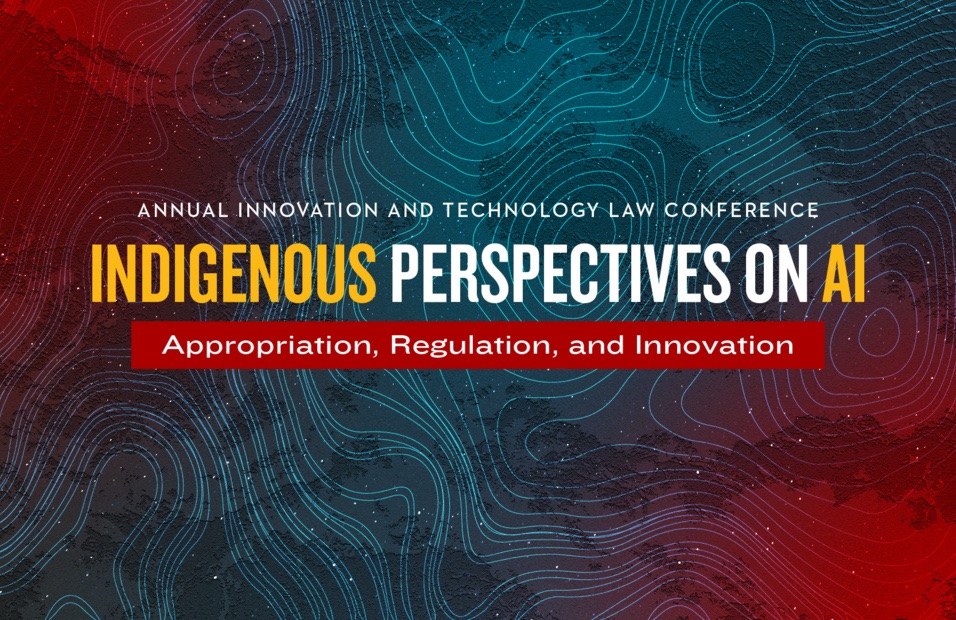
Join Seattle University School of Law for the 9th Annual Innovation and Technology Law Conference, a virtual gathering exploring Indigenous Perspectives on AI: Appropriation, Regulation, and Innovation.
Presented by the Technology, Innovation Law, and Ethics (TILE) Institute and the SITIE Initiative, and co-sponsored by the Northwest Center for Indigenous Law, Seattle Journal of Technology, Environmental & Innovation Law (SJTEIL), and the American Indian Law Journal, this year’s conference brings together leading scholars, practitioners, and Indigenous leaders.
Through a full day of panels and discussion, you’ll gain insight into:
View the full agenda and speaker lineup on the SITIE Conference event page.
Register now to be part of this timely and critical conversation.


You must be logged in to post a comment.