The Advisory Council on Historic Preservation voted 16–5 on July 24 to advance a Notice of Proposed Rulemaking that would substantially rewrite 36 C.F.R. Part 800, which implements Section 106 of the National Historic Preservation Act. Section 106 is a cornerstone provision of NHPA that gives Tribes a formal role in ensuring that federal agencies consider impacts to sacred places, ancestral landscapes, and other historic properties of religious and cultural significance before making decisions that may affect them.
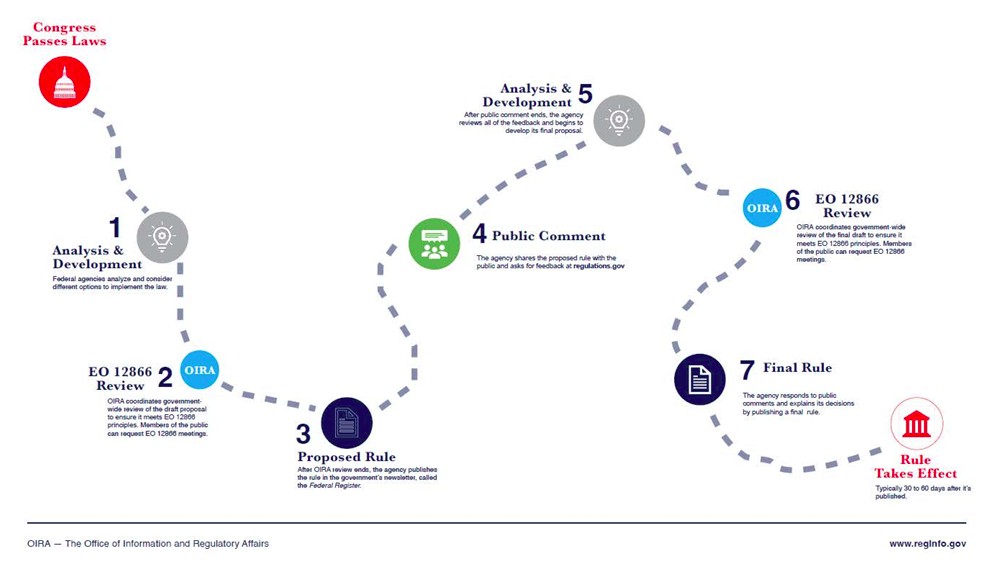
The proposal isn’t yet published in the Federal Register since it’s under OMB/OIRA review, so the formal comment period hasn’t opened. A 30-day comment period is anticipated once the NPRM is published. But a draft redline is available on the War Room page of Cultural Heritage Partners, a law firm that specializes in historic and cultural heritage protection.
Narrowing what qualifies as an undertaking. The proposal would exclude certain state, Tribal, and local actions carried out under delegated federal authority. Other provisions would provide additional grounds for agencies to conclude that federal funding, approval, assistance, or involvement does not trigger Section 106 review. When an activity is treated as outside the definition of an undertaking, the agency generally has no obligation under Section 106 to identify historic properties, consult with affected Tribal Nations, assess effects, or consider ways to avoid or address harm.
Excluding certain natural and cultural places from the definition of historic property. The proposal would generally require a place to be geographically compact and connected to tangible human improvements or specific human activities. It further states that “noncompact, unimproved natural features such as mountains, valleys, bodies of water, or landscapes, including ethnographic landscapes, do not qualify as property” for Section 106 purposes. This could exclude places whose significance arises from continuing religious and cultural practice, subsistence, oral tradition, place names, cultural responsibility, ceremony, and enduring relationships among Tribal people, ancestors, land, water, plants, and animals.
Not every Tribal cultural place can be reduced to a tightly bounded parcel or identified through buildings, archaeological deposits, or other visible physical remains. Some places are understood through relationships among multiple locations, waterways, mountains, gathering areas, travel routes, viewsheds, and ceremonial settings. The absence of tangible human improvements does not make those places less sacred, less culturally significant, or less deserving of consideration.
Reducing Tribal and THPO participation. The draft removes provisions that give Tribes a reasonable opportunity to identify concerns, advise agencies on the identification and evaluation of historic properties, explain how an undertaking may affect those properties, and participate in resolving adverse effects. It also reduces THPO involvement at several stages, shifts more findings and decisions to the agency official, and moves the role of consulting parties toward commenting on an agency-prepared report.
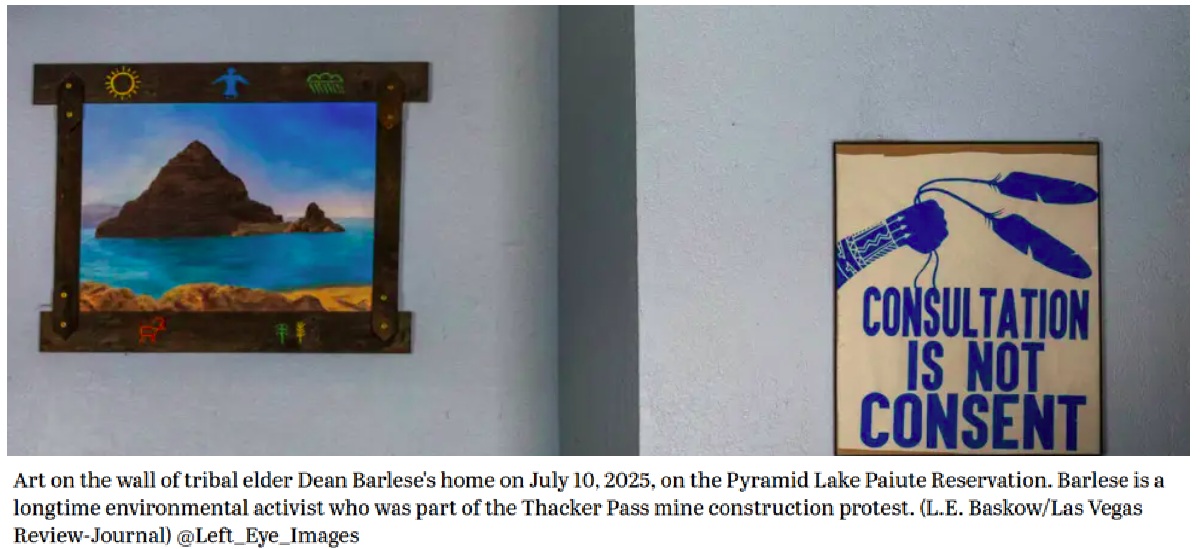
Consultation is not meaningful when a Tribe is presented with a substantially completed agency analysis and given only a limited opportunity to respond. It must begin early enough for Tribal knowledge, concerns, and recommendations to influence identification, evaluation, effects analysis, project alternatives, and the resolution of harm.
Removing recognition of Tribal expertise and legal context. The draft deletes language recognizing the special expertise of Indian Tribes in assessing the eligibility of properties of religious and cultural significance. It also removes express references to the government-to-government relationship, Tribal sovereignty, treaty rights, and the fact that culturally significant places are often located on ancestral, aboriginal, or ceded lands.
Tribal Nations are sovereign governments, not members of the general public or sources of supplemental cultural information. General assurances that the regulations do not alter Tribal sovereignty or treaty rights do not resolve the concern if the operative provisions reduce Tribal involvement or disregard Tribal expertise.
Narrowing the effects considered. The proposal would remove references to indirect and cumulative effects and limit adverse effects to “only those reasonably foreseeable effects that have a reasonably close causal relationship to the undertaking.” It would also remove specific recognition of changes to a property’s use or setting and the introduction of visual, atmospheric, or audible elements as potential adverse effects.
These changes are especially significant for sacred places and cultural landscapes. A place may be harmed through changes to access, setting, privacy, sound, visibility, water, vegetation, ceremonial conditions, or the ability of Tribal citizens to continue religious and cultural practices. Those effects can be profound even when a project does not excavate, demolish, or physically alter the place itself.
Expanding agency control over the process. The draft provides that an agency official “may alter any deadline in this part, to be shorter or longer.” Agencies would also have greater control over the area of potential effects, the scope of identification, agency findings, and the consideration of comments from consulting parties.
The proposal would allow an agency to prepare a consolidated Section 106 report containing its identification, effects analysis, and proposed response before circulating that analysis for comment. This risks transforming consultation from a collaborative planning process into an opportunity to react to conclusions the agency has largely developed on its own.
The draft would also allow an agency official to treat matters addressed only briefly or left unaddressed as intentionally omitted because the agency considered them “comparatively unimportant or frivolous.” That is especially concerning where an agency does not understand or gives insufficient weight to Tribal knowledge, cultural values, or effects identified by a Tribe.
Replacing negotiated outcomes with agency decisions. The proposal would move away from memoranda of agreement and toward agency-issued memoranda of decision. The agency could determine how it will address effects or conclude that “other considerations outweigh” historic preservation concerns. This would allow the agency to consult, decline to secure agreement on how adverse effects will be addressed, and document its own decision to proceed.
Expanding exemptions and procedural off-ramps. The proposal encourages broader use of exemptions and other mechanisms through which categories of undertakings or programs could avoid full Section 106 review. The accompanying notice describes an intent to create additional “on- and off-ramps” and make Section 106 exemptions function more like categorical exclusions under the National Environmental Policy Act.
Section 106 and NEPA serve different statutory purposes. A determination that an activity has no significant environmental effect under NEPA does not establish that it cannot affect a historic property or a place of religious and cultural significance to a Tribal Nation.
Making public participation discretionary. The proposal characterizes public comment as “optional, not mandatory” and would largely leave the decision whether to seek public input to the agency official. This would reduce opportunities for affected communities, local governments, preservation organizations, and members of the public to identify properties, raise concerns, and inform agency decisions.





You must be logged in to post a comment.