Here (Shawl Collection Event Dates):
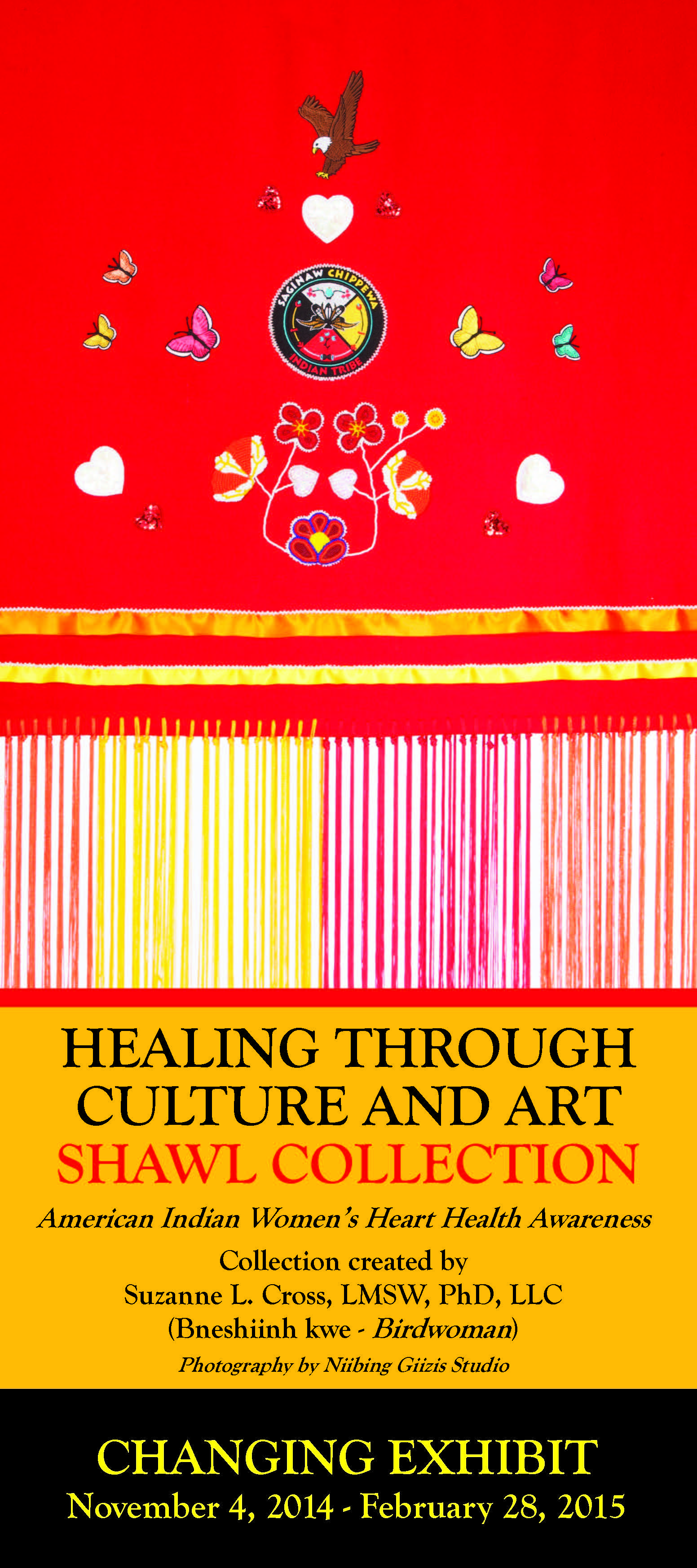

Here (Shawl Collection Event Dates):
Here is the complaint in Cherokee Nation West v. United States Army Corps of Engineers (N.D. Okla.):
An excerpt:
Plaintiff seeks equal access to Fort Gibson Lake to hold a religious ceremony on November 7, 2014, March 2015 and on future dates. Although Fort Gibson Lake is open to the general public for indiscriminate use, the Defendants denied Plaintiff equal access to the public area of Fort Gibson Lake because Plaintiff wanted to hold a religious ceremony, and such ceremony was considered “sacrilegious” by the government Defendants.
Here are the recent orders in Davis v. Abercrombie (D. Haw.):
644 DCT Order on Class Certification
News coverage here: “Court grants inmate class action in Native Hawaiian religion case.”
Here is the petition in National Parks Conservation v. EPA (CA9):
Hopi’s petition is here.
Here:
Here are the orders in Quechan Tribe v. United States (S.D. Cal.):
282 Quechan Memorandum of Facts and Law
283 US Memorandum of Facts and Law
Here is the order in Yount v. Jewell (D. Ariz.):
The Guidelines for Considering Traditional Knowledges in Climate Change Initiatives is available for download here.
This publication is intended to be an informational resource for tribes, agencies, and organizations across the U.S.
About the Guidelines:
The Third National Climate Assessment issued in May 2014 contained a chapter dedicated to the impact of climate change on tribal peoples. In light of the increasing recognition of the significance of traditional knowledges (TKs) in relation to climate change, a self-organized, informal group of indigenous persons, staff of indigenous governments and organizations, and experts with experience working with issues concerning traditional knowledges (The Climate and Traditional Knowledges Workgroup – CTKW), felt compelled to develop a framework to increase understanding of issues relating to access and protection of TKs in climate initiatives and interactions between holders of TKs and non-tribal partners. The Guidelines were originally developed to inform the Department of Interior’s Advisory Committee on Climate Change and Natural Resource Science (ACCCNRS) in May 2014.
Here.

A basket maker and porcupine quillwork, Yvonne Walker Keshick creates birchbark masterpieces realistically decorated with quills that depict natural images as well as cultural symbols of the Odawa tribe. Also a devoted teacher, she has developed resources and provided instruction to ensure this art form is passed down to others as it was to her.
Keshick was born in 1946 and is descended from a long line of Odawa/Ojibwa quillworkers. Keshick’s aunt, Anna Odei’min, was reputedly on the of the finest quillworkers at the turn of the 19th century. In 1969, Keshick began learning the art from teacher and artist, Susan Kiogima Shagonaby.
Keshick quickly mastered both the traditional cultural designs as well as the basic wildlife and floral designs for which her family was known and which are passed down from generation to generation. She then excelled in creating even more complex and realistic designs of flora and fauna as well as depictions of cultural symbols and stories. Her work is known for its technical craftsmanship—the quality of material used, the uniformity of sewing, and the accuracy of the forms and fits of boxes and covers. Keshick avoids using dyed quills in her work and instead creates shadowing affects using the natural colors of the quills. Keshick is also knowledgeable in the stories and traditions associated with quillwork and her culture, which she shares with her community and family.
Keshick has said, “I believe it is truly our responsibility to teach others all of the best things of our culture” and in that vein has passed along the tradition to her sons and daughter. She participated in Michigan Traditional Arts Apprenticeship Program and has also written a manuscript that coves instructions on making quillwork and information on the cultural meanings related to quillwork.
Keskick played an active role in the successful efforts of her tribe’s federal recognition in the 1980s. In 1992, Michigan State University Museum honored her with a Michigan Heritage Award for her “mastery of her tradition, attention to authenticity, and commitment to sharing her cultural knowledge within her community.” Keshick’s quillwork is included in numerous museum collections, including the National Museum of the American Indian. She was a featured participant in the 2006 Smithsonian Folklife Festival’s Carriers of Culture Native Weaving Traditions program.
 Turtle Talk
You must be logged in to post a comment.