EPA Proposes Withdrawal of Post-McGirt SAFETEA Delegation to Oklahoma

Here are the materials:

Oklahoma Federal Court Denies Oklahoma’s Bid for Injunction on Creek Mining Regulation

Here is the order in State of Oklahoma v. Dept. of the Interior (W.D. Okla.):

Will post the complete briefs later on. Prior post here.

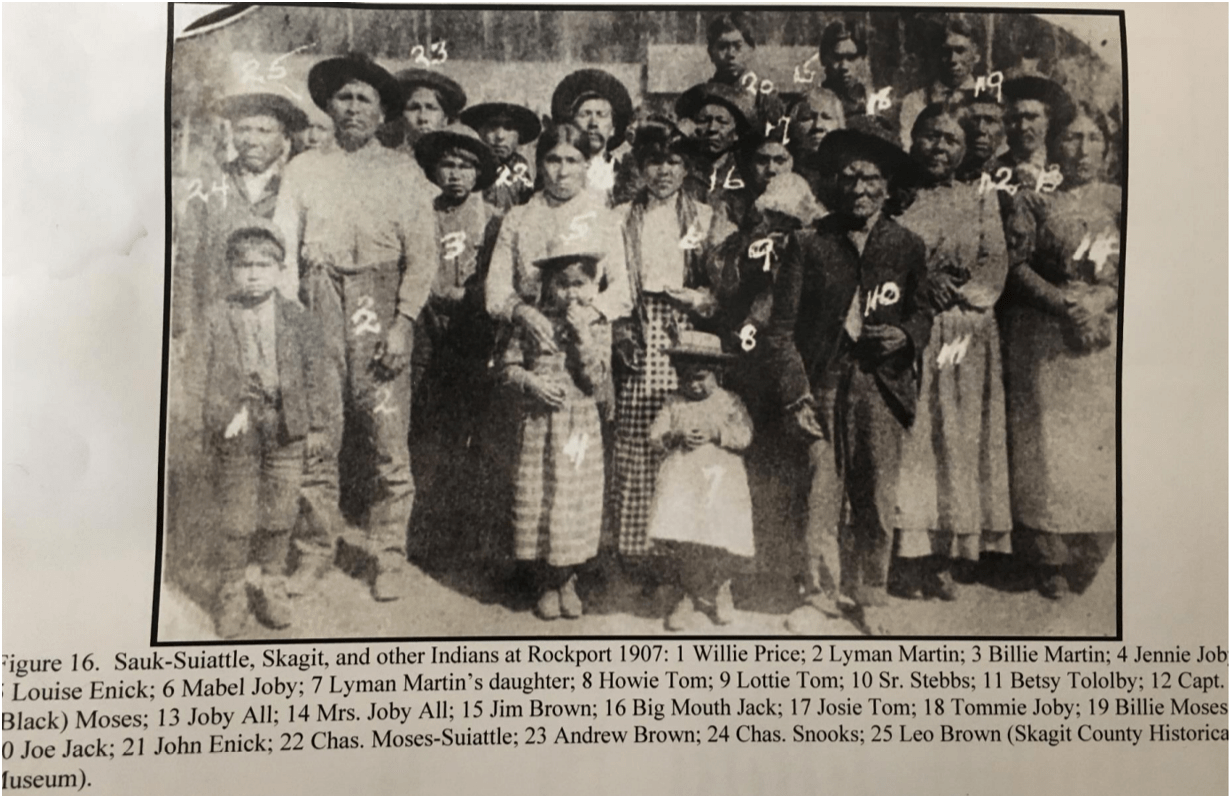
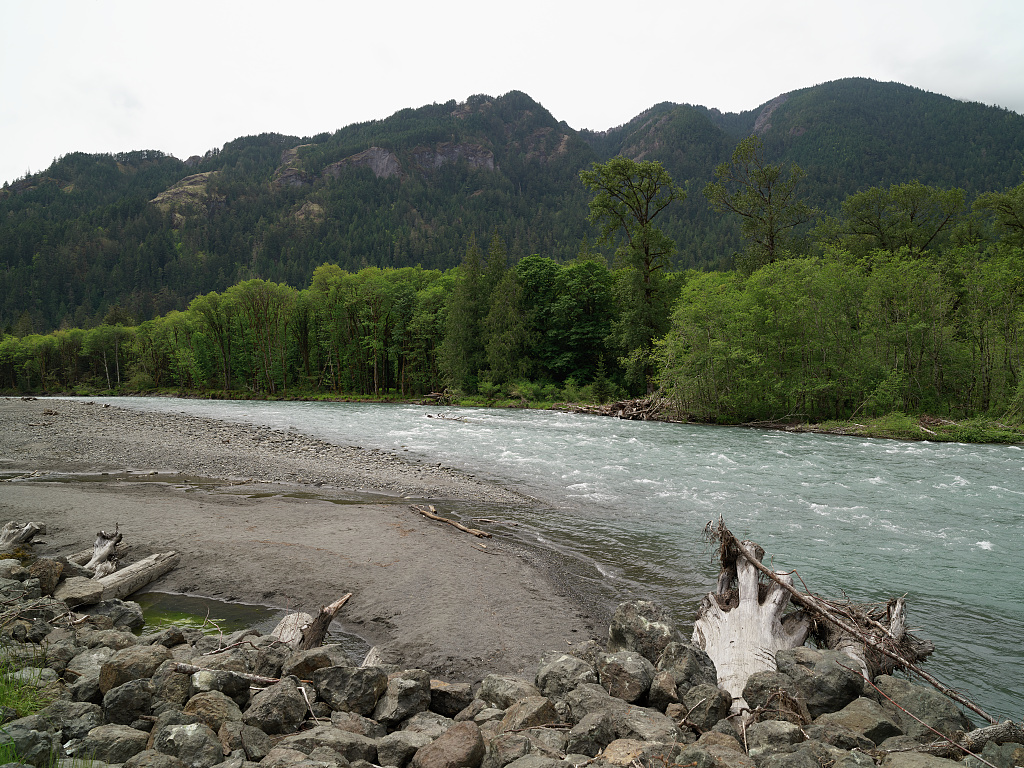
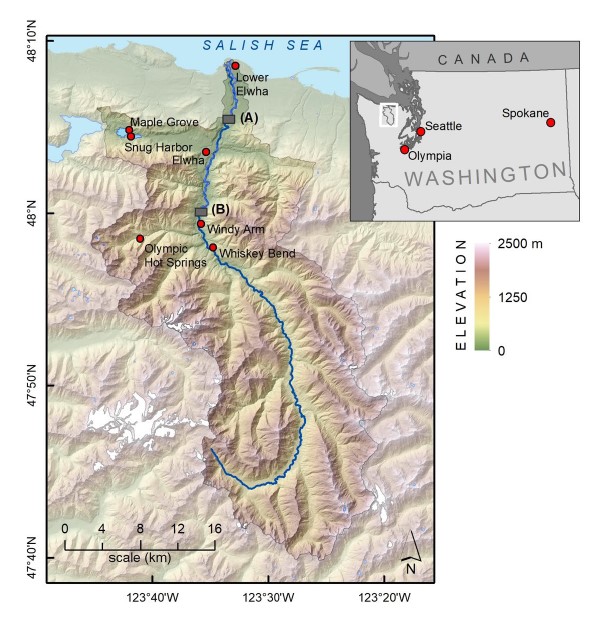
Washington Federal Court Dismisses Tribe’s Suit against Seattle Dam

Here is the order in Sauk-Suiattle Indian Tribe v. City of Seattle (W.D. Wash.):

21 DCT Order

Prior post here.

Keep the UP Wild: The Environmental Law and Policy Center (ELPC)

Keep the UP Wild

The Environmental Law and Policy Center (ELPC) and their Michigan partners are currently working on a project to designate four areas in Michigan’s Upper Peninsula as federal Wilderness areas – three new areas and one addition to an existing Wilderness area.

View a brief project memo describing this effort as well as the current crop of Existing Michigan Wilderness Areas in the state. Please visit their project website which lists the more than 125 existing organizations already supporting this effort. Indigenous voices, tribes, and the broader business community have been two of their highest prioritizations on this project.

Nevada Federal Court Declines Reconsideration Motion in Lithium Case

Here are the new materials in Bartell Ranch LLC v. McCullough (D. Nev.):

96 Motion for Reconsideration

105 Interior Response

106 Lithium Corp Response

107 Reply

117 DCT Order Denying Reconsideration


Oklahoma Federal Court Bars Creek Nation from Oklahoma Mining Jurisdiction Suit against Interior

Here are the materials (so far) in State of Oklahoma v. Dept. of the Interior (W.D. Okla.):

17 State Motion for PI

22 Muscogee (Creek) Nation Motion to Intervene

22-1 Proposed Motion to Dismiss

34 Federal Response to 17

42 Reply in Support of 17

44 Federal Opposition to 22

45 State Opposition to 22

48 Tribe Reply in Support of 22

61 DCT Order Denying 22

We posted the complaint here.

Kevin Washburn on Tribal Co-Management of Federal Public Lands

Kevin Washburn has posted “Simple Tribal Co-Management: Using Existing Authority to Engage Tribal Nations in Co-Management of Federal Public Lands” on SSRN.

Abstract:

Each year Native American tribal nations enter hundreds of federal contracts worth billions of dollars to run federal Indian programs. By substituting tribal governments for federal agencies, these “self-determination contracts” have been enormously successful in improving the effective delivery of federal programs in Indian country. However, tribal governments wish to do more. Tribes wish to co-manage federal public lands, including lands that lie outside their reservations, and they have a lot to offer in this area. For example, a tribe might seek to contract with the Fish & Wildlife Service to operate a wildlife refuge, or with the National Park Service to manage a park or monument or even with the Bureau of Reclamation to operate a federal dam. Tribes are natural partners for much of this work. Many federal units are located on lands that are, or were, tribal aboriginal lands. Although the federal government has had the legal authority to enter such contracts since 1994, federal agencies have been slow to enlist tribes in the management of federal public lands. A review of the few existing successful cases suggests that tribes confront dramatically different dynamics when seeking to contract functions with agencies beyond the Bureau of Indian Affairs or Indian Health Service and other agencies providing services to Indian people. At a time when indigenous-led conservation is crucial to addressing climate change and our national conservation goals, this article examines the obstacles to tribal co-management of public lands and proposes solutions.

Always good to see new scholarship from Dean Washburn.

Eighth Circuit Briefs in Minnesota Dept. of Natural Resources v. White Earth Band of Ojibwe

Here:

Opening Brief

Answer Brief

Amicus Brief

Lower court materials here.

Accountability, Climate, Equity, and Scholarship (ACES) Fellows Program at Texas A&M

For those committed to increasing diversity in the legal profession, Texas A&M University School of Law announces the Accountability, Climate, Equity, and Scholarship (ACES) Fellows Program at Texas A&M University School of Law.

The ACES program is a two-year fellowship designed to help early career legal scholars get the training and mentoring necessary to become successful members of the legal academy. Funded by Texas A&M’s Office of the Provost and administered by the University’s Office for Diversity, the fellowship is designed to help early career scholars who are strongly committed to diversity.

The position has a light teaching load (one class per year) to enable the Fellow to focus on advancing their research agenda, scholarship (including at least one published article), and other necessary skills in anticipation of seeking a tenure-track, faculty position on the law school teaching market. Faculty are committed to providing the mentoring necessary to help the Fellow to succeed on the legal academic job market and in the legal academy.

Details:

–24-month term, starting between July 1- August 10, 2022. 

–Teach one class per year

–$60,000 annual salary plus benefits

–$4,500 annual travel and development fund

–Reimbursement of moving expenses

–Eligibility:  Must have earned JD or PhD degree between January 1, 2012 and July 1, 2022

–Applications are due by February 1, 2022; more information about the position (including application information) is here.

Thomas MitchellBrendan Maher, and Huyen Pham are on the appointments committee for this fellowship.  Please feel free to reach out to any of them with questions. 

Indigenous Peoples and Climate Change: Preparing for COP26

Indigenous Peoples and Climate Change: Preparing for COP26

The University of Colorado’s American Indian Law Program and Getches Wilkinson Center invite you to “Indigenous Peoples and Climate Change: Preparing for COP26,” taking place:

Oct 20th, 2021, 12pm-1:15pm MT, via Zoom at https://cu.law/AILP

Moderated by Professor Kristen Carpenter, the panel features Fawn Sharp, President, National Congress of American Indians; Kim Gottschalk, Staff Attorney, Native American Rights Fund; and Andrea Carmen, Executive Director, International Indian Treaty Council.

On October 31, 2021, the world will gather in Glasgow for COP26, a major summit on climate change. As the U.S. rejoins the Paris Agreement, Indigenous Peoples, their traditional knowledge, and relationship with the earth are also at the forefront. Join Colorado Law for a discussion with Indigenous leaders and advocates to learn what’s at stake for all of us.