Here is the federal court complaint:
tribal courts
Federal Court Reopens Inetianbor v. Cashcall (Again) After Plaintiff Shows Reservation Arbitration a Sham
Nooksack COA Stays Disenrollment Proceedings Pending Appeal
And the materials in Lomeli v. Kelly (Nooksack Tribal Ct. App.):
Emergency Motion for Stay of Tribal Court Judgment
Order Granting Appellate Review and Staying Proceedings
And a new suit in tribal court, with a sitting council member as lead plaintiff, Roberts v. Kelly (Nooksack Tribal Ct.):
New Student Scholarship on the Tribal Law and Order Act
Seth J. Fortin has published “The Two-Tiered Program of the Tribal Law and Order Act” (PDF) in the UCLA Law Review Discourse.
Here is the abstract:
The Tribal Law and Order Act of 2010 was intended to significantly expand the sentencing powers of tribal courts, raising the maximum sentence for a given offense from one year to three. But the Act requires courts that would take advantage of these new powers to provide significant procedural protections to criminal defendants, while failing to provide the funding most tribal courts would need to make those protections a reality. Moreover, the Act leaves vague and open to interpretation the precise form those protections should take, which is an open invitation to federal courts to scrutinize tribal court procedure; this, in turn, may put tribal courts in the position of choosing between longer sentences and retaining their traditional character. These two obstacles—lack of funding, and the danger to tribal courts’ unique character— mean that the Act is likely to sort tribes into two “tiers”: wealthier or more assimilated tribes will be able to take advantage of the longer sentences, while tribes that cannot afford (whether financially or culturally) to change their practices will be left unable to adequately sentence serious offenders. And because of the way the Act resolves a longstanding ambiguity in Indian law, some tribes in the latter group may be left with less sentencing power than they had previously.
New Paper on the Availability of Tribal Law
Bonnie J. Shucha posted her paper, “Whatever Tribal Precedent There May Be’: The (Un)Availability of Tribal Law” on SSRN. Here is the abstract:
This article explores the costs and benefits of publishing tribal law. Part I analyzes why tribal law is not more widely available; part II illustrates the benefits of making tribal law more accessible, and part III describes publication options for tribes. An appendix lists currently available tribal law collections.
WSJ on New York’s Suit against Indian Country Payday Lenders
Here. Excerpt:
Courts have long upheld that tribal-owned businesses enjoy the same sovereign immunity as tribal governments and aren’t subject to state law. Matthew Fletcher, director of Michigan State University’s Indigenous Law and Policy Center, said the ownership structure of a firm has bearing on its legal defenses in such situations. Lenders owned by an individual member of a tribe but not deemed to be owned by the tribe itself would have less ground in attempting to block lawsuits or other state action, he said.
“I would assume the tribe and the tribal entity would respond by saying you don’t have jurisdiction over the tribal nation,” Mr. Fletcher said.
Petoskey Pond
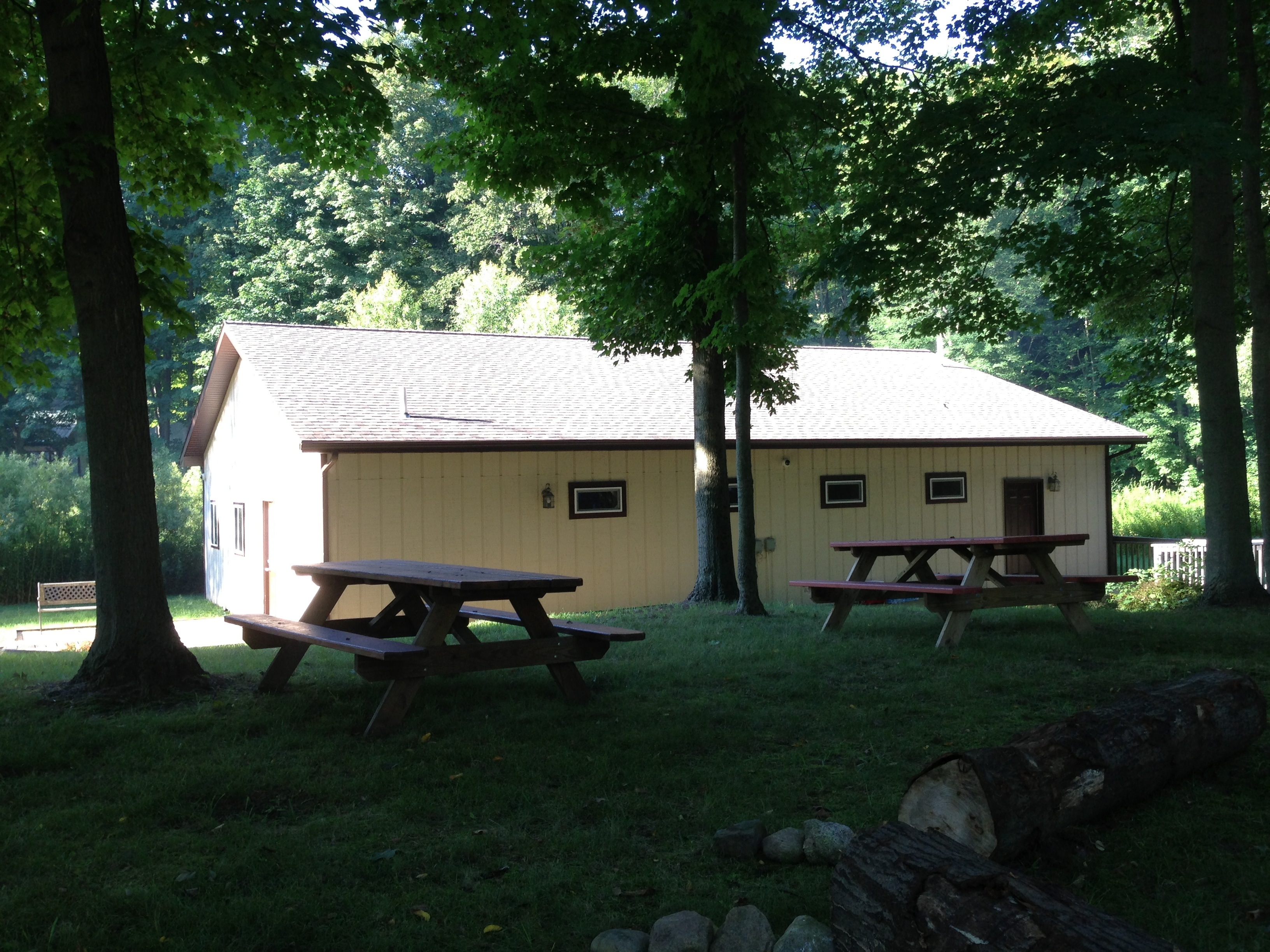
The pond next to the Pokagon tribal court. I just named it after the chief judge….

Pokagon Tribal Court
Pokagon court:
Materials in Douglas Luckerman v. Narrangansett Indian Tribe
Here are the materials in this pending matter over an alleged $1.1 million in attorney fees:
Narrangansett Motion to Dismiss
Luckerman Opposition/Motion to Remand
Narrangansett Reply + Sachem Affidavit
News coverage here.
Update in Nooksack Disenrollment Matter — Second Amended Complaint Dismissed
Here are additional materials in Lomeli v. Kelly (Nooksack Tribal Court):
Kelly Defendants’ Motion to Dismiss
Nooksack Plaintiffs’ Response in Opposition to Defendants’ Motion to Dismiss
Kelly Defendants’ Reply on Motion to Dismiss
Order Granting Defendants’ Motion to Dismiss Second Amended Complaint 8-6-2013
An excerpt:
As Assistant Secretary of Indian Affairs Kevin Washburn wrote recently, “in the exercise of sovereignty and self-governance, tribes have the right, like other governments, to make good decisions, bad decisions, and decisions with which others may not agree.” Aguayo, page 1. The Tribal Council members named in this Complaint hold an obligation to act in the best interests of the Nooksack Indian Tribe. Membership and enrollment decisions impact individual lives in the deepest possible ways and those decisions cannot be taken lightly. This Court recognizes the serious implications of this case and its decision on this motion and all the others that have preceded it. It is the solemn obligation of this Court to follow the law of the Nooksack Indian Tribe and it is the obligation of the Tribal Council to do the same.
 Turtle Talk
You must be logged in to post a comment.