
Here are the materials in Black Crow v. Lake County Jail, recaptioned In re Conditions at Lake County Jail (D. Mont.):
Here are the materials in Black Crow v. Lake County Jail, recaptioned In re Conditions at Lake County Jail (D. Mont.):
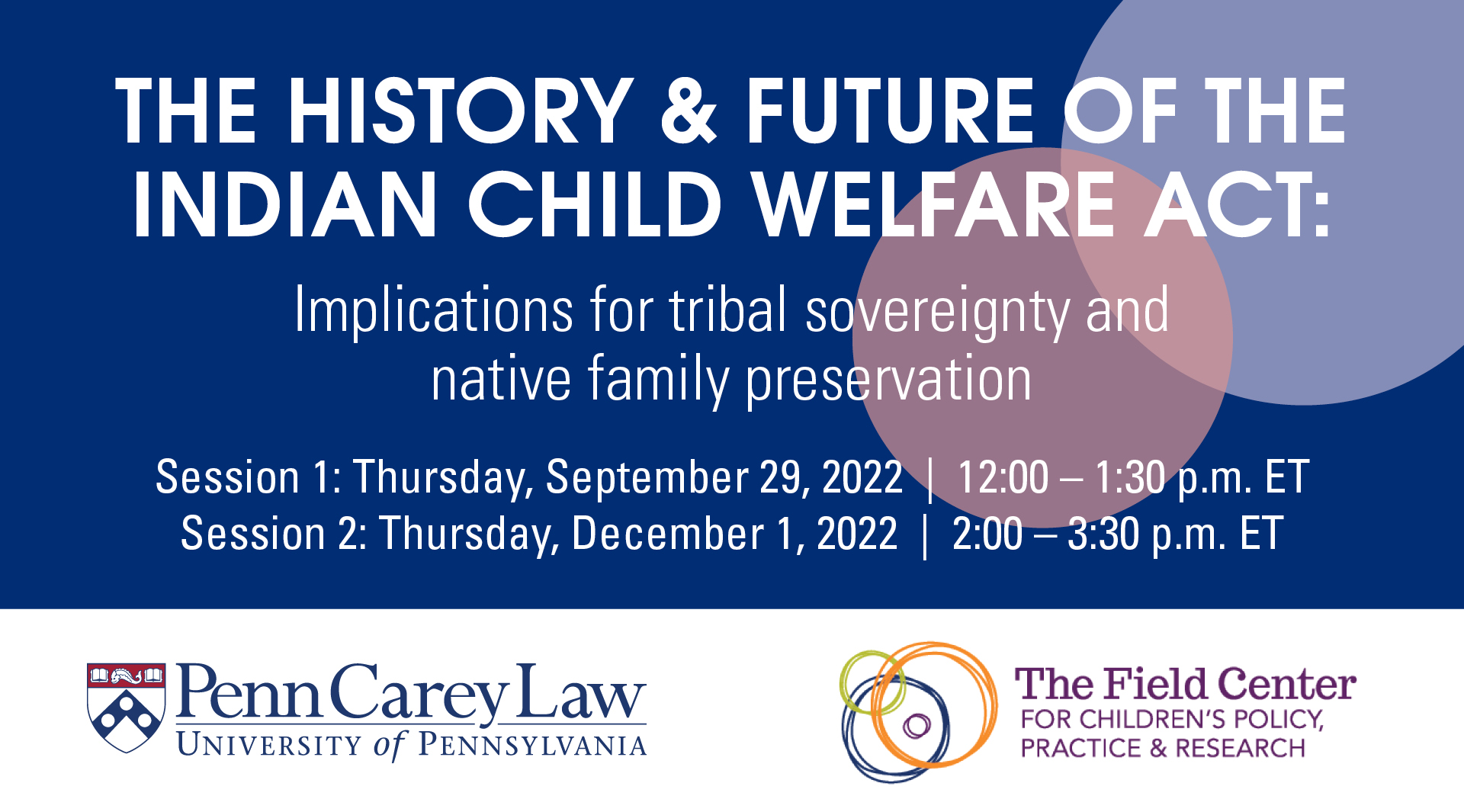
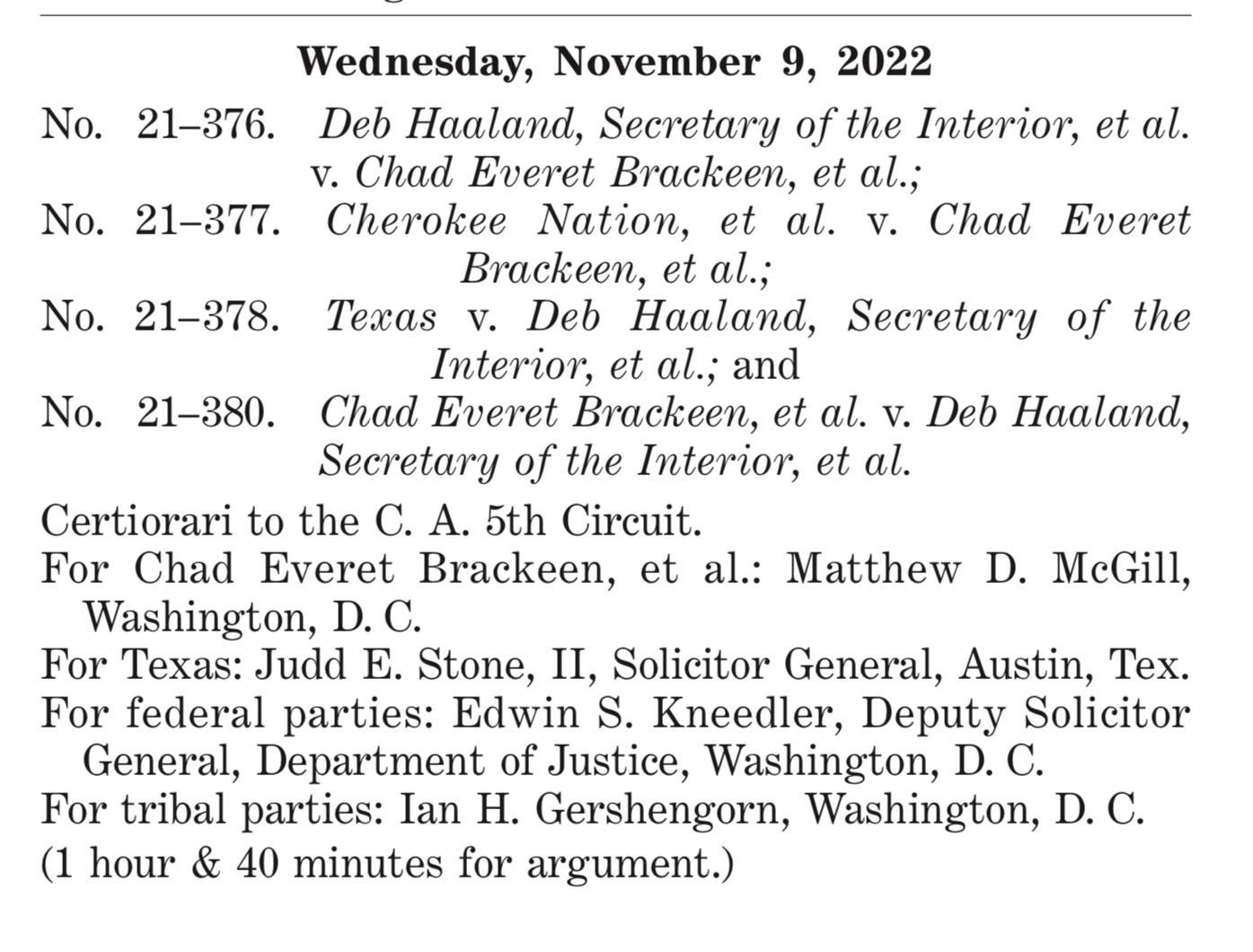
The panel of legal experts and academics will discuss the oral arguments in the HAALAND V. BRACKEEN supreme court case and the potential implications for ICWA and tribal sovereignty.
Thursday, December 1, 2022
2:00 PM – 3:30 PM ET
University of Pennsylvania Carey Law School– Virtual Event
For more information and to register, please click here.
Ann Estin has posted “Equal Protection and the Indian Child Welfare Act: States, Tribal Nations, and Family Law,” forthcoming in the Journal of the American Academy of Matrimonial Lawyers, on SSRN.
Here is the abstract:
Congress has long exercised plenary power to set the boundaries of federal, state and tribal jurisdiction, and Supreme Court precedents have required that such legislation be tied rationally to the fulfillment of Congress’s unique obligation to Indian tribes. Exercising this power, Congress set parameters for state and tribal jurisdiction in child welfare and adoption cases with the Indian Child Welfare Act of 1978 (ICWA). In response to the recent Equal Protection challenge to ICWA by a small number of states in Haaland v. Brackeen, many more states have argued in support of the legislation, which addressed longstanding problems in the states’ treatment of Indian children and provided an important framework for cross-border cooperation in child welfare cases. Looking beyond ICWA, this article points to unresolved jurisdictional and conflict of laws challenges in other types of family litigation that crosses borders between states and Indian country. Arguing that citizens of tribal nations should have the same right to bring family disputes to courts in their communities that other Americans enjoy, the article argues for greater cooperation and comity between states and tribes across the spectrum of family law.
Here is the unpublished opinion in Van Nguyen v. Foley.
Briefs here.
Here.
The Native American Experience through Poetry, the Law, and Memoir
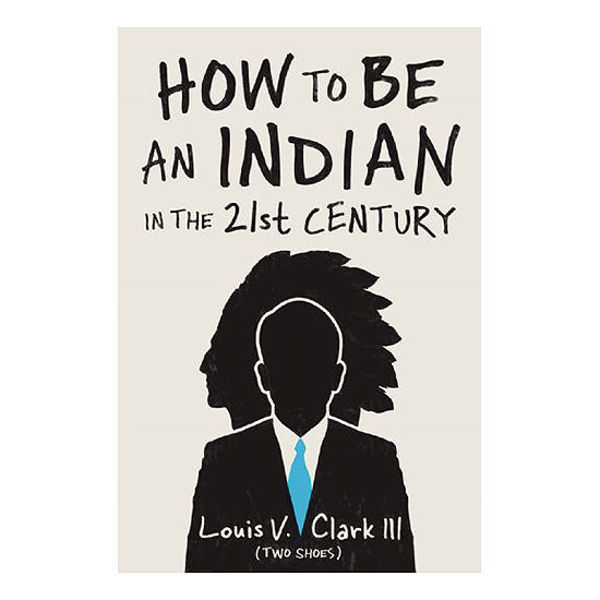
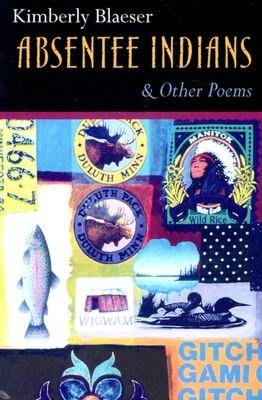
Writers: Louis V. Clark III, Kimberly Blaeser, Matthew Fletcher
Moderator: Tim Thering
Three authors express what it actually means to be Native American through the use of very different words. Explore this culture with the lyricism of poetry, the experience of memoir, and the meaning of the law.
Kimberly Blaeser, past Wisconsin Poet Laureate and founding director of In-Na-Po, Indigenous Nations Poets, is the author of five poetry collections including Copper Yearning (2019), Apprenticed to Justice (2007), and Résister en dansant/Ikwe-niimi: Dancing Resistance (2020). An enrolled member of the White Earth Nation, Blaeser is an Anishinaabe activist and environmentalist, a Professor Emeritus at UW–Milwaukee, and an MFA faculty member at Institute of American Indian Arts in Santa Fe. She lives in rural Wisconsin; and, for portions of each year, in a water-access cabin near the Boundary Waters Canoe Area Wilderness in Minnesota. Additional information is available here: http://kblaeser.org
Louis V Clark III was born on the Oneida reservation of Wisconsin. Raised during the often troubled, often wonderful decade of the 1960’s, Clark learned to stand up for what he thought was right, aided by the guiding hand of many influential people. He joined forces with his beautiful wife during their high school years and together they ran away to build their own life aided by the Oneida principle of “looking ahead seven generations.” Encountering many obstacles along the way including a poetry professor who said that what he wrote wasn’t poetry and a theater professor who said that if what he wrote was any good that it was already being done. Clark continued to write. In Clark’s fifth decade the University of Arkansas along with the Sequoyah National Research Center published his chapbook “Two Shoes.” This work received an Oneida Fellowship Award and a Wisconsin Arts Board Award. In 2016 the Wisconsin Historical Society Press published his Memoir in Poetry and prose “How to be an Indian in the 21st Century.” This book received the 2017 Midwest Booksellers Choice Award as well as Oneida/Wisconsin Arts Board Award. WHSP published his follow up book, “Rebel Poet” in 2018 and this work received a Midwest Independent Publishers Book award. Clark currently has a play “Little Boy Lost/Stupid Indian” scheduled for airing on public radio sometime this year.
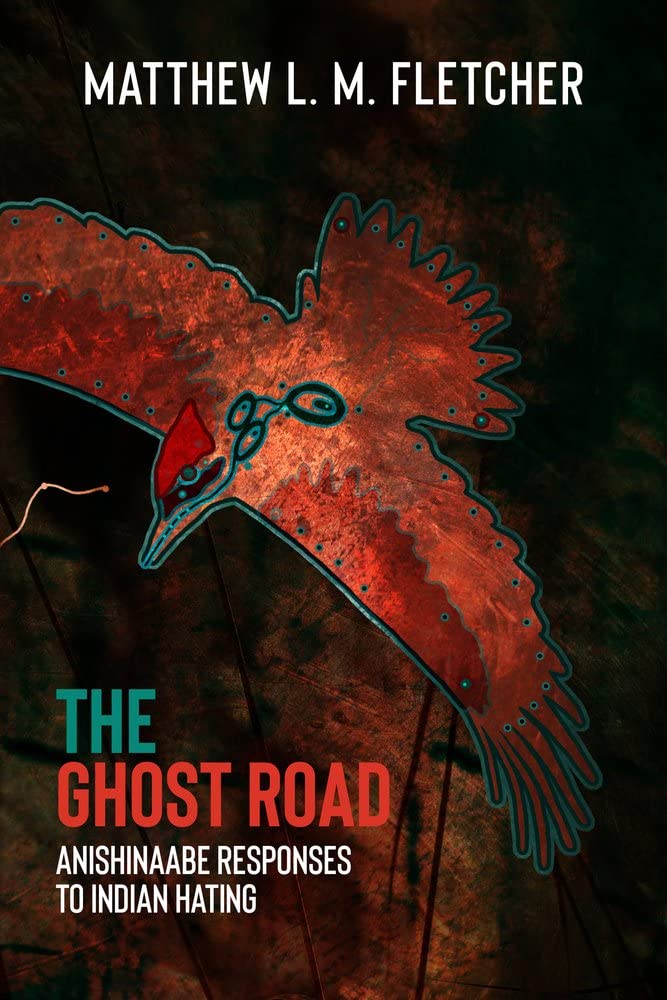
Matthew L.M. Fletcher is the Harry Burns Hutchins Collegiate Professor of Law at Michigan Law. He teaches and writes in the areas of federal Indian law, American Indian tribal law, Anishinaabe legal and political philosophy, constitutional law, federal courts, and legal ethics, and he sits as the Chief Justice of the Pokagon Band of Potawatomi Indians and the Poarch Band of Creek Indians. Professor Fletcher also sits as an appellate judge for the Cabazon Band of Mission Indians, the Colorado River Indian Tribes, the Grand Traverse Band of Ottawa and Chippewa Indians, the Hoopa Valley Tribe, the Lower Elwha Klallam Tribe, the Mashpee Wampanoag Tribe, the Match-E-Be-Nash-She-Wish Band of Pottawatomi Indians, the Nottawaseppi Huron Band of Potawatomi Indians, the Rincon Band of Luiseño Indians, the Santee Sioux Tribe of Nebraska, and the Tulalip Tribes. He is a member of the Grand Traverse Band.
After two years of virtual programming, the D.C. Indian Law Conference returns Monday, November 7 in a hybrid format, allowing attendees the option to attend in-person or live-stream sessions. All speakers have now been confirmed for the conference, and panels will focus on a wide range of topics that promote a continuous exchange of ideas and the advancement of Indian Law and tribal communities, in addition to a robust focus on CLE credits.
A link to register can be found here. You may also view the agenda here. Online registration will close on Wednesday, November 2.

Here is the motion in Scotts Valley Band of Pomo Indians v. Dept. of the Interior (D.D.C.):
Prior post here.

 Turtle Talk
You must be logged in to post a comment.