Here is today’s order list.
Cert stage materials in Flying T Ranch Inc. v. Stillaguamish Tribe of Indians here.

Here is today’s order list.
Cert stage materials in Flying T Ranch Inc. v. Stillaguamish Tribe of Indians here.
Pueblo de San Ildefonso Tribal Court, Pueblo de San Ildefonso
Presides over the Pueblo de San Ildefonso Tribal Court
Member of a federally recognized tribe, licensed attorney
Contract/Part time Open until filled
Please submit a resume, proof of tribal enrollment and bar membership,
three references and a cover letter to Diane Vigil, Court Administrator,
(courtadministrator@sanipueblo.org). Please call (505) 455-4168 with any questions about
this position.
Washington State Environmental & Land Use Hearing Office, Remote but must live in Washington State
You are a skilled legal analyst with knowledge of environmental and land use law. You conduct comprehensive and thorough legal research and analysis of current law, reviewing case documents and legal authorities to identify relevant legal issues and evaluate competing arguments. You are skilled at identifying, connecting, and evaluating intersecting and/or complex legal issues and relevant law. As a key legal support to ELUHO’s three boards, you are an effective communicator who independently drafts well-organized legal materials, ensuring your legal conclusions and recommendations are supported by current law and case facts. You pay attention to details and deadlines, and you play a critical role in upholding the integrity of the boards.
As a member of the ELUHO team, you have a commitment to building and maintaining constructive working relationships and to promoting teamwork and collaboration. You are adaptable to change, you can manage multiple priorities, and you demonstrate honesty, forthrightness, and professionalism to earn others’ trust and respect.
Possess a Juris Doctor degree received from an accredited law school
OR Will possess a Juris Doctor degree by July 2026 (as a condition of employment)
*Passing the Bar Exam is not a requirement for this position.
**You must reside IN the state of Washington by the start of employment.
Salary $65,000 to $75,000 Open until April 7, 2026 https://www.governmentjobs.com/careers/washington/jobs/5274365/law-clerk-wms1?keywords=law%20clerk&pagetype=jobOpportunitiesJobs
Hannah Goins (Lumbee) -working for the Indigenous Conservation Council of the Chesapeake Bay. The position is hybrid- mostly remote with travel to Tribal homelands required (preference for applicants on the east coast-their location will determine the amount of travel).
Responsibilities may include:
Conducting treaty rights analysis, including historical and doctrinal research related to the 1677 Treaty of Middle Plantation
Supporting research on inherent Tribal sovereignty, aboriginal title, and jurisdictional authority
Reviewing Tribal constitutions, codes, and governance frameworks
Assisting in legal analysis of state legislation, regulatory actions, or conservation initiatives affecting Tribal Nations
Conducting research related to land status, environmental governance, and Tribal regulatory authority
Drafting legal memoranda and briefing materials
Supporting preparation for intergovernmental meetings, Tribal workshops, or collaborative legal discussions
Participating (as appropriate) in conversations with Tribal leadership, staff, and partner organizations” “Required:
• Respect for Tribal sovereignty, confidentiality, and government-to-government processes
Rising 2L or 3L at an ABA-accredited law school
Successful completion of Federal Indian Law, or relevant experience working with Tribal Nations if the applicant’s law school does not offer the course or the applicant has not yet had the opportunity to take it
Strong legal research and writing skills
Experience working with Indigenous Peoples or Tribal Nations
Demonstrated interest in Tribal sovereignty and Indigenous governance
Preferred:
Additional coursework in Tribal law, environmental law, administrative law, natural resources law, or constitutional law
Experience engaging directly with Tribal governments
Familiarity with treaty rights, land status issues, or jurisdictional questions
Background in policy analysis or regulatory frameworks
Applicants who are citizens of federally recognized Tribal Nations, particularly those connected to Tribal Nations in VA are strongly encouraged to apply. This organization is an equal opportunity employer, and all qualified applicants will be considered without regard to race, color, religion, sex, national origin, or other protected status.
Paid position (salary determined on whether they stay 9 or 10 weeks). Open until July 31 (option to extend until August 7 depending on when their fall semester starts). Open until April 10, 2026 https://www.indigenous-chesapeake.net/post/looking-for-a-legal-eagle-learning-to-fly
Hobbs Straus Dean & Walker Washington, DC
Responsibilities:
– Conduct legal research and analysis on various legal issues
– Draft and review legal documents
– Represent clients in court proceedings and negotiations
– Manage and prioritize multiple cases and deadlines
– Collaborate with colleagues and other professionals
– Stay updated on changes in laws and regulations relevant to the practice area
3-5 years
Salary $145,000 – $$155,000. Open Until the position in filled. https://hobbsstraus.com https://drive.google.com/open?id=1O2bYGeVrYK0hMWu24mLg1Cv3VRpWojbk
RFQ, Contract Position, Remote
Review existing provisions of the Makah Law and Order Code. Draft new or revised code sections as directed by the Tribe. Align the Code with tribal policy decisions, federal law, and applicable case law. Support the Tribe’s exercise of inherent sovereignty and self-governance. Juris Doctor (J.D.) or equivalent legal training, or substantial demonstrated experience in tribal code drafting. Experience drafting or revising tribal codes, ordinances, or regulations. Strong knowledge of federal Indian law and tribal sovereignty. Excellent legal writing and organizational skills.
Hourly rates or proposed fee structure. April 8, 2026 See RFQ attached file.
Kickapoo Traditional Tribe of Texas, Eagle Pass, Texas or Remote
•Draft and negotiate commercial contracts, vendor agreements, and transactional documents
•Research and advise on Federal Indian Law, IGRA/NIGC gaming compliance, and tribal sovereignty issues
•Support litigation management before tribal, state, and federal courts and administrative agencies
•Draft tribal legislation, governance documents, and internal policies
•Work with lobbyists on legislative and regulatory matters at the state and federal level
•Advise on employment law, healthcare compliance, and ICWA matters
•Work directly alongside the General Counsel on high-priority matters
•J.D. from an ABA-accredited law school
•1–5 years of legal experience — in-house, firm, or government
•Licensed to practice law in Texas, OR willing and able to obtain Texas licensure within 12 months of hire
•Strong writer, clear communicator, quick on your feet
•Able to juggle multiple matters and thrive in a fast-moving environment
•Genuine interest in Indian law, tribal government, or public interest legal work
•Native American applicants are strongly encouraged to apply — KTTT observes Native American hiring preference
BONUS POINTS IF YOU HAVE
•Experience in Federal Indian Law, gaming law, or tribal government
•Commercial transactional or contract drafting background
•Litigation or administrative agency experience
•Bilingual English/Spanish skills
Open Until Filled
Please submit resume to legalkickapoo@gmail.com or directly on the website: https://kickapootexas.org/job/staff-attorney-2/
Navajo Nation Department of Justice/Office of the Attorney General, Window Rock, Arizona and maybe Remote
Hiring for several positions, please see website for full description, duties and how to apply.
Attorney Candidate, Position (3 – Positions) Salary: $76,024.08
Attorney (4 – Positions), Salary: $82,956.24
Senior Attorney, Salary: $98,595.36
Principal Attorney Position #202246, Salary: $116,489.52
Open until 04/13/2026. https://www.dpm.navajo-nsn.gov
Colville Tribal Federal Corporation, Omak, WA
The Corporate Counsel reports to the CTFC Board of Directors with day-to-day supervision from the CTFC Chief Executive Officer (CEO). The Corporate Counsel works with the CTFC CEO and Executive team providing legal services, representation and advice on legal issues confronting the corporation within the scope established by law. “•Juris Doctorate degree required with admission to the Washington State Bar Association or able to obtain admission within one year of employment.
•Five (5) years of progressively responsible experience in the legal profession with a minimum of three (3) years in business law including gaming, business development, and employment laws that govern tribal corporations; or,
•Eight (8) years of progressively responsible experience in the legal profession with a minimum of five (5) years in business law including gaming, business development, and employment laws that govern tribal corporations preferred.
•Must be a member of the Colville Tribal Bar or pass the Tribal Bar and be admitted to practice in Tribal Court within 6 months of hire.
•Knowledge of Section 17 Federal Corporations and tribally chartered limited liability companies preferred.
•Knowledge of SBA 8(a) program preferred
•Requires exceptional expertise in Indian Law and tribal government operations and expert working knowledge of applicable federal and state laws, regulations and rules related to tribal governmental operations.
•Requires the ability to present in front of distinguished groups and general audiences.
•Requires sufficient human relations skills to convey a positive image of CTFC and Colville Tribes at all times.
•Requires knowledge of cultural competence or a willingness to learn, understand, appreciate and adapt to a Tribal Court environment and Native American culture. This includes understanding how advocacy may differ within the context of the Colville Tribal Court versus other court systems.
•Requires the ability to negotiate, draft and review contracts, MOU’s, a wide range of policies, model contracts, and other legally enforceable agreements.
•Requires the ability to plan, organize and prioritize work in order to meet schedules and timelines.
•Must possess excellent legal research and writing skills, superior oral communication skills in order to write correspondence, legal memoranda, and draft court documents.
•Requires the highest level of confidentiality and behavior consistent with attorney ethics rules.
•Requires the ability to work in cooperation with others within or outside of CTFC.
•Must obtain and maintain a Colville Tribal Gaming License and have an impeccable credit history.
•Must have a valid driver’s license.
•Must submit to and successfully clear an extensive criminal background inquiry with a history of no violations that affect ability to practice law within the Colville Tribal Court and maintain clearance throughout employment.
•Must have no pending disciplinary actions before any state or tribal bar association, and no finding of dishonesty in any tribal, state, or federal court.
•Must notify immediate supervisor of any involvement with law enforcement which is not work related within 72 hours.
•Work history must demonstrate strict compliance with an attorney’s ethical obligations of competence, diligence, loyalty, honesty, and confidentiality
•Please submit a cover letter, resume and writing sample.
Salary DOE-Contracted Position- Starts at $140,753.60. Open Until Filled. https://colvillecasinos.com/employment/
Keegan Richardson Solimon & West LLP, Los Ranchos de Albuquerque, NM
Keegan Richardson Solimon & West LLP is seeking a summer law clerk for 2026.
This is a paid, in-person, full-time clerkship from mid-May to mid-August 2026, dependent on school schedules. The position will be compensated at $23.00 an hour and open to current 1L or 2L students. Candidates should possess strong writing and analytical skills and a demonstrated interest in federal Indian law.
Must be a current 1L or 2L law school student
Pay: $23.00/hour Applications will be considered on a rolling basis. If interested, send a cover letter, resume, transcript, and writing sample (please limit to 5 pages) to jrogers@indiancountrylaw.com
Dakota Plains Legal Services Mission, South Dakota
Dakota Plains Legal Services (DPLS) seeks a full-time Executive Director to lead a historic nonprofit legal aid program serving Native American tribes and rural communities in western South Dakota. Based in Mission, SD, this role is a hands-on leadership position focused on rebuilding organizational capacity, strengthening litigation and advocacy, expanding funding, and deepening relationships with tribal nations and community partners. Reporting to the Board of Directors, the Executive Director will oversee strategy, staff development, operations, and compliance while advancing high-quality legal services in a resource-constrained environment. The ideal candidate is an experienced legal professional with strong leadership, fundraising, and cross-cultural skills, committed to serving underserved populations and navigating the unique challenges of a rural, reservation-based setting. “The position requires a J.D. and eligibility for licensure in South Dakota, along with significant experience in legal aid, public interest, tribal law, or a related field, demonstrated leadership and staff supervision experience, fundraising or grant development capability, and a strong commitment to serving Native American and underserved communities while working effectively with tribal governments and diverse stakeholders. Preferred qualifications include experience working in or with tribal nations or Indian Country, litigation experience (particularly impact or complex litigation), prior executive or senior nonprofit management experience, and demonstrated cultural competence and humility in cross-cultural environments.
Salary is competitive within nonprofit legal aid but constrained by current funding; $100K – $140K Open until filled https://www.nlada.org/node/87396
Agua Caliente Band of Cahuilla Indians, Palm Springs, CA
Under direction of the General Counsel, the Assistant General Counsel for the Tribe is responsible for providing legal advice to the Tribal Council, Departments, Committees, and Tribal Business Entities regarding a wide array of Tribal legal matters. The Assistant General Counsel position will be integral to the growth of the Tribe’s Legal and Tax Departments and will have a focus on all aspects of the Tribe’s taxation authority, as well as Tribal code development, leasing, contract negotiation, and other matters as may be assigned.
•Member of the state bar of California preferred, or member of another state bar in good standing and willing to sit for California bar exam. Willing to become a member of the Tribal Court Bar.
•Minimum of three years of experience as a licensed attorney working on tribal issues.
•Strong personal commitment to advancement of tribal sovereignty and self-determination.
•Experience working with tribal taxation, tribal law generally, tribal land use and land acquisition issues, and intergovernmental agreements is desirable. Experience in tribal gaming is a plus.
•Experience working for: (1) a tribal government, (2) a law firm practice devoted to tribal issues, or (3) a state or federal agency with a focus on tribal issues, is preferred.
•Tribal preference applies.
Open until 5/31/2026 https://www.paycomonline.net/v4/ats/web.php/portal/EE9A225AD2F0AC73552778714395B1F5/jobs/362059
Pueblo of Pojoaque, Santa Fe, New Mexico
The Chief Judge is the leader of the Judicial Branch of the Pueblo of Pojoaque. The Chief Judge is responsible for fairly and impartially hearing and deciding matters within the jurisdiction of the Pueblo of Pojoaque Tribal Court pursuant to the Pueblo of Pojoaque Law and Order Code and the customs and traditions of the Pueblo. The Chief Judge provides a full range of judicial services for a court of general jurisdiction, including presiding
over criminal, civil, traffic, domestic relations, dependency, adoptions, real estate, gaming,
employment, and other matters arising under the jurisdiction of Pueblo of Pojoaque Tribal
Court. The Chief Judge also supervises pro tempore judges, general operation of the Tribal Court, and Tribal Court staff.
• Be over twenty-one (21) years of age
• Possess a Juris Doctor degree from an ABA accredited law school
• Be licensed and in good standing by any state bar association
• Demonstrated knowledge of docket management, courtroom management, and case
management
• Demonstrated good verbal and writing skills
• Demonstrated knowledge in Federal Indian law and policy, and tribal customs and traditions
• Must have never been convicted of a felony
Salary D.O.E. Open Until Filled
Please send a CV/Resume and Cover Letter to kgutierrez@pojoaque.org to apply. https://secure4.entertimeonline.com/ta/6088714.careers?CareersSearch=&lang=en-US
Muscogee (Creek) Nation Office of the Attorney General, Okmulgee, OK
The Muscogee (Creek) Nation Office of the Attorney General is currently seeking an Assistant Family Prosecutor to assist in carrying out the prosecution of criminal, juvenile and elder cases and matters on behalf of the Muscogee (Creek) Nation.
Must be a graduate of an accredited law school, knowledgeable and/or have experience of Federal Indian law. Must be licensed to practice law in any state and must be in good standing with that jurisdiction. Must be willing to become licensed to practice law in Oklahoma. Must be a member of the Muscogee (Creek) Nation Bar Association in good standing or be eligible to become a member.
Special Considerations: Must be able to communicate effectively with the public and handle workload under pressure situations.
Salary Negotiable Open until June 1, 2026 https://www.muscogeenation.com/jobs/
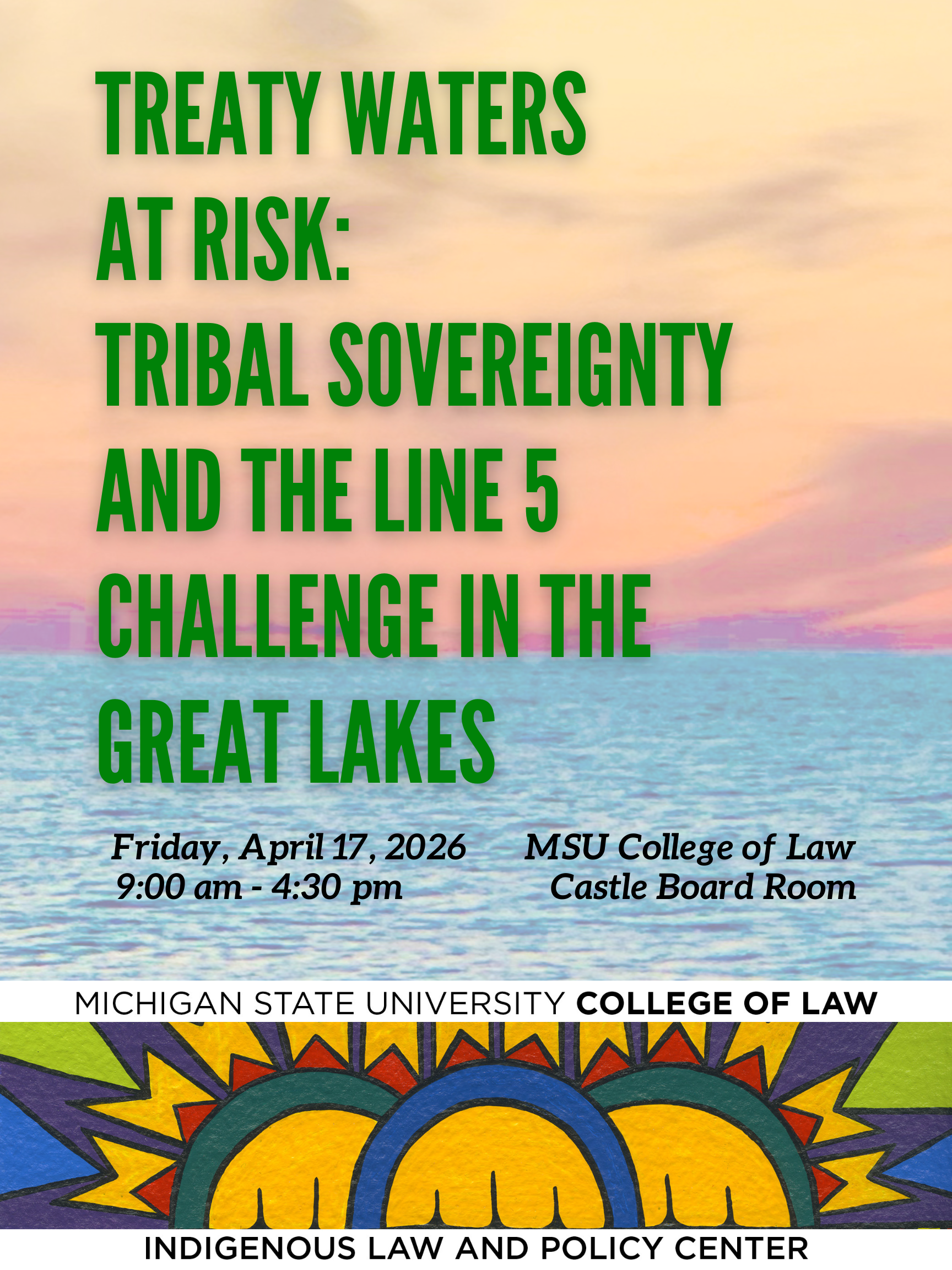
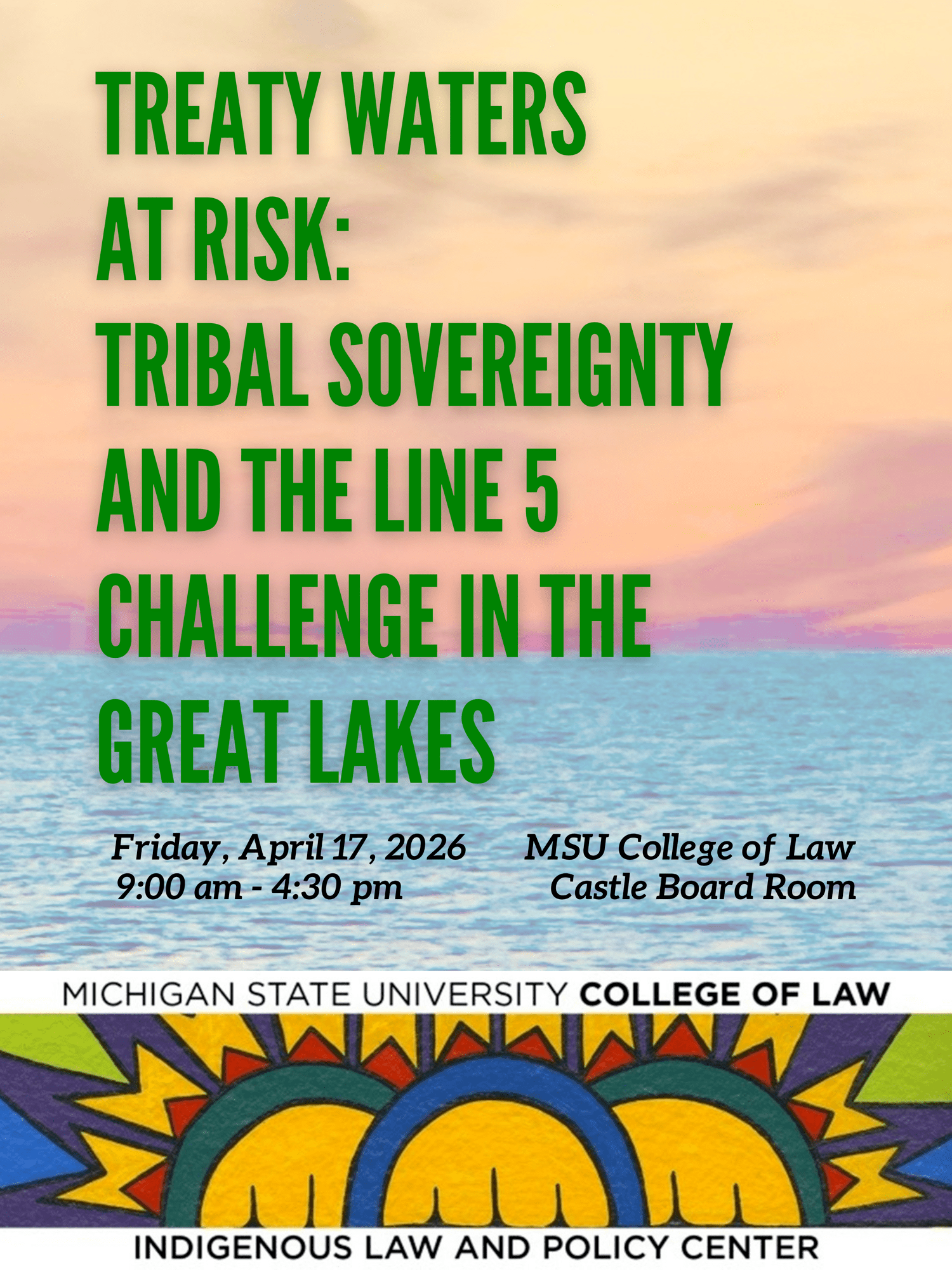
Join us at MSU Law for Treaty Waters at Risk: Tribal Sovereignty and the Line 5 Challenge in the Great Lakes, a one-day conference on Friday, April 17, 2026, examining the legal and environmental stakes of energy infrastructure in treaty-protected waters.
Featuring a keynote by Whitney Gravelle, MSU Law and ILPC alumna and President of the Bay Mills Indian Community, the program brings together leading voices to discuss treaty rights, co-management, and the ongoing Line 5 conflicts at Bad River and the Straits of Mackinac.

Marcia Ann Zug has posted “‘In My Defense, I Have None:’ Taylor Swift, Indian Law, And A Re-Examination Of Custom’s Inapplicability In The United States,” forthcoming in the Harvard Journal of Environmental Law, on SSRN. Here is the abstract:
Traditions matter. They connect people with their past and provide a sense of identity and community in the present. When they disappear, the opposite occurs; individuals are left isolated and detached. The common law doctrine of custom was crafted to protect community customs and traditions, yet for centuries, American courts have repeatedly declared this doctrine inapplicable and irrelevant. This Article demonstrates that the inapplicability of customary law in the United States has been greatly exaggerated. More specifically, this Article shows it was a deliberate fabrication created to justify both the seizure of native lands and the commencement of the American Revolution. Acknowledging this shameful history, which includes the centuries-long erasure of native nations and the modern-day denial of tribal rights, demands the reexamination of the doctrine of custom, and its alleged inapplicability. This Article explores how and why custom was declared dead in America while also advocating for its revival. Custom defines who we are, and the doctrine of custom provides an essential framework for protecting the cultural practices that shape our collective identity. Safeguarding our customs-from what we eat, to where we play-is vitally important. Unfortunately, current methods of protection are limited and largely ineffective. Reviving customary law offers a potential solution that will benefit all Americans while also addressing the particular injustice of declaring native customs, and by extension, native people, irrelevant.
Grand Christensen has posted “Indian Deference” forthcoming in the University of Chicago Law Review, on SSRN. Here is the abstract:
The Supreme Court’s decision in Loper-Bright Enterprises v. Raimondo, 144 S. Ct. 2244 (2024), formally retired Chevron deference. By rejecting the long-standing presumption that courts should defer to an agency’s reasonable interpretation of ambiguous statutes, Loper-Bright reshapes the relationship between the judiciary and the executive branch. Yet this shift poses unique challenges in the field of federal Indian law, where agency decisions have long been essential to the implementation of the federal government’s trust responsibility to Indian tribes. This Article argues that despite Loper-Bright’s general rejection of Chevron, federal courts are obligated to defer to federal agency decisions involving Indian tribes. This deference is a distinct, sui generis doctrine grounded in constitutional structure, history, and the unique status of tribal nations.
Federal Indian law has always occupied a special place in the constitutional order, one shaped by the trust relationship between the United States and tribal nations. When federal agencies act pursuant to statutes and treaties embodying that trust, their decisions do not merely interpret general administrative policy, they execute sovereign obligations owed to another Nation. Judicial deference in this context therefore protects not just agency expertise but also the political accountability of the elected branches, which are constitutionally charged with managing relations between the United States and tribes. The elimination of Chevron’s framework should not be read to eliminate this constitutionally anchored respect for the federal government’s political and moral commitments to tribal self-determination.
The implications are profound for federalism and for Indian law. Judicial deference to agency decisions in Indian affairs aligns with both Article III’s limits on judicial power and the federal government’s trust obligations. Judicial modesty in this arena reinforces the proper constitutional balance among the branches, ensuring that the courts do not displace the executive’s policy judgments or the legislature’s political commitments toward tribal nations. Recognizing the Indian deference doctrine honors the jurisprudential history of tribal-federal relations, safeguards tribal sovereignty, and preserves the integrity of federal Indian law.

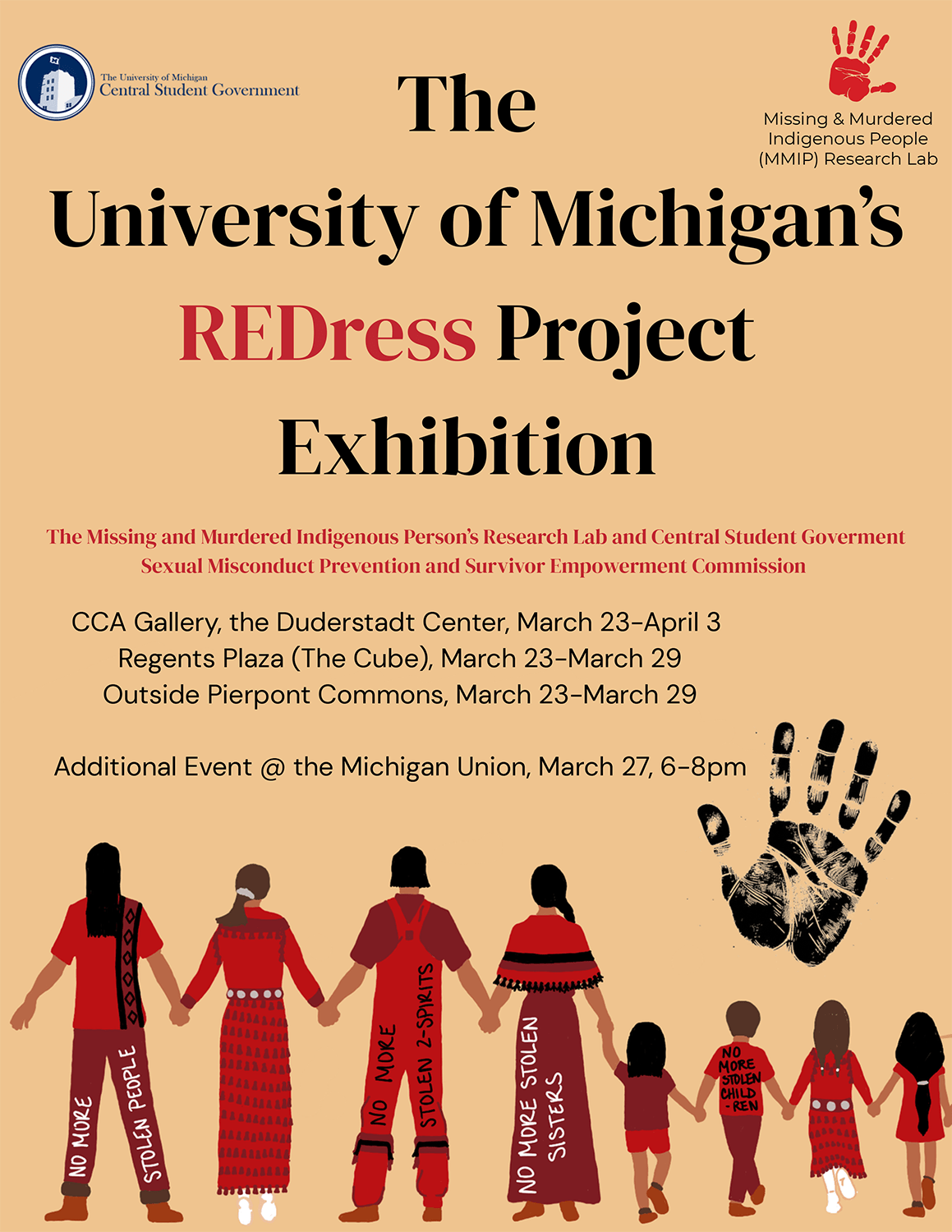
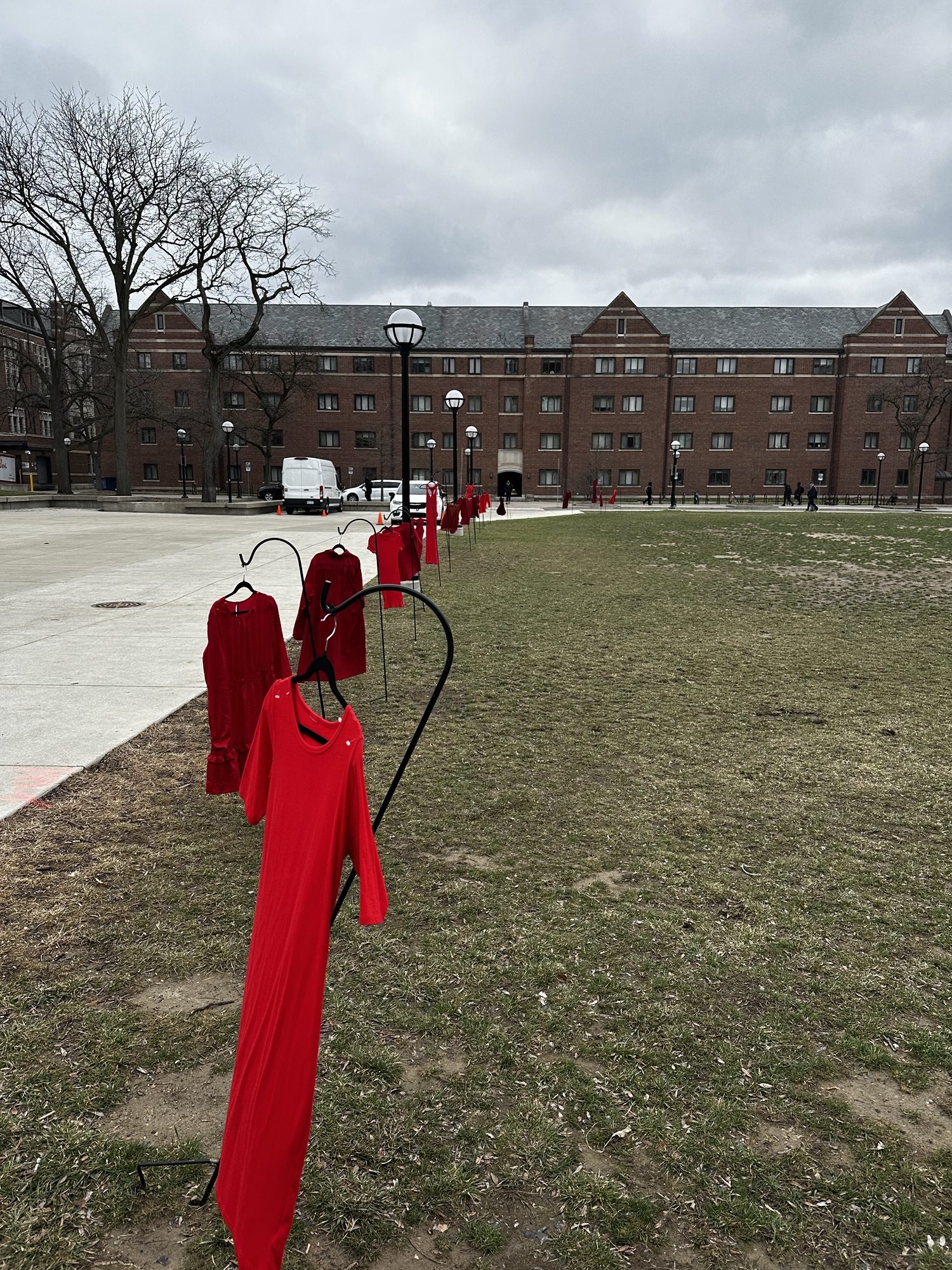
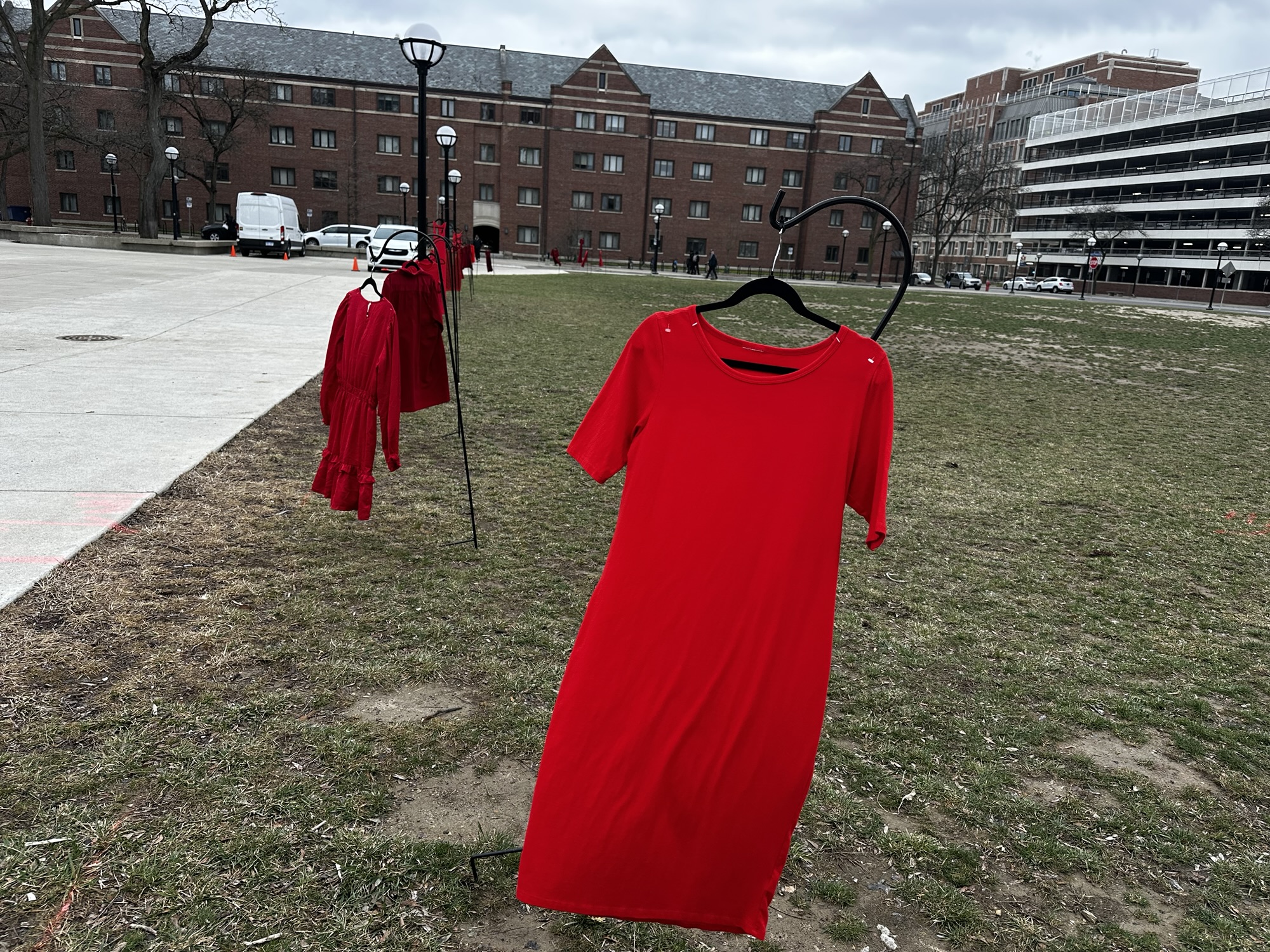
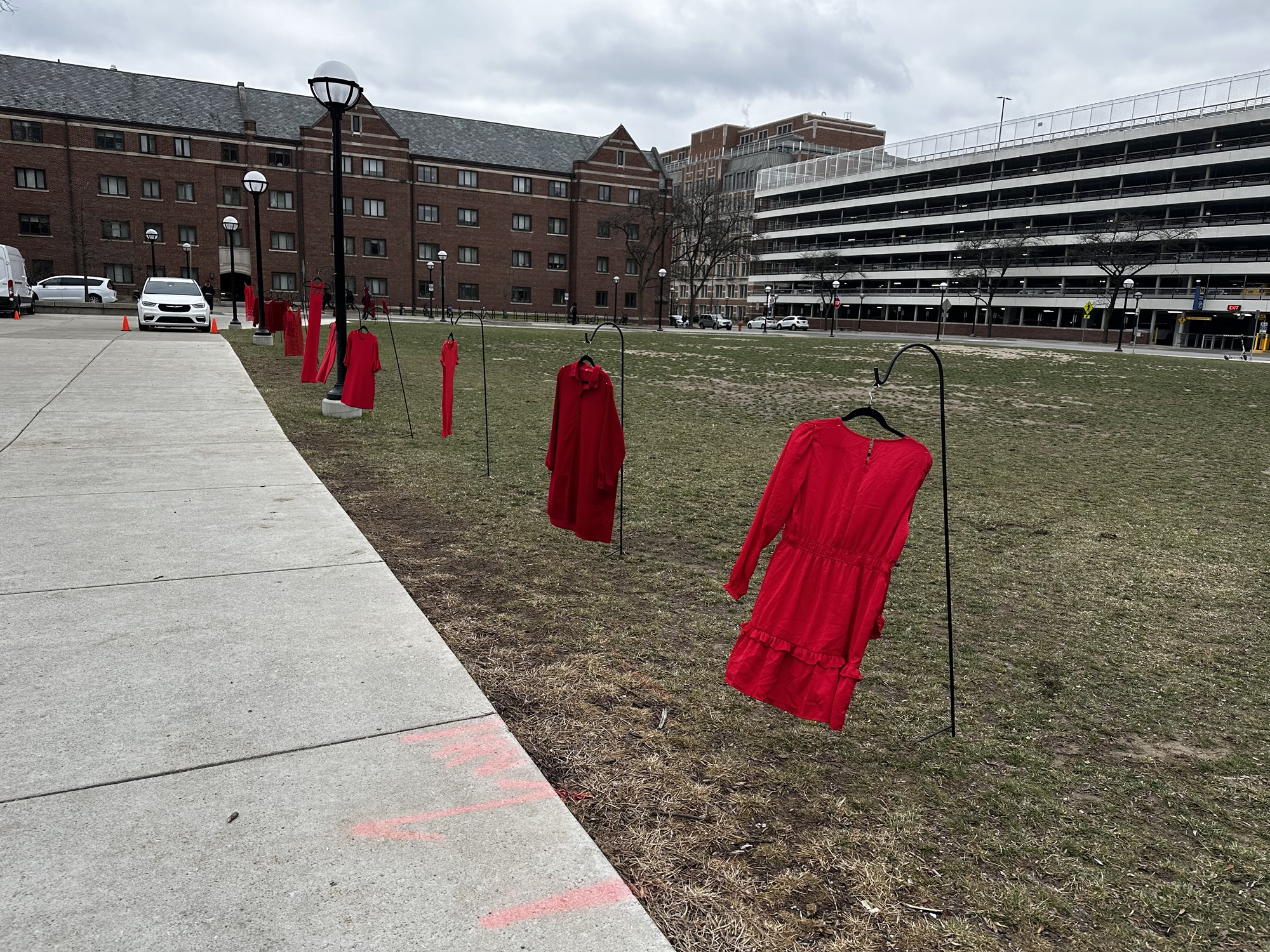
Hainipi, Boozhoo, Aaniin, Chokma, Yá’át’ééh, Imaynallan, Mohtompan wunne, Posoh, ᎣᏏᏲ, Lios em chaniavu, Ske:g taş: Greetings from the Native American Law Students Association (NALSA) at Michigan Law! Please join us for our inaugural NALSA Banquet to celebrate Indigeneity and be in community.
Tickets available through the Michigan Union ticket office here.
Even if you cannot attend, please consider buying tickets as a donation.
 Turtle Talk
You must be logged in to post a comment.