Ninth Circuit Briefs in Tribal Disenrollee (San Pasqual Band of Diegueño Mission Indians) Suit against Interior

Here are the briefs in Alto v. Jewell:

Alto Opening Brief

Federal Answer Brief

San Pasqual Band Amicus Brief

Reply Brief

Lower court briefs here.

Ninth Circuit Briefs in County of Amador v. DOI & No Casino in Plymouth v. Jewell

Here are the briefs in County of Amador v. Dept. of Interior:

Opening Brief

Federal Answer Brief

County Reply

Other briefs TK

Here are the briefs in No Casino in Plymouth v. Jewell:

Opening Brief

Federal Answer Brief

Ione Band Answer

NCIP Reply

Lower court materials for both cases here.

Ninth Circuit Rejects Oklevueha NAC Religious Freedom Claims to Cannibis

Here is the opinion in Oklevueha Native American Church v. Lynch.

From the syllabus:

The panel affirmed the district court’s summary judgment in favor of federal officials, and held that the district court properly denied the plaintiffs – Oklevueha Native American Church of Hawaii, Inc. and its founder, Michael Rex “Raging Bear” Mooney – an exemption from federal laws prohibiting the possession and distribution of cannabis.
Concerning plaintiffs’ claimed violation of the Religious Freedom Restoration Act, the panel held that even assuming that plaintiffs’ use of cannabis constituted an “exercise of religion,” no rational trier of fact could conclude on the record that a prohibition of cannabis use imposed a “substantial burden” on plaintiffs’ exercise of religion. Specifically, the panel held that nothing in the record demonstrated that a prohibition on cannabis forced plaintiffs to choose between obedience to their religion and criminal sanction, such that they were being coerced to act contrary to their religious beliefs; and this was fatal to their claim. The panel also held that plaintiffs’ admission that cannabis was merely a substitute for peyote also distinguished their case from Holt v. Hobbs, 135 S. Ct. 853 (2015) (holding that there was a Religious Land Use and Institutionalized Persons Act violation where the prison’s refusal to grant a Muslim inmate a religious exemption to grow a half-inch beard forced him to choose between a violation of his religious beliefs or face serious disciplinary action).

Briefs here.
Navajo Prevails at Ninth Circuit in NAGPRA Dispute with DOI

Here is the opinion in Navajo Nation v. Dept. of Interior

 From the syllabus:

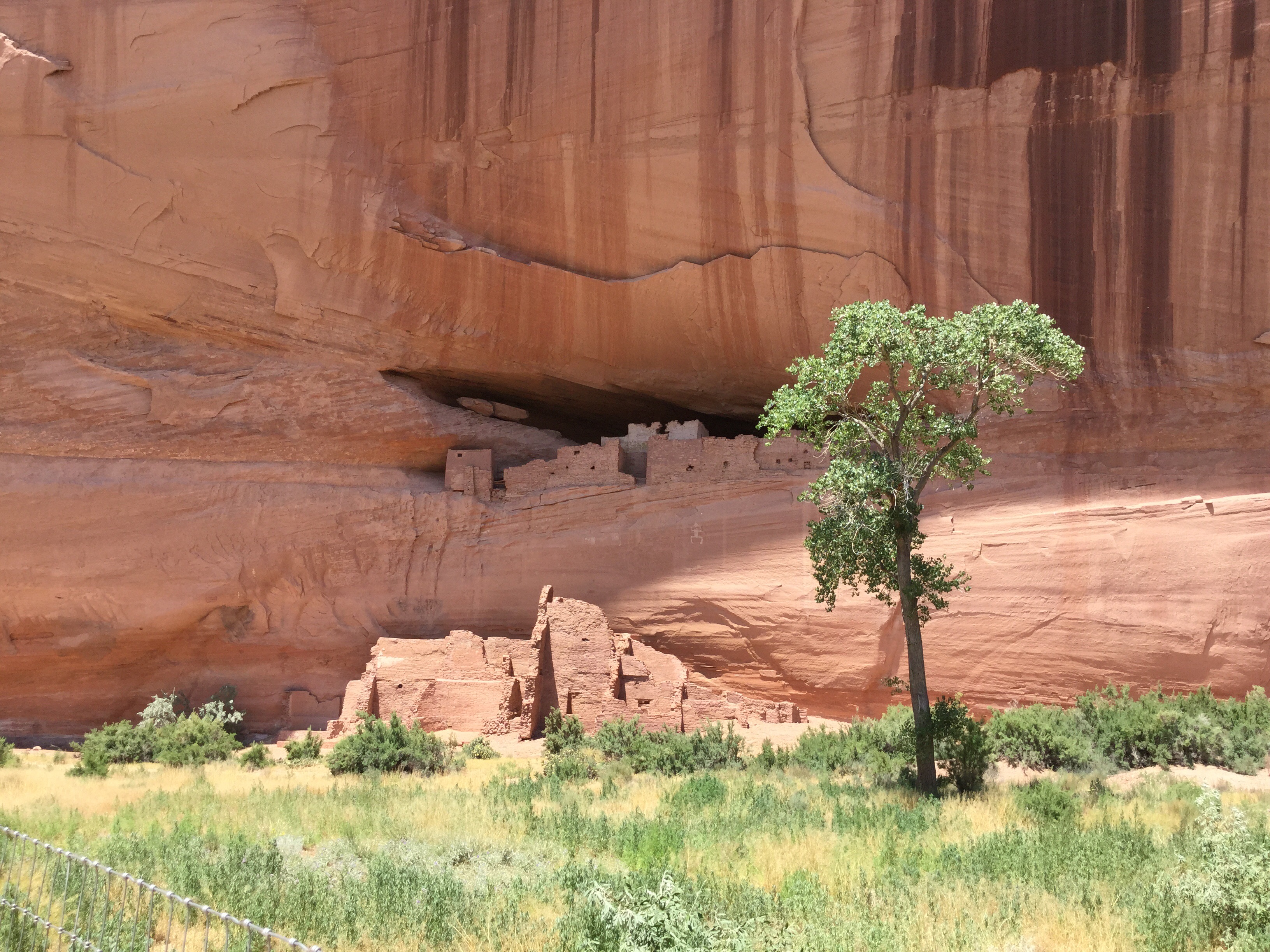
The panel reversed the district court’s dismissal of the Navajo Nation’s suit seeking an injunction ending the National Park Service’s inventory, pursuant to the Native American Graves Protection and Repatriation Act (“NAGPRA”), of human remains and funerary objects removed from the Canyon de Chelly National Monument on the Navajo Reservation; and the immediate return of the objects taken from the reservation.
The panel held that the district court had jurisdiction to consider the Navajo Nation’s claims because the Park Service’s decision to inventory the remains and objects was a final agency action within the meaning of the Administrative Procedure Act. The panel also held that by deciding to undertake NAGPRA’s inventory process, the Park Service conclusively decided that it, and not the Navajo Nation, had the present right to “possession and control” of the remains and objects. 25 U.S.C. § 3003(a). The panel remanded for further proceedings.

Judge Ikuta dissented.

Materials here.

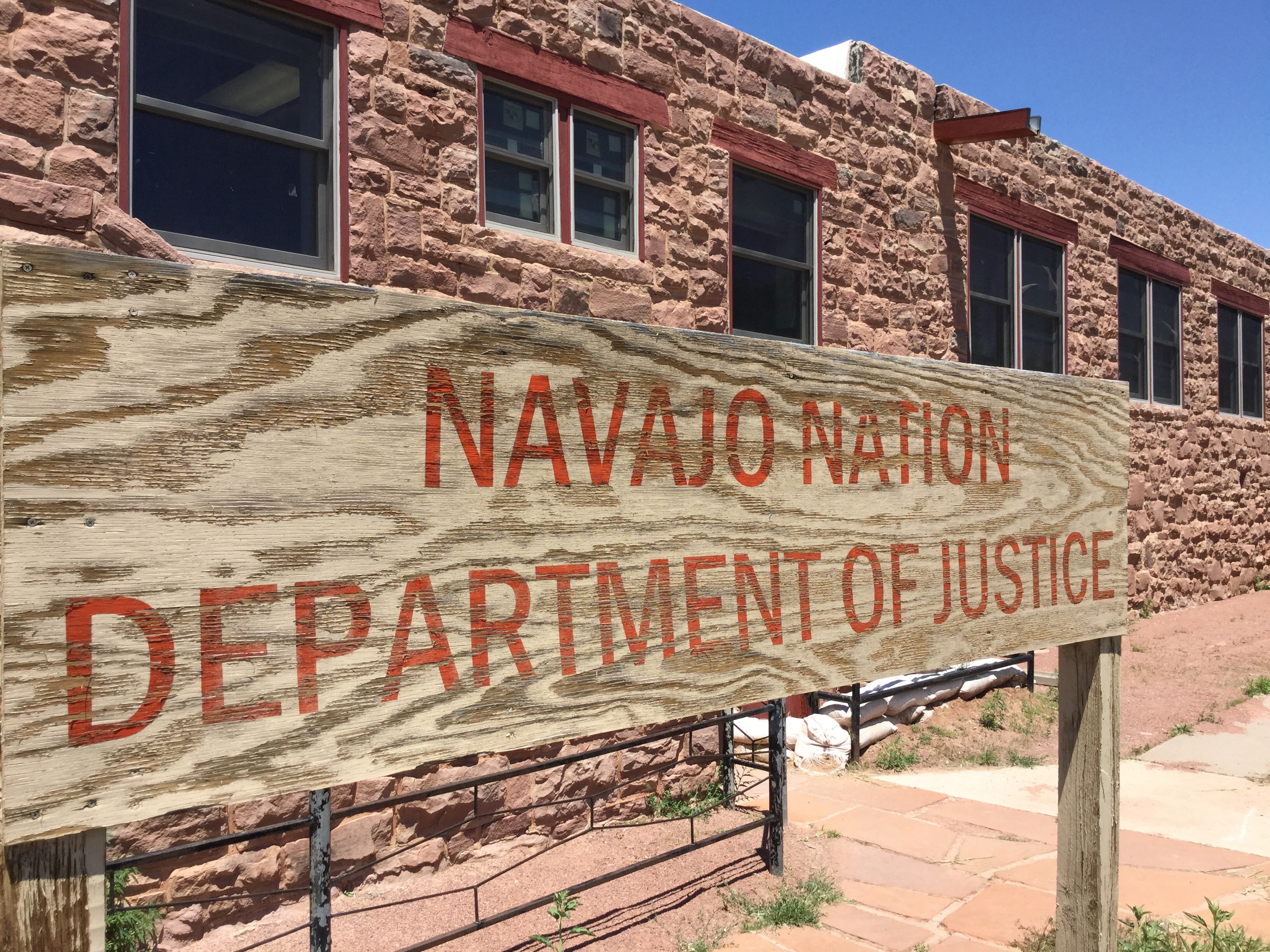
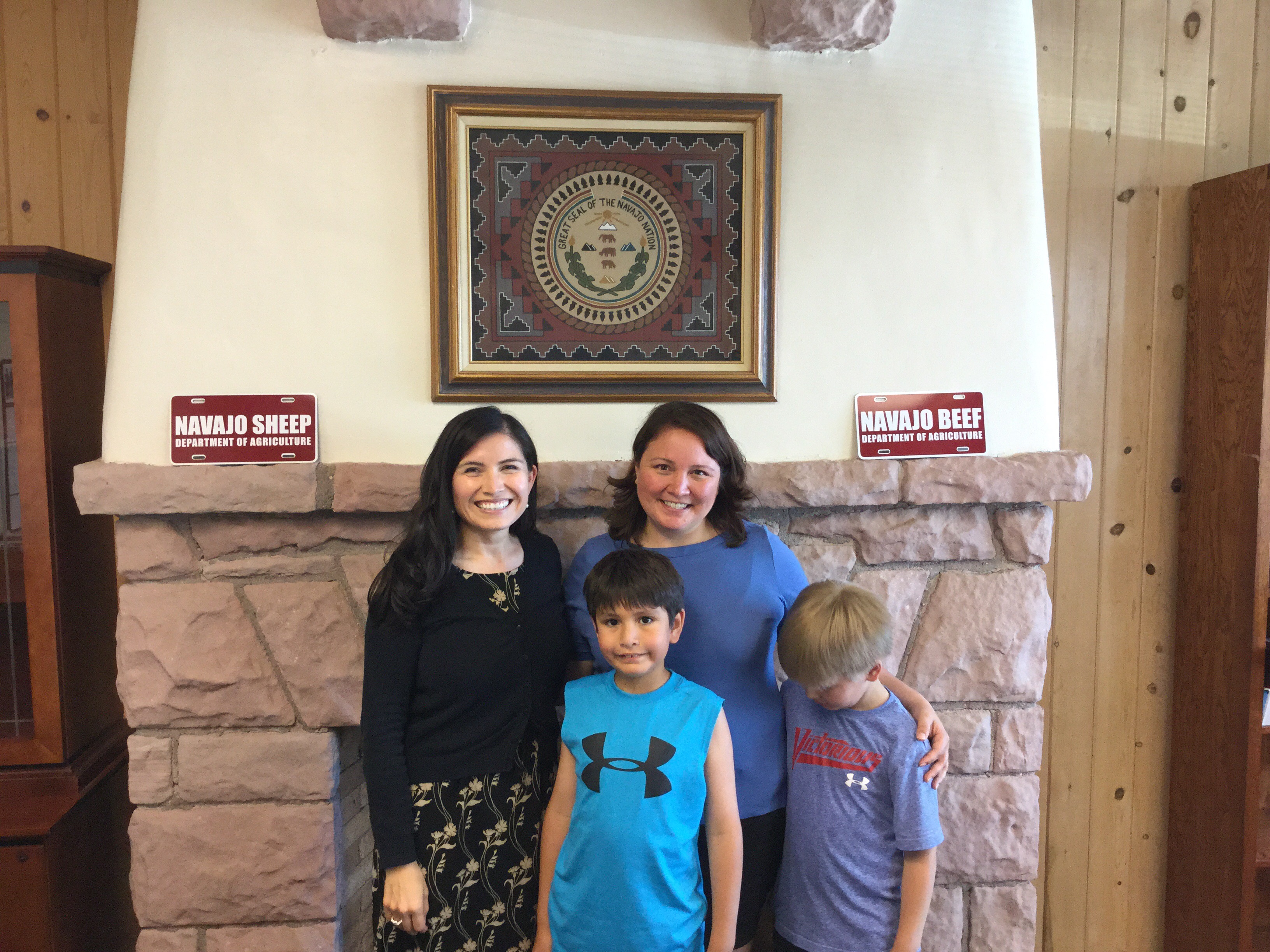
Congrats to the Navajo DOJ! 


Tohono O’Odham Prevails in Gaming Compact Dispute before Ninth Circuit

Here is the opinion in State of Arizona v. Tohono O’Odham Nation

Briefs and other materials here

Ninth Circuit Affirms Tribal Immunity from State Court Judgment & Award against Tribal Member Per Caps

Here are the materials in ABBA Bails Bonds v. Grubb (No. 13-56701) and Richard S. Held Retirement Trust v. Grubbe (No. 14-56701):

CA9 Unpublished opinion

ABBA Bail Bonds Opening Brief 13-56701

ABBA Bail Bonds Reply Brief 13-56701

Appellee Brief 13-56701

Appellee Brief 14-56760

Richard S. Held Retirement Trust Opening Brief 14-56760

Richard S. Held Retirement Trust Reply 14-56760

Ninth Circuit Materials in Paskenta Band v. Crosby

Here are the briefs:

Appellant Brief

Appellee Brief

Reply

Oral argument audio and video here.

Lower court materials here.

Materials in KPMG LLP v. Kanam

Here, filed in the District of Alaska, and now apparently pending in the Ninth Circuit:

4 KPMG Motion for PI

29 DCT Order Granting KPMG Motion for PI

36 KPMG Motion for Summary J

42 DCT Order Denying Removal

43 Kanam “Notice of Mootness”

44 KPMG Reply

50 DCT Order


Ninth Circuit Rejects Alaska’s Effort to Condemn Alaska Native Allotments

Here are the materials in State of Alaska v. United States:

CA9 Opinion

An excerpt:

The panel affirmed the district court’s dismissal of quiet title and declaratory judgment claims for lack of subject matter jurisdiction, and vacated the dismissal of a condemnation claim in a case involving a land dispute between the State of Alaska and two Alaska Natives, Agnes and Anne Purdy, concerning ownership of rights-of-way for four public trails that cross the Purdys’ land.

The Purdys acquired ownership of the parcels in question under the Alaska Native Allotment Act through allotments by the federal government. The State of Alaska contended that the allotments were subject to rights-of-way for four trails. Federal statute R.S. 2477, repealed in 1976, granted rights of way over public lands; it was self-executing; acceptance of a grant was determined by state law; and under Alaska law an R.S. 2477 grant could be accepted through public use.

Addressing the State of Alaska’s Quiet Title Act claim, the panel held that the State of Alaska’s quiet title claim was barred. The panel held that the United States was a necessary party to the claim because it held an interest in the Purdys’ allotments (by virtue of the restraint on alienation), and recognition of the R.S. 2477 rights-of-way would impair the United States’ interest. The panel further held that the United States had not waived its immunity from suit pursuant to the Quiet Title Act’s Indian lands exception, which preserves the United States’ immunity from suit when the United States claims an interest based on that property’s status as trust or restricted Indian lands.

The panel concluded that the district court properly dismissed the claim for lack of subject matter jurisdiction. The panel held that the district court correctly dismissed the State of Alaska’s claim for declaratory relief under 28 U.S.C. § 2201, which sought essentially the same relief as the quiet title claim.

Addressing the State of Alaska’s condemnation claim against the Purdys and the United States under 25 U.S.C. § 357, the panel held that although the district court had subject matter jurisdiction to hear the State’s condemnation claim, the claim could not proceed as pleaded. The panel held that the United States was an indispensable party to the claim. The panel further held that the district court erred in dismissing the claim on the ground that the United States had not waived its sovereign immunity because Congress waived the government’s immunity with respect to such claims. The panel also held that the United States’ express consent to the condemnation claim was not required. The panel concluded that the State improperly pleaded its condemnation claim, and remanded so that the State may be given an opportunity to amend the claim if it so chooses.

Opening Brief

Purdy Brief

Tanana Chiefs Conference Brief

US Brief

Reply


9th Cir. Cites Standing in Dismissal for La Cuna De Aztlan Sacred Sites Protection Circle Advisory Committee v. DOI

Doc. 47 – Memorandum

Excerpt:

Plaintiffs have failed to establish standing to pursue a claim under Sections 1702 and 1705 of the EPAct, 42 U.S.C. §§ 16512, 16516. To demonstrate individual standing, a plaintiff must “have suffered or be imminently threatened with a concrete and particularized ‘injury in fact’ that is fairly traceable to the challenged action of the defendant and likely to be redressed by a favorable judicial decision.” Lexmark Int’l, Inc. v. Static Control Components, Inc., 134 S.Ct. 1377, 1386 (2014) (citing Lujan v. Defs. of Wildlife, 504 U.S. 555, 560 (1992)).  Even if we assume Plaintiffs adequately pled injury-in-fact and redressability, they have not sufficiently alleged causation. Plaintiffs make a conclusory allegation that the Genesis Solar Energy Project (“Project”) would not have gone forward without the federal loan guarantee, but they allege no supporting facts. Plaintiffs have failed to demonstrate that their alleged injury—suffering harm to environmental and cultural resources at the Project site—is “fairly traceable” to the Federal Defendants’ approval of the loan guarantee for the Project.