D.C. Federal Court Awards $15M+ to Navajo Nation for Judicial Costs under PL638

Here are the materials in Navajo Nation v. United States (D.D.C.):

17 Navajo MSJ

19-1 US Cross Motion

21 Navajo Reply

23 US Reply

White Earth Ojibwe Appellate Court Dismissed Manoomin Suit against Minnesota DNR

Here is the order in Minnesota Dept. of Natural Resources v. Manoomin dated March 10, 2022:

Prior post here.

SCOTUS Denies Two Indian Law Related Petitions

Here is today’s order list.

The Court denied Samish v. Washington, an effort by the tribe to assert treaty rights, and Hawkins v. Haaland, a challenge to the Klamath Tribes’ regulation of the Klamath River.

Our Overworked Supreme Court

Strict Scrutiny Podcast on Brackeen Cases

Here is “Going Down Clutching the Constitution.”

Marshall Project: “California’s Longest Serving Death-Row Prisoner On Pain, Survival and Native Identity”

Here.

PAIGE PETTIBON FOR THE MARSHALL PROJECT

Semi-Split Tenth Circuit Decides Chegup v. Ute Indian Tribe of the Uintah and Ouray Reservation [banishment]

Here is the opinion.

Briefs here.

An excerpt:

We begin by discussing the tribal exhaustion doctrine involved in this case. “[W]hen a federal court has subject-matter jurisdiction over a claim arising in Indian country over which a tribal forum has colorable jurisdiction, principles of comity and the federal policy of promoting tribal self-government generally require that the plaintiff fully exhaust tribal remedies before proceeding in federal court.” Restatement of the Law of Am. Indians § 59 cmt. a (Am. Law Inst., Proposed Final Draft 2021).

slip op. at 14.

Maybe a little more Restatement. . . .

Post–Santa Clara Pueblo, federal review has been limited to habeas, leaving tribal courts to adjudicate any other civil rights claims. See Restatement of the Law of Am. Indians § 16 cmt. a (“With the exception of actions for habeas corpus relief [under § 1303, ICRA’s civil rights] guarantees are enforceable exclusively in tribal courts and other tribal fora.”).

slip op. at 21.
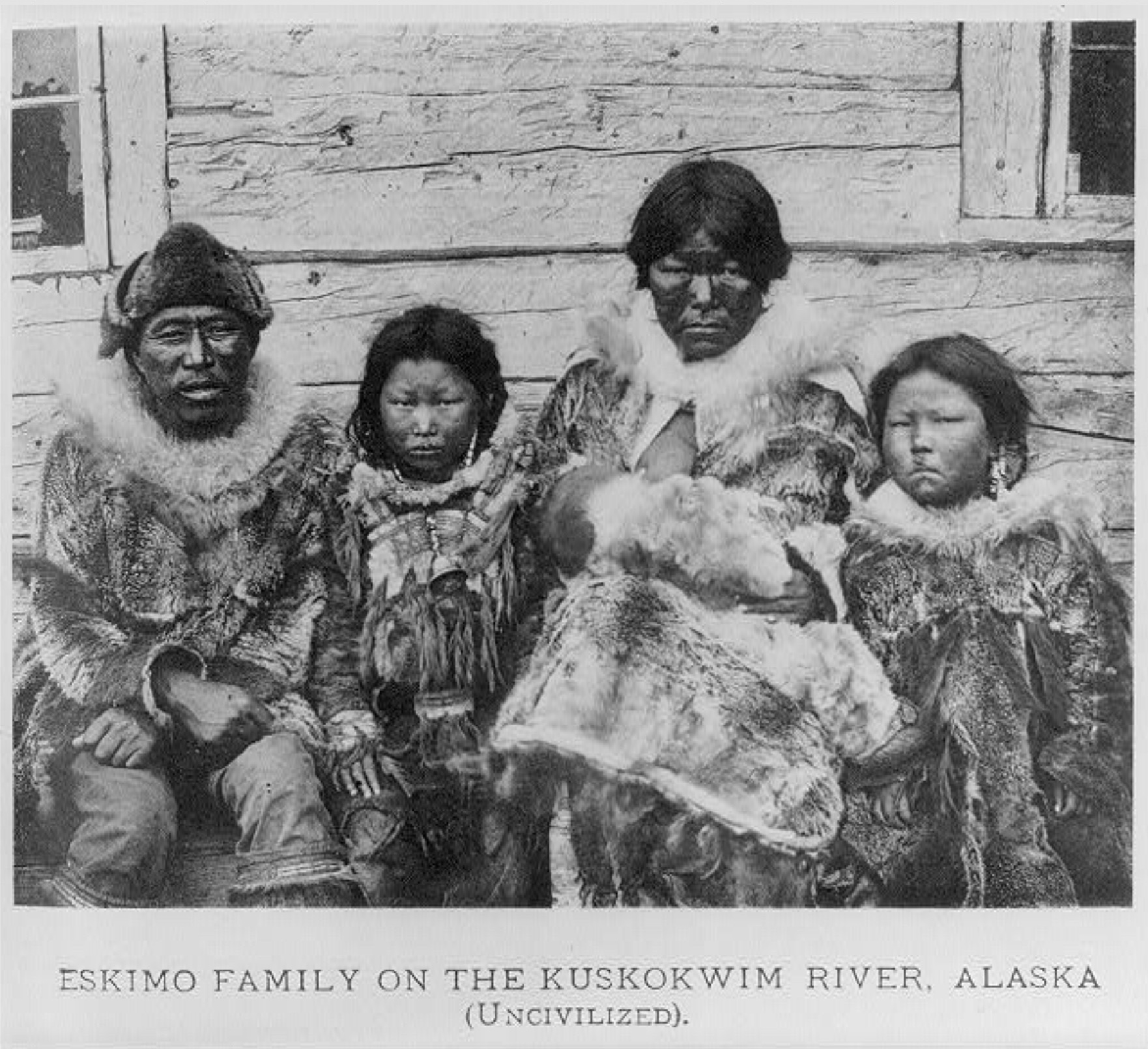
Ute Indians camped at Belle Fourche, South Dakota, who are dissatisfied with their treatment: Capt. Johnson, with the Sixth Cavalry from Ft. Meade, S.D., addressing Indians, who they were sent to arrest

And more. . . .

Tribal exhaustion doctrine exists to preserve tribal sovereignty and prevent the federal courts from running roughshod over tribal legal systems. See Norton, 862 F.3d at 1243; Restatement of the Law of Am. Indians § 28 cmt. a (“[A]djudication of matters impairing reservation affairs by any nontribal court . . . infringes upon tribal law-making authority, because tribal courts are best qualified to interpret and apply tribal law.”).

Slip op. at 34.

Video of Roger Williams University Law Review Indian Law Symposium 2021

Jim Diamond helpfully made a concordance of where the various talks appear during the symposium:

Ninth Circuit Approves Land Exchange over Enviros’ Objections to Allow King Cove Corp. to Build a Road through the Izembek National Wildlife Refuge

Here is the opinion in Friends of Alaska National Wildlife Refuges v. Haaland.

Izembek National Wildlife Refuge

Anchorage Daily News coverage.

Briefs:

City of Cold Bay and that dangerous airport

VAWA 2022 White House Fact Sheet

Here.

An excerpt:

Expanding special criminal jurisdiction of Tribal courts to cover non-Native perpetrators of sexual assault, child abuse, stalking, sex trafficking, and assaults on tribal law enforcement officers on tribal lands; and supporting the development of a pilot project to enhance access to safety for survivors in Alaska Native villages.

Designed by Nez Perce artist Helen Goodteacher to support The Native American Alliance for Policy and Action MMIW events in 2021

Section 903 of H.R. 1602 (which is what I assume Congress adopted) includes the additional crimes that Indian tribes may not prosecute against non-Indians:

Continue reading