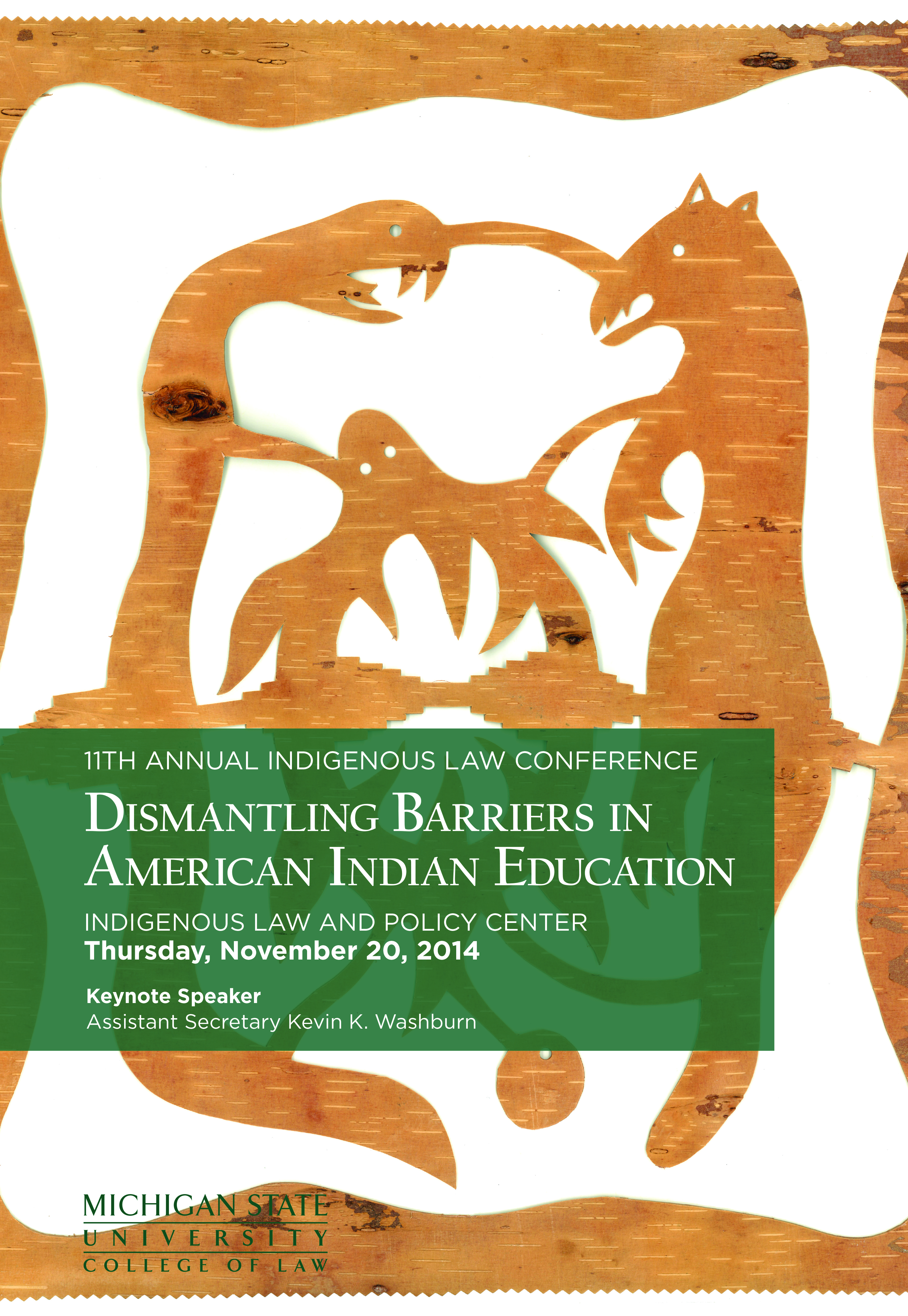
Keynote speaker Kevin Washburn
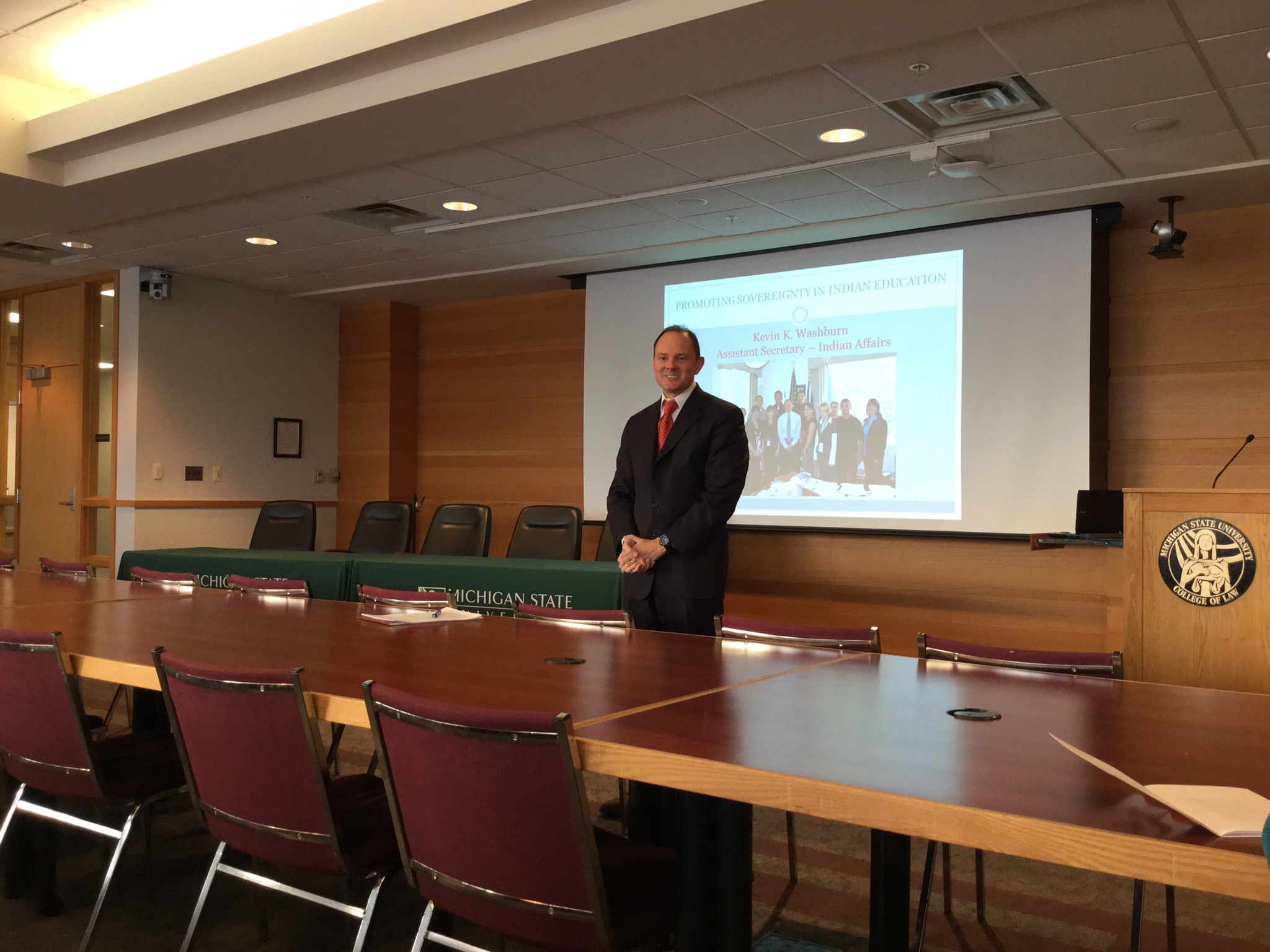
Dean Howarth and Assistant Secretary Washburn

NALSA Representing


Tribal In House Counsel Reps — Doreen and Liz

Hungry Indians


Zaagi’idiwaag

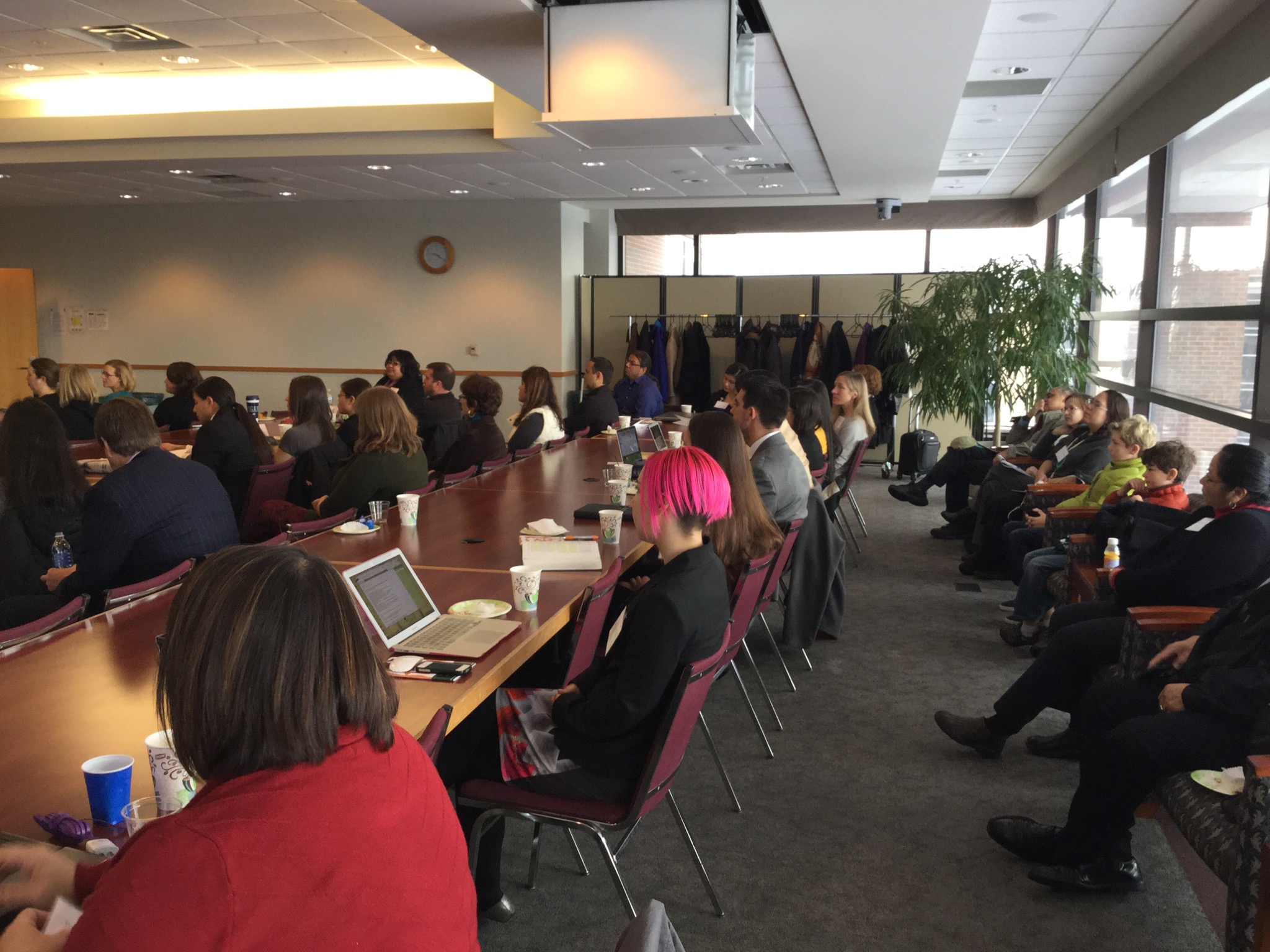
The keynote



Keynote speaker Kevin Washburn
Dean Howarth and Assistant Secretary Washburn
NALSA Representing
Tribal In House Counsel Reps — Doreen and Liz
Hungry Indians
Zaagi’idiwaag
The keynote
Here. The amendment appears minor:
At Slip Op. 22, 768 F.3d at 974, the sentence beginning with <The Indian preference exemption> and ending with <does not extend to Indians.> is deleted and replaced with:
The Indian preference exemption contained in Section 703(i) is therefore necessary to clarify that Title VII’s prohibition against racial or national origin discrimination does not extend to preferential hiring of Indians living on or near reservations.
Panel materials here.
Here is “The Shrinking Sovereign: Tribal Adjudicatory Jurisdiction Over Nonmembers in Civil Cases,” (PDF) published in the Columbia Law Review.
Here is the abstract:
Tribal jurisdiction over nonmembers is limited to two narrow areas: consensual economic relationships between tribes and nonmembers, and nonmember activity that threatens tribal integrity. Even within these two narrow fields, the Supreme Court has stated that tribal adjudicatory power over nonmembers—the authority to decide legal rights of individuals, usually in a trial-like setting—cannot exceed the tribe’s legislative power over nonmembers—the power to regulate nonmember activity through the enactment of legislation and regulation. This raises a question that the Court has acknowledged but never answered: whether a tribe may exercise adjudicatory authority over nonmembers as a result of its legislative power. More simply put, is a tribe’s adjudicatory jurisdiction over nonmembers less than, or equal to, its legislative power?
This Note argues that tribes should have concurrent regulatory and adjudicatory jurisdiction over nonmembers in disputes based on consensual economic relationships, but tribal regulation concerning tribal integrity should be subject to greater federal court oversight. Tribal courts should have presumptive jurisdiction to enforce tribalintegrity regulations; however, proof that the tribal court is unfair or inaccessible to nonmembers should permit federal courts to intervene. By drawing on analogous principles in administrative law, civil procedure, and the law of federal courts, this Note provides a workable solution that is consistent with existing Supreme Court tribal law jurisprudence, that conforms with the normative values shaping jurisdiction in other contexts, and that also respects tribal sovereignty.
Here are the materials in State of California v.Iipay Nation Of Santa Ysabel (S.D. Cal.):
Here (PDF):
Here.
Pre-meeting



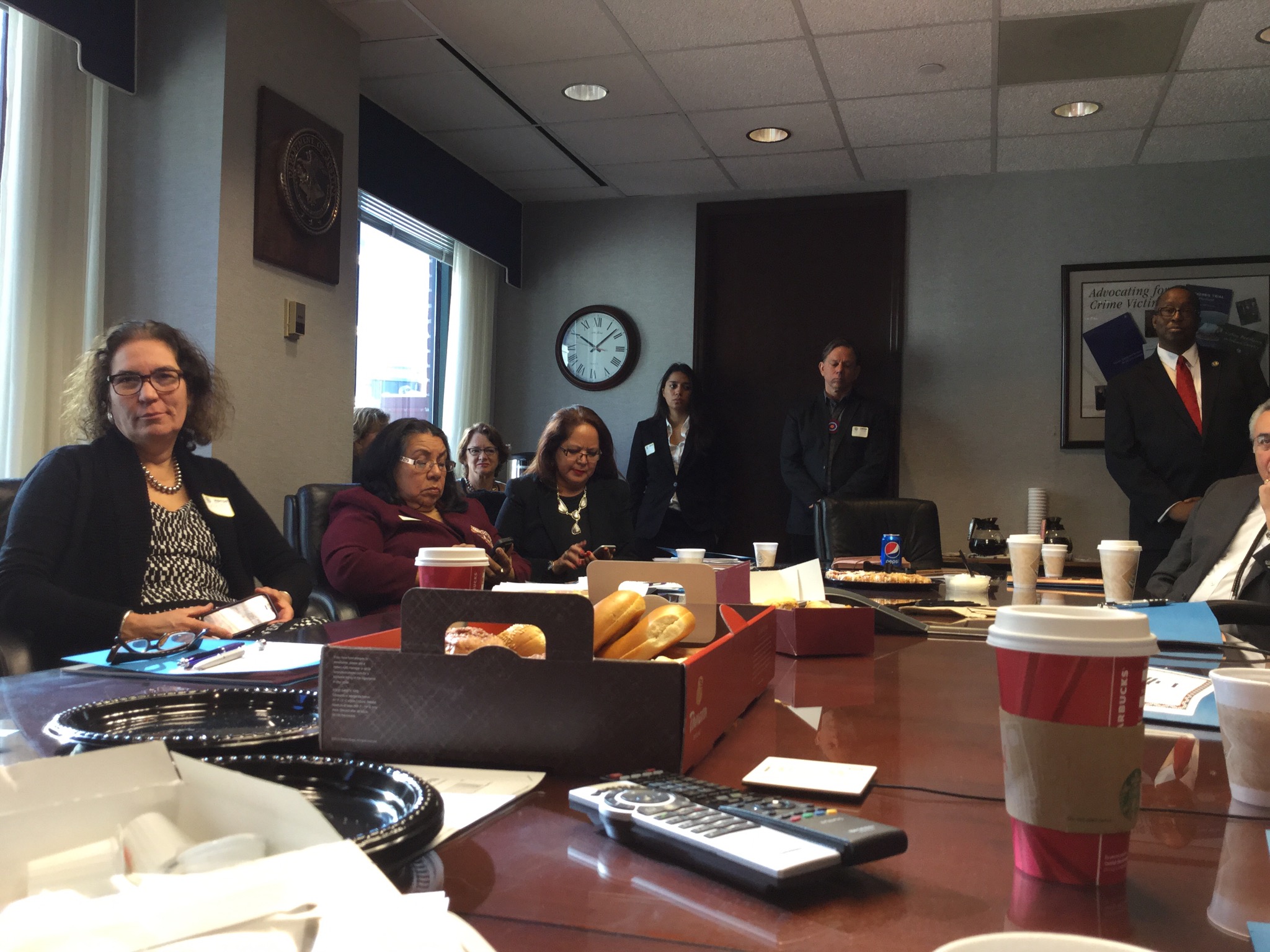
Meeting with Coordinating Council on Juvenile Justice and Delinquency Prevention

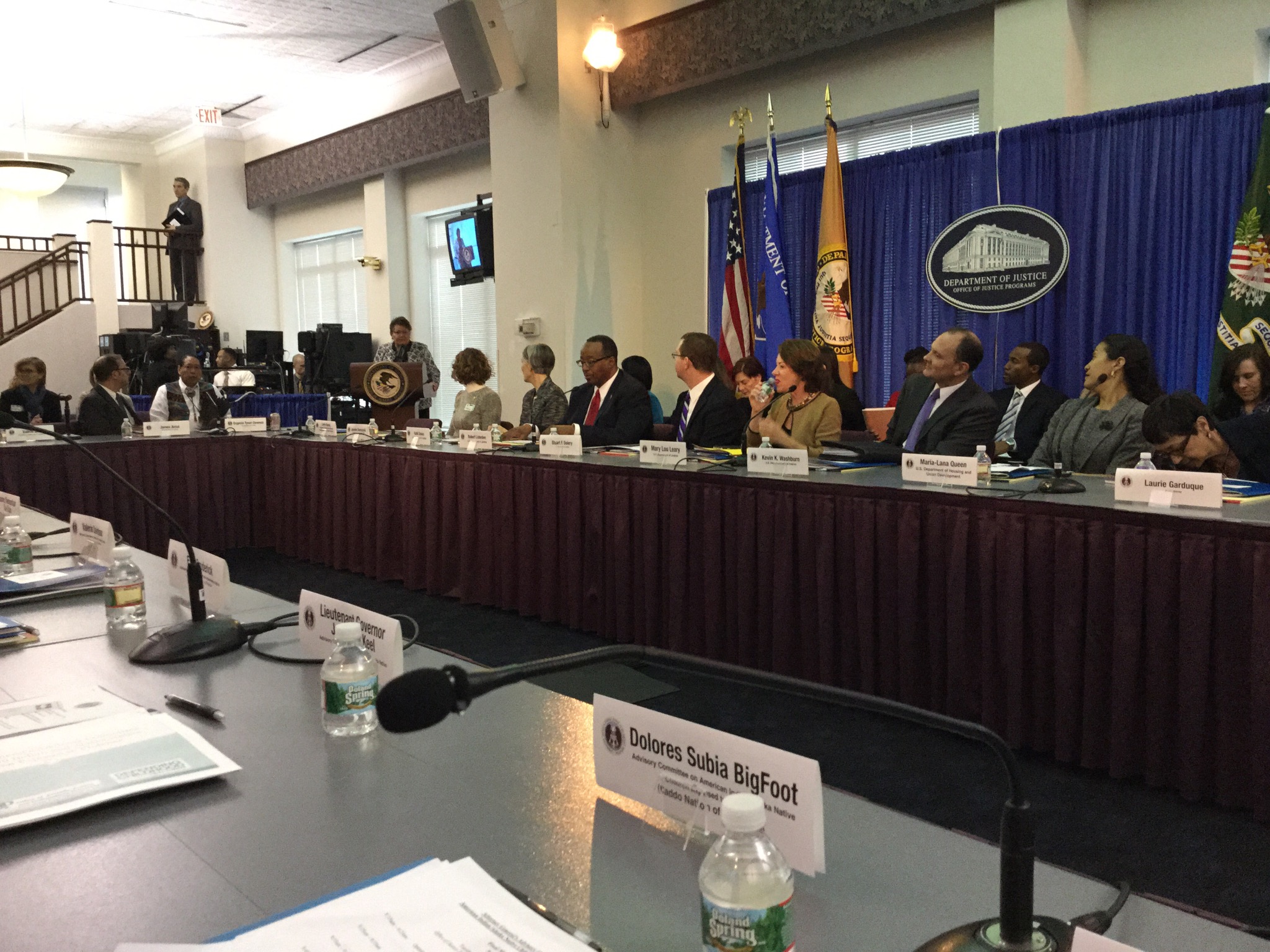
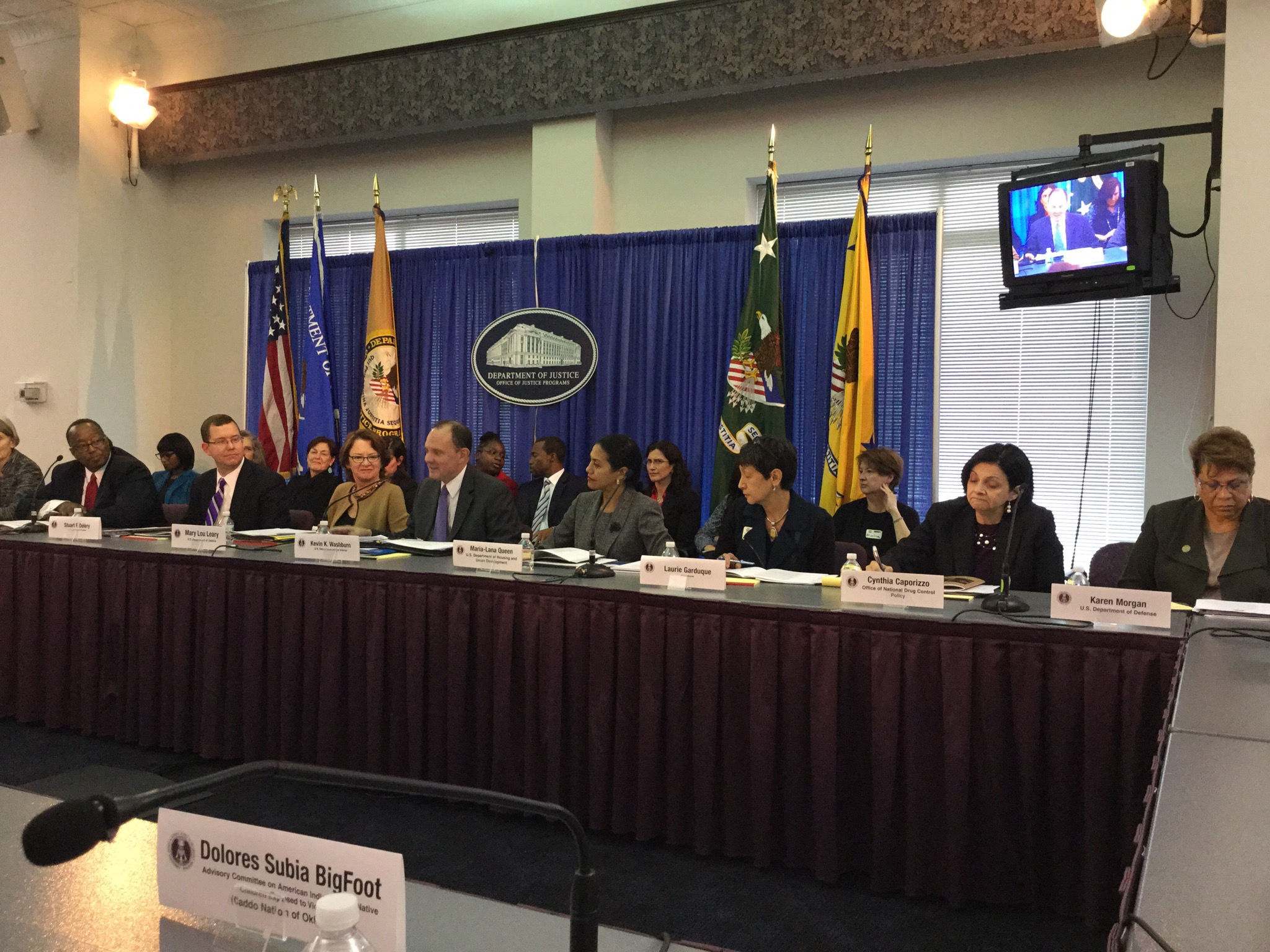
Ryan D. Dreveskracht has posted his new paper, “Forfeiting Federalism: The Faustian Pact with Big Tobacco,” (PDF) just published in the Richmond Journal of Law and Public Interest.
Here is the abstract:
This article discusses the effects of the largest legal settlement in United States history: the so-called Master Settlement Agreement, or “MSA.” Part I discusses the settlement generally, and its intended effect on the U.S. tobacco market. Parts II through IV discuss the unintended consequences of the settlement. Specifically, Part II considers how states got into their current disarray, and how a perceived state windfall of billions of dollars ended up putting states on what by all accounts now appears to be very real risk of insolvency. Part III examines how the major tobacco companies are using the states’ dire financial condition to stifle tribal sovereignty and Indian industry. Part IV analyzes the federal government’s role in similar oppressive tactics. The concluding section suggests lessons that might be learned from the MSA.


You must be logged in to post a comment.