Here:
Lower court materials here and here.

Robert Williams has published “Kicking Native People Off Their Land Is a Horrible Way to Save the Planet” in the New York Times.
PDF here:

Eric Eisner has published “The Law-of-Nations Origins of the Marshall Trilogy” in the Yale Law Journal. PDF
Here is the abstract:
Federal Indian law is sometimes seen as a purely domestic part of American law, but its origins are in the law of nations. The Marshall Trilogy—Johnson v. M’Intosh, Cherokee Nation v. Georgia, and Worcester v. Georgia, three Supreme Court decisions authored by Chief Justice Marshall that are foundational for American federal Indian law—relied on law-of-nations sources. In particular, The Law of Nations, an eighteenth-century treatise by Emer de Vattel, provided a central influence on Marshall’s opinion in Worcester. In early national American legal thought, Vattel was a leading authority on the law governing the rights and obligations subsisting among nations. Recognizing the important role that the law of nations played in the foundations of federal Indian law under-scores the deep roots of tribal sovereignty in American law and clarifies current doctrinal disputes.
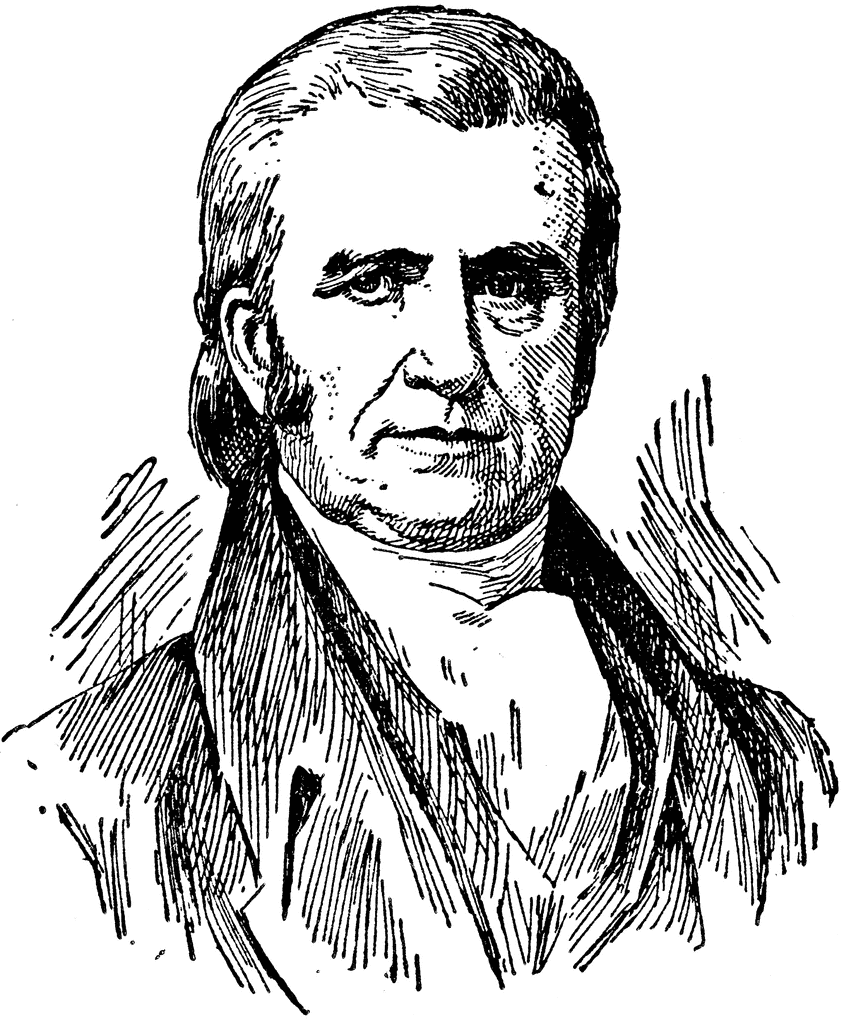
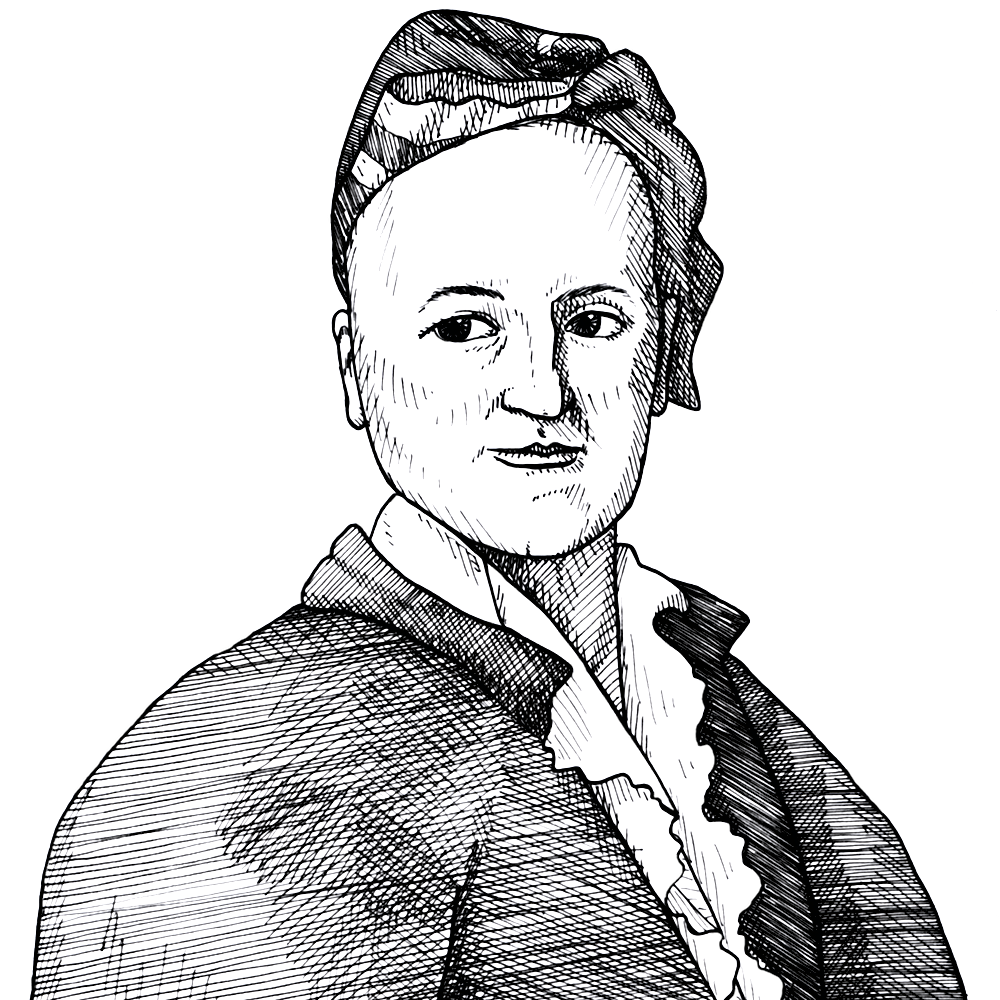
Who would win in a fight?
Here:
Job No: 929098
Position Summary
Reporting to the Vice Provost for University Outreach and Engagement, a unit under MSU’s Provost Office, the Director will have full responsibility for all administrative functions including budget, human resources, and operations of the Institute.
The mission of the Native American Institute is to produce and further scholarship and programming for the benefit of tribes, American Indian communities, and Native organizations. NAI supports campus and community collaboration and provides opportunities for faculty, staff, students, and the public to learn about issues facing American Indians and Indigenous peoples.
Through these efforts, NAI promotes sovereignty, self-determination, cultures, languages, traditional knowledge, capacitybuilding, leadership, and well-being as defined by tribes, American Indian communities, and Native organizations.
DUTIES
The Director of NAI will:
Equal Employment Opportunity Statement
All qualified applicants will receive consideration for employment without regard to race, color, religion, sex, sexual orientation, gender identity, national origin, citizenship, age, disability or protected veteran status.
Required Degree
Doctorate -JD or another terminal degree
Minimum Requirements
Required Application Materials
Special Instructions
Review of applications will begin March 1, 2024, and reviews will continue until the position is filled. To apply, submit a CV, letter of application, and 3 professional references electronically through careers.msu.edu. Questions can be addressed to Dr. Jessica Barnes-Najor, search committee chair.
Review of Applications Begins On
03/01/2024
Remote Work Statement
MSU strives to provide a flexible work environment and this position has been designated as remote-friendly. Remote-friendly means some or all of the duties can be performed remotely as mutually agreed upon.
Website
MSU Statement
Michigan State University has been advancing the common good with uncommon will for more than 160 years. One of the top research universities in the world, MSU pushes the boundaries of discovery and forges enduring partnerships to solve the most pressing global challenges while providing life-changing opportunities to a diverse and inclusive academic community through more than 200 programs of study in 17 degree-granting colleges.
Advertised: Jan 30, 2024 Eastern Standard Time
Applications close: Jan 30, 2026 Eastern Standard Time
OKLAHOMA CITY UNIVERSITY SCHOOL OF LAW (OCU Law) invites applications to fill a tenured or tenure-track 12-month position in American Indian Law. The successful applicant, in addition to being a faculty member, will also be the inaugural Executive Director of the Oklahoma City University Tribal Sovereignty Institute (the Institute), which will be housed at OCU Law. We welcome candidates whose approaches in research will add to the scope and depth of our faculty scholarship.
Applicants should have a lengthy history of scholarship in the area of American Indian Law and/or Tribal Law. The successful applicant will teach classes at OCU Law and produce scholarship commensurate with the expectations for a tenured professor. The Executive Director will help build a vital new institution serving tribal communities in Oklahoma and throughout the United States. The Institute will provide support for academic research, teaching and advocacy, education, training, and cultural preservation. The Executive Director will be expected to share the Institute’s scholarship on a state and national level, support fundraising efforts to expand the Institute’s mission, guide the planning and implementation of the Institute as it grows, supervise future staff additions to the Institute, and oversee existing activities at the University related to Native and Indigenous communities, including the American Indian Wills Clinic, the Sovereignty Symposium, and efforts in language preservation, cultural preservation and economic development.
The Executive Director will work closely with the Dean of OCU Law, the University President, and other senior leaders in the institution. The salary for the position will be that of a law professor of appropriate rank, supplemented with the salary associated with the Executive Director.
Candidates should have an excellent academic background, demonstrated ability as a productive and innovative scholar, a strong commitment to the practice of inclusion, and a strong commitment to engaged classroom teaching. In addition, candidates should have administrative experience, as well as experience in leadership roles and in public outreach, including outreach through communications directed at both the legal community and lay people. Candidates must have either (1) a J.D. degree from an ABA-accredited law school or (2) the combination of a foreign law degree and either a U.S. LL.M. or S.J.D. degree.
OCU Law is located in downtown Oklahoma City and is deeply engaged with the legal, business, and governmental communities. Oklahoma City has been named “American’s Most Livable Community” and is consistently ranked among the most affordable and prosperous cities, among the top cities for entrepreneurs and small businesses, and among the best-run large cities.
Oklahoma City University is an equal opportunity employer and affirms the values and goals of diversity. We encourage applications from candidates of all backgrounds, particularly members of groups underrepresented in the teaching or practice of law. For the university’s complete nondiscrimination policy, please see: https://www.okcu.edu/admin/hr/eeoc.
To apply, please submit a cover letter, curriculum vitae, and job-talk paper to the Chair of the OCU Law Faculty Appointments Committee, Professor Jeremy Telman, datelman@okcu.edu. Review of applications will begin immediately and continue until the position is filled.
Here are the materials in Philips v. James:
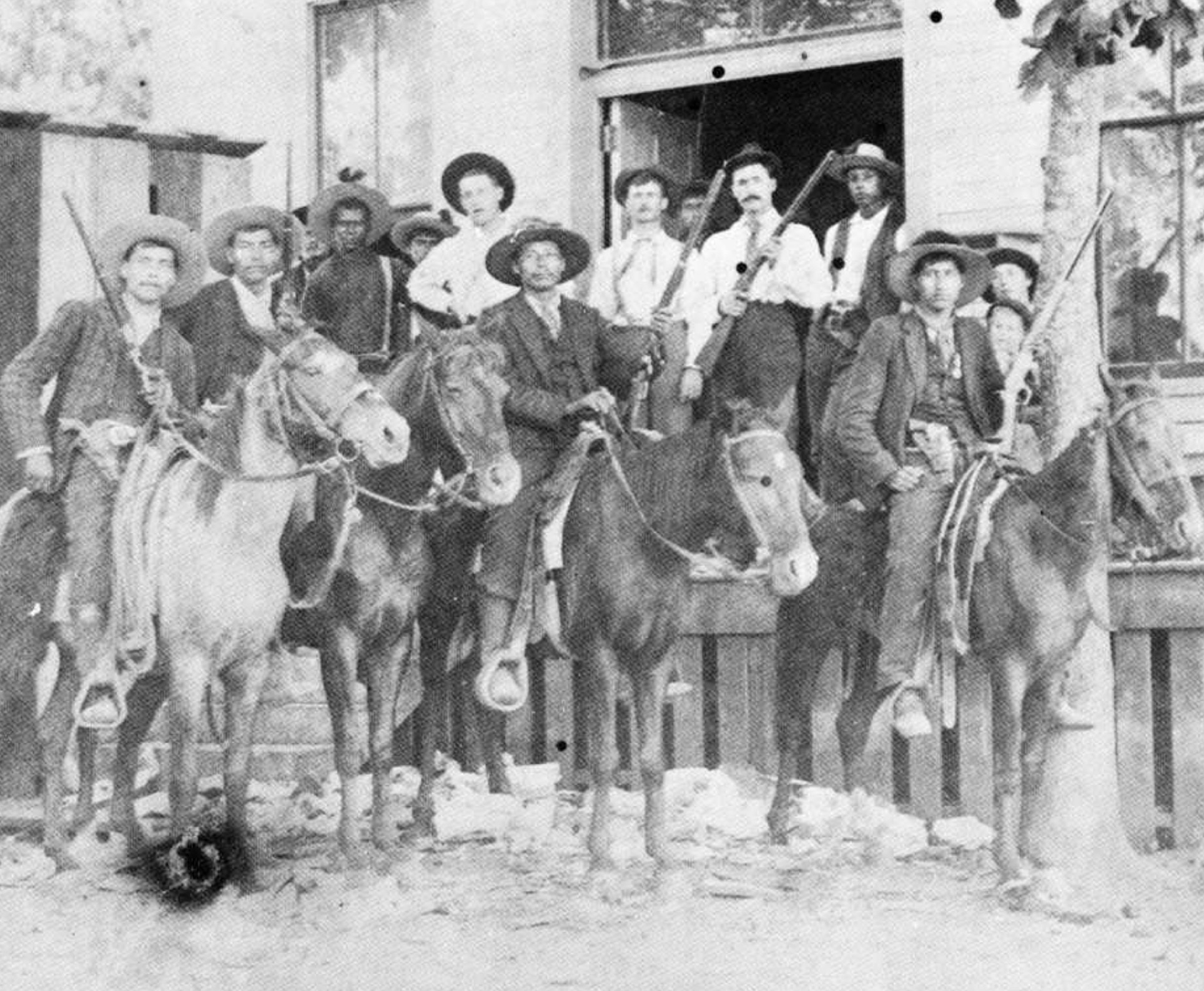
Here is the complaint in Twenty-Nine Palms Band of Mission Indians v. Garland (C.D. Cal.):

Pat Sekaquaptewa and Grace Carson have published “You May Think You Know What Is Going on with Circle Peacemaking, but Alaska Natives have Other Ideas” in the ABA Dispute Resolution Magazine.

Here are new materials in Pakootas v. Teck Caminco (E.D. Wash.):


 Turtle Talk
You must be logged in to post a comment.