Here:
Great Plains Lending Opening Brief
Great Plains Lending Reply Brief
Lower court materials here.
Here:
Great Plains Lending Opening Brief
Great Plains Lending Reply Brief
Lower court materials here.
Here.
A description:
The Department of the Interior structures its SES positions in to categories to determine the minimum pay for each position. This is a Category 3 position. The minimum pay for this position is $155,705. Pay is set based on consideration of the selectee’s current salary and other factors.
This position is located in the Department of the Interior, Office of the Solicitor in Washington, D.C. The Associate Solicitor for Water Resources is an executive level attorney position and has primary responsibility for managing the Division and for the management of water resources litigation in the interest of the Department.
Here is “Traffic stop leads to heroin arrest.”
And:”Two banished from Isabella Reservation before their day in court.”
The tribe’s press release is here. The text:
The Saginaw Chippewa Indian Tribal Council has taken a bold and proactive position today to assert Tribal sovereignty on their War on Drugs. Unanimous votes were cast today during a work session of the Tribal Council for the Saginaw Chippewa Indian Tribe to exclude or banish two non-member Native American’s for their involvement in drug trafficking within the boundaries of the Isabella Federal Reservation.
“Today our people have shown that we are no longer going to tolerate people who peddle unhealthy and life destroying substances onto the reservation. Today we took necessary steps to protect and uphold our members and their families against this plague called addiction”, stated Tribal Chief Steve Pego.
A routine traffic stop in Mt. Pleasant late Tuesday night, February 17, 2015, ended in a drug bust and the arrest of one woman on charges of possession of heroin and intent to deliver and another woman for carrying concealed weapons. “These are not the type of people we want in our community”, stated Tribal Sub Chief, Lorna Kahgegab Call.
Tribal Council under Ordinance No.3 of the Tribal Code can exclude individuals from their territories for specific reasons. “The choice to exclude these individuals before conviction is our way of sending the message that this will not be tolerated in our community”, stated Tribal Police Captain Jim Cates.
Here (PDF):
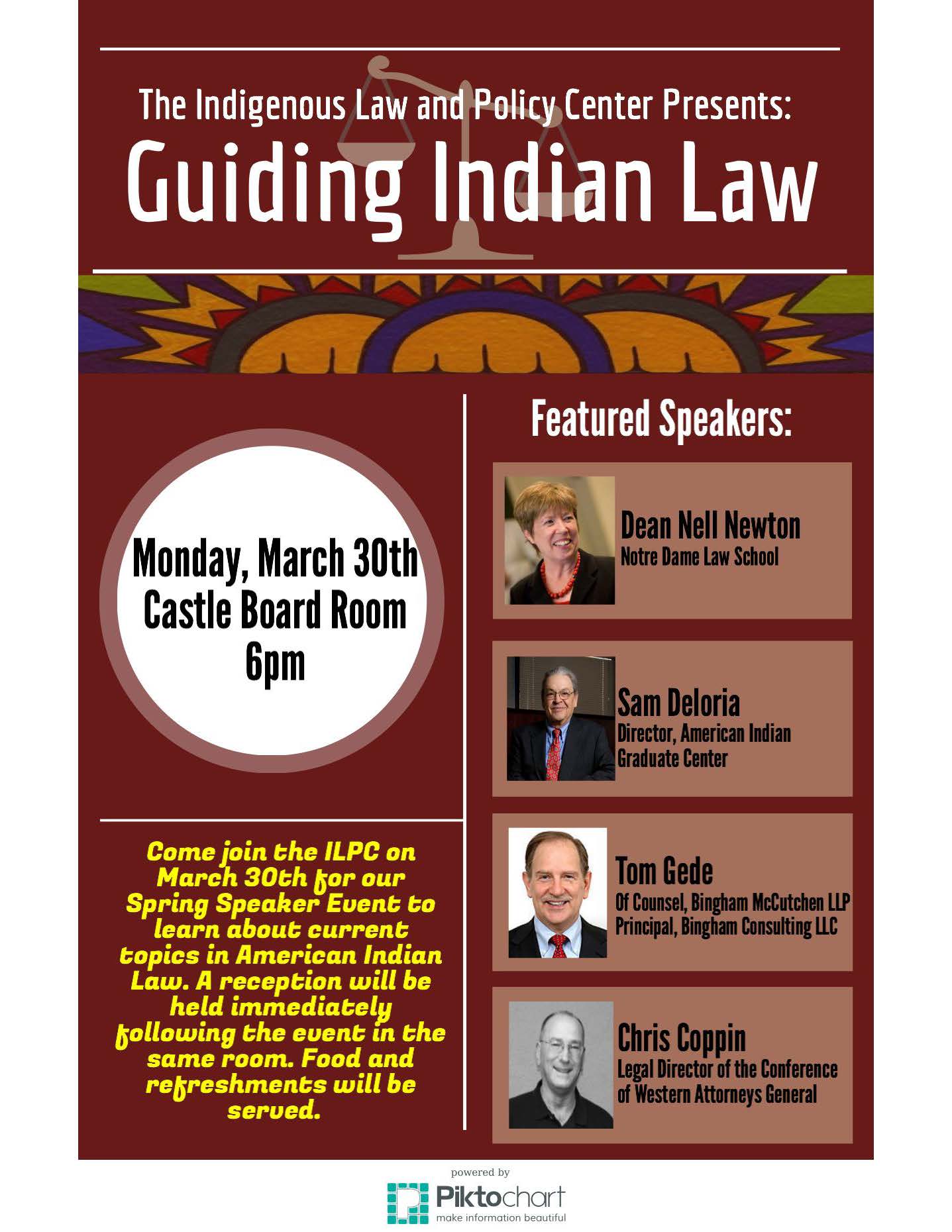
Here:
Assistant Vice President – Indian Country Center
An excerpt:
Assistant Vice President – Indian Country Center
General Description
The Federal Reserve Bank of Minneapolis (the Bank) is looking for an assistant vice president to lead its Indian Country Center. This position has primary day-to-day leadership responsibility for co-directing and assisting in designing programs and initiatives related to Indian Country community and economic development in the district and nationally.
The position represents the district and Federal Reserve System (FRS) in public forums to share and advance Indian Country initiatives. It is responsible to lead all aspects of the Indian Country projects and initiatives and to plan and prioritize objectives and initiatives making recommendations and decisions regarding the Bank’s work in this area.
The successful candidate will have a minimum of 10 years of demonstrated, progressive, and relevant leadership experience in a complex business environment, as evidenced by an established record of achievement. The candidate will also have a proven ability to think and act strategically and critically while interacting with a diverse group of executives, managers, and professionals. They must have the ability to meet critical deadlines, manage ambiguity, and deal with difficult situations as routine. The ability to conduct oneself, at all times, with integrity, honesty, and respect for every employee is paramount.
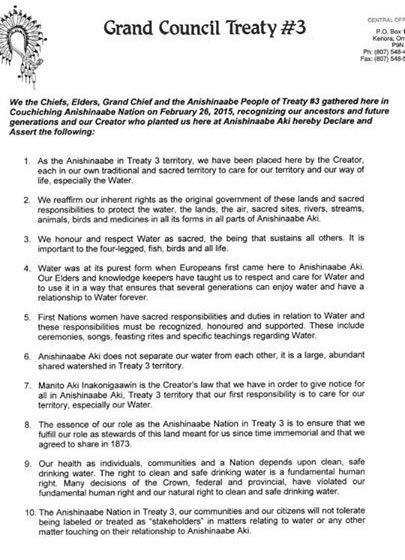
Here:
Here is the order list for today.
The Stockbridge petition is here.
Richard B. Collins has posted “Too Strict?” on SSRN. It is forthcoming in the First Amendment Law Review.
The abstract:
Should the strict scrutiny standard govern judicial review of claims that government has burdened religious freedom? American law’s patchwork of rules applies that demanding standard to some claims but denies any meaningful review to others. A major difficulty is that most claims alleging denial of religious freedom depend on beliefs that cannot be reviewed by secular courts. Claims based on allegations alone shift the burden to the defending government. Strict scrutiny purports to make justification very difficult; governments are supposed to lose most cases. A second defect of the test in religious freedom cases is its failure to consider harm that granting a claim may inflict on other persons; the test asks only about government interests. When judges suspect a claim may be trivial or false or unfair to others, they look for ways around the test. This accounts for the failure rate of strict scrutiny when it was the constitutional test and for the Court’s 1990 abandonment of that test. Another result is failure of nearly all sacred sites claims made by American Indian faiths.
Congress restored strict scrutiny for some claims by statute, reviving the problem. Ohio claimed that one of these statutes violated the Establishment Clause. The Court rejected the facial attack but in dictum suggested a solution. It said the Establishment Clause as applied should require consideration of interests of persons who would be harmed by sustaining a religious claim, and the context of religious freedom should make strict scrutiny less strict. That would bring American law into accord with doctrines applied abroad, notably by the European Court of Human Rights. But the Court’s 2014 Hobby Lobby decision instead allowed wealthy corporate owners to prevail over their employees in opinions that seemed to let religious claims override interests of others.
Here are the updated materials in Commonwealth of Massachusetts v. Wampanoag Tribe of Gay Head (Aquinnah) (D. Mass.):
65 Massachusetts Opposition to Rule 19 Motion
67 Aquinnah-Gay Head Community Opposition to 11th Amendment Motion to Dismiss
71 Wampanoag Tribe of Gay Head Reply in Support of Rule 19 Motion
72 Wampanoag Tribe of Gay Head Reply in Support of Motion to Dismiss on Immunity Grounds
77 Massachusetts Motion to Dismiss
86 Massachusetts Officials Motion to Dismiss
87 Wampanoag Tribe Opposition to Massachusetts Immunity Motion
95 DCT Order Denying Motions to Dismiss
An excerpt:
This lawsuit involves a dispute between the Commonwealth of Massachusetts and a federally recognized Indian tribe concerning regulatory jurisdiction over civil gaming on Indian lands on Martha’s Vineyard. The Wampanoag Tribe of Gay Head (Aquinnah) and related entities have taken steps to commence commercial gaming operations on tribal lands without a license from the Commonwealth. The Commonwealth contends that operating gaming facilities without such a license would violate a 1983 settlement agreement that subjects the lands in question to state civil and criminal jurisdiction (and thus subjects them to state laws regulating gaming). Count 1 of the complaint alleges breach of contract, and Count 2 seeks a declaratory judgment.
The Commonwealth filed suit in state court on December 2, 2013. On December 30, 2013, the Tribe removed the action to this Court on the basis of federal-question and supplemental jurisdiction. See 28 U.S.C. §§ 1331, 1367. On August 6, 2014, the Court granted motions to intervene by the Town of Aquinnah and the Aquinnah/Gay Head Community Association (“AGHCA”). The Tribe has moved to dismiss the AGHCA complaint on the basis of sovereign immunity and for failure to state a claim upon which relief can be granted; it has further moved to dismiss all three complaints (with leave to amend) for failure to join the United States as a required party.
On October 24, 2014, the Tribe filed an amended answer that included a counterclaim against the Commonwealth and counterclaims against three third-party defendants (all of whom are officials of the Commonwealth). Plaintiff and third-party defendants have moved to dismiss the counterclaims on the grounds of sovereign immunity (as to the counterclaims against the Commonwealth) and failure to state a claim upon which relief can be granted.
For the reasons stated below, the motions of the Tribe will be denied and the motion of counterclaim-defendants will be granted in part and denied in part.
We posted motions to dismiss here. Materials on the state court removal and remand motions here. Complaint here.
Miigwetch to our own Elaine Barr:

 Turtle Talk
You must be logged in to post a comment.