Here is the complaint in Yakama Nation Tribal Council v. Sheridan Vineyard (E.D. Wash.):
Here is the complaint in Yakama Nation Tribal Council v. Sheridan Vineyard (E.D. Wash.):
Here are the materials in Marez v. Polis (D. Colo.):
Here are the materials in Grossman v. City of El Paso:
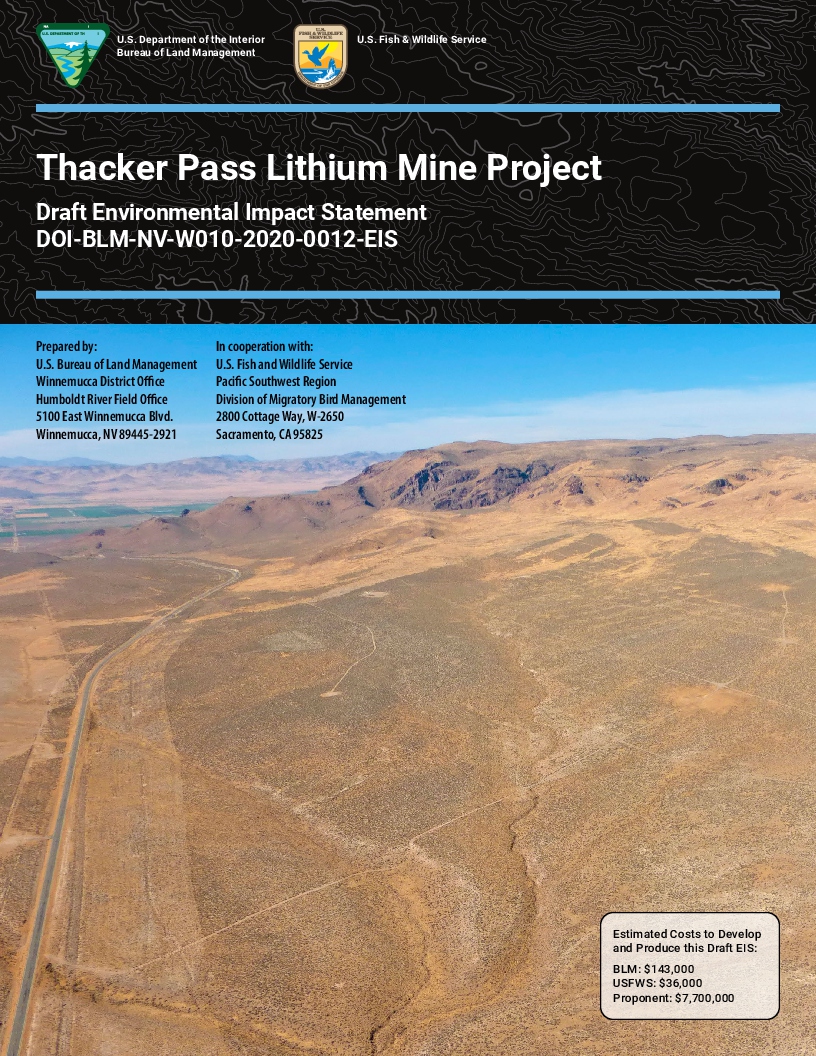
Here are the new materials in Bartell Ranch LLC v. McCullough (D. Nev.):
117 DCT Order Denying Reconsideration

NNLPC Fall 2021 Speaker Series: The Ascension of Tribal Cultural Property Law
Wednesday, November 17, 2021
12:15pm – 1:30pm
Via Zoom, register here: https://ucla.in/39aoIb3
Please join for a conversation with leading Indigenous rights scholars as they discuss the growing impact of tribal law on issues related to Indigenous Peoples’ cultural and intellectual property.
Kevin Washburn has posted “Simple Tribal Co-Management: Using Existing Authority to Engage Tribal Nations in Co-Management of Federal Public Lands” on SSRN.
Abstract:
Each year Native American tribal nations enter hundreds of federal contracts worth billions of dollars to run federal Indian programs. By substituting tribal governments for federal agencies, these “self-determination contracts” have been enormously successful in improving the effective delivery of federal programs in Indian country. However, tribal governments wish to do more. Tribes wish to co-manage federal public lands, including lands that lie outside their reservations, and they have a lot to offer in this area. For example, a tribe might seek to contract with the Fish & Wildlife Service to operate a wildlife refuge, or with the National Park Service to manage a park or monument or even with the Bureau of Reclamation to operate a federal dam. Tribes are natural partners for much of this work. Many federal units are located on lands that are, or were, tribal aboriginal lands. Although the federal government has had the legal authority to enter such contracts since 1994, federal agencies have been slow to enlist tribes in the management of federal public lands. A review of the few existing successful cases suggests that tribes confront dramatically different dynamics when seeking to contract functions with agencies beyond the Bureau of Indian Affairs or Indian Health Service and other agencies providing services to Indian people. At a time when indigenous-led conservation is crucial to addressing climate change and our national conservation goals, this article examines the obstacles to tribal co-management of public lands and proposes solutions.
Always good to see new scholarship from Dean Washburn.

Briefs are here.


You must be logged in to post a comment.