Wednesday, 6-8 PM at the law school’s Castle Boardroom.
Environmental
US and Industry Defeat Challenge to Uranium Mining at Grand Canyon Mine
Here are the materials in Grand Canyon Trust v. Williams (D. Ariz.):
140-1 Plaintiffs Motion for Summary J
147-1 Intervenors Motion for Summary J
An excerpt:
This case arises out of the proposed renewal of operations at the Canyon Mine in Northern Arizona. The Canyon Mine is a breccia pipe uranium mine located six miles south of Grand Canyon National Park, in the Kaibab National Forest, and four miles north of Red Butte, a culturally and religiously significant site for the Havasupai and other tribes.
Catherine O’Neill on oral argument in Michigan v. EPA
This is a case about the EPA’s rule on mercury emissions from coal- and oil-fired power plants. Prof. O’Neill’s analysis of the argument a couple of weeks ago is here.
Michigan NALSA Event on Keystone XL Pipeline
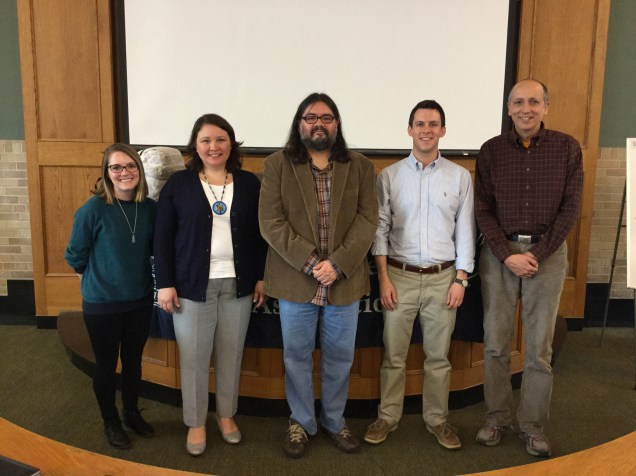
Colin Kavanaugh

The Michigan law school community
Hopi Tribe Trust Breach Claim re: Safe Drinking Water Fails in Federal Circuit
Here is the opinion in Hopi Tribe v. United States.
An excerpt:
The Hopi Tribe filed suit against the United States in the Court of Federal Claims seeking damages to cover the cost of providing safe drinking water on the Hopi Reservation. In order to invoke the trial court’s jurisdiction, the Hopi Tribe must identify a statute or regulation imposing a specific obligation on the United States to provide adequate drinking water that would give rise to a claim for money damages. Because the Court of Federal Claims properly concluded that the Hopi Tribe failed to identify any source for a money-mandating obligation, we affirm
Briefs:
Lower court materials here.
William Mitchell Law Review: “Environmental Justice and Tribal Environmental Regulation”
Here:
Environmental Justice and Tribal Environmental Regulation
Stephen V. Quesenberry, Timothy C. Seward, and Adam P. Bailey, Tribal Strategies for Protecting and Preserving Groundwater
Richard Duncan and Christiana Martenson, I Can See Clearly Now: The EPA’s Authority to Regulate Indian Country Under the Clean Air Act
Jamie Kay Ford and Erick Giles, Climate Change Adaptation in Indian Country: Tribal Regulation of Reservation Lands and Natural Resources
Liza Guerra Garcia, “Free the Land”: A Call for Local Governments to Address Climate-Induced Food Insecurity in Environmental Justice Communities
Paula Goodman Maccabee, Tribal Authority to Protect Water Resources and Reserved Rights Under Clean Water Act Section 401
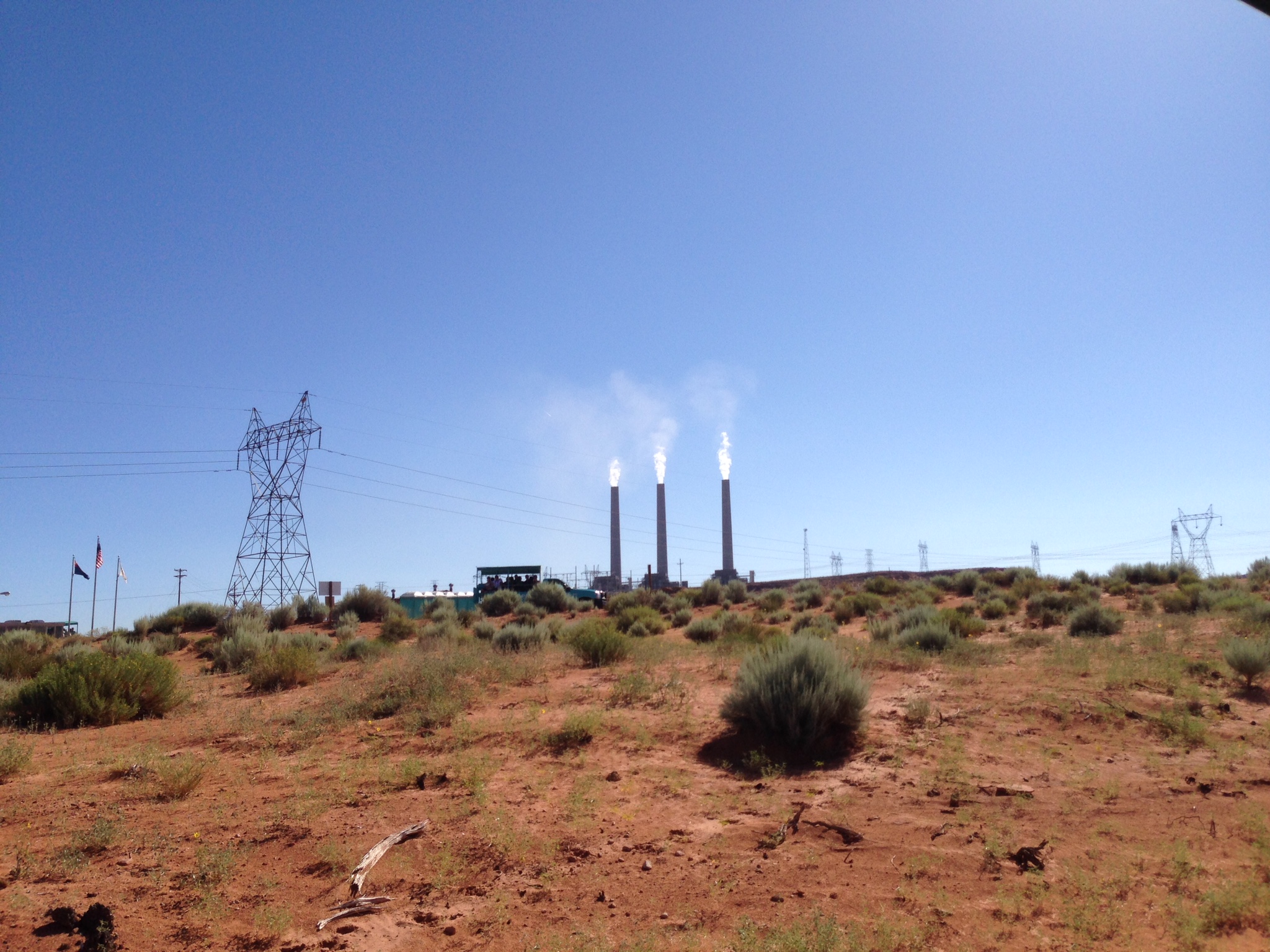
Ninth Circuit Opening Briefs in Challenge to EPA Permit for Navajo Generating Station
Here:
Environmental Groups Opening Brief
A second appeal involving the Hopi Tribe’s challenge has been severed from this consolidated appeal:
Pacific Standard Magazine Profile on New Fracking Rules
Here is “A Look at the New Rules on Fracking.”
Council of Canadians Report on Drinking Water in Canada
On Notice for a Drinking Water Crisis in Canada is a report by Council of Canadians water campaigner Emma Lui that provides an overview of the drinking water advisories in effect in each of the provinces, territories and in First Nations. As of January 2015, there were at least 1,838 drinking water advisories in effect, including 1,669 drinking water advisories in communities across Canada and 169 drinking water advisories in 126 First Nation communities. It also provides a summary of the threats to drinking water sources across Canada.
Diné CARE Prevails in NEPA Challenge to Navajo Mine Expansion
Here are the materials in Diné Citizens against Ruining Our Environment v. United States Office of Surface Mining Reclamation and Enforcement (D. Colo.):
News coverage here.
Posts on prior motion to dismiss and motion to intervene.
 Turtle Talk
You must be logged in to post a comment.