Here:
State of Michigan Appellee Brief
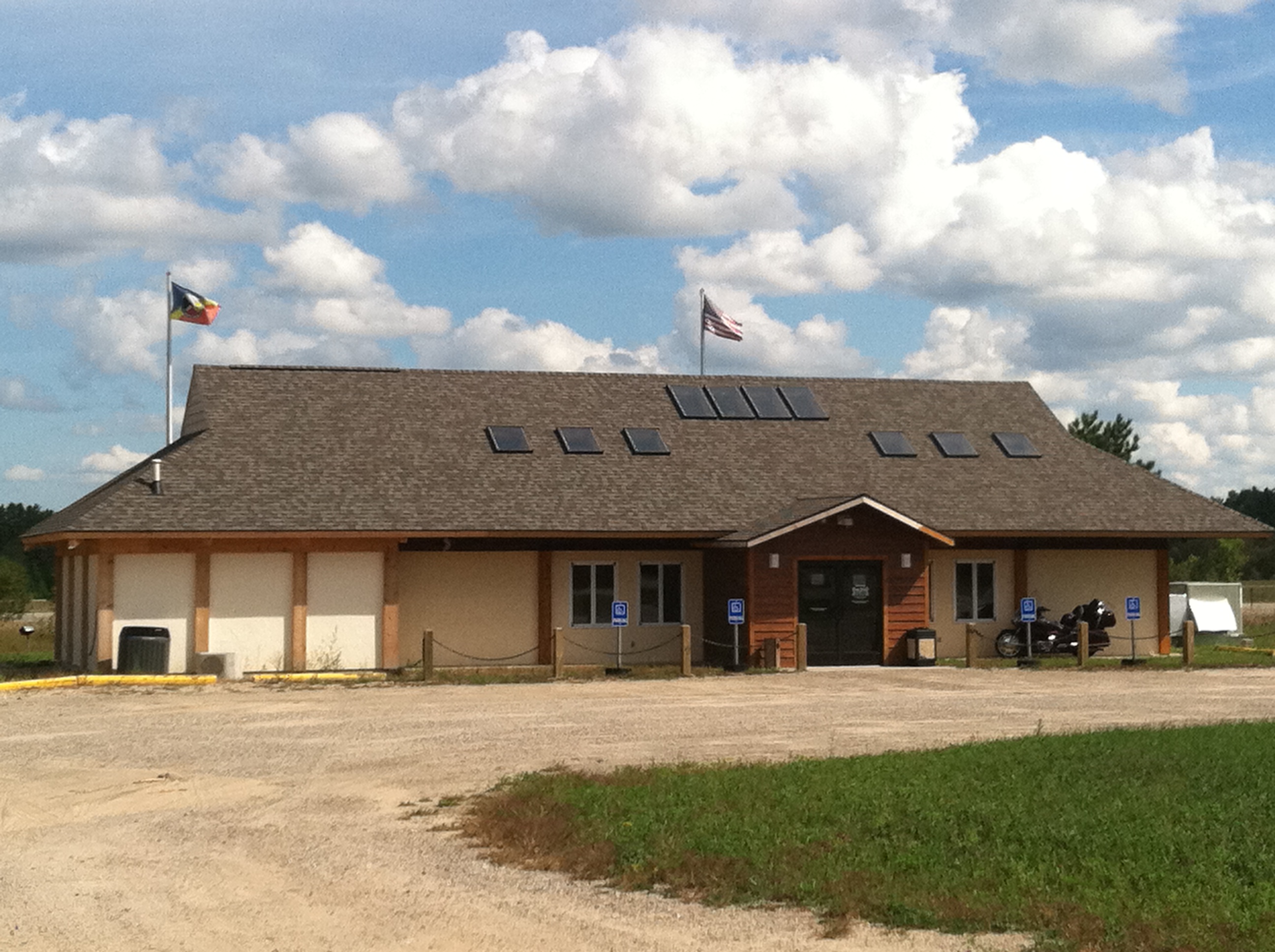
Here is a pic of the now-shuttered BMIC Vanderbilt Casino:
And some lovely intertribal rhetoric:
Here:
State of Michigan Appellee Brief
Here is a pic of the now-shuttered BMIC Vanderbilt Casino:
And some lovely intertribal rhetoric:
Here is the mediator’s order:
Big Lagoon Rancheria vs. State of California.
The federal court finding that California failed to negotiate in good faith is here:
The court has dismissed the plaintiff’s claims that were not appealed to the tribal appellate court for failure to exhaust tribal remedies. Other claims remain extant due to a waiver of immunity.
Here are the materials:
DCT Granting Motion to Dismiss in Part
RST 2d Supplemental Memorandum
Prior materials are here.
The government has moved to change venue and the State of Kansas has moved to intervene:
Here — the case is captioned San Pasqual Casino Development Group Inc. v. Viejas Band of Kumeyaay Indians:
Indian gaming is heading for bad news, if it isn’t already there. Indian tribes defending their share of big gaming markets are paying off states, lobbyists (and the federal Reps and Senators linked to them), and big time lawyers (hopefully someone who went to PLSI, so at least they have some soul), sometimes to the tune of millions of dollars.
It kinda works one of two ways, although they overlap. The first way, the oldest way, is political — Tribe A pays hundreds of thousands of dollars to a lawyer for advice. Big time lawyer says spend hundreds of thousands on campaign contributions to whomever in D.C. is in power, and perhaps the state elected officials, too, if gaming compacts negotiations are needed, to keep Tribe B from getting into Tribe A’s market. Meanwhile, Tribe B is paying another big time lawyer for advice on how to get into Tribe A’s market (of course, they don’t agree it’s Tribe A’s market; to them, it’s Tribe B’s market). Tribe B’s lawyers recommending spending hundreds of thousands more on the same political entities. Tribe A and B pay tons of dough really for nothing, since the political entities are getting a windfall.
Option two isn’t much better (and must less used so far), with the bigger gaming tribe using the gaming compacting process to pay more money to the state to protect a gaming share. The smaller gaming tribes who want into the bigger gaming tribes wheelhouse will naturally agreed to pay even more to the state. State gets more and more.
Option three is litigation, losers all around.
Why not negotiate among tribes first? Who says political entities in the federal government and states are good at gatekeeping or keeping their word? If Tribe A wants Tribe B out, why don’t they approach each other and at least ask what’s it is worth to keep the status quo? Why should politicians and states ever get anything from an Indian tribe?
Yeah, some tribes need gaming compacts. This might not help them, though after Rincon, states can’t just ask for revenue sharing in exchange for a compact.
Intertribal revenue sharing has to be the future, or else all the intertribal conflict will destroy most of the good things about Indian gaming.
Here is today’s opinion. An excerpt:
We conclude that the Indenture constitutes a management contract under IGRA and that, as a condition of its validity, it should have been submitted to the Chairman of the NIGC for approval prior to its implementation. The parties’ failure to secure such approval renders the Indenture void in its entirety and thus invalidate s the Corporation’s waiver of sovereign immunity. The district court therefore correctly determined that it was without jurisdiction with respect to Wells Fargo’s motion for the appointment of a receiver.
We further conclude that the district court should have permitted Wells Fargo leave to file an amended complaint to the extent that it presented claims for legal and equitable relief in connection with the bond transaction on its own behalf and on behalf of the bondholder. Upon the filing of such a complaint, the district court should address the issue of whether, now that the Indenture has been determined to be void, Wells Fargo has standing to litigate claims on behalf of the bondholder. The court also must determine whether the collateral documents, when read separately or together, waive the sovereign immunity of the Corporation with respect to any such claims. If such a waiver is found, the court may proceed to determine the merits of those claims.
Here, via Pechanga, is an excerpt:
In addition to bringing business to communities, casinos in Southwest Michigan — in particular, the Four Winds in New Buffalo — have been doing some good deeds the last few years. For example, the state tells us that the Pokagon tribe is one of just a tiny handful around the country to set up charity organizations like the Pokagon Fund, in addition to their revenue sharing programs. The Pokagon Fund has given out over nine million dollars since 2007, and one of the biggest beneficiaries has been New Buffalo Township. Treasurer Jack Rogers tells us that it’s had a strong impact on the community:
[click here to listen]
He says that there are also several services the township offers that wouldn’t be possible without the casino’s various donations. Rogers remembers when there was a recall effort against him over the casino issues, with people concerned that there’d be a spike in crime when the place came to town, but he says nothing like that ever happened.
 Turtle Talk
You must be logged in to post a comment.