Here is the unpublished order.
Prior posts here.
Here is the unpublished order.
Prior posts here.
Here are the materials so far in Toya v. Casamento (D.N.M.):
Here are the materials so far in Garcia v. Elwell (D.N.M.):
“The following article originally appeared in the Spring 2017 issue of Trial Lawyer magazine, the quarterly journal of the Oregon Trial Lawyers Association.”
“Parenting a juvenile justice system: A tribal human perspective”
Here.
An excerpt:
The Pascua Yaqui Tribe recognizes that its strength is family, and that the safety of victims of domestic violence must be ensured by immediate intervention. The protection of victim and defendant rights and due process are also of paramount importance of the Pascua Yaqui Tribe’s justice system. The Tribe’s justice system was recognized as a progressive court system when the United States government selected it as one of three pilot tribes to implement Special Domestic Violence Criminal Jurisdiction in February 2014. Since then, the Pascua Yaqui Tribe has conducted three jury trials with non-Indian defendants, extradited two non-Indian defendants back to its tribal court from the State on tribal court warrants, and convicted 14 non-Indian defendants.
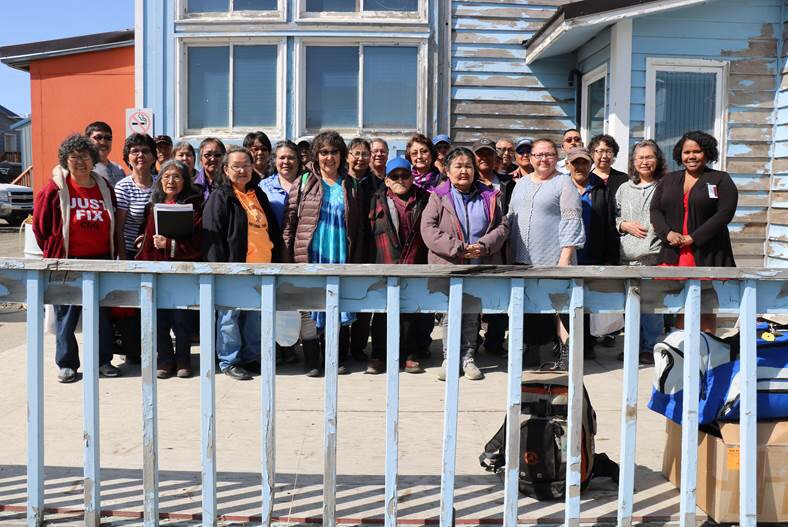
Hosted by the Association of Village Council Presidents:
Concetta Tsosie de Haro has posted “Federal Restrictions on Tribal Customary Law: The Importance of Tribal Customary Law in Tribal Courts.” The paper was published in the Tribal Law Journal.
Here is the abstract:
This article examines the adverse effects of federal case law and legislation on tribal courts and tribal courts’ ability to incorporate tribal customary law. Tribal customary law is the law given to tribes by holy deities which governs tribal ways of life. It is important to maintain tribal customary law because it strengthens tribal communities’ identities and cultural foundations. While Supreme Court precedent has, at different times, both restricted and promoted tribes’ ability to use tribal customary law to adjudicate the cases of tribal members, federal legislation including the Major Crimes Act, the Indian Civil Rights Act, the Tribal Law and Order Act, and the Violence Against Women Act continues to restrict tribes’ ability to apply customary law in tribal courts. To illustrate one way in which current federal Indian policy limits tribes’ ability to use customary law, the author highlights the ways in which two-spirit tribal members are excluded and ignored by the protections established in the Violence against Women Act. As the use of tribal customary law is critical to the maintenance of tribal sovereignty, this article advocates for corrections to these legislative restrictions to promote tribal court’s use of tribal customary law.
Here are the materials in the case now captioned Fragua v. Elwell (D.N.M.):
20 Magistrate Order of Release
Prior post here.
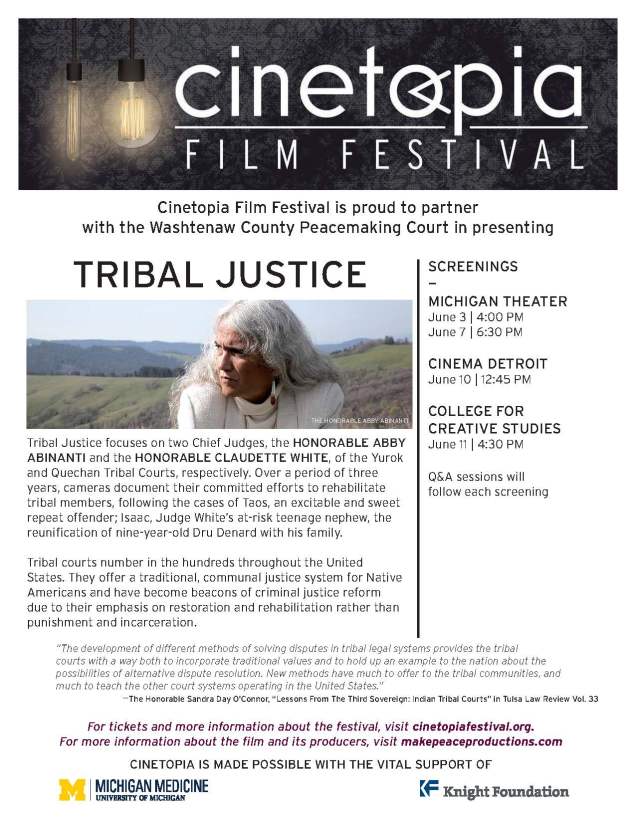
 Turtle Talk
You must be logged in to post a comment.