Jason Robison has posted “Equity Along the Yellowstone,” published in the University of Colorado Law Review, on SSRN.
Here is the abstract:
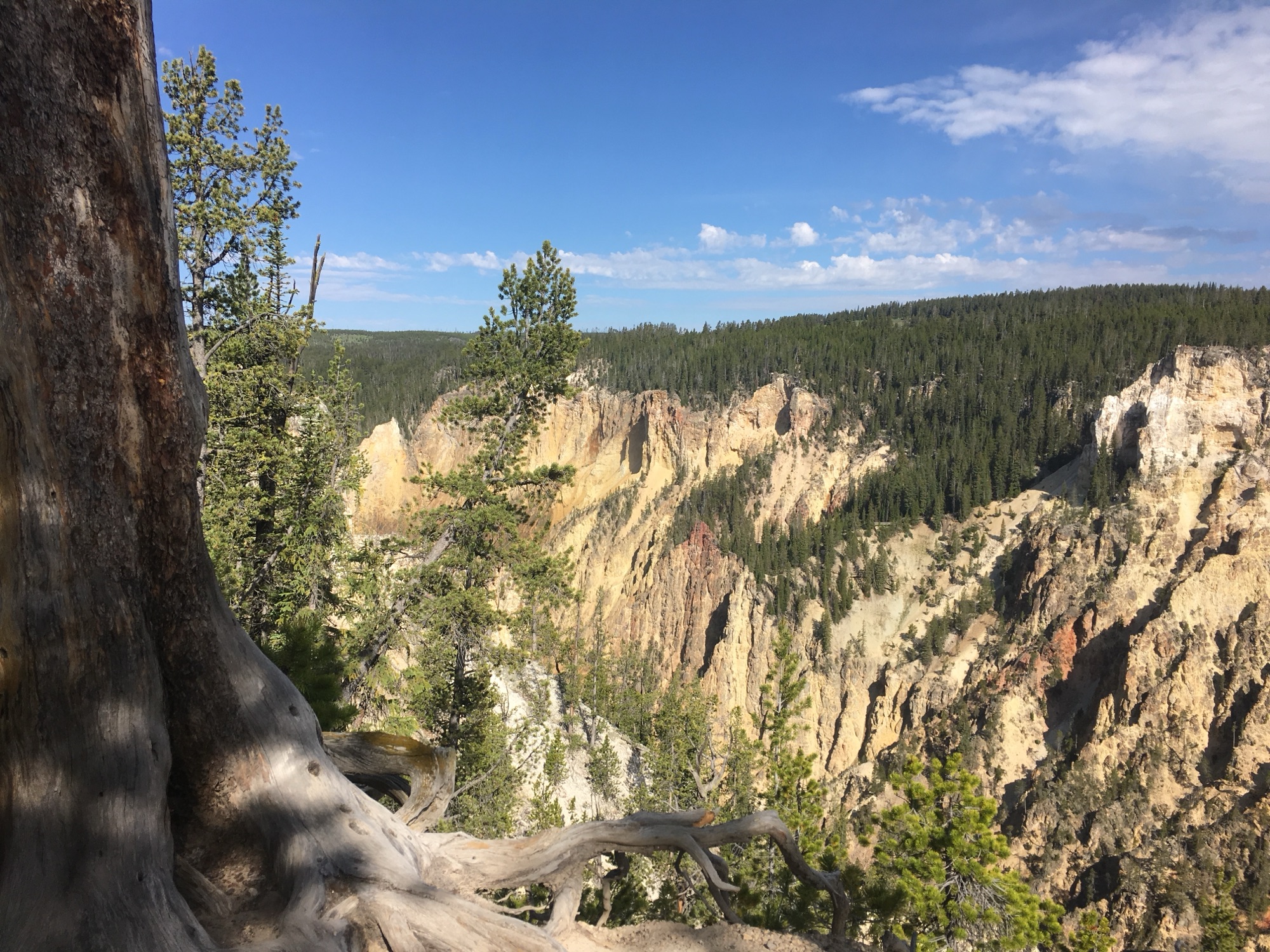
As one of three major rivers with headwaters in the sublime Greater Yellowstone Ecosystem, the Yellowstone and its tributaries are subject to an interstate compact (a.k.a. “domestic water treaty”) litigated from 2007 to 2018 in the U.S. Supreme Court in Montana v. Wyoming. Four tribal nations exist within the 71,000 square‑mile Yellowstone River Basin: the Crow, Eastern Shoshone, Northern Arapaho, and Northern Cheyenne. Yet, the Yellowstone River Compact, ratified in 1951, more than a decade before the self‑determination era of federal Indian policy began, neither affords these tribal sovereigns representation on the Yellowstone River Compact Commission nor clearly addresses the status of their water rights within (or outside) the compact’s apportionment. Such marginalization is systemic across Western water compacts. Devised as alternatives to original actions for equitable apportionment before the U.S. Supreme Court, this Article focuses on the Yellowstone River Compact and its stated purpose of “equitable division and apportionment,” reconsidering the meaning of “equity,” procedurally and substantively, from a present‑day perspective more than a half‑century into the self‑determination era. Equity is a pervasive and venerable norm for transboundary water law and policy contends the Article, and equity indeed should be realized along the Yellowstone in coming years, both by affording the basin tribes opportunities to be represented alongside their federal and state co‑sovereigns on the Yellowstone River Compact Commission, as well as by clarifying the status of and protecting the basin tribes’ water rights under the compact’s apportionment.
Below is a list of planned lease terminations pulled from the DOGE website on March 10, 2025. The list is likely incomplete and inaccurate, since DOGE’s “wall of receipts” has notoriously overstated its savings impact for federal taxpayers, requiring numerous corrections since it began posting details of its work.
The list below also includes plans for the closure of seven additional BIA offices. These additional closures were pulled from a table published by the Democrats on the House Natural Resources Committee.
“The impact on Bureau of Indian Affairs offices will be especially devastating. These offices are already underfunded, understaffed, and stretched beyond capacity, struggling to meet the needs of Tribal communities who face systemic barriers to federal resources. Closing these offices will further erode services like public safety, economic development, education, and housing assistance—services that Tribal Nations rely on for their well-being and self-determination.” – Rep. Jared Huffman (D-Calif.), Ranking Member of the House Natural Resources Committee
Mark Macarro, President of NCAI, explained to the A.P. that funding for the BIA, IHS, and the BIE represents the lion’s share of the government’s obligations to tribes, and last year those departments made up less than a quarter of 1% of the federal budget. “They’re looking in the wrong place to be doing this,” said Macarro. “And what’s frustrating is that we know that DOGE couldn’t be a more uninformed group of people behind the switch. They need to know, come up to speed real quick, on what treaty rights and trust responsibility means.”
AGENCY
LOCATION
SQ FT
ANNUAL LEASE
BUREAU OF INDIAN AFFAIRS
CARNEGIE, OK
0
$2,798
BUREAU OF INDIAN AFFAIRS
ST. GEORGE, UT
750
$50,400
BUREAU OF INDIAN AFFAIRS
FREDONIA, AZ
1,500
$22,860
INDIAN HEALTH SERVICE-CALIFORNIA
ARCATA, CA
1,492
$37,012
INDIAN HEALTH SERVICE NAVAJO
FARMINGTON, NM
2,000
$62,677
BUREAU OF INDIAN AFFAIRS
PAWNEE, OK
7,549
$156,171
BUREAU OF INDIAN AFFAIRS
SEMINOLE, OK
9,825
$184,770
INDIAN HEALTH SERVICE-BEMIDJI
BEMIDJI, MN
4,896
$133,916
INDIAN HEALTH SERVICE -OKLAHOMA
OKLAHOMA CITY, OK
5,000
$119,951
BUREAU OF INDIAN AFFAIRS
WATONGA, OK
2,850
$38,573
BUREAU OF INDIAN AFFAIRS
PABLO, MT
620
$10,418
BUREAU OF INDIAN AFFAIRS
RAPID CITY, SD
1,825
$53,911
BUREAU OF INDIAN AFFAIRS
FORT THOMPSON, SD
4,870
$58,976
BUREAU OF INDIAN AFFAIRS
SISSETON, SD
4,911
$180,008
INDIAN HEALTH SERVICE-BEMIDJI
TRAVERSE CITY, MI
798
$28,638
BUREAU OF INDIAN AFFAIRS
ZUNI, NM
2,117
$39,819
INDIAN HEALTH SERVICE NAVAJO
GALLUP, NM
20,287
$322,529
BUREAU OF INDIAN AFFAIRS
ELKO, NV
4,760
$134,297
BUREAU OF INDIAN AFFAIRS
ASHLAND, WI
34,970
$649,408
BUREAU OF INDIAN AFFAIRS
SHAWANO, WI
1,990
$36,395
INDIAN HEALTH SERVICE NAVAJO
SAINT MICHAELS, AZ
40,924
$1,074,931
BUREAU OF INDIAN AFFAIRS
PHOENIX, AZ
71,591
$1,784,239
BUREAU OF INDIAN AFFAIRS
REDDING, CA
5,307
$154,103
BUREAU OF INDIAN AFFAIRS
HOLLYWOOD, FL
3,000
$79,365
INDIAN HEALTH SERVICE-PHOENIX
ELKO, NV
853
$22,240
INDIAN HEALTH SERVICE-NASHVILLE
MANLIUS, NY
2,105
$37,648
INDIAN HEALTH SERVICE-NASHVILLE
OPELOUSAS, LA
1,029
$25,015
INDIAN HEALTH SERVICE-BEMIDJI
SAULT STE MARIE, MI
1,100
$34,375
INDIAN HEALTH SERVICE-CALIFORNIA
UKIAH, CA
1,848
$45,857
BUREAU OF INDIAN AFFAIRS
PAWHUSKA, OK
10,335
$166,134
NATIONAL INDIAN GAMING COMMISSION
RAPID CITY, SD
1,518
$43,938
BUREAU OF INDIAN AFFAIRS
TOPPENISH, WA
17,107
$533,985
BUREAU OF INDIAN AFFAIRS
BARAGA, MI
1,200
$14,400
OFFICE OF HEARING AND APPEALS (PROBATE HEARINGS DIVISION)
RAPID CITY, SD
2,252
$53,198
TOTALS
270927
$6,339,757
Additional Office Closures – House Natural Resources Committee List
EO 14191, titled “Expanding Educational Freedom and Opportunity for Families” and signed on January 29, 2025, includes a section that seeks the implementation of schools of choice using federal BIE funds for families with children eligible to attend BIE schools.
Section 7 of the Order provides:
Helping Children Eligible for Bureau of Indian Education (BIE) Schools. Within 90 days of the date of this order, the Secretary of the Interior shall review any available mechanisms under which families of students eligible to attend BIE schools may use their Federal funding for educational options of their choice, including private, faith-based, or public charter schools, and submit a plan to the President describing such mechanisms and the steps that would be necessary to implement them for the 2025-26 school year. The Secretary shall report on the current performance of BIE schools and identify educational options in nearby areas.
On February 28, 2025, the BIE issued a Dear Tribal Leader Letter announcing two expedited tribal consultation webinars for Tribal leaders and the public scheduled for this Friday, March 14, 2025. The links to register for either of Friday’s consultations are in the letter. Written comments can also be submitted by email to consultationcomments@bie.edu.
The National Indian Education Association (NIEA) has shared its concerns about BIE School Choice here.
Indigenous Rights in 2025: A Symposium on Current Legal Issues in Indigenous Communities, hosted by the Texas Journal on Civil Liberties & Civil Rights Friday, March 28, 10–3 PM CT, held in-person at Texas Law and over Zoom
Join us for TJCLCR’s 2025 symposium on Indigenous rights. Hear from prominent Indigenous scholars, activists, and organizers from across the country on topics like Federal Indian Law & tribal sovereignty, environmental justice, reproductive & 2SLGBTQ+ rights for Indigenous folks, indigeneity globally, and more. Registration (bit.ly/TJCLCR25) is free and includes lunch, but space is limited. Free screening of Oscar-nominated documentary SUGARCANE to follow.
The complaint, available below, was filed on March 7 in the U.S. District Court for the District of Columbia. The Tribal plaintiffs include the Pueblo of Isleta, Prairie Band Potawatomi Nation, and Cheyenne and Arapaho Tribes, and the complaint names the Secretary of Interior Doug Burgum, Assistant Secretary – Indian Affairs Bryan Mercier, and Director of BIE Tony Dearman as defendants.








 Turtle Talk
You must be logged in to post a comment.