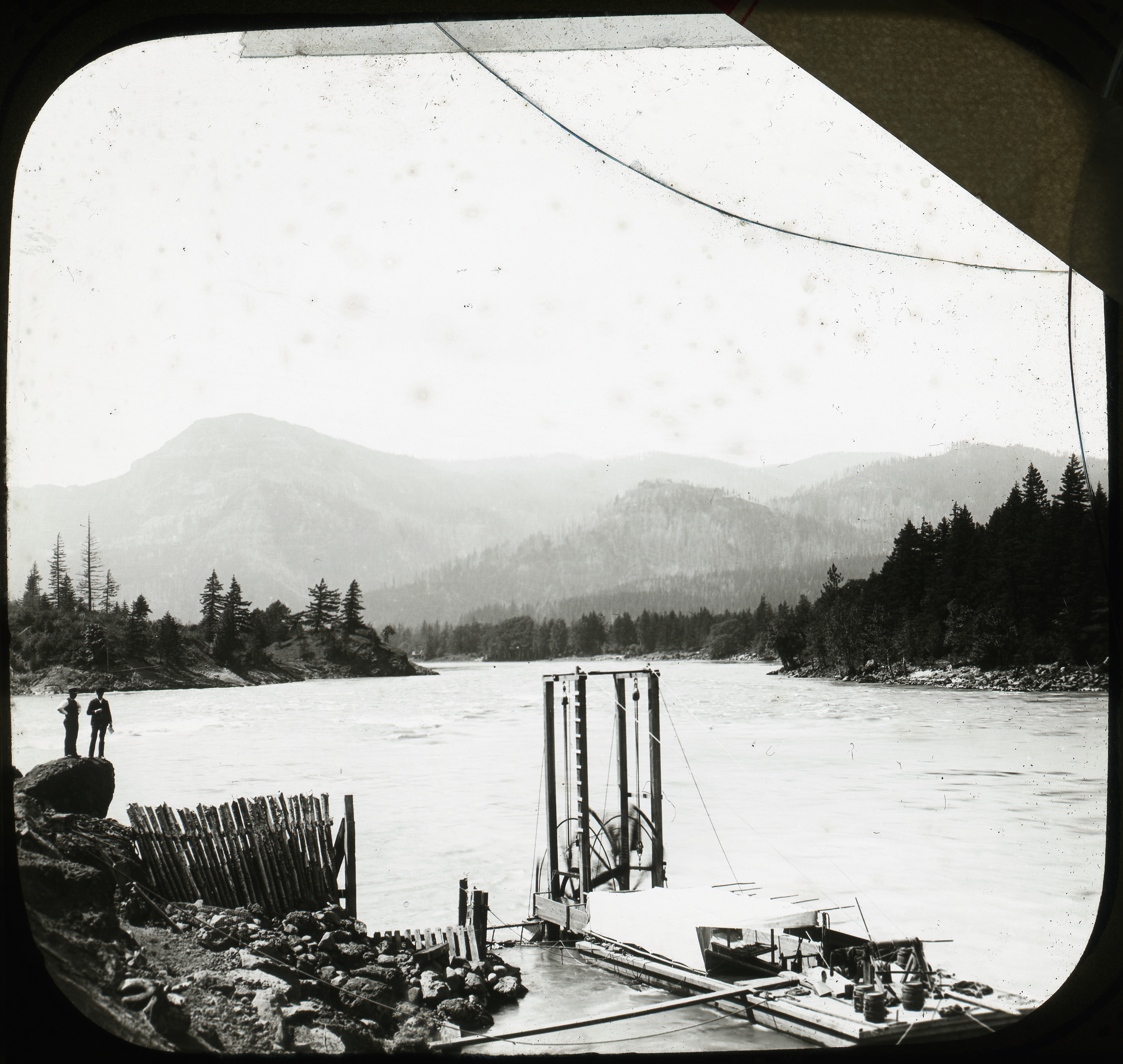
Here is the brief in Chinook Indian Nation v. Burgum:
Petition here.
Here:
Question presented:
Whether Oklahoma may tax the income of a Muscogee (Creek) Nation citizen who lives and works within the Muscogee (Creek) Reservation that McGirt v. Oklahoma, 591 U.S. 894 (2020), held remains Indian country.
Lower court materials here.
Here:
Question presented:
Does a federal court have jurisdiction to recognize the existence of an Indian tribe where the findings in the Indian Tribe List Act, Public Law 103-454, sec. 103(3), provide that “Indian Tribes presently may be recognized by . . . a decision of a United States court,” and no other federal statute addresses the question of tribal recognition?
Lower court materials here.
Update:
Here:
Question presented:
Whether the United States can regulate fishing on Alaska’s navigable waters under the Alaska National Interest Lands Conservation Act, when its statutory authority is limited to “public lands” and that term is defined as “lands, waters, and interests therein … the title to which is in the United States.”
Lower court materials here.

Here is the petition in Sault Ste. Marie Tribe of Chippewa Indians v. Michigan:
Question presented:
Whether a district court has “inherent equitable power” to enter a coercive “decree” restricting an Indian tribe’s treaty rights without its consent and without satisfying this Court’s well-established standards for injunctive relief.
Lower court materials here.
Here:
Question presented:
Whether a state may exercise criminal jurisdiction over an Indian for conduct in Indian country absent a valid congressional grant of authority.

Lower court materials here.
Here:
Questions presented:
Whether the District Court violated Petitioners’ due process rights by granting summary judgment without first fulfilling its gatekeeping obligation under Daubert v. Merrell Dow Pharmaceuticals, Inc., 509 U.S. 579 (1993), to rule on the parties’ pending motions to exclude or limit expert testimony?
Whether the District Court erred by relying on the Respondents’ expert witness in its summary judgment decision without first addressing the Petitioners’ motion to exclude or limit Respondents’ expert’s testimony under Daubert?
Whether the District Court violated Petitioners’ due process rights by failing to conduct an in camera review of 4,780 documents withheld by Respondents under claims of privilege, despite having ordered such a review and having possession of the documents since May 2019?
Whether the Court improperly analyzed the Andros Treaty by not finding the Treaty ambiguous and conducting the Indian Canons analysis?
Whether the Court misapprehended the law in finding the Andros Treaty not valid under Federal law?
Lower court materials here.



 Turtle Talk
You must be logged in to post a comment.