Here:
Lower court materials here.
Here is the unpublished opinion in United States v. Ducheneaux.
Here is “Uncomfortable Truths about Sovereignty and Wealth.” The abstract:
How wealth and sovereignty interact is both hotly contested and misunderstood. In my view, sovereignty exists to preserve wealth for the already-wealthy. When it comes to Indigenous peoples and Indian nations, federal and state sovereigns have almost always exercised their powers to suppress tribal wealth, even a half-century after Congress turned toward tribal self-determination as guiding national policy. Federal and state sovereignty used in this manner is evidence of systemic racism.
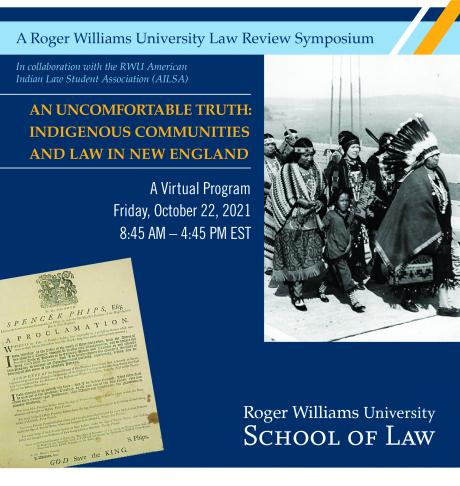
This paper is part of the Roger Williams Law Review symposium “An Uncomfortable Truth: Indigenous Communities and Law in New England.”
Related comic book here.
Here is the opinion in United States v. Benally.
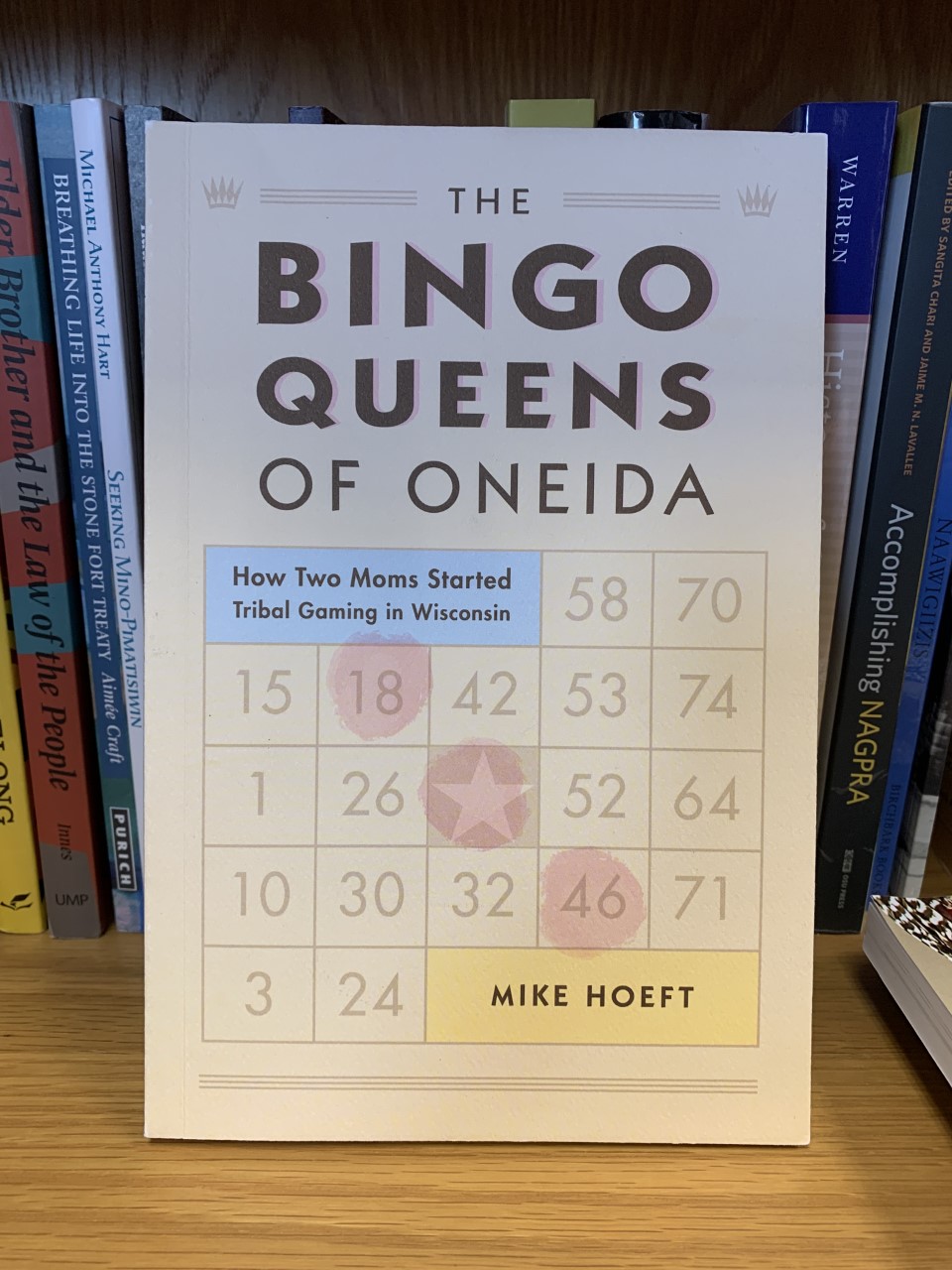
From the Green Bay Press Gazette, “Meet Oneida ‘Bingo Queens’ Sandra Brehmer and Alma Webster, who started tribal gaming in Wisconsin 45 years ago.”
Here are the materials in Cal-PAC Rancho Cordova LLP v. Dept. of the Interior (E.D. Cal.):
Here is the petition in Penobscot Nation v. Frey:
Here is the petition in United States v. Frey:
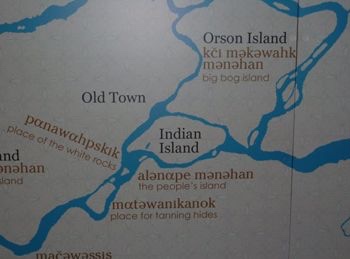
Question presented (from the Penobscot petition):
Whether the Maine Indian Settlement Acts— consistent with this Court’s precedents on statutory interpretation and the Indian canons of construction— codify the historical understanding of the Penobscot Nation, the United States, and the State that the Penobscot Reservation encompasses the Main Stem of the Penobscot River.
Lower court materials here.
Update:
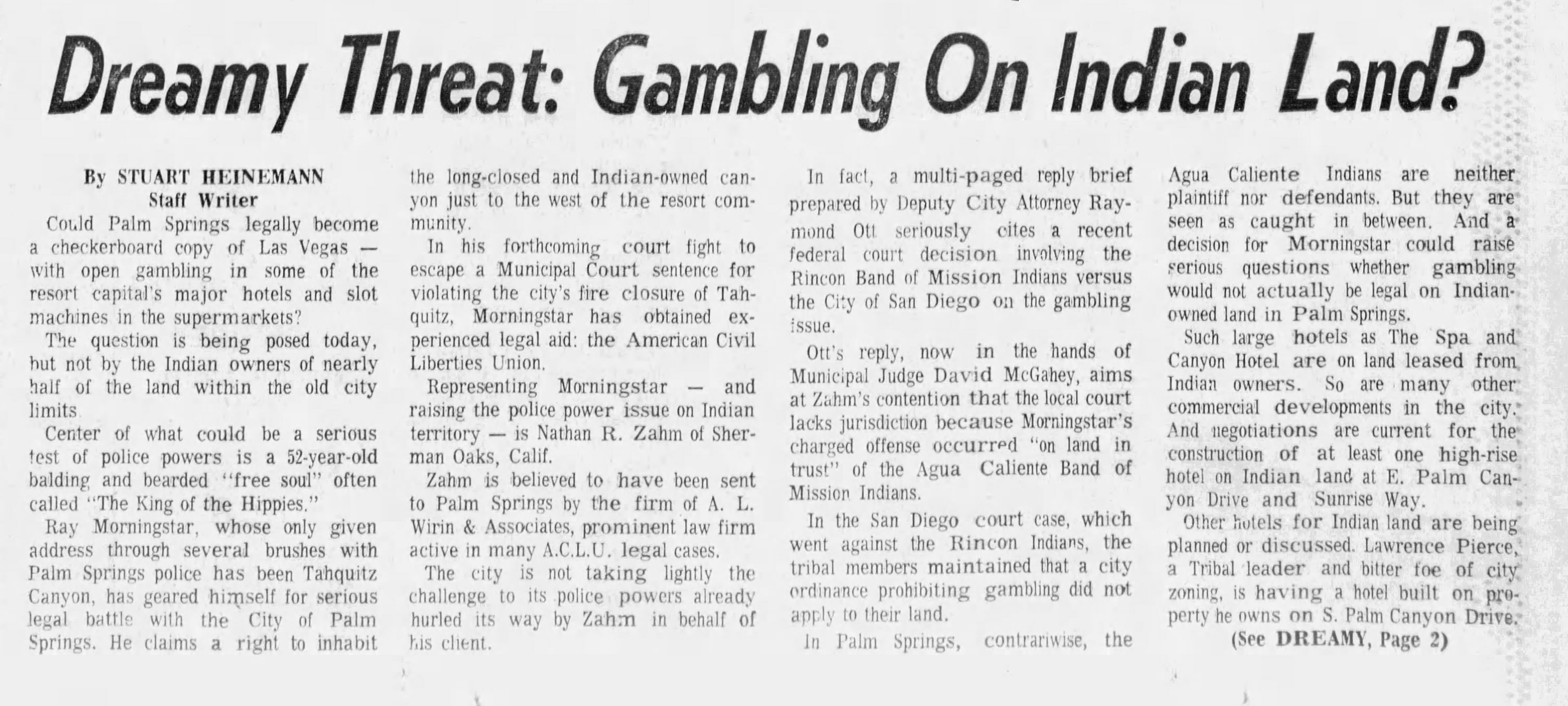
William Wood has published “The (Potential) Legal History of Indian Gaming” in the Arizona Law Review. PDF
Here is the abstract:
Indian gaming—casinos owned, operated, and regulated by Indian tribes—has been a transformative force for many Indigenous nations over the past few decades. The conventional narrative is that Indian gaming began when the Seminole Tribe of Florida opened a bingo hall in 1979, other tribes began operating bingo, litigation ensued across the continent, and the U.S. Supreme Court recognized tribes’ rights to operate casinos on their reservations in 1987, in California v. Cabazon Band of Mission Indians. Congress then passed the Indian Gaming Regulatory Act in 1988, ushering in the modern Indian gaming era.
This Article provides a heretofore-untold account of the early Indian gaming jurisprudence and related developments. Judges in the earliest Indian gaming cases, which have gone unnoticed, ruled against tribes. Then a series of cases involving the applicability of state law to mobile homes and cigarette and fireworks sales on Indian reservations produced a test under which states could exercise jurisdiction on reservations over activities they prohibit off-reservation but lack jurisdiction over activities they do not prohibit but only regulate. The Supreme Court used this test in Cabazon to hold that state laws did not apply to tribes’ bingo halls and cardrooms.
This Article details the development of the legal doctrine around Indian gaming and how the people involved—legal services attorneys working with legal scholars at the behest and on behalf of Indigenous peoples asserting their sovereignty against state pushback—changed the course of the jurisprudence, providing the framework that yielded the result in Cabazon and Indian gaming as it exists today.
Highly entertaining and recommended.

 Turtle Talk
You must be logged in to post a comment.