Here are the applications for leave to appeal in In re Application of Enbridge Energy to Replace & Relocate Line 5:
Application for Leave to Appeal
Lower court materials here.

Here are the applications for leave to appeal in In re Application of Enbridge Energy to Replace & Relocate Line 5:
Application for Leave to Appeal
Lower court materials here.
The Headwaters Report – is a new digital blog site, bulletin, and source for Tribal water law information and resources. The Headwaters Report presents accessible information on foundational Tribal water law concepts and practices as well as current and emerging water-related issues.
The first article focuses on the Clean Water Act, a 50-year-old law that, among other things, allows Tribes to assert regulatory jurisdiction over water quality and activities that impact water quality within reservation boundaries. In our next Report update, we plan to address the changes the Trump Administration is attempting to make to the Clean Water Act and how that may affect Tribal Nations.
In the Report you will also find several slide decks on Tribal water rights information, including one on the basics of Tribal water rights, general stream adjudications, and Indian water rights settlements. We intend The Headwaters Report to act not only as a clearinghouse for Tribal water law and policy information, but as a place to bring questions and to get guidance.

Here are the materials in the consolidated cases, Makah Indian Tribe v. Exxon Mobile Corp. (W.D. Wash.) and Shoalwater Bay Indian Tribe v. Exxon Mobile Corp. (W.D. Wash.):

Here are the materials so far in Village of Dot Lake v. U.S. Army Corps of Engineers (D. Alaska):
11-1 Federal Motion to Dismiss

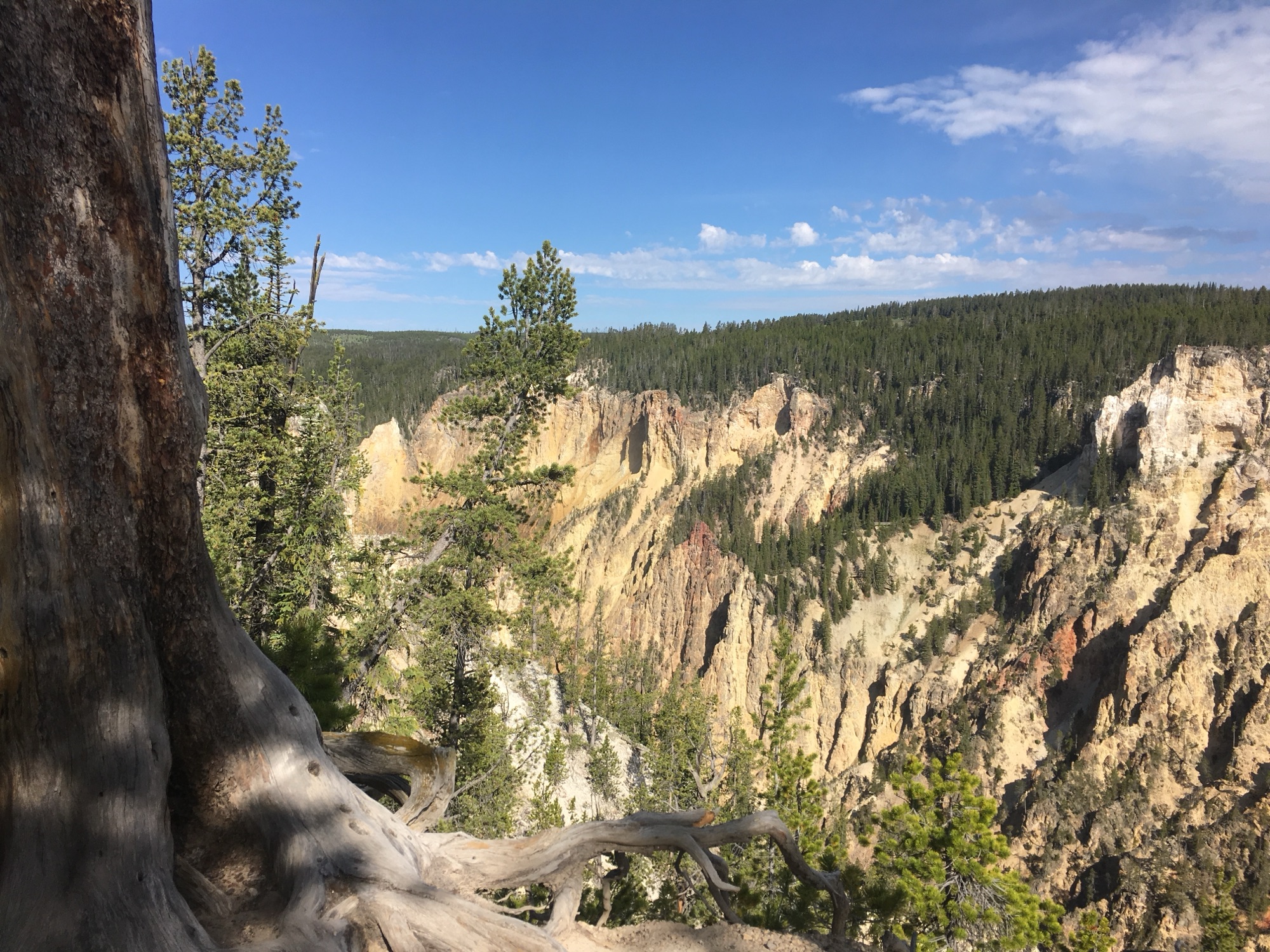
Jason Robison has posted “Equity Along the Yellowstone,” published in the University of Colorado Law Review, on SSRN.
Here is the abstract:
As one of three major rivers with headwaters in the sublime Greater Yellowstone Ecosystem, the Yellowstone and its tributaries are subject to an interstate compact (a.k.a. “domestic water treaty”) litigated from 2007 to 2018 in the U.S. Supreme Court in Montana v. Wyoming. Four tribal nations exist within the 71,000 square‑mile Yellowstone River Basin: the Crow, Eastern Shoshone, Northern Arapaho, and Northern Cheyenne. Yet, the Yellowstone River Compact, ratified in 1951, more than a decade before the self‑determination era of federal Indian policy began, neither affords these tribal sovereigns representation on the Yellowstone River Compact Commission nor clearly addresses the status of their water rights within (or outside) the compact’s apportionment. Such marginalization is systemic across Western water compacts. Devised as alternatives to original actions for equitable apportionment before the U.S. Supreme Court, this Article focuses on the Yellowstone River Compact and its stated purpose of “equitable division and apportionment,” reconsidering the meaning of “equity,” procedurally and substantively, from a present‑day perspective more than a half‑century into the self‑determination era. Equity is a pervasive and venerable norm for transboundary water law and policy contends the Article, and equity indeed should be realized along the Yellowstone in coming years, both by affording the basin tribes opportunities to be represented alongside their federal and state co‑sovereigns on the Yellowstone River Compact Commission, as well as by clarifying the status of and protecting the basin tribes’ water rights under the compact’s apportionment.
Here is the opinion in In re Application of Enbridge Energy to Replace and Relocate Line 5 [Little Traverse Bay Bands of Odawa Indians v. Michigan Public Service Commission].

Alejandro E. Camacho, Elizabeth Kronk Warner, Jason McLachlan & Nathan Kroeze have published “Adapting Conservation Governance Under Climate Change: Lessons from Indian Country” in the Virginia Law Review. PDF
Here is the abstract:
Anthropogenic climate change is increasingly causing disruptions to ecological communities upon which Natives have relied for millennia. These disruptions raise existential threats not only to ecosystems but to Native communities. Yet no analysis has carefully explored how climate change is affecting the governance of tribal ecological lands. This Article, by examining the current legal adaptive capacity to manage the effects of ecological change on tribal lands, closes this scholarly and policy gap.
This Article first considers interventions to date, finding them to be lacking in even assessing—let alone addressing—climate risks to tribal ecosystem governance. It then carefully explores how climate change raises distinctive risks and advantages to tribal governance as compared to federal and state approaches. Relying in part on a review of publicly available tribal plans, this Article details how tribal adaptation planning to date has fared.
Focusing on climate change and ecological adaptation, this Article delves into the substantive, procedural, and structural aspects of tribal governance. Substantively, tribal governance often tends to be considerably less wedded to conservation goals and strategies that rely on “natural” preservation, and many tribes focus less on maximizing yield in favor of more flexible objectives that may be more congruent with adaptation. Procedurally, like other authorities, many tribal governments could better integrate adaptive management and meaningful public participation into adaptation processes, yet some tribes serve as exemplars for doing so (as well as for integrating traditional ecological knowledge with Western science). Structurally, tribal ecological land governance should not only continue to tap the advantages of decentralized tribal authority but also complement it through more robust (1) federal roles in funding and information dissemination and (2) intergovernmental coordination, assuming other governments will respect tribal sovereignty. This Article concludes by identifying areas where tribal management practices might serve as valuable exemplars for adaptation governance more generally, as well as areas in which additional work would be helpful.


 Turtle Talk
You must be logged in to post a comment.