Tribal Amicus Brief in Nessel v. Enbridge [Mich. Cir. Ct.]

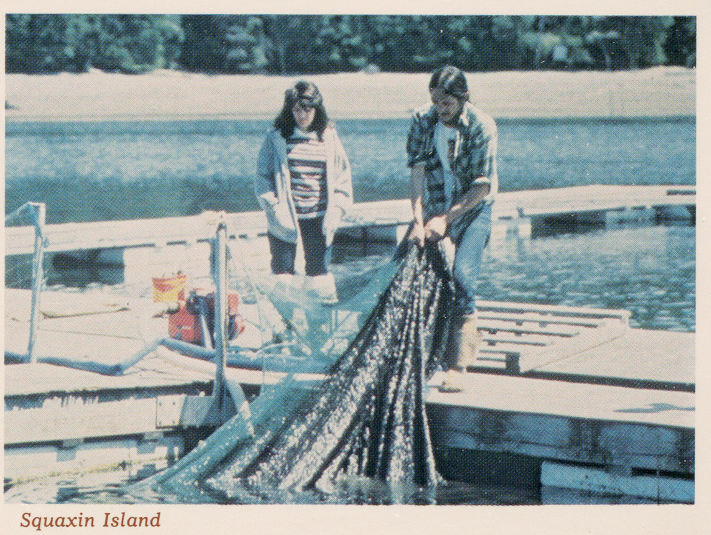
Blast from the Past: “Fish and the Future” from the Northwest Indian Fisheries Commission [c. 1970s]

Gotta love this first date. . . .

Washington Federal Court Issues Revised Order in Stillaguamish U&A Litigation

Here is the order in United States v. Washington, subproceeding 17-03 (W.D. Wash.):

Briefs are here.

Feds, Suquamish, and Muckleshoot Reach Consent Decree in CERCLA Suit against Polluters of the Duwamish River

Here is the consent decree in United States v. General Recycling of Washington LLC (W.D. Wash.):

Suquamish and Squaxin Island Amicus Brief in State Environmental Regulation Matter

Here is the brief in City of Tacoma v. State of Washington Department of Ecology:

Ninth Circuit Remands Stillaguamish U&A Subproceeding on Procedural Grounds, Judges Separately Debate Efficacy of Continuing Federal Court Jurisdiction

Here is the decision in United States v. Washington subproceeding 17-03, captioned Stillaguamish Tribe of Indians v. State of Washington.

Briefs and lower court materials here.

Washington SCT Vacates 100 Year Old Conviction of Yakama Tribal Citizen for Treaty Fishing

Here is the order in State v. Wallahee:

CFC Rules that Federal Police Officer Did Not Shoot Ute Tribal Member [Bad Men Clause Claim]

Here are the trial materials in Jones v. United States (Fed. Cl.):

Prior post here.

US, State, and Tribes Sue over Pollution of Elliott Bay and Lower Duwamish River

Here is the complaint in United States v. Crowley Marine Services Inc. (W.D. Wash.):

Bethany Berger on Intertribal Wildlife Cooperation

Bethany R. Berger has published “Intertribal: The Unheralded Element in Indigenous Wildlife Sovereignty” in the Harvard Environmental Law Review.

Here is the abstract:

Intertribal organizations are a powerful and unheralded element behind recent gains in Indigenous wildlife sovereignty. Key to winning and implementing judicial and political victories, they have also helped tribal nations become powerful voices in wildlife and habitat conservation. Through case studies of these organizations and their impact, this Article shows why intertribal wildlife organizations are necessary and influential, and how the intertribal form reflects a distinct relational approach to wildlife governance. As the first article focused on the intertribal form, moreover, the Article also identifies an unexamined actor in tribal sovereignty and legal change.

Highly recommended!