Here are the materials in Old Bull v. United States (D. Mont.)
News profiles of the Crow Tribal Police force that was formed and disbanded in 2020 abound. Here, here, and here.
Mother Jones made a video:
Grand Christensen has posted “Tribal Courts are Courts of General Jurisdiction,” forthcoming in the Florida Law Review, on SSRN. Here is the abstract:
Twenty years ago the Supreme Court misread its precedents and took a short cut to do what was “simpler” instead of what was right. It determined that tribal courts are not courts of general jurisdiction without examining the origins of tribal judicial power. Writing for the majority in Nevada v. Hicks, Justice Scalia concluded that in order to find that tribal courts were able to interpret federal law the Court would have to “attribute to tribal courts jurisdiction that is not apparent.” But power often exists even if it is not apparent at first glance. Unwilling to do even a cursory examination to determine whether tribal courts might nonetheless possess general jurisdiction, the Court decided that it would be “surely [ ] simpler… to conclude that tribal courts cannot entertain” claims arising under federal law. This article objects to the legal principle that tribes cannot exercise their inherent sovereign powers because it would “simpler” for the Supreme Court.
In Hicks, the Court abdicated its responsibility by not engaging in an analysis of the origins of the judicial power exercised by tribal courts. Under the principles of inherent sovereignty it is the tribal sovereign and not the Supreme Court that controls the jurisdiction of tribal courts. If a tribal government vests in its judicial department the authority to interpret federal law, then the tribal court maintains that power until withdrawn by the tribal sovereign. This article further argues that the Court in Hicks exceeded its Article III exercise of the judicial power to attempt to limit – against the will of the tribal sovereign – the general jurisdiction of tribal courts. It concludes by encouraging tribal governments to decide for themselves whether they want their courts to interpret federal law. If the tribal sovereign assigns that power to its courts, then tribal courts should begin affirmatively exercising general jurisdiction despite the Hicks precedent.
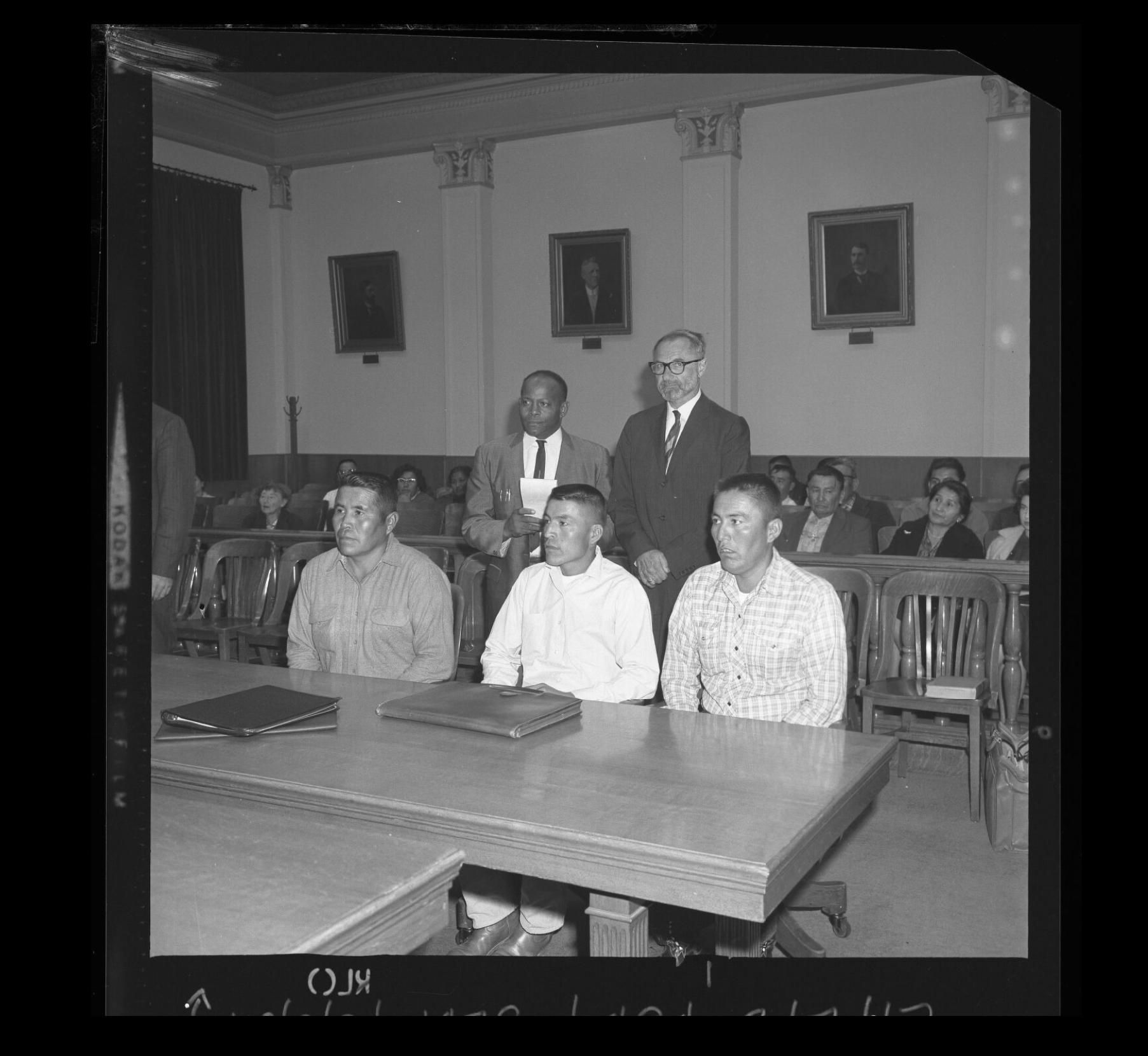
Here are the available materials in State v. Crazybull:

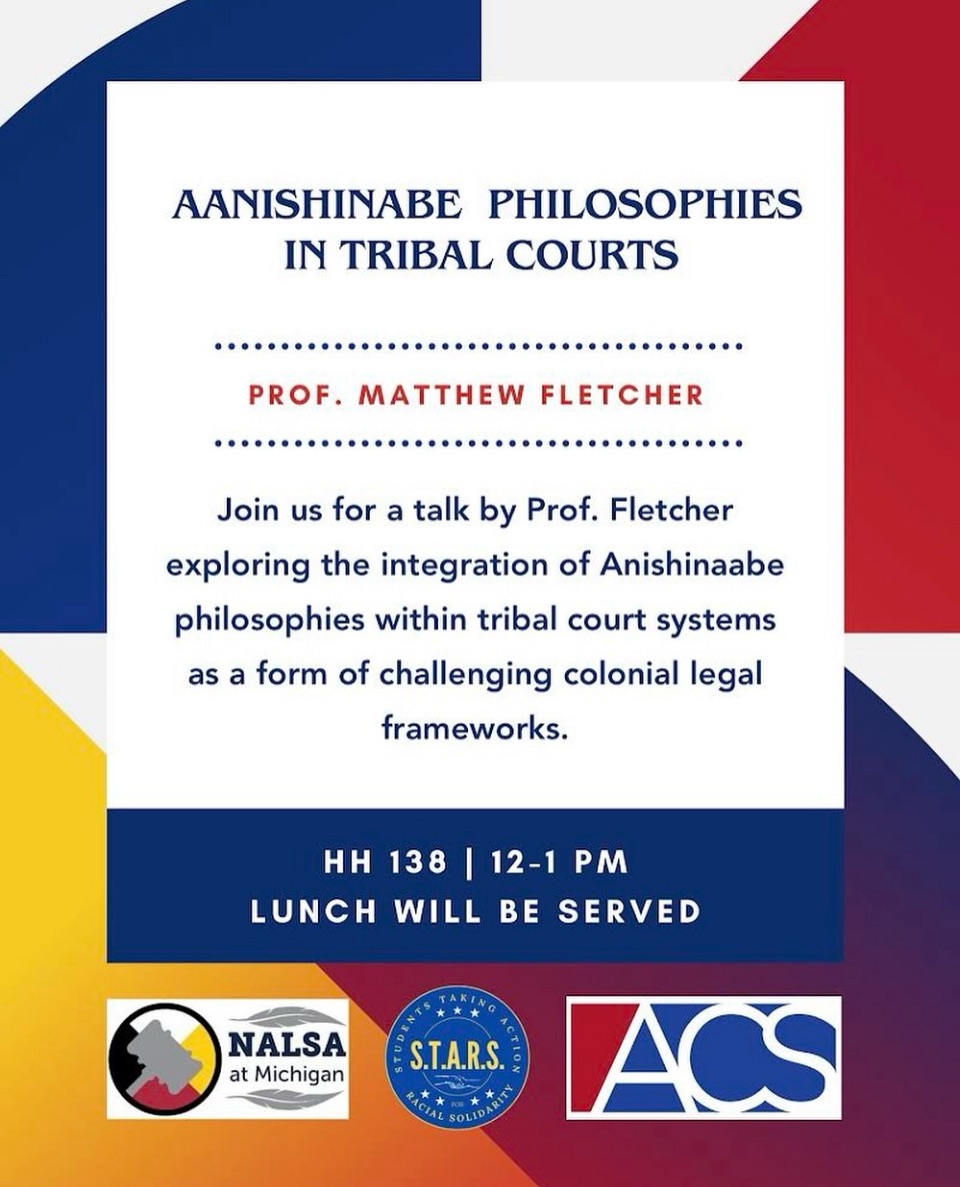
Kekek Jason Stark has published “Tribal Court Jurisdiction and the Exhausting Nature of Federal Court Interference” in the University of Cincinnati Law Review. PDF
HIGHLY RECOMMENDED.

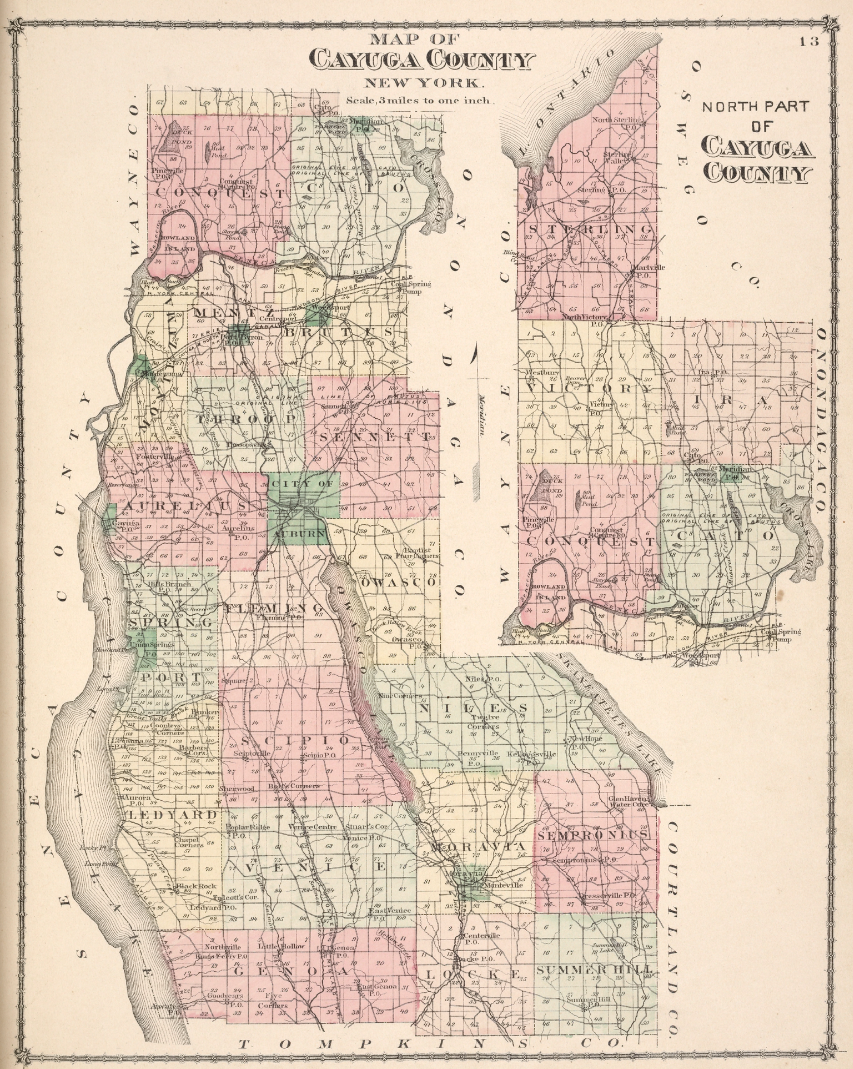
Here are the briefs in Cayuga Nation v. Parker:
Here are the briefs in Cayuga Nation v. Seneca-John:

 Turtle Talk
You must be logged in to post a comment.