Here.
tribal courts
Ninth Circuit Affirms Tribal Jurisdiction in Lexington Insurance Co. v. Smith [Suquamish]
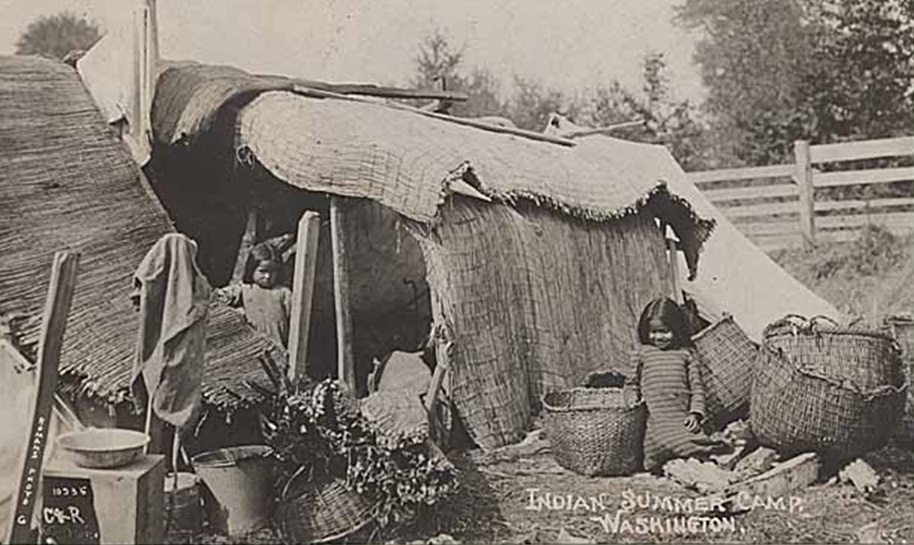
Ninth Circuit Materials in Lexington Insurance Company v. Mueller [Cabazon]
Nevada Lawyer Issue on Tribal Law
Here:
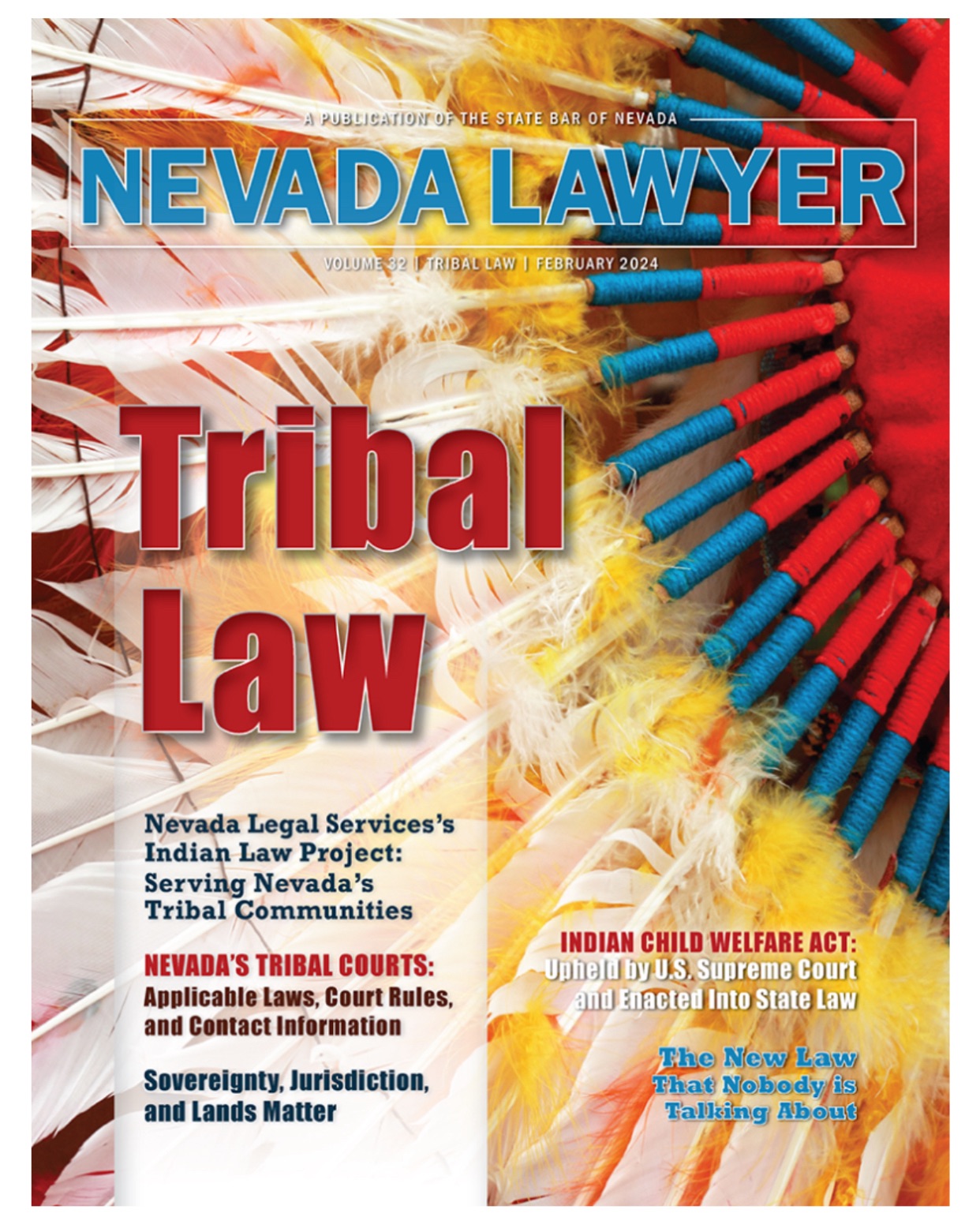
Featured Stories:
- Nevada Legal Services’s Indian Law Project: Serving Nevada’s Tribal Communities
- Nevada’s Tribal Courts: Applicable Laws, Court Rules, and Contact Information
- Sovereignty, Jurisdiction, and Lands Matter
- Indian Child Welfare Act: Upheld by U.S. Supreme Court and Enacted into State Law
- The New Law that Nobody is Talking About
Pat Sekaquaptewa and Grace Carson on Circle Sentencing in Alaska
Pat Sekaquaptewa and Grace Carson have published “You May Think You Know What Is Going on with Circle Peacemaking, but Alaska Natives have Other Ideas” in the ABA Dispute Resolution Magazine.

Fletcher on the Sovereignty Problem in Federal Indian Law
Check out “The Sovereignty Problem in Federal Indian Law” on SSRN.
Here is the abstract:
There is a sovereignty problem in federal Indian law, namely, that the federal government’s sovereign defenses prevent tribal nations and individual Indian people from realizing justice in the courts. Often, compelling tribal and Indian claims go nowhere as the judiciary defers to the interests of the United States, even where Congress has expressly stated its support for tribal interests. Conversely, tribal judiciaries allow claims to proceed to the merits, invoking customary and traditional law to hold tribal governments accountable.
Sovereignty theory helps to explain why justice can be done in one court system but not another. But federal, state, and tribal courts are all American courts than can and should learn from one another. This paper is an effort to show that federal sovereign defenses are not inevitable, nor are they even necessary.

Fort Peck Tribes Expand its Criminal Jurisdiction over Non-Indians
The Fort Peck Tribes Expand Criminal Jurisdiction Over Non-Indians
On August 17th, 2023, the Fort Peck Tribal Executive Board expanded its special jurisdiction over non-Indians under the Violence Against Women Reauthorization Act of 2022 (VAWA).
What is VAWA?
Originally passed in 1994, VAWA is the first Federal Legislation acknowledging domestic violence as crime and provides resources to encourage Community Coordinated Responses to prevent violence against Women. Subject for renewal every five years, VAWA has been reauthorized in 2000, 2005, 2013, and in 2022. Each reauthorization builds upon existing protections for victims of domestic violence and will be subject to another reauthorization in 2027. *
Continue reading
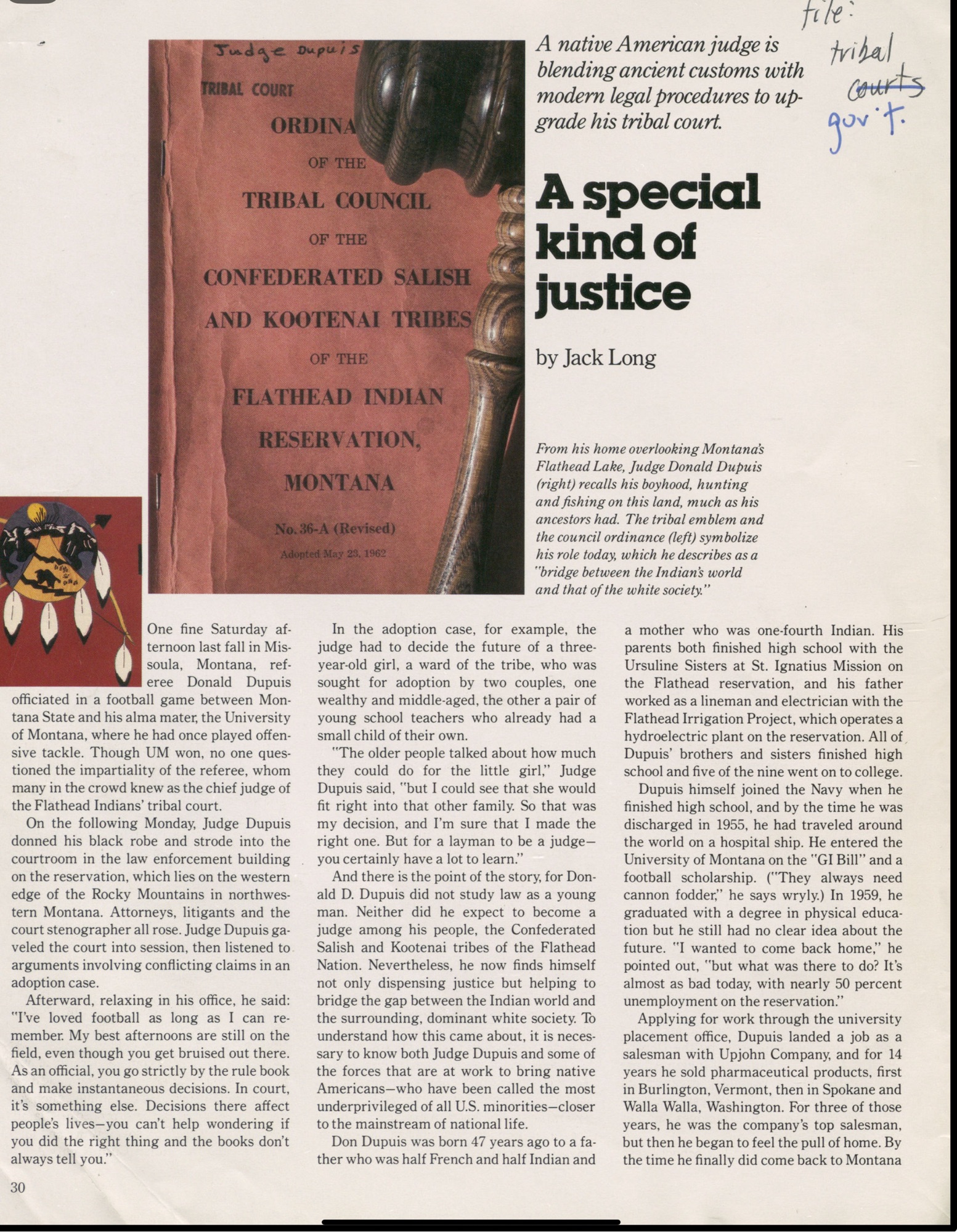
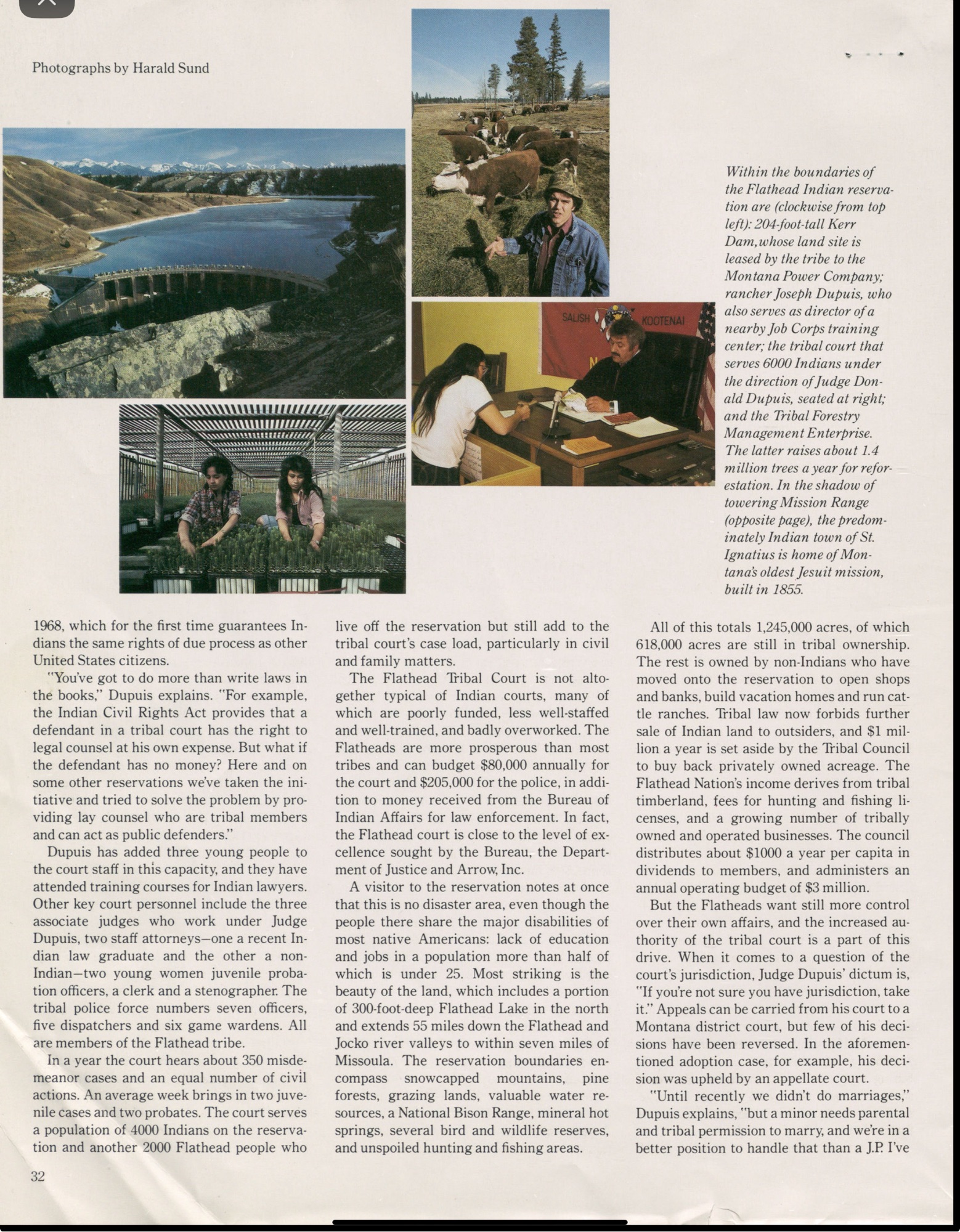
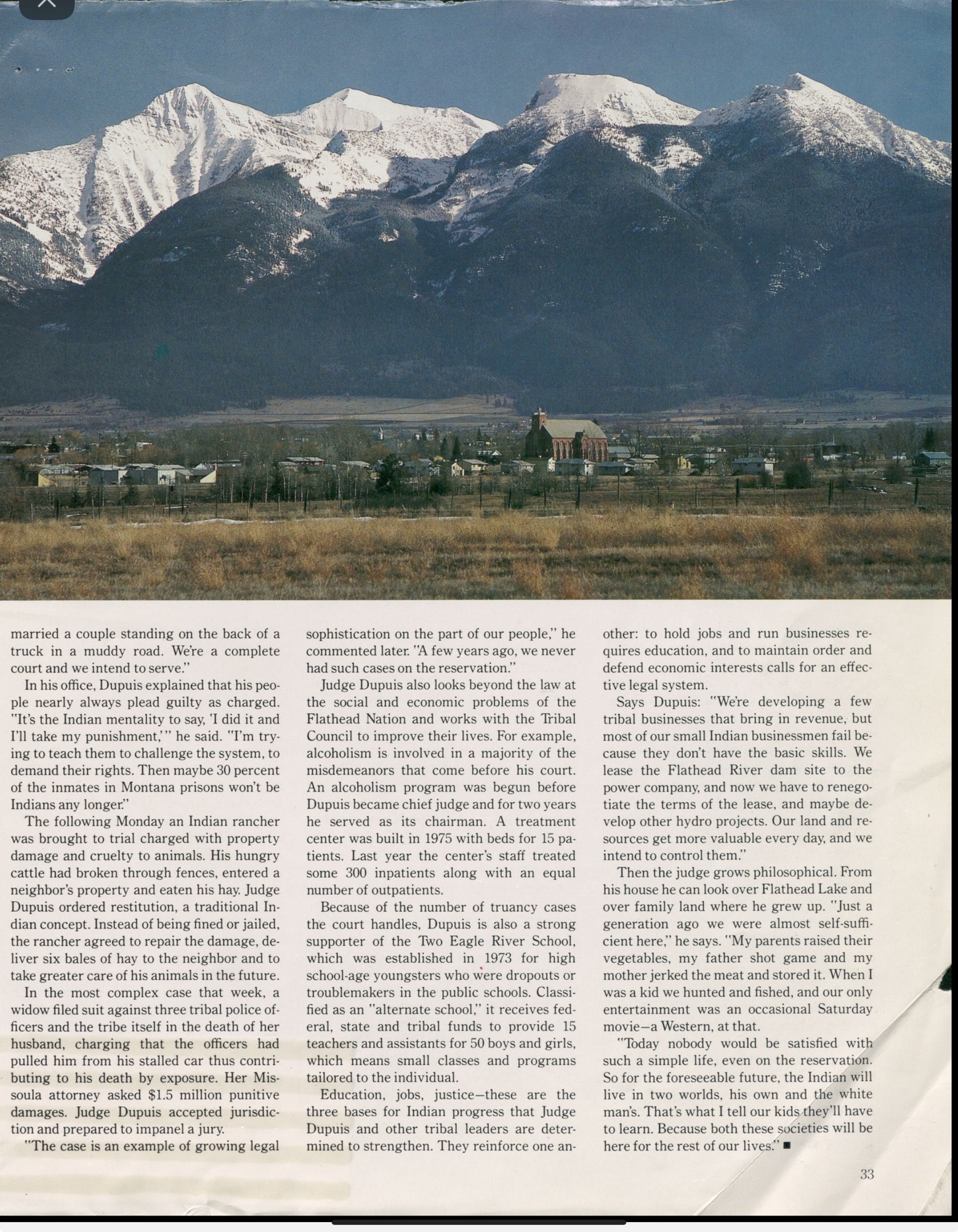
Blast from the Past — Profile of Flathead Tribal Judge Donald Dupuis [1980]
Here, published in the Exxon shareholder magazine The Lamp (!):

Chief Justice Position for Blackfeet Tribe Appellate Court
Position Announcment Chief Justice
This is an active appellate court with many interesting and sometimes complex cases.
The Blackfeet Tribe is actively seeking applications for a Chief Justice for the Court of Appeals. The Chief Justice is responsible for overseeing the judicial component of the Blackfeet Court of Appeals in accordance with the Blackfeet Constitution and By-Laws, 1934, Blackfeet laws, judicial oath of office, terms of appointment and the Blackfeet Rules of Court. The Chief Justice is also responsible for ensuring that Court of Appeals grants and contacts are adhered to. Will preside over all cases within the Blackfeet Court of Appeals. Must have a Juris Doctorate from an ABA accredited law school and be at least thirty (35) years of age at time of appointment.
For application materials, including job description and qualification requirements, please contact the Blackfeet Tribe Personnel Department at (406) 338-7307 or email mbird@blackfeetnation.com or laugare@blackfeetnation.com.
New Mexico SCT Confirms Class III Compacts Do Not Allow State Court Jurisdiction over Tort Claims
Here is the opinion in Sipp v. Buffalo Thunder Inc.:
Here are the briefs (note — these are the court of appeals briefs):

 Turtle Talk
You must be logged in to post a comment.