Sparty Representing at PLSI Pre-Law Advisors Training Conference
Lauren van Schilfgaarde has posted “Restorative Justice as Regenerative Tribal Jurisdiction,” forthcoming in the California Law Review, on SSRN. Here is the abstract:
For more than a century, the United States has sought to restrict Tribal governments’ powers over criminal law. These interventions have ranged from the imposition of federal jurisdiction over Indian country crimes to actively dismantling Tribal justice systems. Two particular moves – diminishing Tribal jurisdiction and imposing adversarial approaches on Tribal courts, respectively – have had particularly devastating impacts on Tribal justice and criminal governance systems. In the contemporary era, these developments have severely constrained Tribal approaches to criminal justice reform. Yet in recent years, we’ve begun to witness new trends at the Tribal level. Tribes are increasingly embracing Indigenous-based, restorative justice models, which have regenerated Tribal jurisdiction and enhanced the wellbeing of Tribal members. These trends are both important in their own right, and as an example of Indigenous anti-subordination in criminal justice reform. Indeed, for Tribes, the leading contemporary response to historical oppression is collective “self-determination.” True self-determination requires both internal and external legitimacy. As Tribes pursue freedom from settler-colonial constraints, this Article reveals how restorative justice offers opportunities to “Indigenize” Tribal systems while also reclaiming jurisdictional powers, for the benefit of Tribes and Tribal members, alike.
Highly recommended.
Ryan Stoa has posted “Tribal Cannabis Agriculture Law,” forthcoming in the Utah Law Review, on SSRN. Here is the abstract:
Indian tribes have some freedom to develop their own approach to cannabis agriculture, but what is the nature of that freedom, and how have tribes acted upon it? This Article investigates the current legal framework surrounding tribal cannabis agriculture and tribal participation in legal cannabis markets. It is generally believed that tribes have some freedom to determine the legality of cannabis cultivation on their lands, and to create rules and regulations governing that practice. However, this freedom is nascent and inconsistently granted by the federal government. In addition, the legal frameworks tribes are developing with respect to cannabis agriculture are still evolving and poorly understood, since each tribe is free to craft their own unique approach to the cannabis industry. This Article examines the current tribal cannabis agriculture landscape in several ways. First, a big-picture snapshot of the U.S. cannabis industry in 2023 is provided in order to place tribal cannabis policies in an appropriate context. Second, the Article attempts to discern the federal government’s opaque perspective on tribal cannabis law, including the contours of tribal freedom to self-regulate in this area. Third, the Article identifies trends and approaches to tribal cannabis agriculture that have emerged to date, with examples of cannabis policies from tribes around the country. Finally, a case study of the Hoopa Valley Tribe is presented in order to bring to life the legal complexities of this topic.
Here are the materials in Stinson Lumber Co. v. Coeur d’Alene Tribe (D. Idaho):
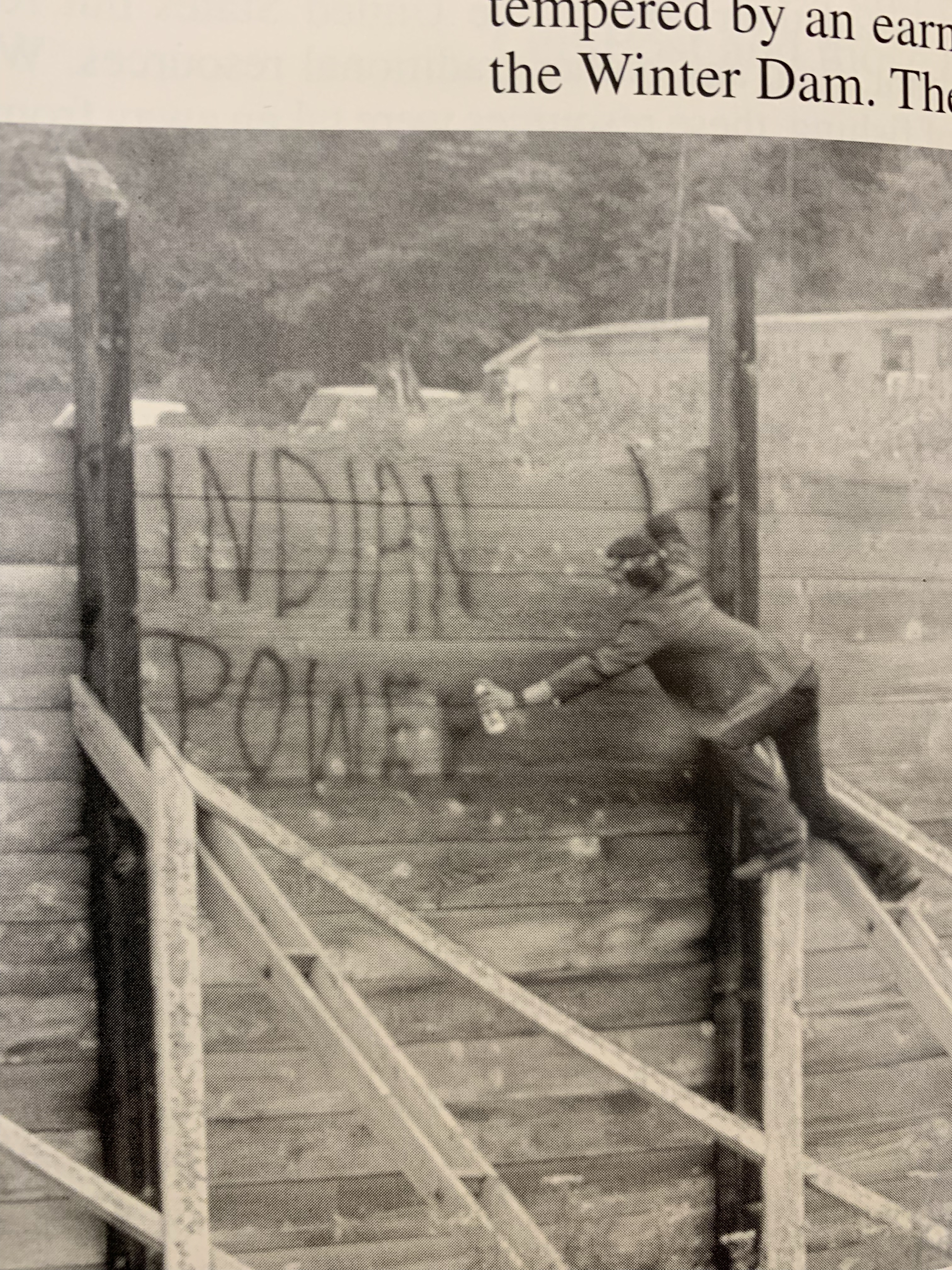
Here are the materials in Sauk-Suiattle Indian Tribe v. City of Seattle (Wash. Ct. App.):
Here is the order in Sault Ste. Marie Tribe of Chippewa Indians v. Haaland (D.D.C.):
Briefs here.
Here is the opinion in Northern Arapaho Tribe v. Beccera.
Briefs:
Lower court materials here.

Here: https://cherokee.org/families-are-sacred-summit/
April 18-20
The “Families Are Sacred Summit” will bring together tribal nations along with federal, state, and local law enforcement, prosecutors and service providers to share best practices on delivering safe and effective services for survivors of domestic violence and their families. We hope the ideas shared will increase successful prosecutions, and reduce crime across all tribal reservations.
Tribal governments, as well as federal, state, and local entities have all been impacted by changes to our legal and law enforcement systems following the McGirt decision by the United States Supreme Court. Now more than ever, it is critically important that we all work together for increased safety across Native lands.
Here are the materials in United States v. Blue Bird (D.S.D.):

 Turtle Talk
You must be logged in to post a comment.