Michalyn Steele, Wenona Singel, Trevor Reed, and Angela Riley
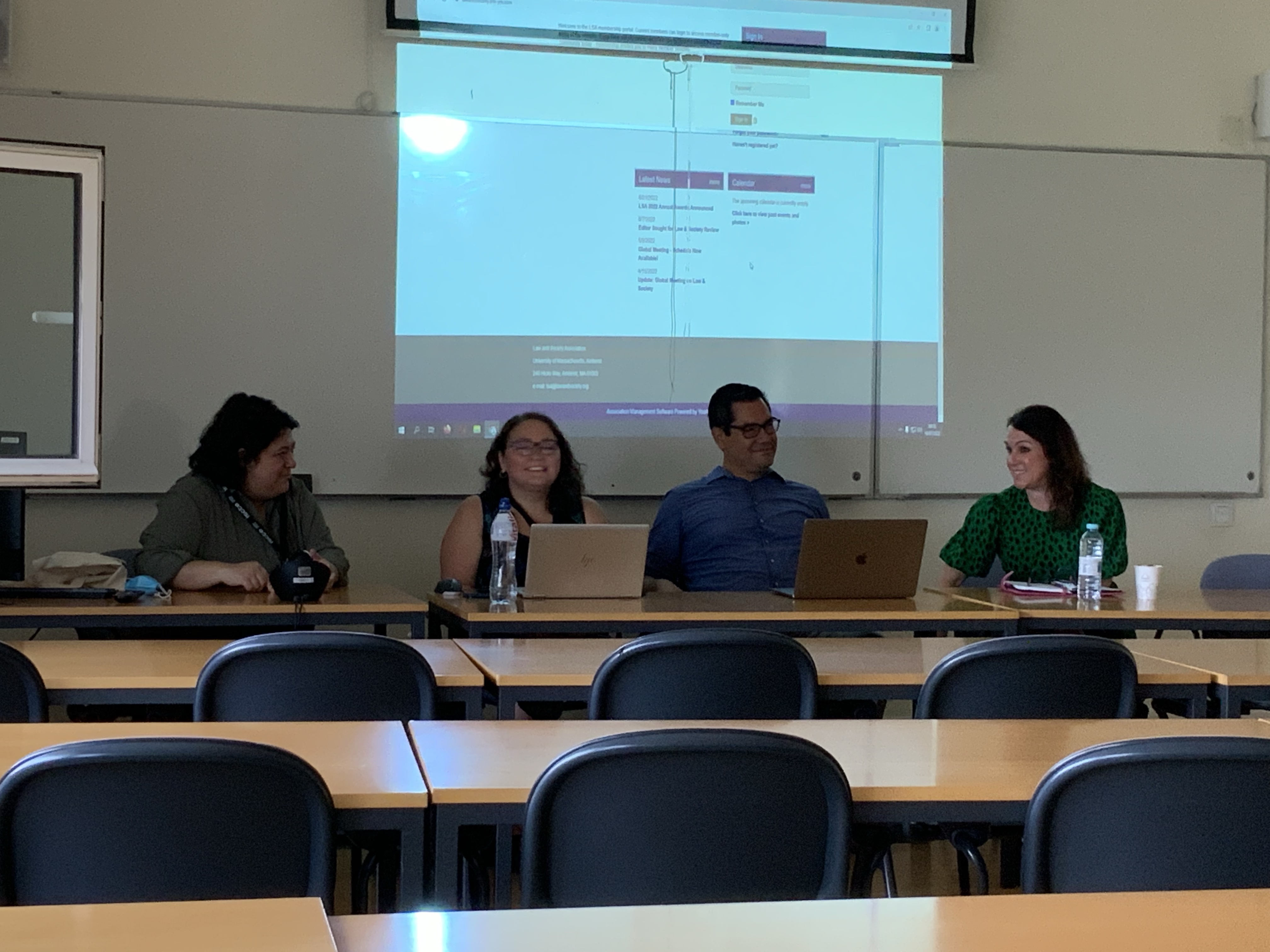

Michalyn Steele, Wenona Singel, Trevor Reed, and Angela Riley
Here:
Crossing the Dark and Fearful River: Monsanto, PCBs, and Emerging Tort Theories
Keith Dornan and Jamie Hearn
Case Law on American Indians
Thomas P. Schlosser
The Rule Against Hearsay, Indigenous Claims and Story-Telling as Testimony in Canadian Courts
Zia Akhtar
A Watershed Moment: The Health and Economic Impact of Water Sustainability in the Navajo Nation Post Pandemic
Onnaedo Nwankwo
Here are the materials in El-Meligi v. Navajo Health Foundation — Sage Memorial Hospital, Inc. (Ariz. Super.):

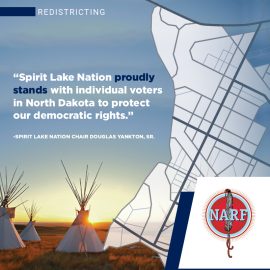
Here is the Order denying the North Dakota’s Motion to Dismiss Turtle Mountain and Spirit Lake’s Complaint.
The Tribes’ Release can be seen here. From the release:
“North Dakota’s newly drawn state legislative map dilutes the voting strength of Spirt Lake members. The Secretary of State has tried to dismiss the case on far-fetched procedural arguments because he doesn’t want to have to argue the facts, but we look forward to the opportunity move forward with this case,” said Spirit Lake Tribe Chair Douglas Yankton, Sr.
“Historically, Native voters in northeastern North Dakota have been able to elect two State House candidates of our choice. The new map reduces our representatives to one and is in direct violation of the Voting Rights Act. We appreciate that the court recognized that Tribes and individual Native voters have the right to be heard and have our voting rights protected,” said Turtle Mountain Chippewa Chair Jamie Azure.
The Motion, Response, Reply, and United States’ Statement of Interest are below.
Previous post on this matter here.
Here are the materials in Block v. Tule River Tribal Council (E.D. Cal.):

Here are the materials in Baker v. Erickson:
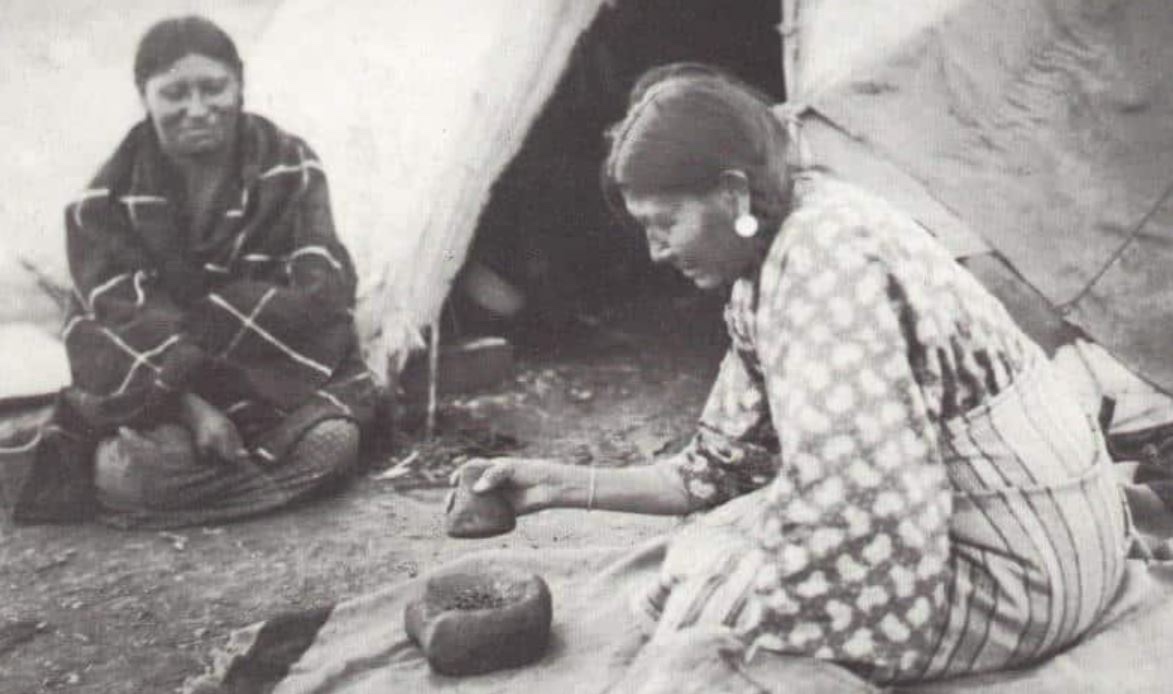
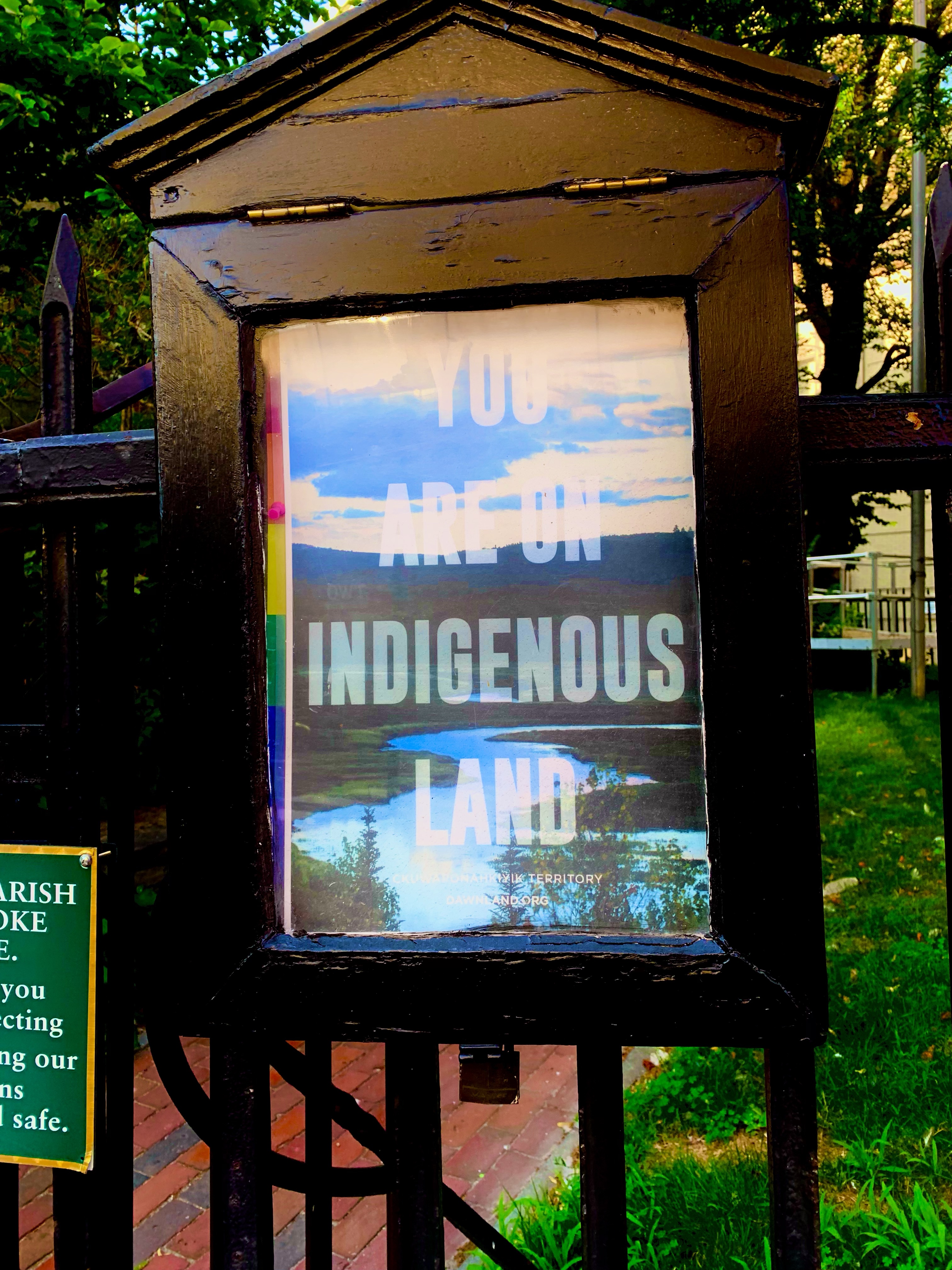
Michael-Corey F. Hinton and Erick J. Giles have published “Eli-Tpitahatomek Tpaskuwakonol Waponahkik (How We, Native People, Reflect on the Law in the Dawnland)” in the Maine Law Review.
The abstract:
Multiple nations within the Wabanaki Confederacy, including the Maliseet Nation, Mi’kmaq Nation, Passamaquoddy Tribe, and Penobscot Nation, were signatories to the July 19, 1776 Treaty of Watertown, which was the first ever treaty entered into by the United States of America following the Declaration of Independence. Following the Treaty of Watertown, Wabanaki warriors served directly under General George Washington and made critical contributions in support of the Americans’ Revolutionary War. Such contributions were made based on the Americans’ promise that the Wabanaki Nations’ lands, natural resources, and traditional ways of life would be forever protected by the fledgling United States. Unfortunately for the Wabanaki Nations, their Revolutionary War-era promises were largely disregarded as the Commonwealth of Massachusetts and then the State of Maine systematically oppressed their indigenous inhabitants by ignoring an emerging body of federal law, based on the Doctrine of Discovery, which was intended to protect those very indigenous people. This Article delves into this complex history by exploring the Doctrine of Discovery, historical dealings between the Wabanaki and the Americans, and the events and court cases leading up to the enactment of the Maine Indian Claims Settlement Act (MICSA), which resolved Wabanaki land claims against the State of Maine for the illegal taking of tribal lands. This Article then analyzes the legislative history and text of the MICSA and juxtaposes this record with federal common law interpreting the rights of federally recognized Tribal nations. Finally, this Article argues that federal common law interpreting the rights of Tribal nations should be relied upon when interpreting the scope of specific Wabanaki rights that were never ceded or relinquished in treaties or in the MICSA.
Here is the unpublished opinion in State of Wisconsin v. House:
Briefs here.

Public Law 280 is the classic example of what SCOTUS would strike down as violating the anti-commandeering principle of the Tenth Amendment. It is a mandate to states (six of them, including Wisconsin) to assume criminal jurisdiction over Indian country and it’s basically unfounded (more or less like most other aspects of Indian country criminal jurisdiction). I guess since the mandatory PL280 states consent to this federal commandeering of their legislative process, it’s okay? Or since the states retain prosecutorial discretion in individual cases? Like a lot of crap the Supreme Court has been shoving down our collective throats for the last few decades, anti-commandeering law is just stupid with two Os (thank you Knives Out for that one).

 Turtle Talk
You must be logged in to post a comment.