
Fletcher Talk Today: “Federal Indian Law after the Notorious RBG + the Less Notorious SGB”
Portia Kay^nthos Skenadore-Wheelock has published “Introduction of VAWA Reauthorization Bill is a Major Step Forward For Tribal Communities.”

DSS and the guardian ad litem for Carrie (GAL) disagree, arguing that respondent
conflates the existence of or possibility of a distant relation with an Indian with
reason to know that a child is an Indian child.
States and courts are really struggling with how much information from a parent gives the court reason to know there is an Indian child in the case–I think this is especially since the regulations now make clear that if you do have reason to know, you must treat the child as an Indian child until demonstrated otherwise. At the same time, there is real issue with lack of nuance on this issue–when a trial court takes the facts from a case like In re Z.J.G. and treats them the exact same way as the facts in this case, which is essentially what happened, then states really have to go send notice for both, which is what the WA Supreme Court held. You don’t do the reverse, which is what the North Carolina Supreme Court has done in this case.
Now, I got an email from California recently and there is a lot of discussion there about the state’s laws there distinguishing between “reason to believe” and “reason to know.” There are a LOT of bumps with implementation, but they are essentially requiring a level, or duty, of inquiry and further inquiry from their state workers to ensure they aren’t missing ICWA cases.
I’d love to get into why is the GAL arguing against the application of ICWA or ensuring the child has the information she may need to be a tribal citizen, but I do have to do some other things today . . . https://turtletalk.blog/2013/11/25/fletcher-fort-indian-children-and-their-guardians-ad-litem/
Here is the order in Wattson v. Anderson by the Minnesota Supreme Court Special Redistricting Panel:

Here is the unpublished opinion.
Briefs are here.
Registration Link: https://msu.zoom.us/webinar/register/WN_OHCUfS6AQoWPJcRF4kLxjg
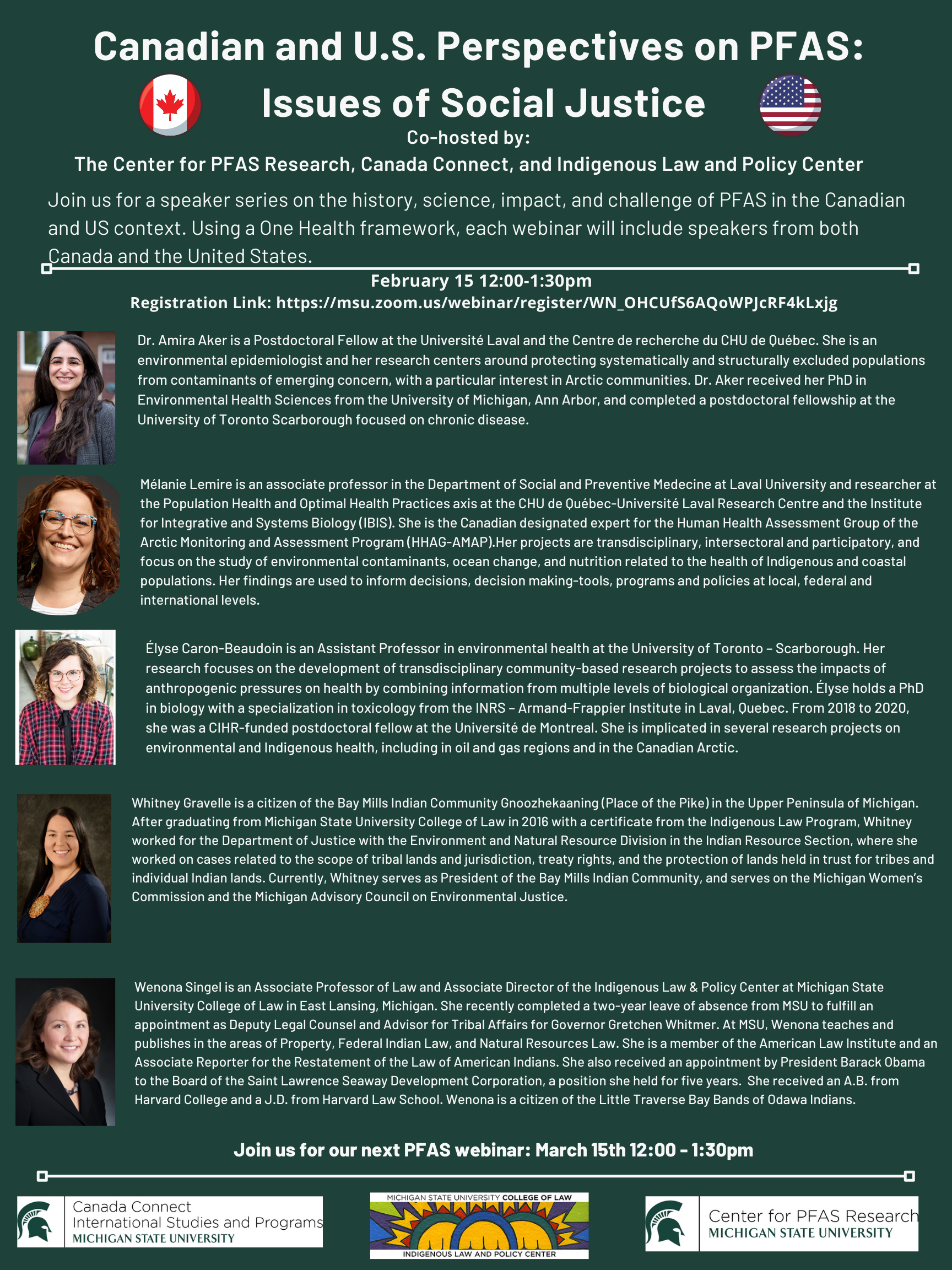
Image Text:
Canadian and U.S. Perspectives on PFAS: Issues of Social Justice
Co-hosted by: The Center of PFAS Research, Canada Connect, and Indigenous Law & Policy Center
Join us for a speaker series on the history, science, impact, and challenges of PFAS in the Canadian and US context. Using a One Health framework, each webinar will include speakers from both Canada and the United States.
February 15 12:00-1:30pm
Registration Link: https://msu.zoom.us/webinar/register/WN_OHCUfS6AQoWPJcRF4kLxjg
Dr. Amira Akar is a Postdoctoral Fellow at the Universite Laval and the Center de reserche du CHU de Quebec. She is an environmental epidemiologist and her research centers around protecting systemically and structurally excluded populations from contaminants of emerging concern, with a particular interest in Arctic communities. Dr. Aker received her PhD in Environmental Health Sciences from the University of Michigan, Ann Arbor, and completed a postdoctoral fellowship a the University of Toronto Scarborough focused on chronic disease.
Melanie Lemire is an associate professor in the Department of Social and Preventative Medicine at Laval Unviersity and researcher at the Population Health and Optimal Health Practices axis at the CHU du Quebec-Universite Laval Research Centre and the Institute for Integrative and Systems Biology (IBIS). She is the Canadian designated expert for the Human Health Assessment Group of the Arctic Monitoring an Assessment Program (HHAG-AMAP). Her projects are transdisciplinary, intersectoral and participatory, and focus on the study of environmental contaminants, ocean change, and nutrition related to the health of Indigenous and coastal populations. Her findings are used to inform decisions, decision making-tools, programs and policies at local, federal, and international levels.
Elyse Caron-Beaudoin is an Assistant Professor in environmental health at the University of Toronto – Scarborough. Her research focuses on the development of transdisciplinary community-based research projects to assess the impacts of anthropogenic pressures on health by combining information form multiple levels of biological organization. Elyse holds a PhD in biology with a specialization in toxicology from the INRS – Armand-Frappier Institute in Laval, Quebec. From 2018 to 2020, she was a CIHR-funded postdoctoral fellow at the Universite de Montreal. She is implicated in several research projects on environmentalism and Indigenous health, including in oil and gas regions and in the Canadian Arctic.
Whitney Gravelle is a citizen of the Bay Mills Indian Community Gnoozhekaaning (Place of the Pike) in the Upper Peninsula of Michigan. After graduating from Michigan State University College of Law in 2016 with a certificate from the Indigenous Law Program, Whitney worked for the Department of Justice with the Environmental and Natural Resource Division in the Indian Resource Section, where she worked on cases relate to the scope of tribal lands and jurisdiction, treaty rights, and the protection of lands held in trust for tribes and individual Indian lands. Currently, Whitney serves as President of the Bay Mills Indian Community, and serves on the Michigan Women’s Commission and the Michigan Advisory Council on Environmental Justice.
Wenona Singel is an Associate Professor of Law and Associate Director of the Indigenous Law & Policy Center at Michigan State University College of Law in East Lansing, Michigan. She recently completed a two-year leave of absence from MSU to fulfill an appointment as Deputy Legal Counsel and Advisor for Tribal Affairs for Governor Gretchen Whitmer. At MSU, Wenona teaches and publishes in the areas of Property, Federal Indian Law, and Natural Resources Law. She is a member of the American Law Institute and an Associate Reporter for the Restatement of the Law of American Indians. She also received an appointment by President Barack Obama to the Board of Saint Lawrence Seaway Development Corporation, a position she held for five years. She received an A.B. from Harvard College and a J.D. from Harvard Law School. Wenona is a citizen of the Little Traverse Bay Bands of Odawa Indians.
Join us for our next PFAS webinar: March 15th 12:00-1:30pm
Here is the complaint in Navajo Nation v. San Juan County (D.N.M.):

Here is the motion to dismiss in City of Seattle v. Sauk-Suiattle Tribal Court (W.D. Wash.):
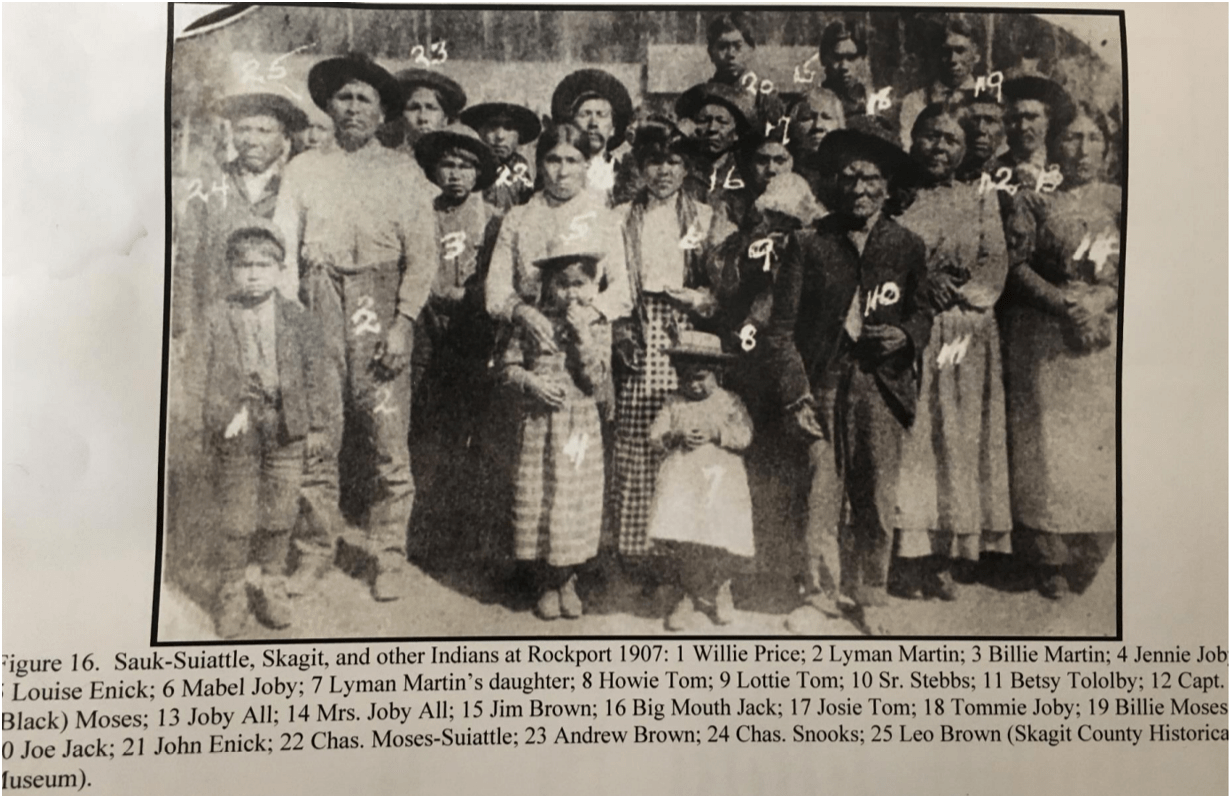
Prior post here.
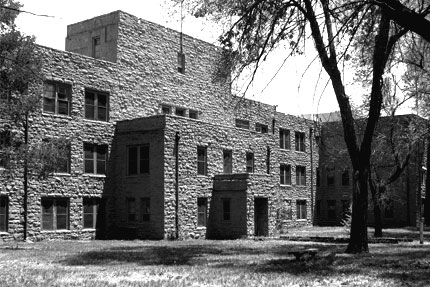
Here is the complaint in Fort Defiance Indian Hospital Board v. Beccera (D.N.M.):
Here are the materials in National Wildlife Federation v. U.S. Fish and Wildlife Service (N.D. Cal.):
74 Enviros Motion for Summary J
87-1 Red Cliff Ojibwe Amicus Brief
107 Federal Motion for Summary J
116 Enviros + Sault Tribe Amicus Brief

 Turtle Talk
You must be logged in to post a comment.