Lexington Insurance Co. v. Suquamish Tribe Cert Petition

Here:

Lower court materials here. En banc materials here. District court materials here.

Nonmember Business Sues to Avoid Tribal Court Jurisdiction

Here are the pleadings so far in Mazaska Owecaso Otipi Financial Inc. v. Montileaux (D.S.D.):

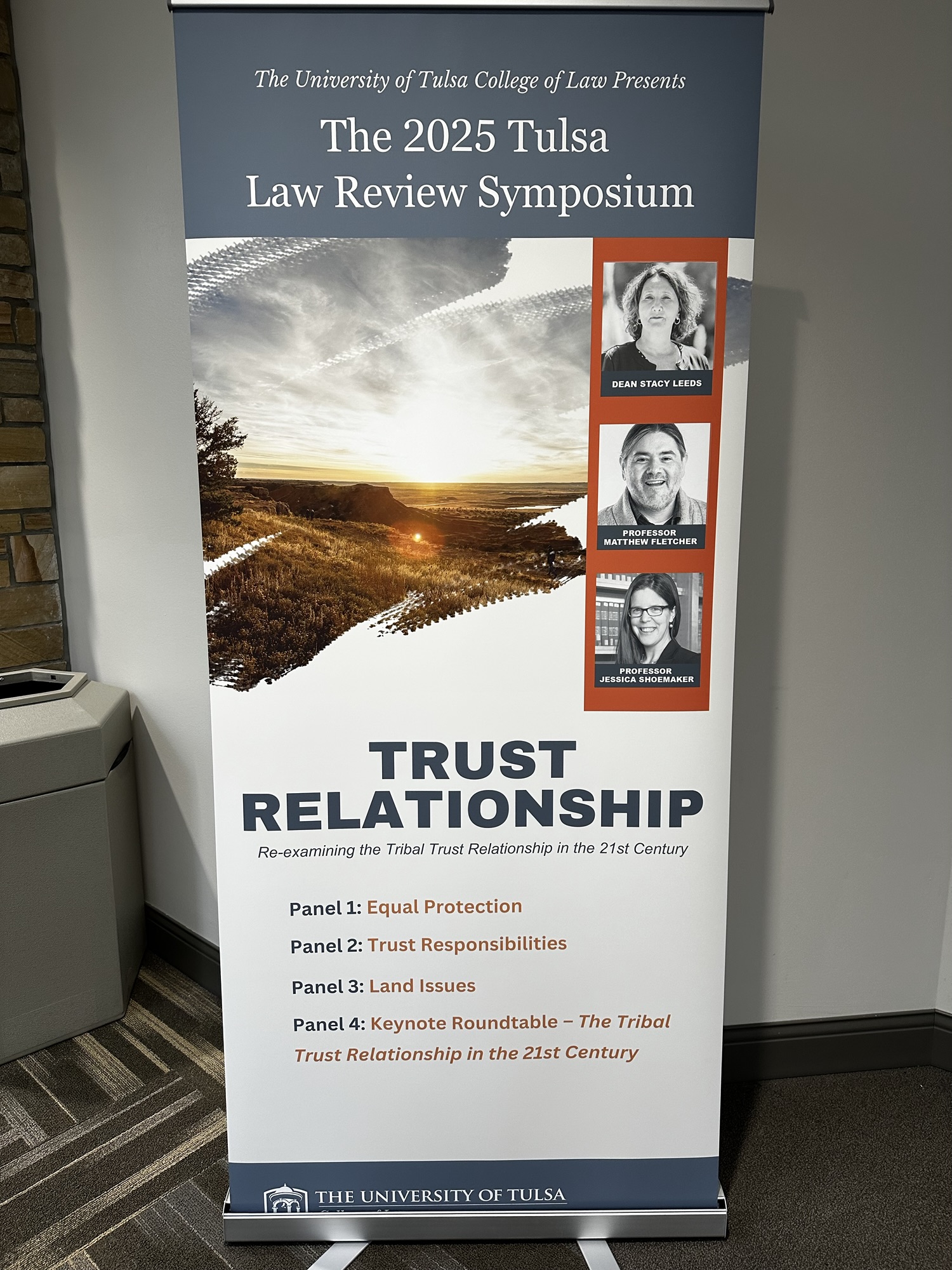
Stanford Law Review Symposium— “Promises of Sovereignty: A Quarter Century of Federal Indian Law in the Supreme Court” [Feb. 21-22, 2025]

Here.

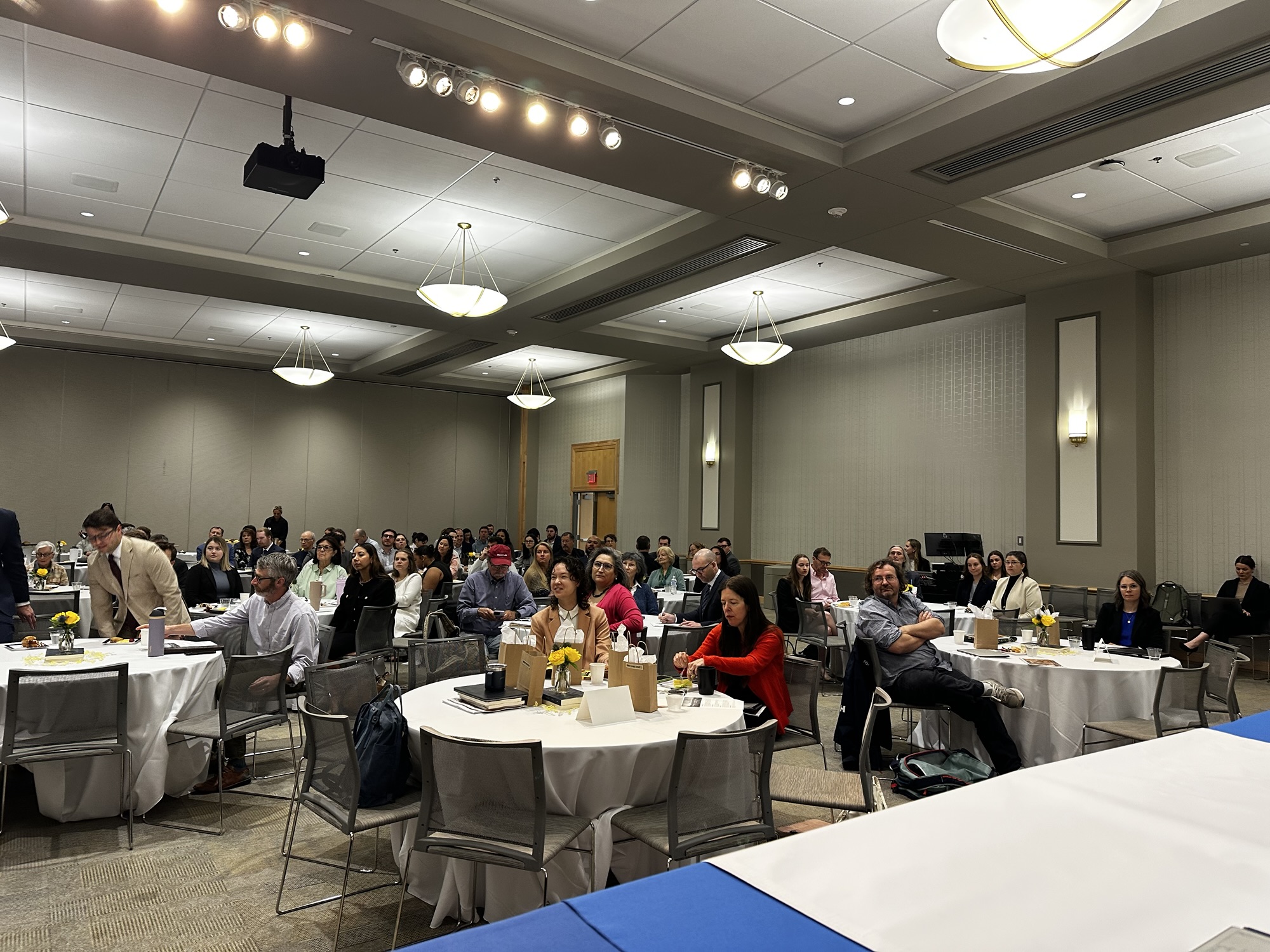
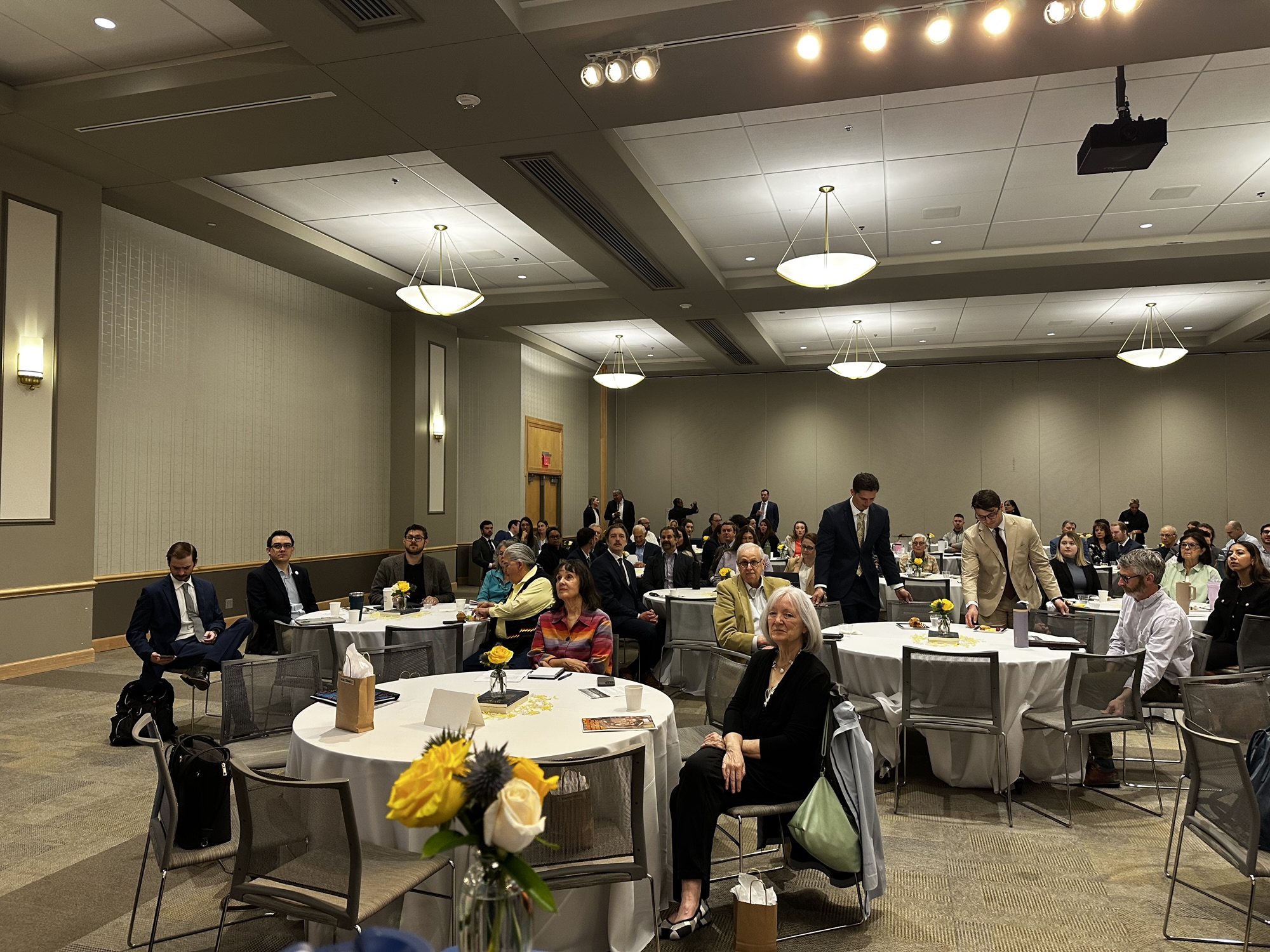
Pretty sure the event will be in this room.

Save the Date for Indian Law Preview Day at the University of Montana Alexander Blewett III School of Law

From Kekek Stark, Montana’s intrepid Anishinaabe law professor:

We would love for you and your students to join us at Montana’s Law School on Monday April 14th for our annual Indian Law Preview day.

Indian Law preview day is a great way to give students an overview of our Indian Law Certificate program, an overview of what types of jobs Indian Law specialists can have, and insights into the law school application process in general. The program is open to anyone interested in Indian Law as a subject matter, and students who are anywhere from application-ready to several years out from law school.

If you would like to continue to receive updates, please use the form below to register for the event, and please feel free to circulate this save the date to your interested students.  Even if a student is unsure if they’ll be able to attend, please have them “register” using the form below to be sure to get updates.

Register for Indian Law Preview Day

Our tentative schedule is as follows- students should plan to be in Missoula In-Person:

8:00- Check in and Welcome from Dean Gagliardi

8:30- Law School Admissions Basics

9:00- Strategizing for the Law School Admissions Test

10:30- Attend Indian Law Class

12:00- Lunch with panel of Indian Law specialists, including a presentation from the American Indian Law Center and Pre-Law Summer Institute

1:00- close.

This preview day is the kickoff to our full Indian Law week that will include interesting lectures and events.

[ed. There will be mountains.]

Webinar on Upcoming WIPO Treaty on IP and Genetic Resources Consultation

Consultation notice here.

Job Announcements Update

We recently learned of a technical issue with the form we used to collect job announcements. The issue is resolved, and announcements can now be uploaded on our Google Form. We apologize for any inconvenience this may have caused.

South Dakota Federal Court Suppresses Non-Mirandized Answer to Tribal Membership Question

Here are the materials in United States v. Whipple-Wright (D.S.D.):

Daffy Duck: “The Wizard”

Unspeakable power.

After Sabbath’s Children of the Grave, naturally.

“Stick Houses” Profiled by Interlochen Public Radio

Here. Buy book here.

Excerpts:

Interview highlights

On the book’s title: “I didn’t really understand what my mother was talking about when she referred to stick houses. It’s just an architectural term. And when she said it, literally I thought it meant that we had houses made out of little like tiny sticks, but she meant houses that are just like regular houses now, made out of lumber. And that’s sort of the story. Indian people for the last 150 years in Michigan didn’t live in wigwams or teepees or lodges. We lived in houses. And my grandmother in 1921 was born in Allegan County, Michigan, in a stick house, and she wasn’t the first generation to be like that. It was more 19th century stuff. Graduate students probably at Grand Valley State or Western or something, insisted, and wanted to hear about how she her generation, or maybe her mother’s generation was born in a wigwam and that just wasn’t the case.”

“We’re a bunch of different things, like all people are, and I wanted to show some different sides to Native people that are not typically shown.”

Matthew Fletcher
author, “Stick Houses”

On themes of short stories: “‘Truck Stop’ is a parable about the Indian Child Welfare removals of the middle part of the 20th century. The Indian Child Welfare Act of 1978 is near and dear to my heart. And when you work on those cases, or you study them as a professor like I do, they kind of lose their emotional core. I mean, all you hear is surface level stories about the trauma of how Indian people went through this. But I wanted to kind of point out how Native people survived it as well. The trauma is there and it’s quite terrifying and can be really horrible, but sometimes there is a rekindling, a reconnection of culture and individuals to each other, and I wanted to drill into that a little bit.”

On what he hopes readers take away from his book: “I’ve been listening to this brand new punk rock band that’s fronted by an Indigenous poet. The band is called ‘Dead Pioneers,’ which is awesome and hilarious. … And he has this great line. He says, you don’t realize it that even though we’re Native and Indigenous and have a tribal existence, we’re also having an American experience, and that’s what this is about, right? Like everybody, we shade ourselves in different contexts and shade our personalities to address the context in a given social situation. That’s true professionally and in our educational lives as well. So we’re a bunch of different things, like all people are, and I wanted to show some different sides to Native people that are not typically shown.”

Utah Federal Court Rejects Ute Tribe Demand to Restore Federal Land to Tribal Ownership

Here are the materials in Ute Indian Tribe v. United States (D.D.C.):

35 US Motion to Dismiss Counts 1-3, 5

46 Opposition

48 Reply

76 DCT Order

102 Ute Motion for Summary J on Remaining Counts

103-1 US Cross-Motion

105 State Joinder of 103

109 Ute Reply

110 US Reply

111 State Reply

117 DCt Order

Complaint here.