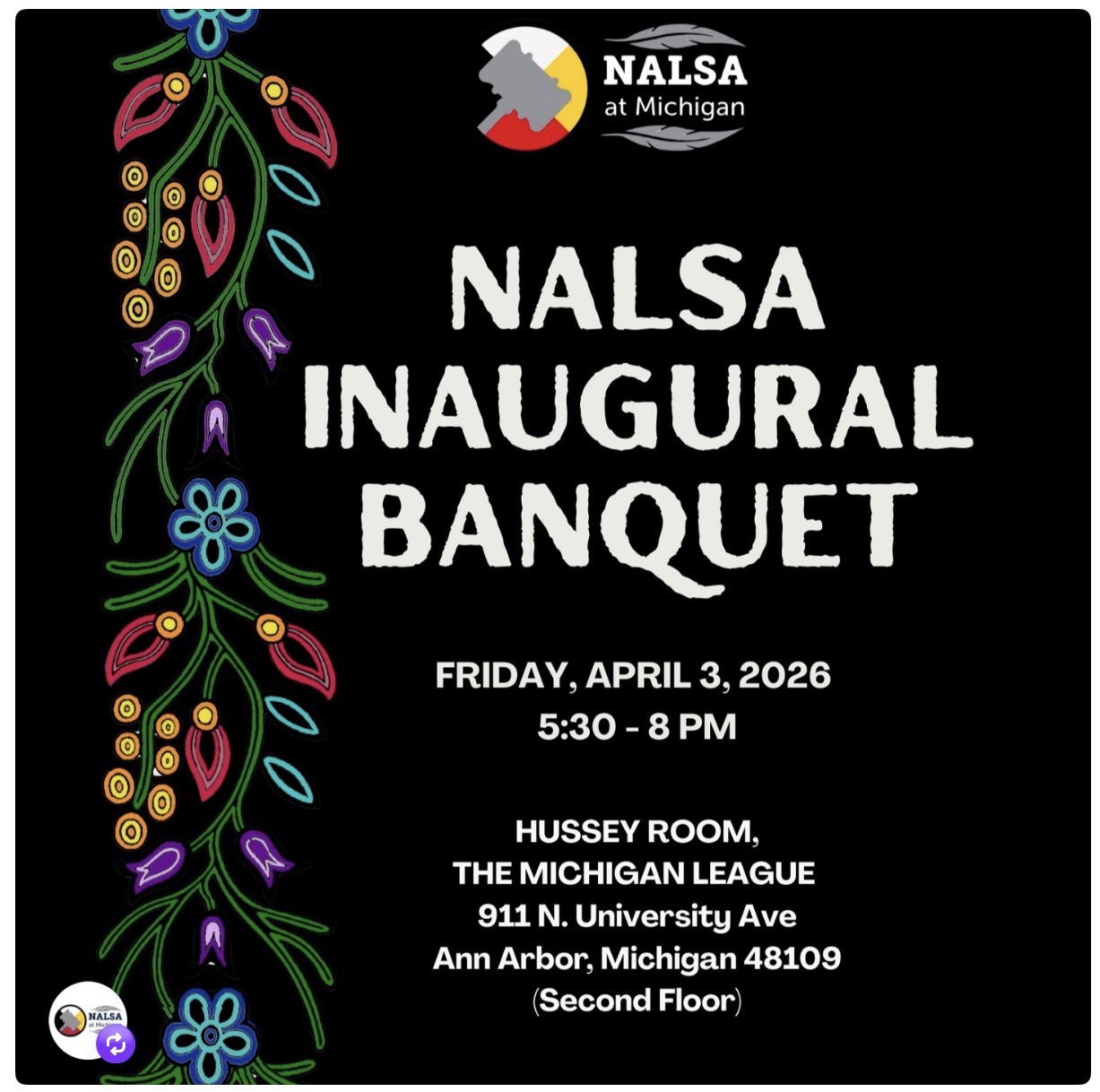
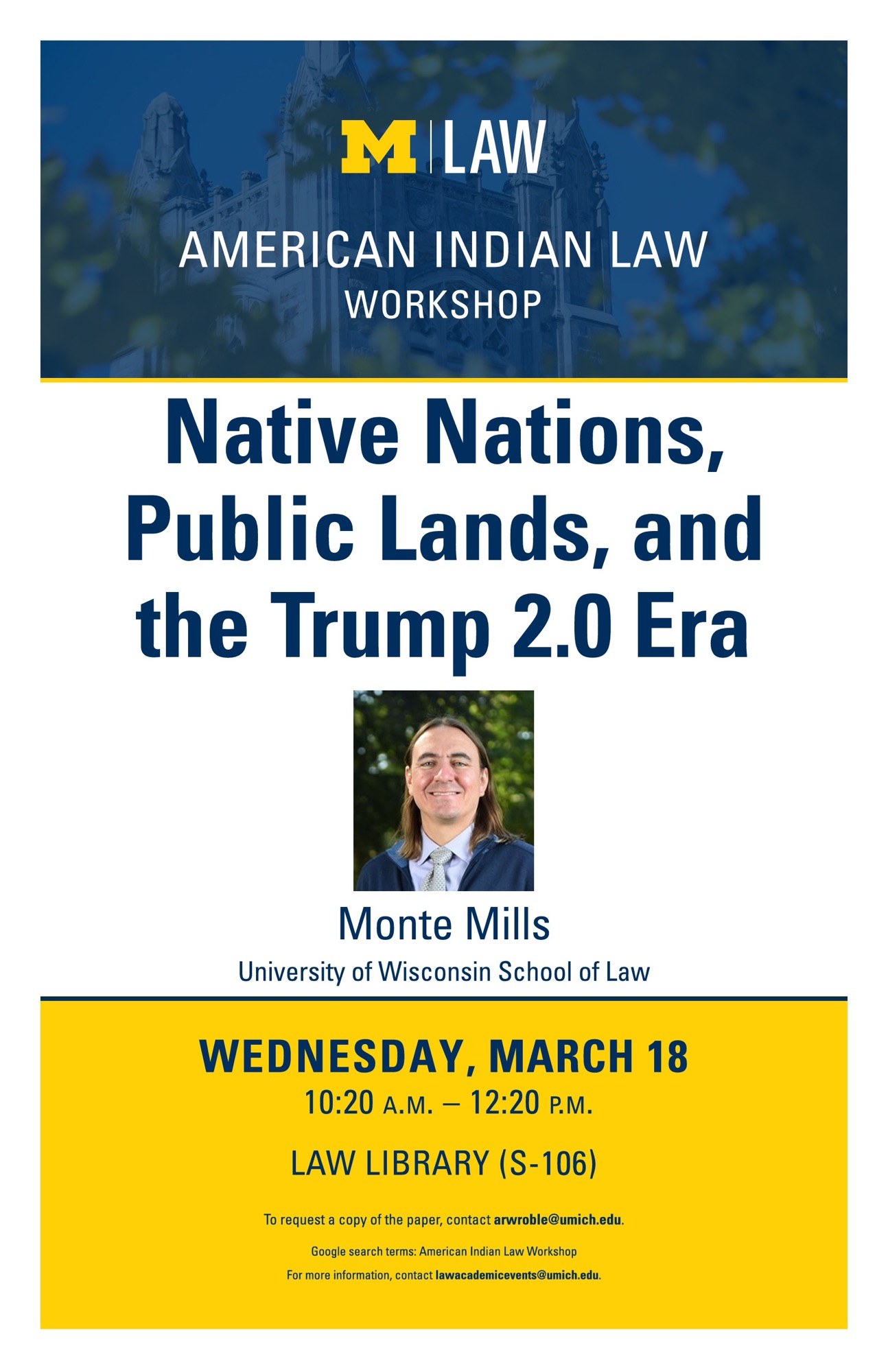
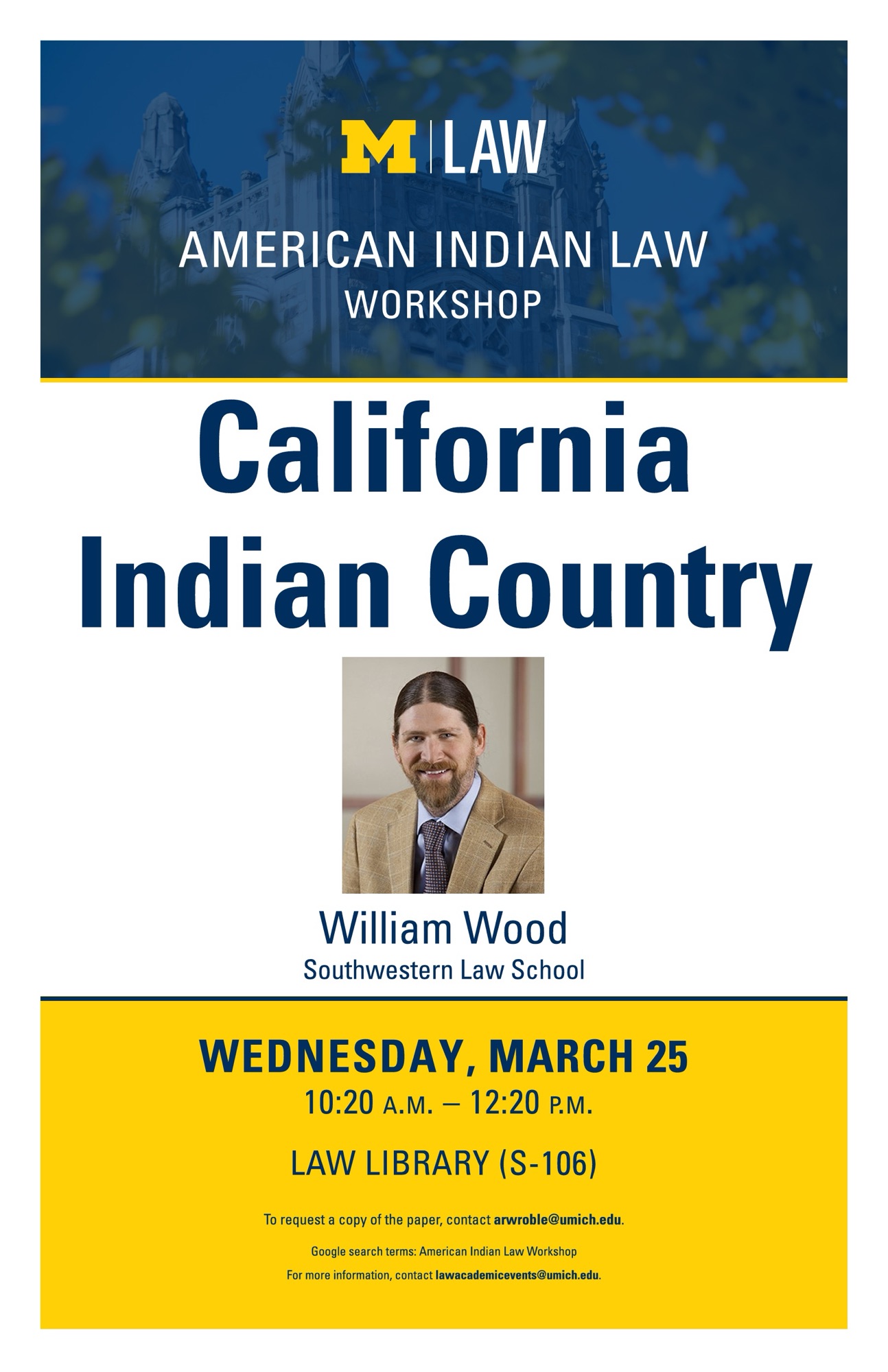
Hainipi, Boozhoo, Aaniin, Chokma, Yá’át’ééh, Imaynallan, Mohtompan wunne, Posoh, ᎣᏏᏲ, Lios em chaniavu, Ske:g taş: Greetings from the Native American Law Students Association (NALSA) at Michigan Law! Please join us for our inaugural NALSA Banquet to celebrate Indigeneity and be in community.
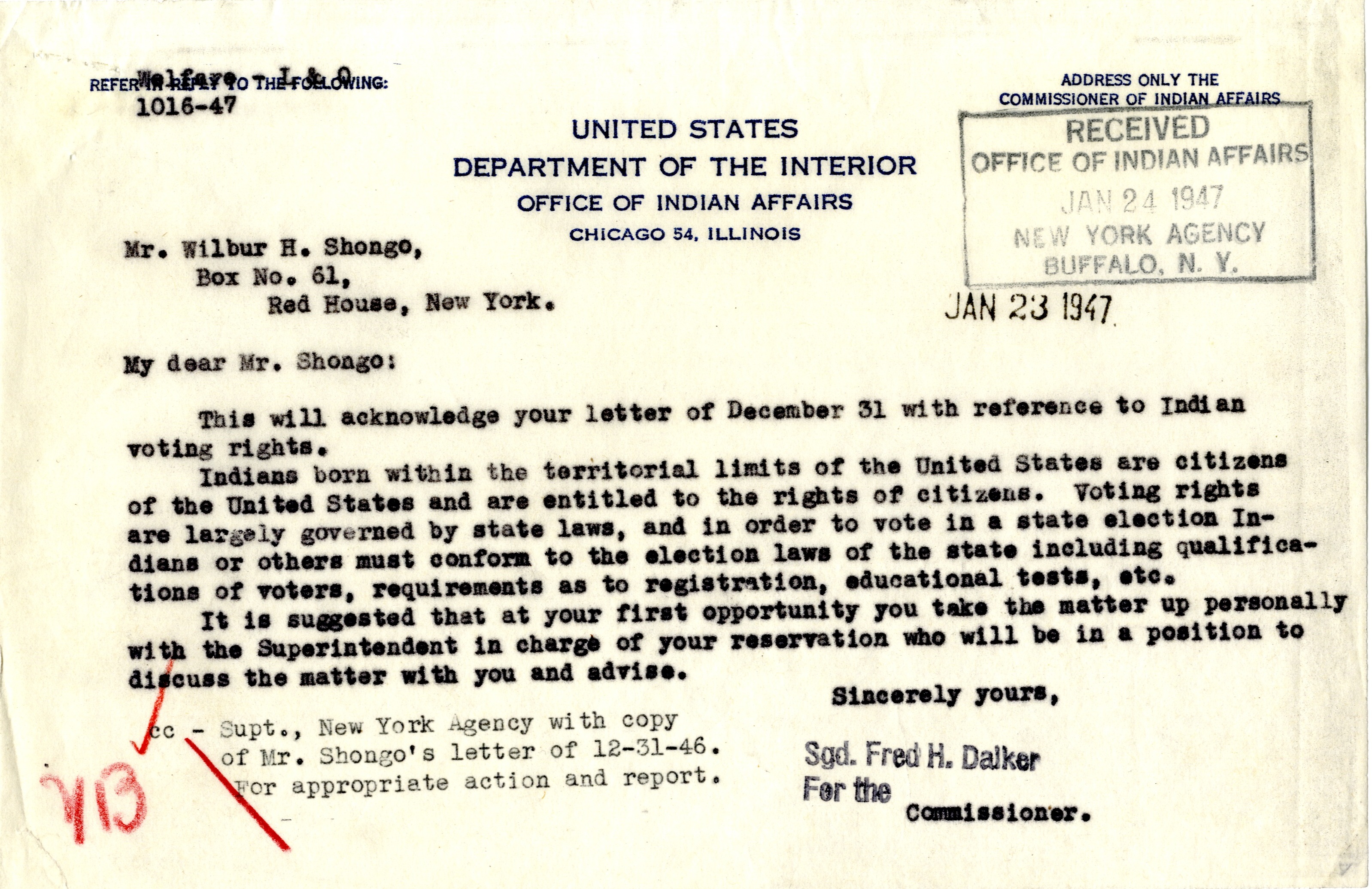
This Article examines the enduring legacy of Elk v. Wilkins, 112 U.S. 94 (1884), a Supreme Court decision that interpreted the Fourteenth Amendment’s Citizenship Clause to exclude Native Americans from birthright citizenship. By relegating Native citizenship status to a statutory privilege rather than a constitutional right, Elk created a framework that has since been weaponized to challenge birthright citizenship for the children of undocumented immigrants. This Article demonstrates how Elk’s flawed reasoning—particularly its narrow reading of “subject to the jurisdiction thereof”—continues to shape legal and political efforts to erode the Fourteenth Amendment’s guarantees.
Drawing on Justice Harlan’s dissent in Elk, the legislative history of the Fourteenth Amendment, and the text of the Citizenship Clause, this Article argues that Elk was wrongly decided and that the jurisdictional requirement was never intended as a tool for exclusion. The Reconstruction Framers designed the Citizenship Clause to ensure equal citizenship for all persons born on U.S. soil, regardless of ancestry or parental status. Justice Harlan’s dissent provides a blueprint for this inclusive reading, rejecting the notion that allegiance at birth determines jurisdiction.
This Article calls for the explicit repudiation of Elk and its continued misuse in modern birthright citizenship debates. The Fourteenth Amendment’s promise is clear: for anyone born in the United States who subjects themselves to its jurisdiction, birthright citizenship is a constitutional right, not a congressional privilege.
Recommended. I agree that Elk v. Wilkins wrongly decided. The opinion is filthy with rank bigotry and deserves no serious consideration, the reality of which is proven in the horrific, bigoted manner in which the Department of Justice is defending Trump’s birthright citizenship order by relying on Elk‘s application of a racial caste system. And wouldn’t it be nice if Indigenous Peoples, like all people, have the right to consent to or reject American citizenship?
Tribes in Michigan oppose Enbridge the Line 5 oil pipeline replacement plan, arguing the environmental risks to their traditional waters far outweigh any benefits. The proposal to replace the 70-year-old pipeline that currently runs through Michigan and Wisconsin has faced many legal challenges over the years. Now, the U.S. Supreme Court will decide whether the state or federal government should have say over how the project proceeds. The decision could set a precedent on how much power tribes and states have in regulating fossil fuel development. We’ll speak with tribal leaders, Native legal scholars, and others about what’s next for the ongoing Line 5 pipeline legal battle.
GUESTS
Wenona Singel (Little Traverse Bay Bands of Odawa), associate professor of law at Michigan State University College of Law and associate director of the Indigenous Law and Policy Center


 Turtle Talk
You must be logged in to post a comment.