Here are updated materials in Parker v. Halftown (N.D.N.Y.):
Prior post here.

Mostyn Josty has published “Rivers of Sovereignty: The EPA’s New Water Quality Standards Rule as a Potential Channel for Revitalizing Tribal Reserved Water Rights” in the Cardozo Law Review.
Here is the abstract:
This Note explores the federal government’s evolving approach to its obligation to protect tribal reserved water rights through a case study of the Environmental Protection Agency’s (EPA) 2024 Water Quality Standards Regulatory Revisions to Protect Tribal Reserved Rights rule (the “WQS Rule”). It argues that while the WQS Rule represents a step forward in safeguarding tribal water rights, the legal challenge it faces underscores broader issues of federalism, administrative authority, and the country’s fluctuating commitment to tribal sovereignty. The Note examines the WQS Rule’s legal foundation, its potential challenges, and the implications for tribal self-determination, emphasizing the need for a more accountable and enforceable framework for tribal water protections.Additionally, this Note situates these legal developments within international human rights frameworks, suggesting that evolving global standards on Indigenous rights and water access could offer a more stable foundation for securing equitable water for reservations. Ultimately, this Note argues that regardless of the WQS Rule’s future, it is the underlying principle of the federal trust obligation and the need for lasting protections that must guide efforts to ensure Native Nations’ access to water.
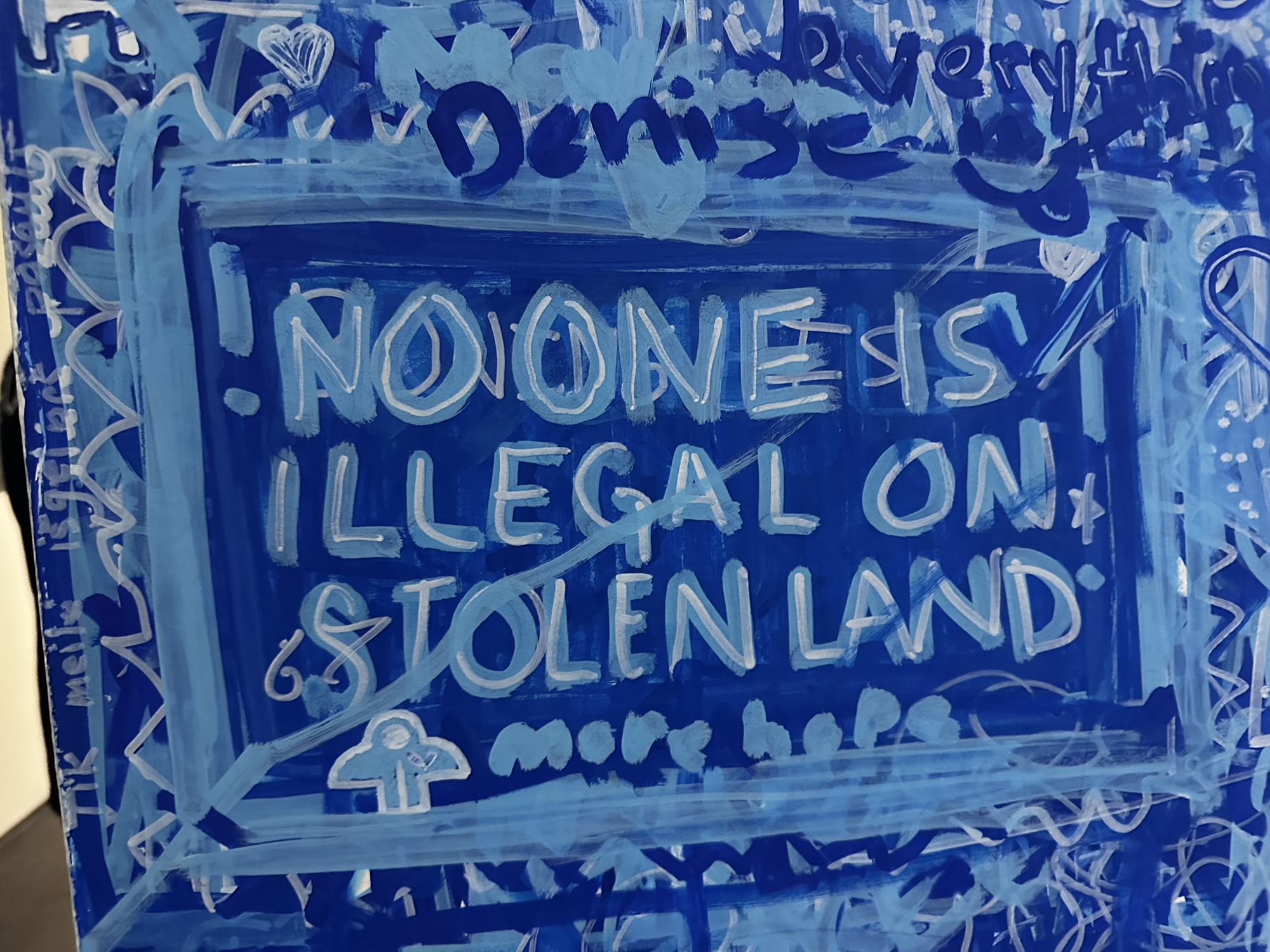
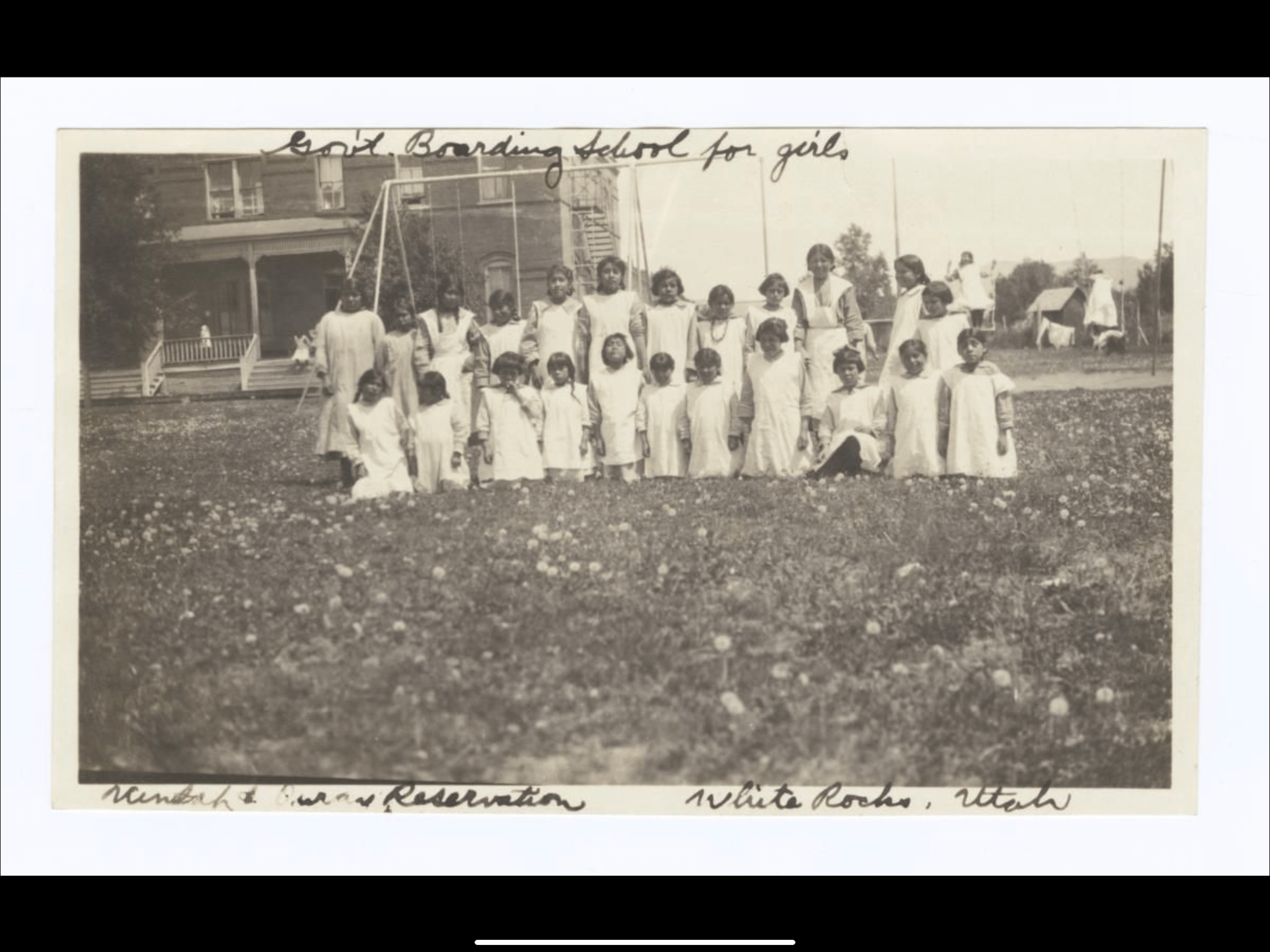
Jilly Horowitz has published “Pursuing Restorative Justice for the Legacy of Federal Indian Boarding Schools” in the Cardozo Journal of Dispute Resolution.
An excerpt:
The federal government started to acknowledge its role in causing devastating damage throughout Native communities, but acknowledgement is just the beginning of restorative justice. Because the federal government has not communicated any plans for ongoing restorative and reparative work, this Note will analyze the federal government’s efforts to date. Finally, the Note will conclude with a discussion of what an ongoing restorative justice practice might look like and how this work would help to restore Native sovereignty.
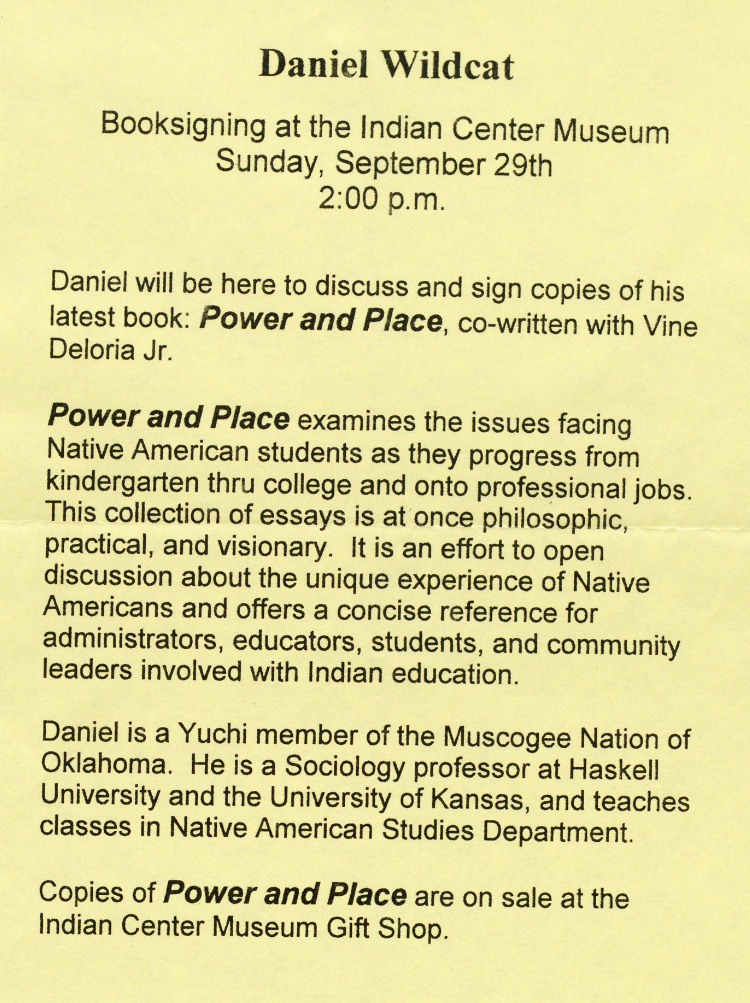
Shivani Singh has published “The Need for Special Tribal Criminal Jurisdiction Over Drug Crimes” in the Cornell Journal of Law and Public Policy.
An excerpt:
Limitations to Tribal criminal jurisdiction, especially over drug crimes, have ultimately contributed to “limited law enforcement; delayed prosecutions; too few prosecutions, and other prosecution inefficiencies” that have allowed non-Indian perpetrators to exploit a failing system and endanger vulnerable Tribal communities.

Tana Fitpatrick published “Federal Gatekeeping and Hollow Sovereignty: A Historical
Statutory Analysis of Tribal Access to Legal Representation” in the Sovereignty Symposium XXXVII (2025). It seems like a really good paper. Wish I knew about it earlier.
Here is the opinion in Peterson v. Harrah’s NC Casino Company LLC.
Briefs:
Lower court materials here.
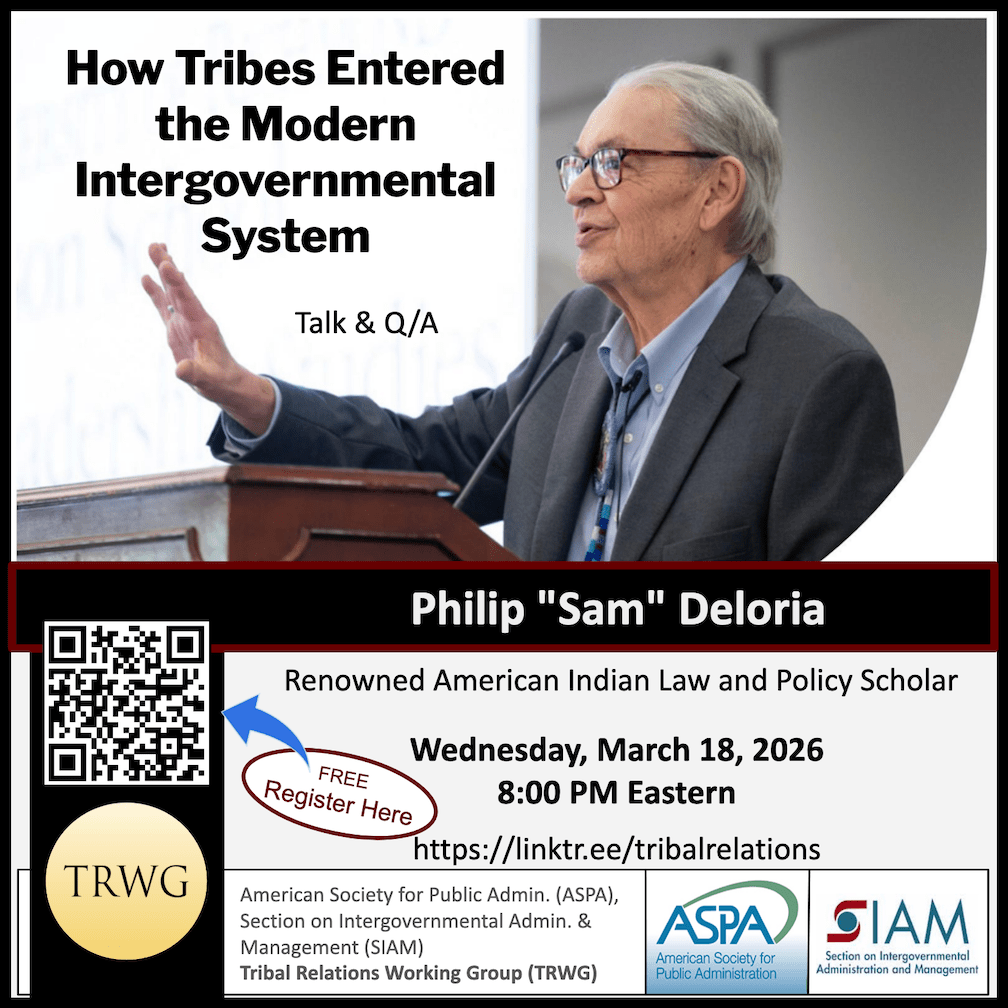
“How Tribes Entered the Modern Intergovernmental System”A talk & Q/A with renowned American Indian law and policy scholar
Philip “Sam” Deloria
Wednesday, March 18, 2026
8:00 PM Eastern (free, open to the public)
REGISTER HERE: https://linktr.ee/tribalrelations
Sponsored by:
The American Society for Public Administration (ASPA), Section on Intergovernmental Admin. & Management (SIAM), Tribal Relations Working Group (TRWG)
Co-sponsors:
Society of American Indian Government Employees (SAIGE)
National Academy of Public Administration (NAPA), Standing Panel on Intergovernmental Systems (IGS)

Here are the materials in Wahpekeche v. Pettigrew:

Here are the materials in For Love of Water v. Michigan Public Service Commission:
Oral argument link:
https://youtu.be/bNRSAJCxap8?si=a76bpgyBDGBEf6FV
Briefs:
Here are the materials in Little Traverse Bay Bands of Odawa Indians v. Michigan Public Service Commission:
Oral argument link: https://youtu.be/H8Y6RHgY9hM?si=wtafDSX7nuzeP3vs
Briefs:
 Turtle Talk
You must be logged in to post a comment.