Lots of really interesting material here.
Links to the recordings of each panel available here.
Grant Christensen & Andrew Appleby have published “State Tax Exemptions for Cultural Property” in the Yale Law Review Forum.
Here is the abstract:
In 2026, the California legislature enacted Assembly Bill (AB) 1485, which exempts from real property transfer taxes certain transactions that return tribal land to tribes. This Essay examines AB 1485 as a model for how state tax policy can further tribal sovereignty by facilitating the return of culturally significant land to federally recognized Indian tribes. This Essay argues that state and local taxes imposed on the transfer of land to tribal governments create practical financial barriers to reacquisition, reinforcing the historic erosion of tribal land and limiting tribes’ ability to protect sacred sites and sustain community life. Understanding these tax burdens within the broader legacy of allotment and dispossession, this Essay contends that other states should adopt more durable and inclusive exemptions than AB 1485. By reframing transfer tax exemptions as a state’s recognition of inherent tribal sovereignty, and as a modest response to the colonial foundations of state land ownership, this Essay concludes that state tax reform can serve as a meaningful tool for states to participate in rebuilding reservation communities and in strengthening tribal-state relations.
Here are the new materials in Metlakatla Indian Community v. Dunleavy (D. Alaska):
Prior posts here.

Here is the opinion in Smith v. United States (Fed. Cl.):

Here is the complaint in Swinomish Indian Tribal Community v. National Marine Fisheries Service (W.D. Wash.):

Here are the materials in Sauk-Suiattle Indian Tribe v. Ferguson:
From the tribe’s legal counsel:
The civil action (No. SAU-civ-07/26-002) seeks to enjoin various officials of the State of Washington from deducting nominal property of $300 ($450 to Elders) which the tribe provides to its members and applying the value of such property to reduce or deny eligibility for certain programs which the tribe’s people otherwise entitled.

Here is the order in Trump v. IRS (S.D. Fla.) dismissing the case in which DOJ agreed to pay the Trump family and business $1.776 Billion and sanctioning DOJ attorneys who signed off on the “settlement”:
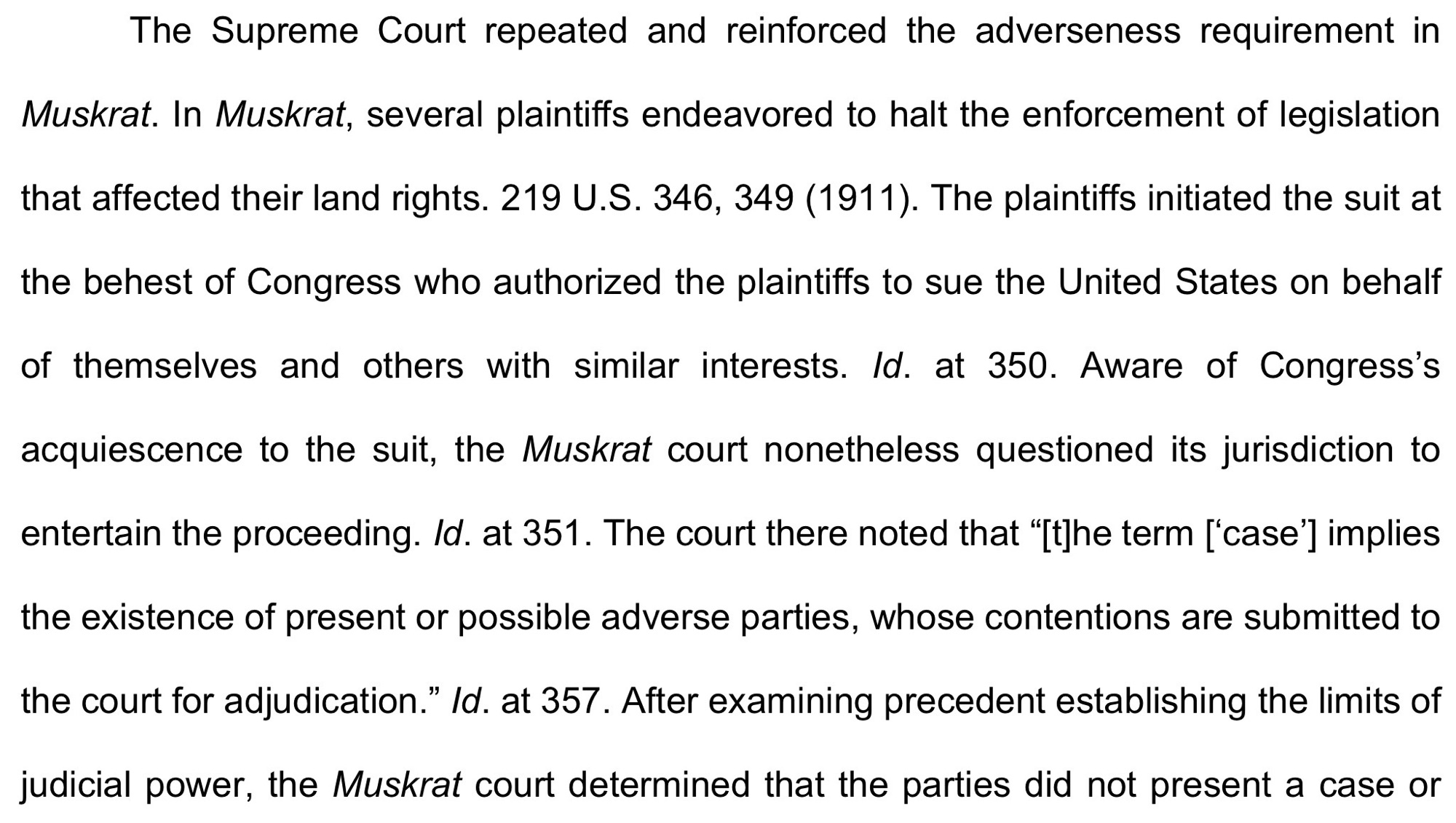
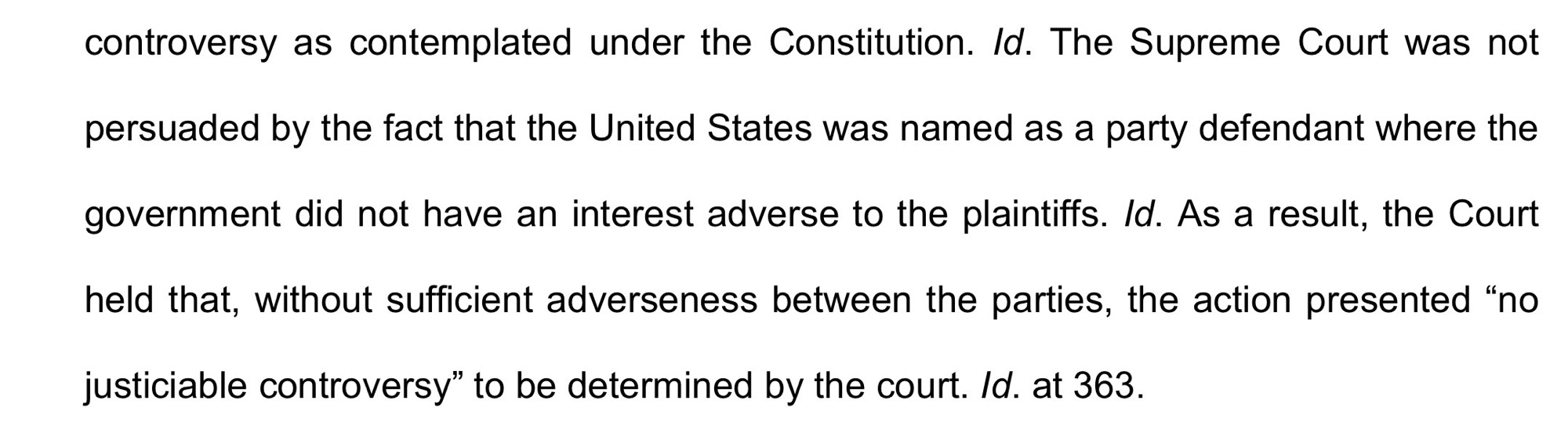
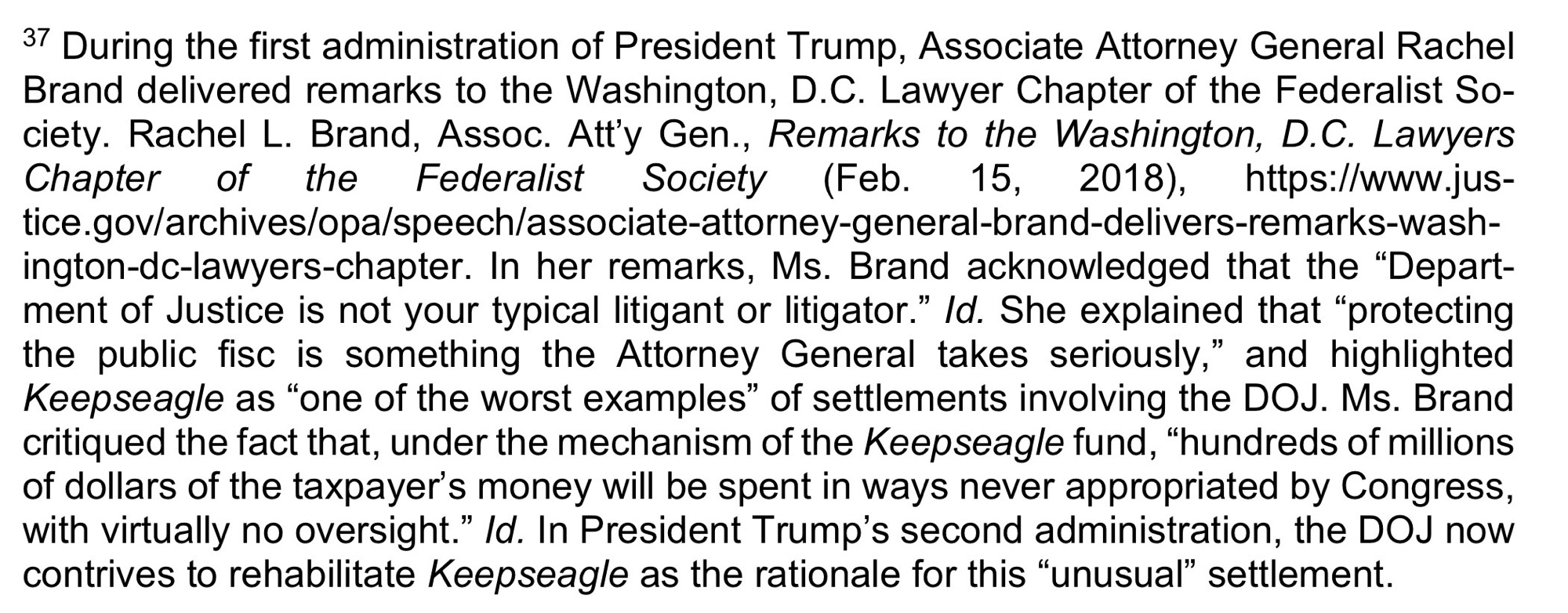
Lots of discussion of Muskrat v. US (a Fed Courts standby) and the Keepseagle settlement:

 Turtle Talk
You must be logged in to post a comment.