New Scholarship on the 2016 Choctaw and Chickasaw Water Agreement

J. Eric Reed has published “Towards Balance and Equity: An Indigenous Review For Updating the 2016 Water Agreement Between the Choctaw & Chickasaw Nations with Oklahoma & the United States Government for a Sustainable Future of Water Use” in the Vermont Journal of Environmental Law

Teck Metals v. Colville Cert Petition

Here:

Question presented:

The question presented is whether CERCLA authorizes damages for the felt loss of a cultural connection to natural resources.

Lower court materials here.

Seventh Circuit Rules Enbridge Must Move Line 5 from Bad River Reservation

Here is the opinion in Bad River Band of Lake Superior Tribe of Chippewa Indians of the Bad River Reservation v. Enbridge Energy Co. Inc.

Materials here.

Fort Belknap Suit against US re Milk River Allocation

Here is the complaint in Fort Belknap Indian Community of the Fort Belknap Reservation of Montana v. United States (D. Mont.):

Alaska Tribal Nations Sue Feds over Road Project in Izembek Refuge

Here is the complaint in Native Village of Hooper Bay v. United States Army Corps of Engineers (D. Alaska):

United States v. Shoshone-Bannock Tribes Cert Petition

Here:

Lower court materials here.

Related: J.R. Simplot Co. LLC v. Shoshone-Bannock Tribes petition:

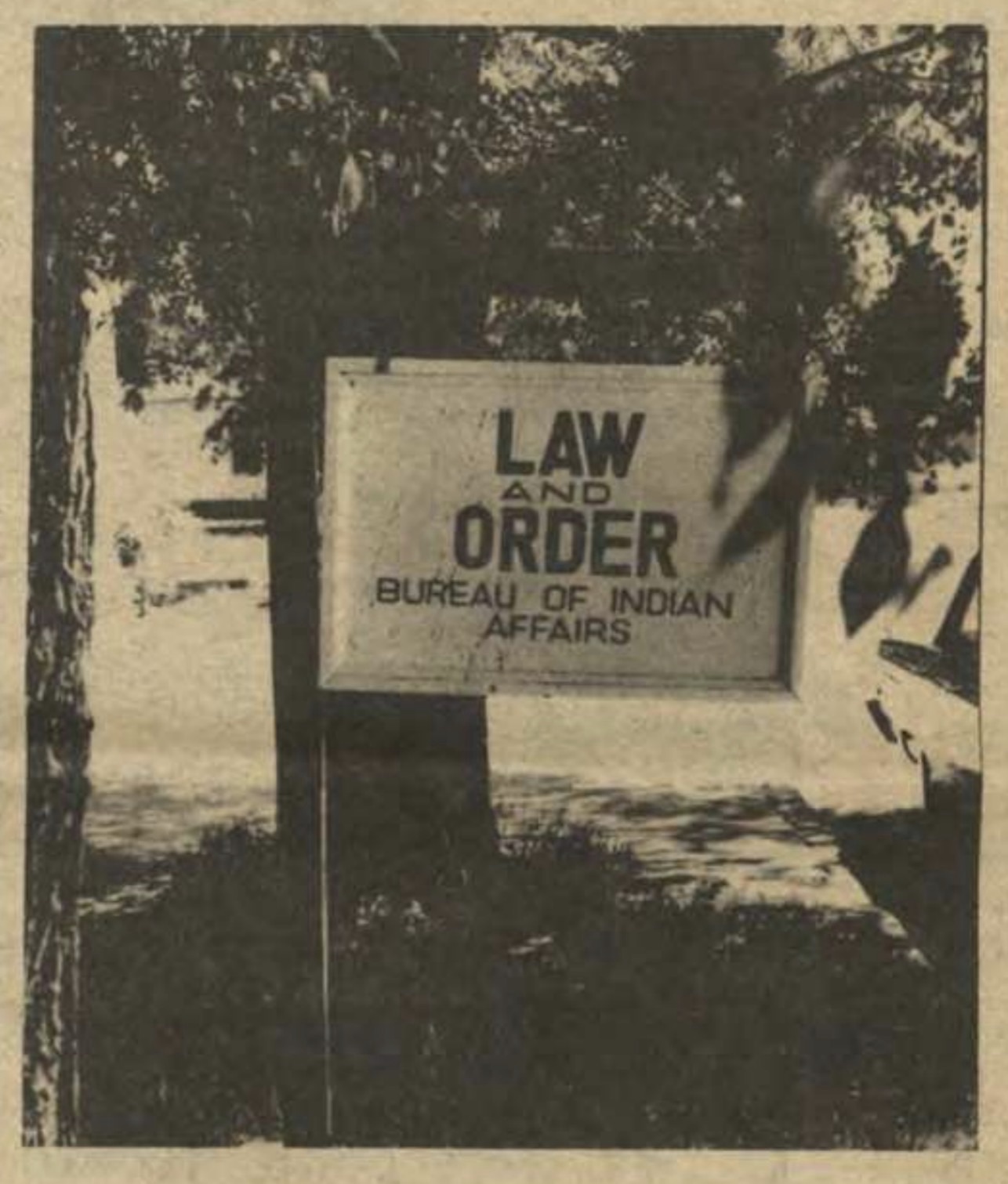
Montana Federal Court Orders BIA to Reconsider N. Cheyenne’s Request to Assume Law Enforcement Function

Here are the materials in Northern Cheyenne Tribe v. United States (D. Mont.):

Seventh Circuit Briefs in Hobart Challenge to Trust Land Acquisition for Oneida

Here are the briefs in Village of Hobart v. Dept. of the Interior:

Reply brief TK.

Lower court materials here.

Restorative Justice Tribal Laws Database Now Available

Here, hosted by the National Center for Restorative Justice.

From the site:

The National Center on Restorative Justice’s (NCORJ) Tribal Restorative Justice Laws Database was created as a resource for restorative justice advocates, practitioners, researchers, and policy-makers—both for tribes and throughout other jurisdictions in the United States. Our aim is to organize and display in an easily navigated format the ways in which tribes have codified the use of restorative justice approaches. This database expands upon NCORJ’s Restorative Justice Laws Database, which lists state restorative justice laws. 

The expansion of the Restorative Justice Laws Database to include tribal laws was a natural one. Contemporary restorative justice has roots in Indigenous cultures and practices, both in the United States and globally, and tribes continue to be leaders in restorative justice practice and systems today. This Tribal Restorative Justice Laws Database shows the many codified restorative justice practices that exist in tribal law and is, to our knowledge, the first time this data has been collected and presented in a public and easily accessible format.

Thank you to Grace Carson for her leadership and expertise in the creation of this database. Thank you also to the research assistants who helped on this project: Kylie Belt, Anna VanRoy, and Jonathan Eagle. The NCORJ is committed to continuing to update this database. This database was last updated in January 2026. If you see something that is missing or a correction is required, please be in touch. For more information about the development of the database, to get assistance navigating it, or to request a copy of the raw data for research purposes, please contact Lindsey Pointer (lpointer@vermontlaw.edu).

Creek Freedmen Sue in Federal Court to Enforce Treaty Right to Citizenship in Light of Creek Nation Refusal to Allow Enrollment

Here is the complaint in Grayson v. Hill (W.D. Okla.):

Tribal Supreme Court decision is here.

Links to other materials here.

Chris Pappen