Lauren van Schilfgaarde on Native Reproductive Self-Determination

Lauren van Schilfgaarde has posted “Native Reproductive Self-Determination,” forthcoming in the UCLA Law Review, on SSRN. Here is the abstract:

Like the overall well-being of Indigenous peoples, Native reproductive health has been deeply impacted by the direct and collateral consequences of settler colonialism. Today, Natives experience some of the most dire reproductive health disparities. Unlike other health care systems, however, Native health care is sui generis. The federal government has treaty, trust, and statutory obligations to provide Native Americans with health care, most prominently operationalized in the Indian Health Service (IHS). Unfortunately, the perpetual underfunded status of IHS coupled with draconian policies has meant that Native reproductive health is dismally served. Moreover, reproductive health tends to be exceptionalized—treated as a distinct component of health care that is often underprioritized or even entirely cut. But even if the IHS budget was instantly enhanced and even if reproductive health care was instantly prioritized across health systems, Native reproductive health care would still lack its most essential ingredient: self-determination.

The term “self-determination” has grown significant national and international meaning, both in relation to Tribes and reproductive justice. Native reproductive self-determination, however, remains an undertheorized confluence. Indigenous reproductive health was only explicitly acknowledged by an international body in 2022, General Recommendation 39 issued by the Committee on the Elimination of Discrimination Against Women (CEDAW) regarding Indigenous women and girls. General Recommendation 39 acknowledges both the collective rights of Indigenous peoples to exist as a self-determined people and the unique vulnerability of Indigenous women and girls. This framework offers an important and expansive conceptualization of the federal duties owed to Native reproductive self-determination and a path out of the paternalistic and harmful logics that have historically formed Native reproductive health care. Indigenous rights must be positioned within a historical context to inform not just the rights of Indigenous peoples to be recognized and to self-govern but also to stress the positive obligations that the nation-state owes toward Indigenous peoples. A historical context that informs the nation state’s positive obligations are themselves background to the realization of a self-determined collective—in this case, to ensure Native reproductive self-determination.


Wintu and Paskenta Sue Interior over Redding Rancheria Gaming-Related Decisions

Here is the complaint in Wintu Tribe of Northern California v. Dept. of the Interior (D.D.C.):

Alaska Sues Interior over Native Village of Eklutna Gaming-Related Decisions

Here is the complaint in State of Alaska v. Dept. of the Interior (D.D.C.):

BraveStarr and Thirty-Thirty are in the know.

Washington Federal Court Dismisses Sauk-Suiattle U&A Request for Determination

Here are the materials in United States v. Washington, subproceeding 24-01 (W.D. Wash.):

Nebraska Federal Court Allows Some Santee Claims against the IHS to Proceed

Here are new materials in Santee Sioux Nation v. Tso (D. Neb.):

47 First Amended Complaint

50 Motion to Dismiss

53 Opposition

54 Reply

55 DCT Order

“Felons.” Hilarious.

Prior post here.

Materials (so far) in Challenge to Coquille Gaming Project

Here are the materials in Cow Creek Band of Umpqua Tribe of Indians v. Dept. of the Interior (D.D.C.):

28 Motion to Disqualify Jenner

31 Amended Complaint

32 Motion for TRO

40-1 Coquille Opposition to Motion to Disqualify Jenner

51 Federal Opposition to TRO Motion

52 Coquille Opposition to TRO Motion

Jan. 22, 2025: MINUTE ORDER. For the reasons stated on the record at the hearing held on this date, (1) Plaintiffs’ 28 Motion to Disqualify Keither Harper and Jenner & Block is denied; (2) Coquille’s 15 Motion to Intervene and 33 Renewed Motion to Intervene are granted; (3) Coquille’s 15 Motion to Expedite is denied as moot; and (4) the parties’ 40 , 41 motions to seal are denied and the Clerk of Court shall unseal those docket entries. Further, by January 24, 2025, Plaintiffs shall file all materials submitted for in camera review on the public docket. Signed by Judge Amit P. Mehta on 1/22/2025. (lcapm3) (Entered: 01/22/2025)

Briefs in Seneca-Cayuga Secretarial Election Challenge

Here are the materials in Channing v. Seneca-Cayuga Nation (N.D. Okla.):

Prior post here.

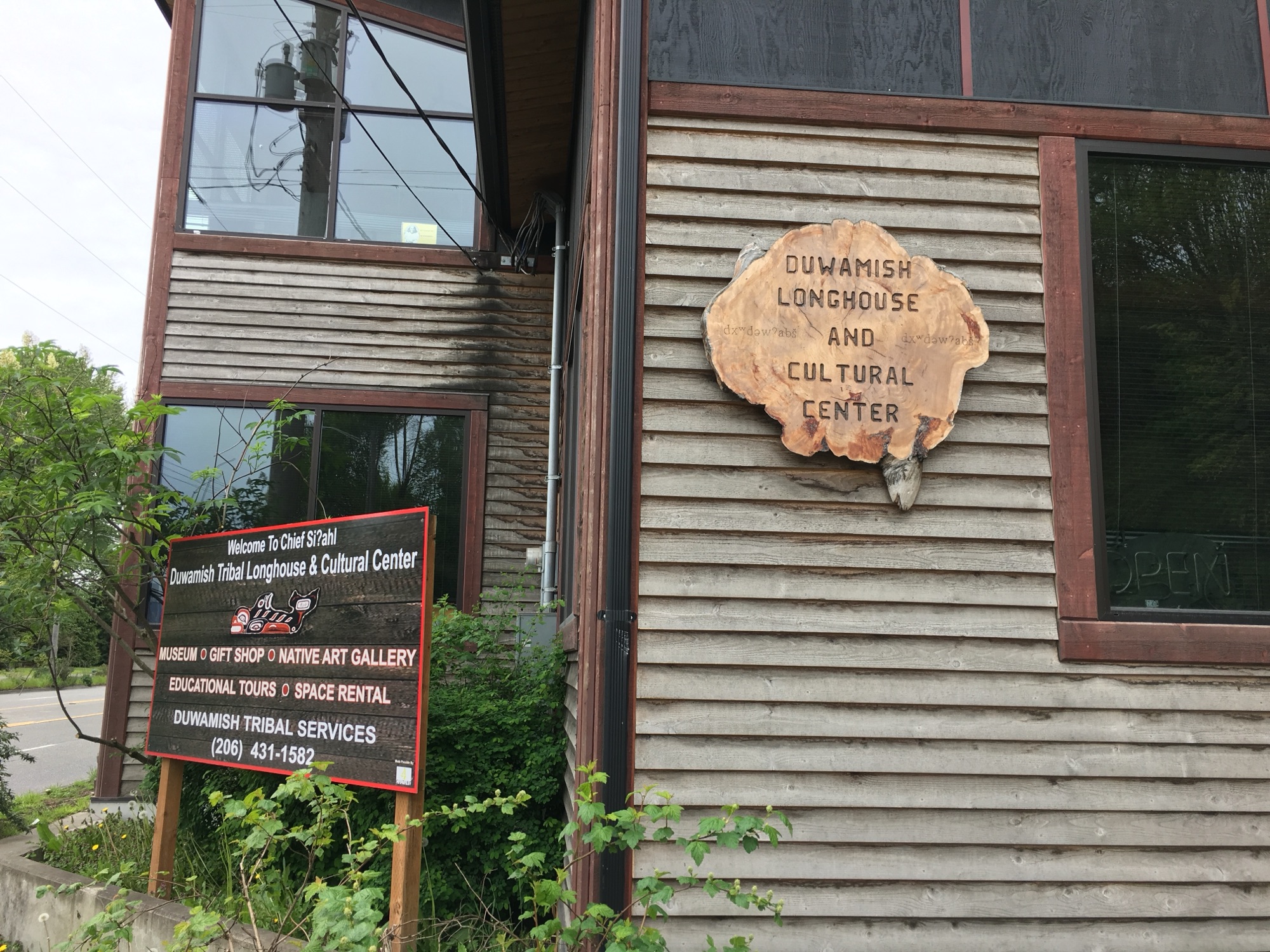
Washington Federal Court Remands Duwamish Federal Recognition Suit

Here are the materials in Duwamish Tribe v. Haaland (W.D. Wash.):

Prior post here.

2025 UM Native Studies Conference (Feb. 21-22, 2025): “The Next 25: The Self-Determination Era and the Future of Indian Affairs”

Here. Register here.

Featured Events:

Day One: Friday, February 21 – Palmer Commons

Welcome Protocol 
Forum Hall 1:00-1:30 PM

Panel 1 The Past and Future of Indigenous Politics 
with Bryan Newland and Jeff Irwin, 

Forum Hall 1:30 – 3:00 PM


Panel 2: Lawyering Tribal Self-Determination 
with Wenona T. Singel, Doreen Nanibaa McPaul, and Mitchell Forbes,
Forum Hall 3:15 – 4:45 PM


Dinner for symposium participants.
Great Lakes Room 5:00 – 6:30 PM

Great Lakes Room 7:00 – 9:30 PM
An Evening with Mark Trahant, 
The 2025 Robert F. Berkhofer Jr. lecture on Native American Studies
Followed by reception

Day Two: Saturday, February 22 – Michigan Union

Guest Arrival, 
Anderson ABCD 8:00 – 9:00 AM


Breakfast
Anderson ABCD 9:00 – 10:00 AM


Panel 3: Indigenous Judging in Tribal and State Courts 
with Gregory H. Bigler and Allie Greenleaf Maldonado, 
Anderson ABCD 10:00 – 11:30 AM

Lunch
Anderson ABCD 11:30 AM – 12:30 PM


Keynote Address by Justice Raquel Montoya-Lewis,
Pendleton Room 12:30 – 1:45 PM


Panel 4: International Indigenous Leadership
with Kyle Powys Whyte, Kristen Carpenter, and Mark Trahant
Pendleton Room 2:00 – 3:30 PM

 The Next 25: The Self-Determination Era and the Future of Indian Affairs

A symposium on the 50th anniversary of the Indian Self-Determination and Education Assistance Act

Our symposium is inspired by the 50th anniversary of the Indian Self-Determination and Education Assistance Act of 1975, the cornerstone statute establishing the tribal self-determination era. The first quarter century of the self-determination era featured many great successes but mostly great frustrations often caused by federal reluctance to empower tribal nations. The second quarter century featured the rise of tribal political and economic power, but many of the same frustrations, this time more often caused by judicial decisions. As always, Indigenous leaders look to both the past and the future in consequential decisions for their nations. This symposium brings together many of today’s most influential Indigenous leaders to assess the last fifty years and imagine what the next quarter century brings. Panelists include Indigenous elected officials, judges, and lawyers at the federal, state, and Tribal levels.

Washington Supreme Court Justice Raquel Montoya-Lewis, a citizen of the Pueblo of Isleta and a descendant of the Pueblo of Laguna, will deliver a keynote address on Saturday.