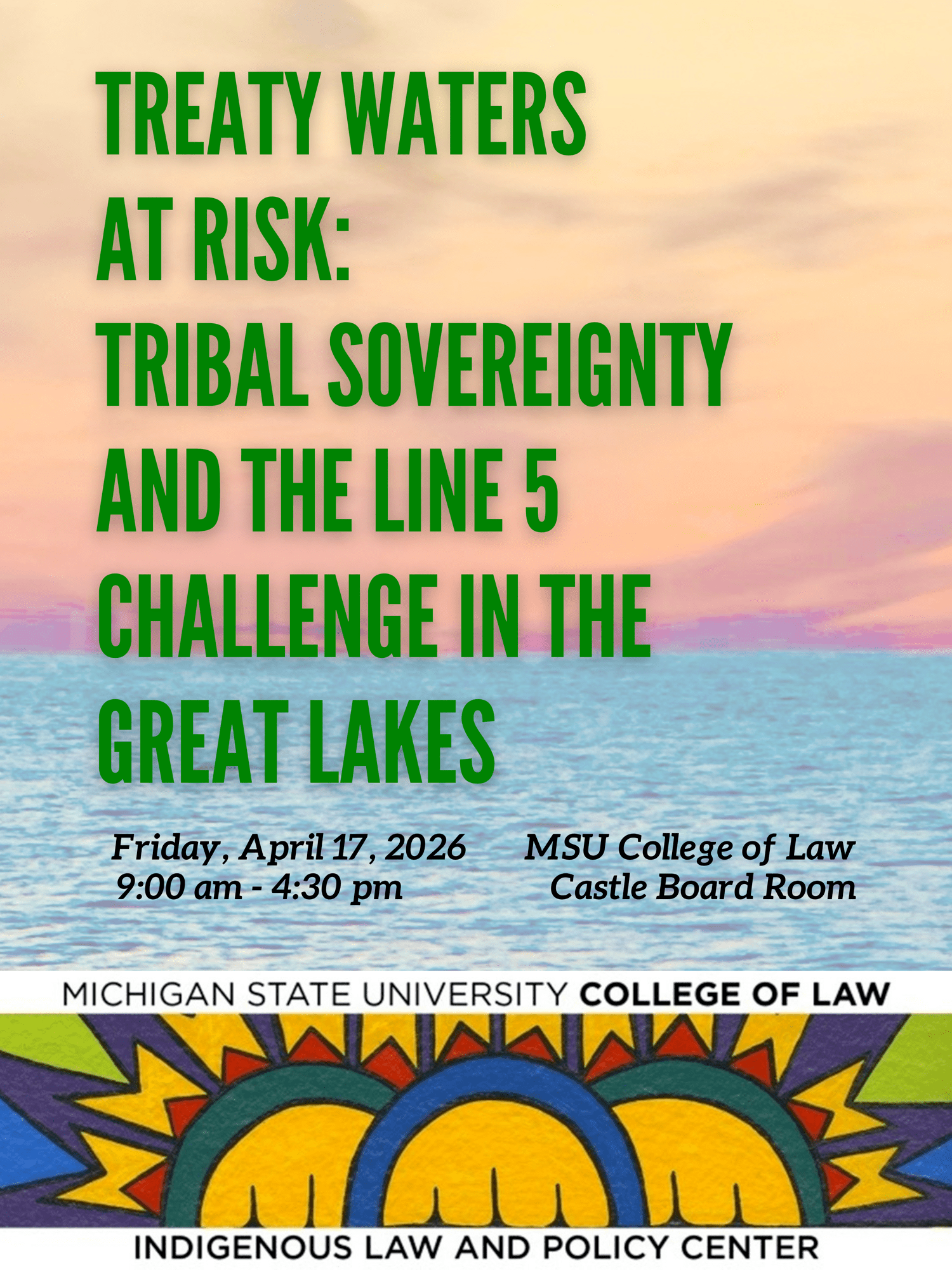
MSU ILPC Conference — Treaty Waters at Risk: Tribal Sovereignty and the Line 5 Challenge in the Great Lakes — April 17, 2026

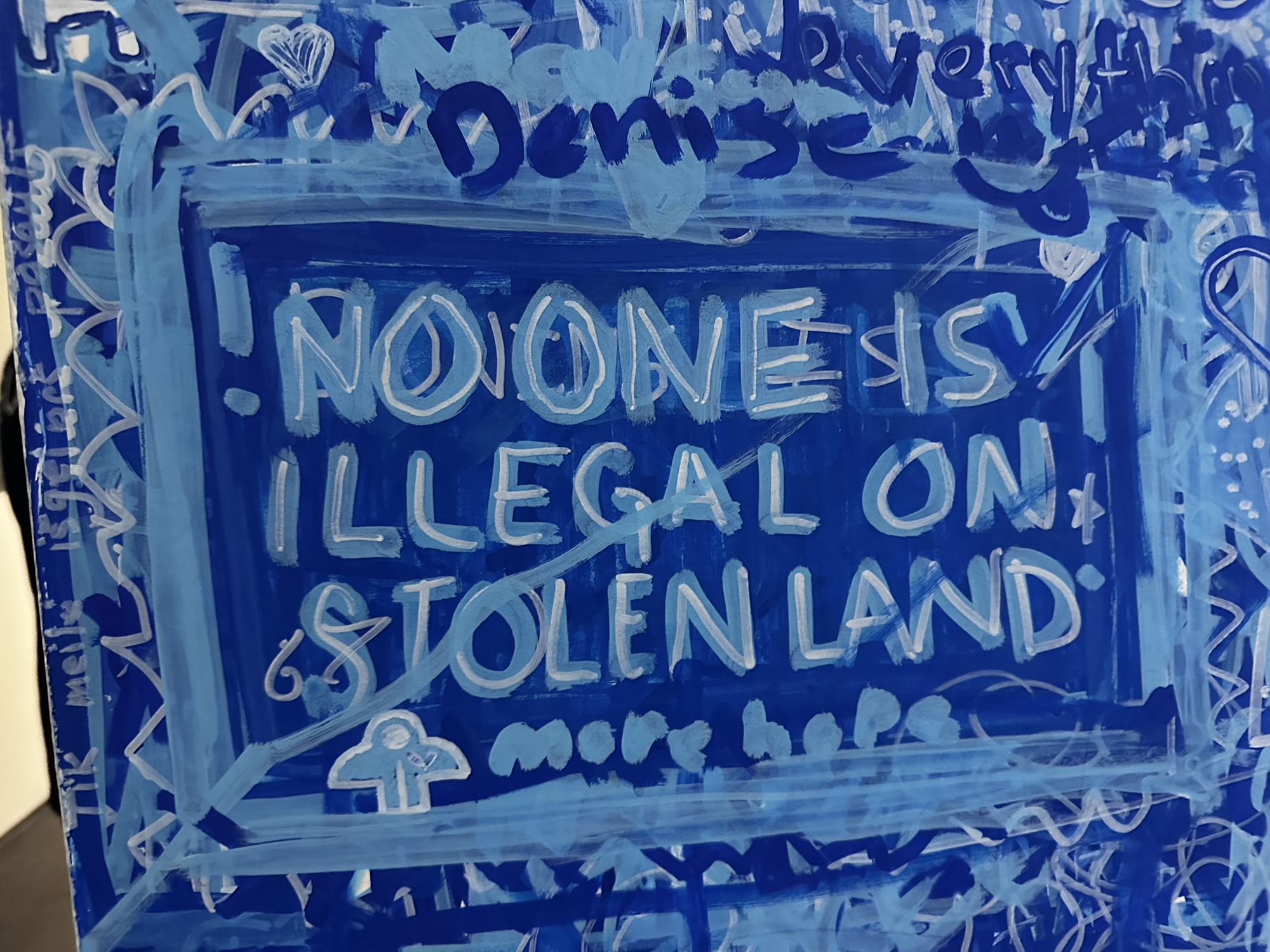
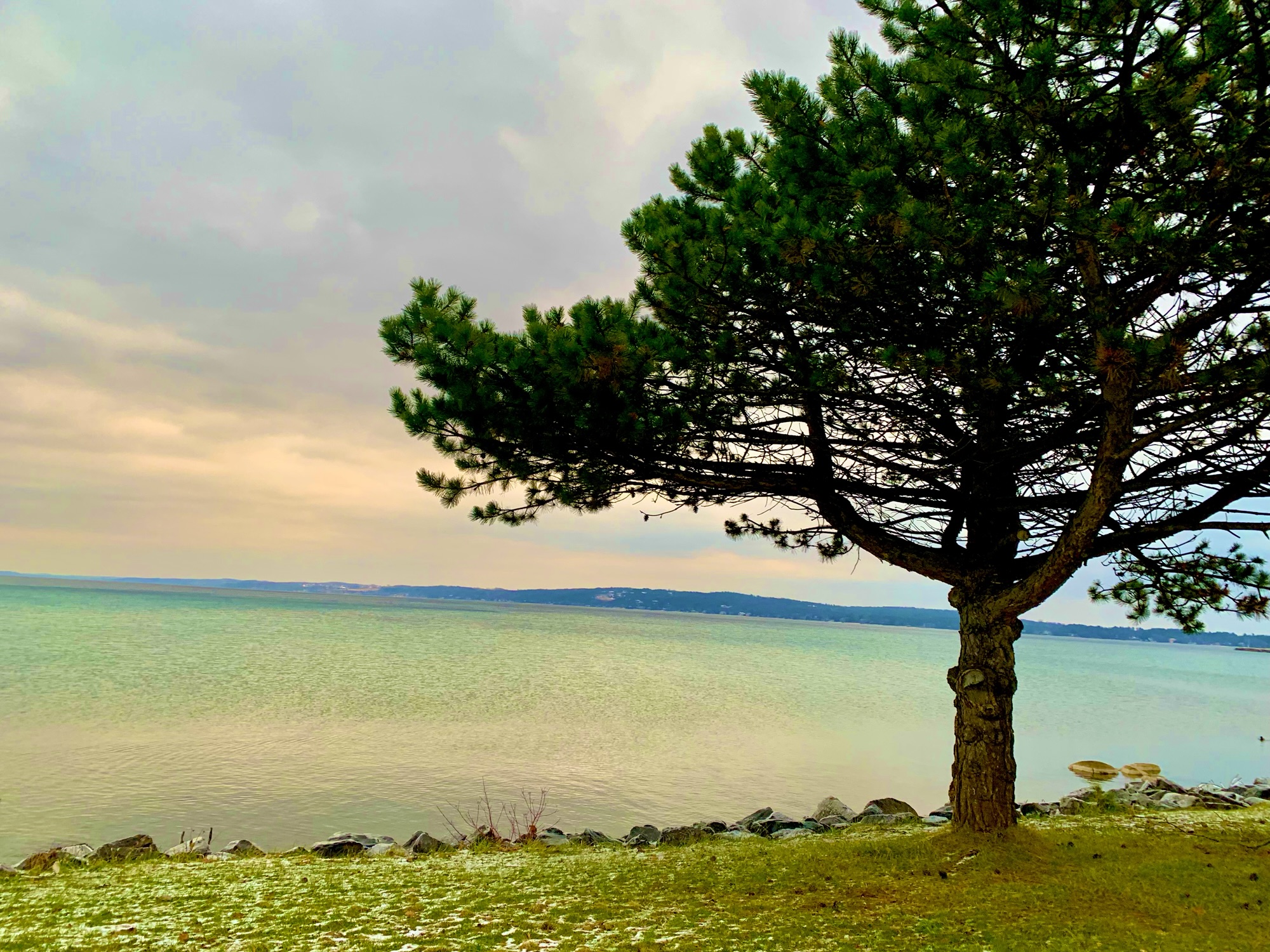
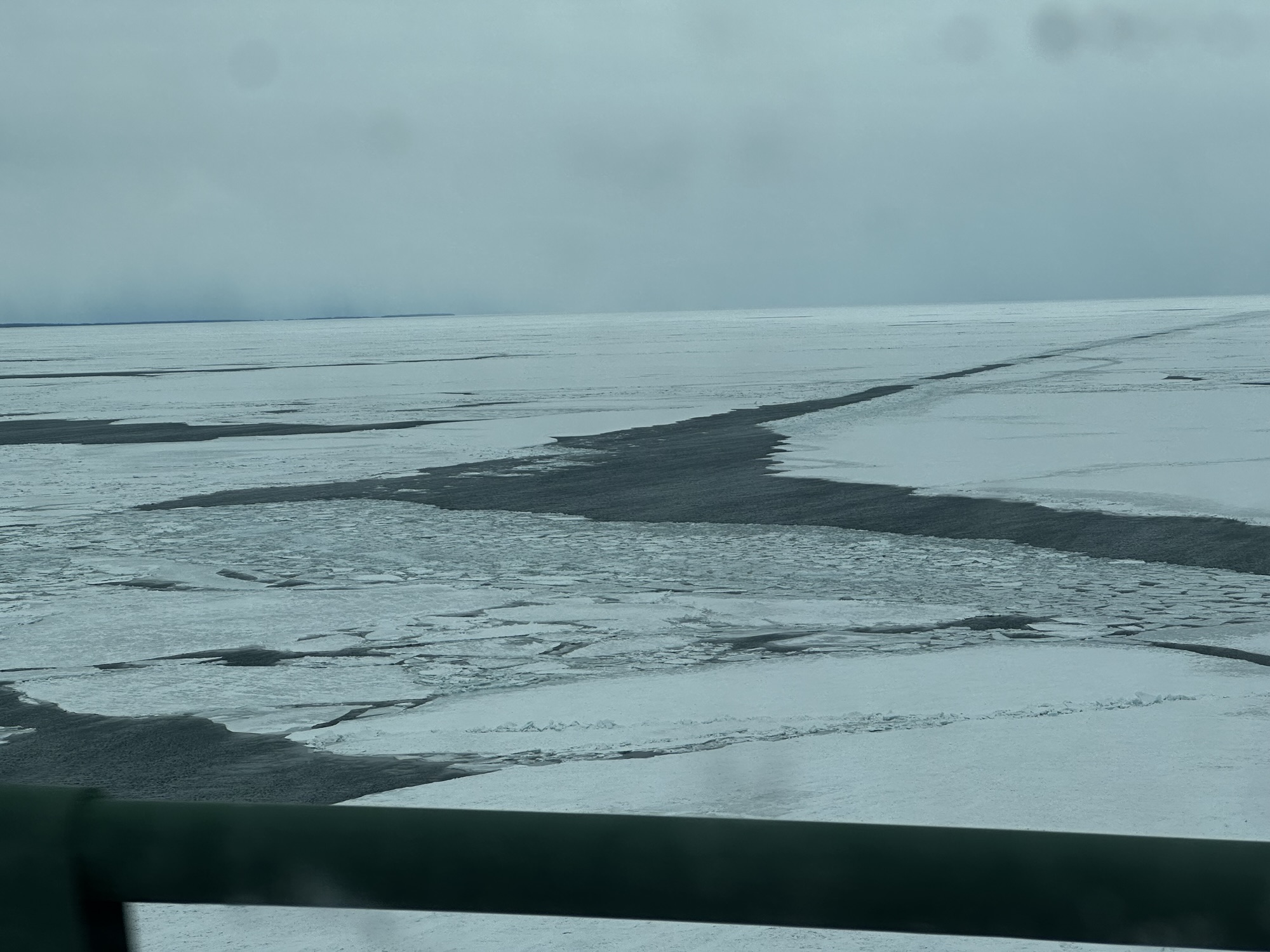
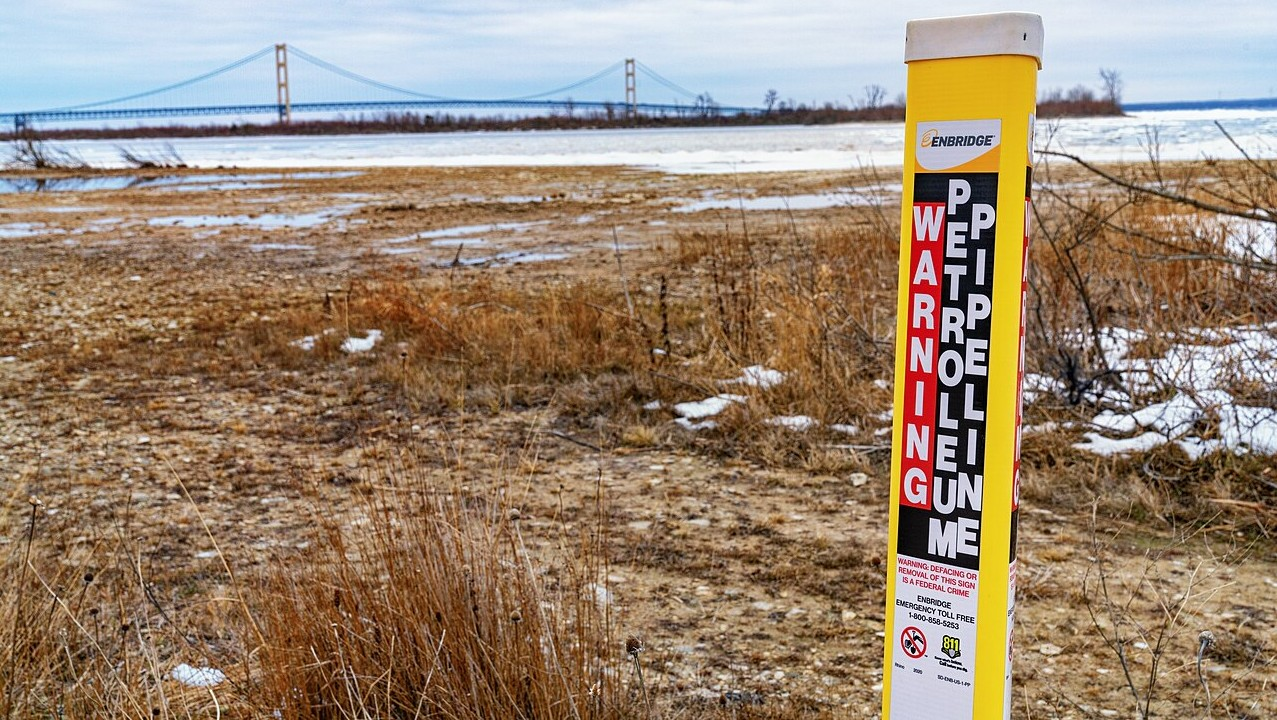
Photo credit: Owen Singel-Fletcher

Registration here.

Join us at MSU Law for Treaty Waters at Risk: Tribal Sovereignty and the Line 5 Challenge in the Great Lakes, a one-day conference on Friday, April 17, 2026, examining the legal and environmental stakes of energy infrastructure in treaty-protected waters.

Featuring a keynote by Whitney Gravelle, MSU Law and ILPC alumna and President of the Bay Mills Indian Community, the program brings together leading voices to discuss treaty rights, co-management, and the ongoing Line 5 conflicts at Bad River and the Straits of Mackinac.

Native America Calling Show on Line 5 TODAY

Here:

Tribes in Michigan oppose Enbridge the Line 5 oil pipeline replacement plan, arguing the environmental risks to their traditional waters far outweigh any benefits. The proposal to replace the 70-year-old pipeline that currently runs through Michigan and Wisconsin has faced many legal challenges over the years. Now, the U.S. Supreme Court will decide whether the state or federal government should have say over how the project proceeds. The decision could set a precedent on how much power tribes and states have in regulating fossil fuel development. We’ll speak with tribal leaders, Native legal scholars, and others about what’s next for the ongoing Line 5 pipeline legal battle.

GUESTS

Wenona Singel (Little Traverse Bay Bands of Odawa), associate professor of law at Michigan State University College of Law and associate director of the Indigenous Law and Policy Center

Elizabeth Arbuckle (Bad River), chairwoman of the Bad River Tribe

Melissa Kay, Tribal Water Institute fellow at the Native American Rights Fund

Utah Federal Court Denies EPA Administrative Warrant to Inspect Uintah & Ouray Reservation Air Pollution Sources

Here is the order in In re Ex parte Search Warrant Application IMO Environmental Protection Agency Administrative Inspection of Ute Tribal Land (D. Utah):

New Student Scholarship on EPA Water Quality Standards and Tribal Reserved Water Rights

Mostyn Josty has published “Rivers of Sovereignty: The EPA’s New Water Quality Standards Rule as a Potential Channel for Revitalizing Tribal Reserved Water Rights” in the Cardozo Law Review.

Here is the abstract:

This Note explores the federal government’s evolving approach to its obligation to protect tribal reserved water rights through a case study of the Environmental Protection Agency’s (EPA) 2024 Water Quality Standards Regulatory Revisions to Protect Tribal Reserved Rights rule (the “WQS Rule”). It argues that while the WQS Rule represents a step forward in safeguarding tribal water rights, the legal challenge it faces underscores broader issues of federalism, administrative authority, and the country’s fluctuating commitment to tribal sovereignty. The Note examines the WQS Rule’s legal foundation, its potential challenges, and the implications for tribal self-determination, emphasizing the need for a more accountable and enforceable framework for tribal water protections.Additionally, this Note situates these legal developments within international human rights frameworks, suggesting that evolving global standards on Indigenous rights and water access could offer a more stable foundation for securing equitable water for reservations. Ultimately, this Note argues that regardless of the WQS Rule’s future, it is the underlying principle of the federal trust obligation and the need for lasting protections that must guide efforts to ensure Native Nations’ access to water.

Michigan Supreme Court Materials in Enviro and Tribal Challenges to Enbridge Line 5

Here are the materials in For Love of Water v. Michigan Public Service Commission:

Oral argument link:

https://youtu.be/bNRSAJCxap8?si=a76bpgyBDGBEf6FV

Briefs:

Here are the materials in Little Traverse Bay Bands of Odawa Indians v. Michigan Public Service Commission:

Oral argument link: https://youtu.be/H8Y6RHgY9hM?si=wtafDSX7nuzeP3vs

Briefs:

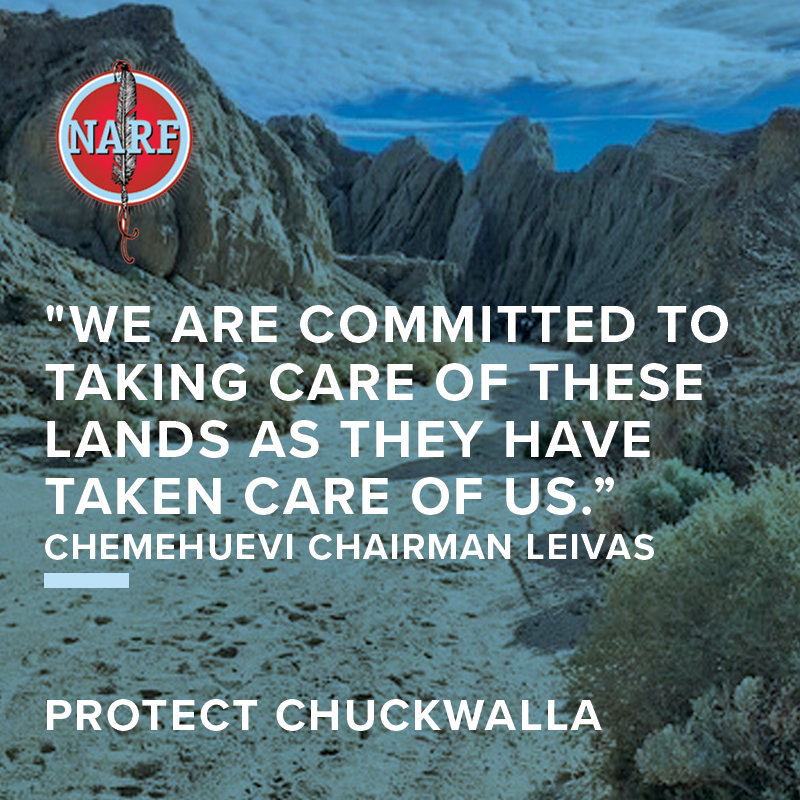
Tribal Nations Granted Intervention to Protect Chuckwalla Homelands

On March 3, 2026, the United States District Court for the Eastern District of Michigan granted the Tribal Nations’ motion to intervene in Torongo v. Burgum, the case that threatens the long-sought designation of the Chuckwalla National Monument.

In August 2025, five Tribal Nations — the Torres Martinez Desert Cahuilla Indians, the Fort Yuma Quechan Indian Tribe, the Chemeheuvi Indian Tribe, the Colorado River Indian Tribes, and the Morongo Band of Mission Indians — filed a motion to intervene to protect Chuckwalla’s national monument status.

Learn more about Tribal Nations’ advocacy for their homelands in the Chuckwalla region.  

Tribal Amicus Brief in Enbridge Energy L.P. v. Nessel

Here:

Enbridge gives zero fucks about this sacred place.

Michigan Federal Court Bars State of Michigan from Enforcing Cancellation of Line 5 Pipeline Easement Against Enbridge

Here are materials in Enbridge Energy LLP v. Whitmer (W.D. Mich.):

125 Enbridge Brief

129-1 Canada Amicus Brief

134 Michigan Response

140 Federal Brief

145 States Amicus Brief

146 Tribal Amicus Brief

148 Enbridge Reply

151 Enbridge Supplemental Brief

152 Michigan Supplemental Brief

158 Amended Complaint

164 DCT Order

Bar River Sues Army Corps over Line 5

Here is the complaint in Bad River Band of Lake Superior Chippewa Indians v. United States Army Corps of Engineers (D.D.C.):

Alaska Native Suit Challenging Arctic Oil Drilling

Here is the complaint in Sovereign Iñupiat for a Living Arctic v. Burgum (D. Alaska):

Complaint