Here are the materials in United States v. Michigan (W.D. Mich.):
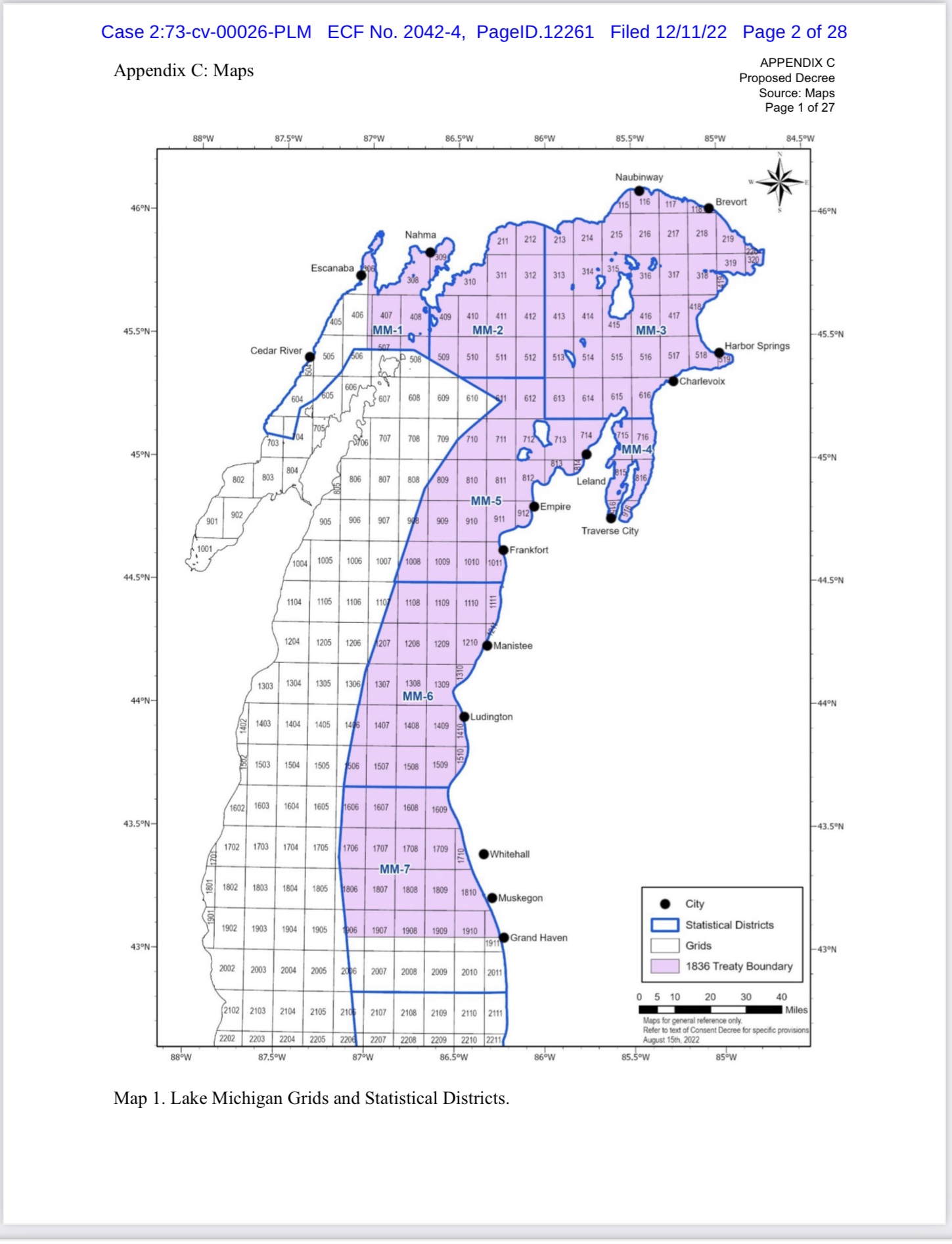
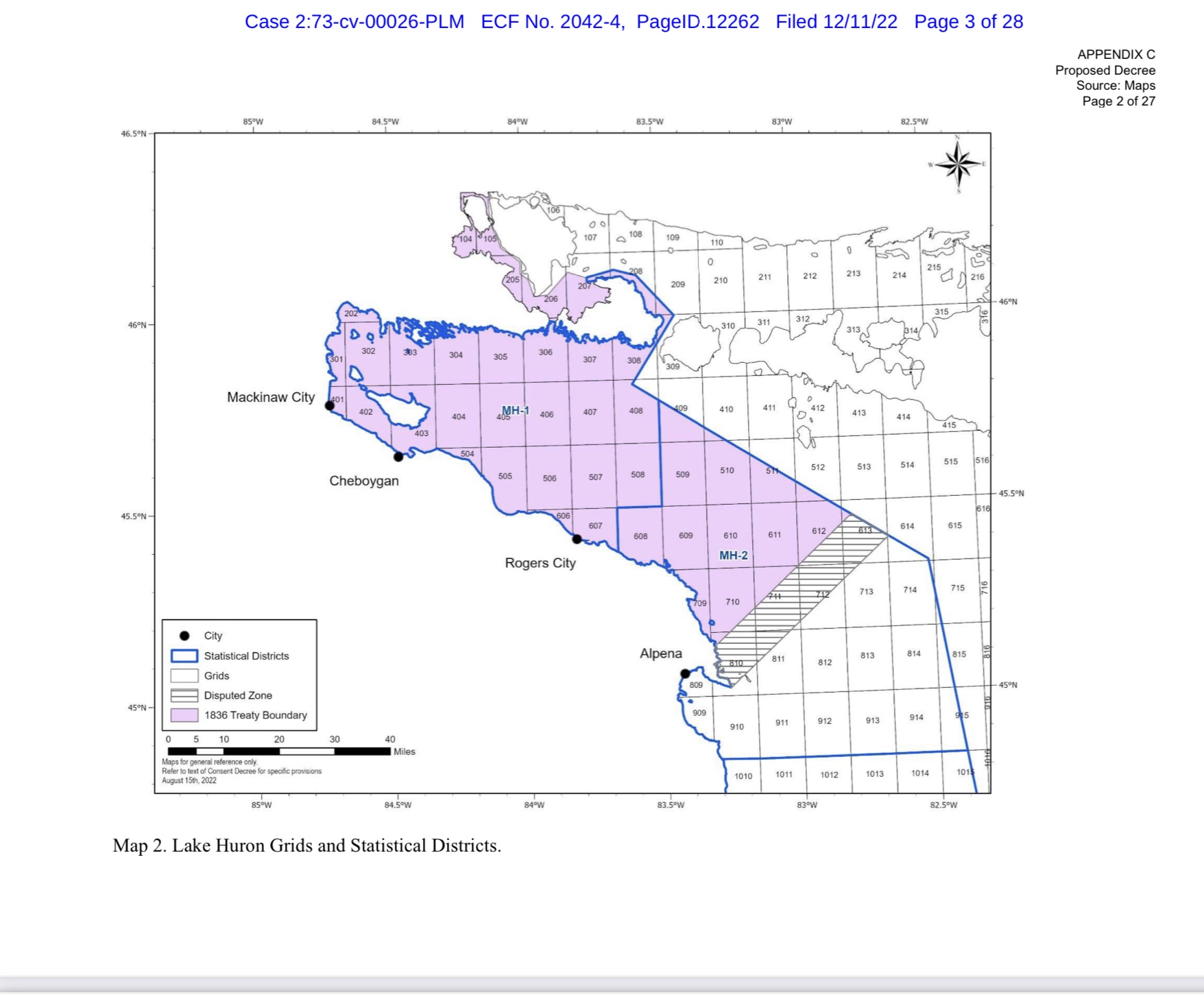

Here are the materials in United States v. Michigan (W.D. Mich.):
Please check out “The Dark Matter of Federal Indian Law: The Duty of Protection,” a draft of which is now available on SSRN.
Here is the abstract:
The United States and every federally recognized tribal nation originally entered into a sovereign-to-sovereign relationship highlighted by the duty of protection, a doctrine under international customary law in which a larger, stronger sovereign agrees to “protect” the small, weaker sovereign. The larger sovereign agrees to this duty of protection, in the American case anyway, in exchange for massive, occasionally unquantifiable amounts of land and resources, as well as the power to control the external sovereign relations of the protected sovereign. The smaller sovereigns, in this case, tribal nations, typically received protected reservation lands, hunting and fishing rights, small cash infusions, and the vague promise of protection.
What tribal nations have received so far in exchange for their lands and resources and sovereignty is a pittance compared to the value of that consideration. Justice Gorsuch noted in a recent case that tribal nations in Washington gave up millions of acres in exchange for “promises.” Those promises must mean something.
I call those promises the dark matter of federal Indian law.
The duty of protection owed by the United States to tribal nations is much like dark matter. The duty of protection was left undefined in Indian treaties. Yes, the treaties and other agreements that established a sovereign-to-sovereign relationship did provide for specific details about that relationship, most famously hunting and fishing rights or criminal jurisdiction. But most treaties and agreements are sparse, leaving open most of the details about that relationship. That’s the dark matter of Indian law.
This essay argues that the duty of protection between tribal nations and the federal government is law and that the judiciary has an obligation to enforce aspects of the duty of protection as understood by both tribal nations and Congress. The essay begins by describing the duty of protection as understood by tribal nations at the time of the origination of the duty and now. The essay then turns to how Congress and the Department of the Interior understands the duty of protection, at least since the start of the tribal self-determination era in the 1970s, and how the Department of Justice often undermines that understanding. Then, the essay explains that the dark matter of federal Indian law is the duty of protection, that the federal obligations to tribal nations and individual Indians is real, and that the duty of protection is enforceable. Finally, the essay shows how the United Nations Declaration of the Rights of Indigenous Peoples is a useful tool judges can use in adjudicating the scope of the unstated parts of the duty of protection.
This essay is an invited submission to the Maine Law Review Indian law symposium.
This paper was also the subject of the 2022 Rennard Strickland lecture at the University of Oregon Law School:
Here are newish materials in Pakootas v. Teck Caminco Metals (E.D. Wash.):

Here are the materials in Black Crow v. Lake County Jail, recaptioned In re Conditions at Lake County Jail (D. Mont.):
Here are the new materials in Red Lake Band of Chippewa Indians v. United States Army Corps of Engineers (D.D.C.):
52 Friends of the Headwaters MSJ
53-1 Tribes and Tribal Orgs MSJ
Prior post here.
Here are the materials in State v. McCormack (Or. Ct. App.):

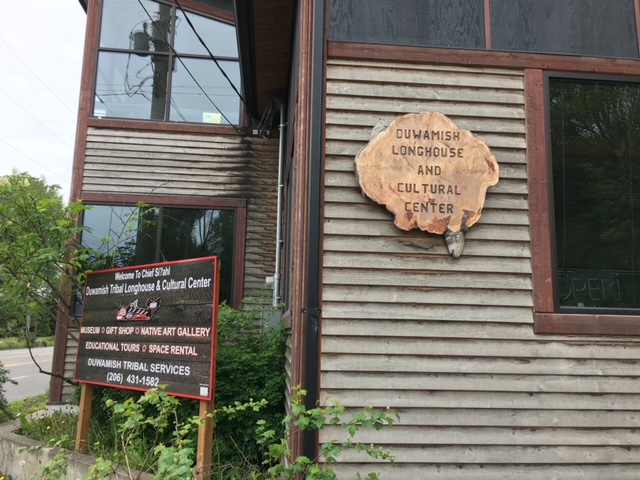
Here are the materials in Duwamish Tribe v. Haaland (W.D. Wash.):
14 Muckleshoot Motion to Intervene
Complaint here.
Here are the materials in United States v. Skeet (D.N.M.):

 Turtle Talk
You must be logged in to post a comment.