Here:

Here is the complaint in Cayuga Nation v. New York State Gaming Commission (N.D. N.Y.):

Here are the materials in Tohono O’Odham Nation v. Department of the Interior (D. Ariz.):
Prior post here.

Here are the materials in Martin v. Gorneau (D.N.D.):
66 Individual Defendants Motion to Dismiss
71 State Defendants Motion to Dismiss
78 Individual Defendants Reply
91 Individual Defendants Response

Today, Katherine Johnson and Jalen Rose (of MJLR) and Caleb Hawpetoss (UM NALSA) convened a panel discussion about two Indian law articles recently published by the Journal. I brought donuts.





Here are the materials so far in Mashkikii Boodawaaning (Medicine Fireplace) Inc. v. Chippewa Valley Agency Ltd. (W.D. Wis.):

Ezra Rosser has published “Progress and the Taking of Indigenous Land” in the Ohio State Law Journal.
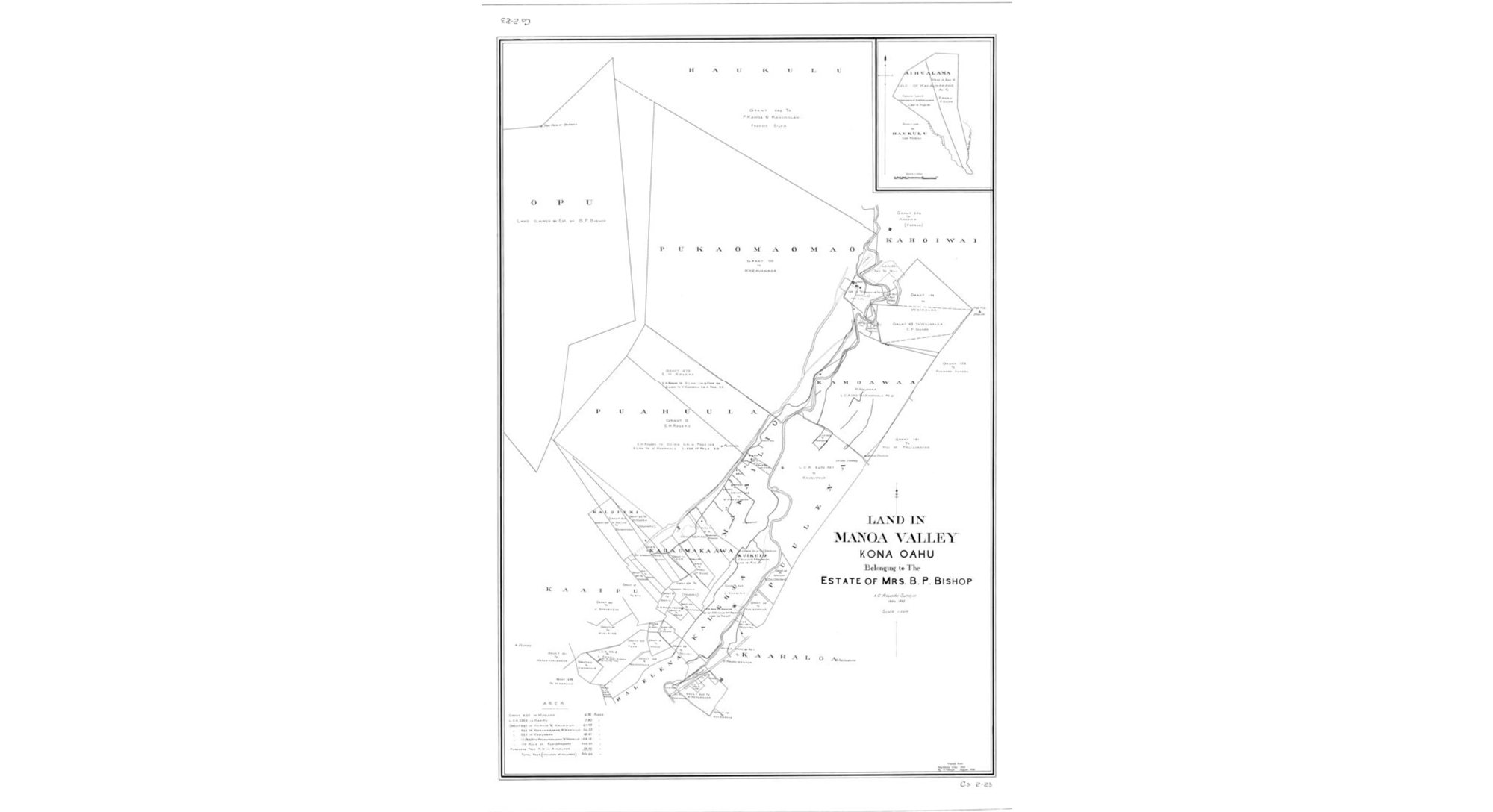
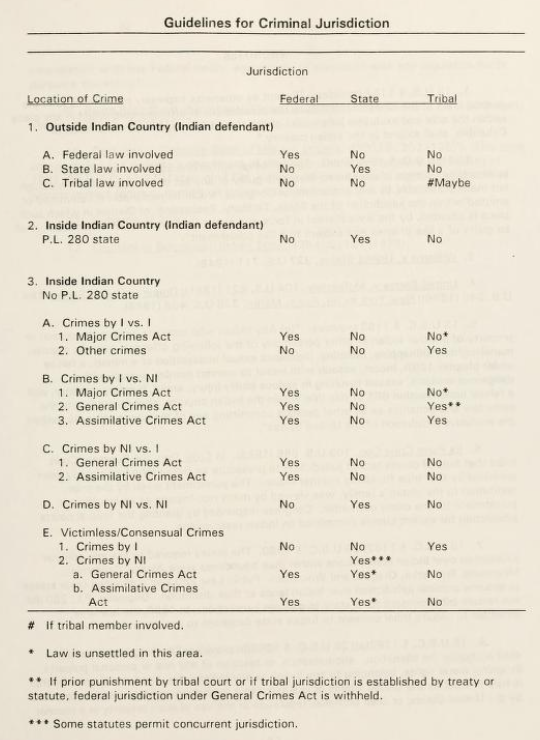
Here is the abstract and some images supplied by Ezra:
The taking of Indigenous land in furtherance of other societal goals is so ubiquitous and so fundamental to the American project that sometimes acts of dispossession are not even recognized as such. This Article argues that the generally accepted understanding of Hawaii Housing Authority v. Midkiff, a key case of the American takings law canon, is wrong because it overlooks Native Hawaiian claims to the land taken. Hawai‘i’s Land Reform Act allowed tenants a right to purchase land over the objections of the owner of the underlying property and in Midkiff the U.S. Supreme Court said that states had the right to use their eminent domain authority in such a way. The common understanding of the case is that it is a progressive victory, an example of how government can fight back against inequality and the power of large landowners. But beneath the surface, this Article argues, the case is really about dispossession. By showing how land reform predictably worked to transfer Indigenous land to upper class, relatively wealthy tenants, the Article situates Midkiff within a long history of taking Native land in order to accomplish progressive ends. By seeing Midkiff for what it is—a judicially authorized taking of Indigenous land—the significance of the case within the Property and Indian Law cannons can be more fully appreciated. Indigenous peoples are often forced to pay—in the form of diminishment of their property rights—for progressive victories, with their losses swept under the rug by courts and scholars alike. The Midkiff decision is part of a pattern of treating the property rights of Indigenous peoples as impediments to progress.


 Turtle Talk
You must be logged in to post a comment.