Here are the materials in Grand Portage Band of Lake Superior Chippewa v. EPA (D. Minn.):
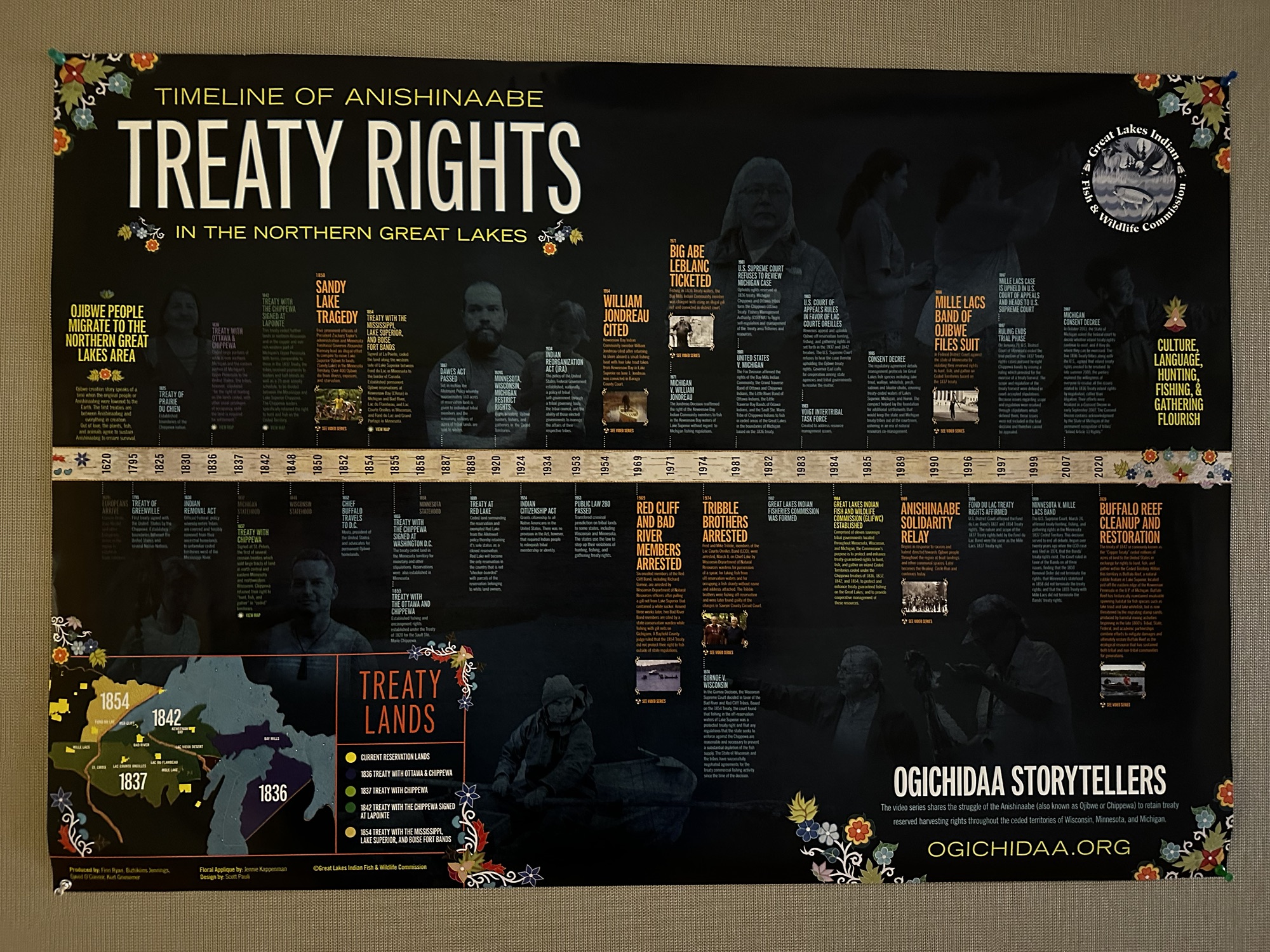
Here are the materials in Grand Portage Band of Lake Superior Chippewa v. EPA (D. Minn.):
Here is today’s order list.
The cert petition is here.

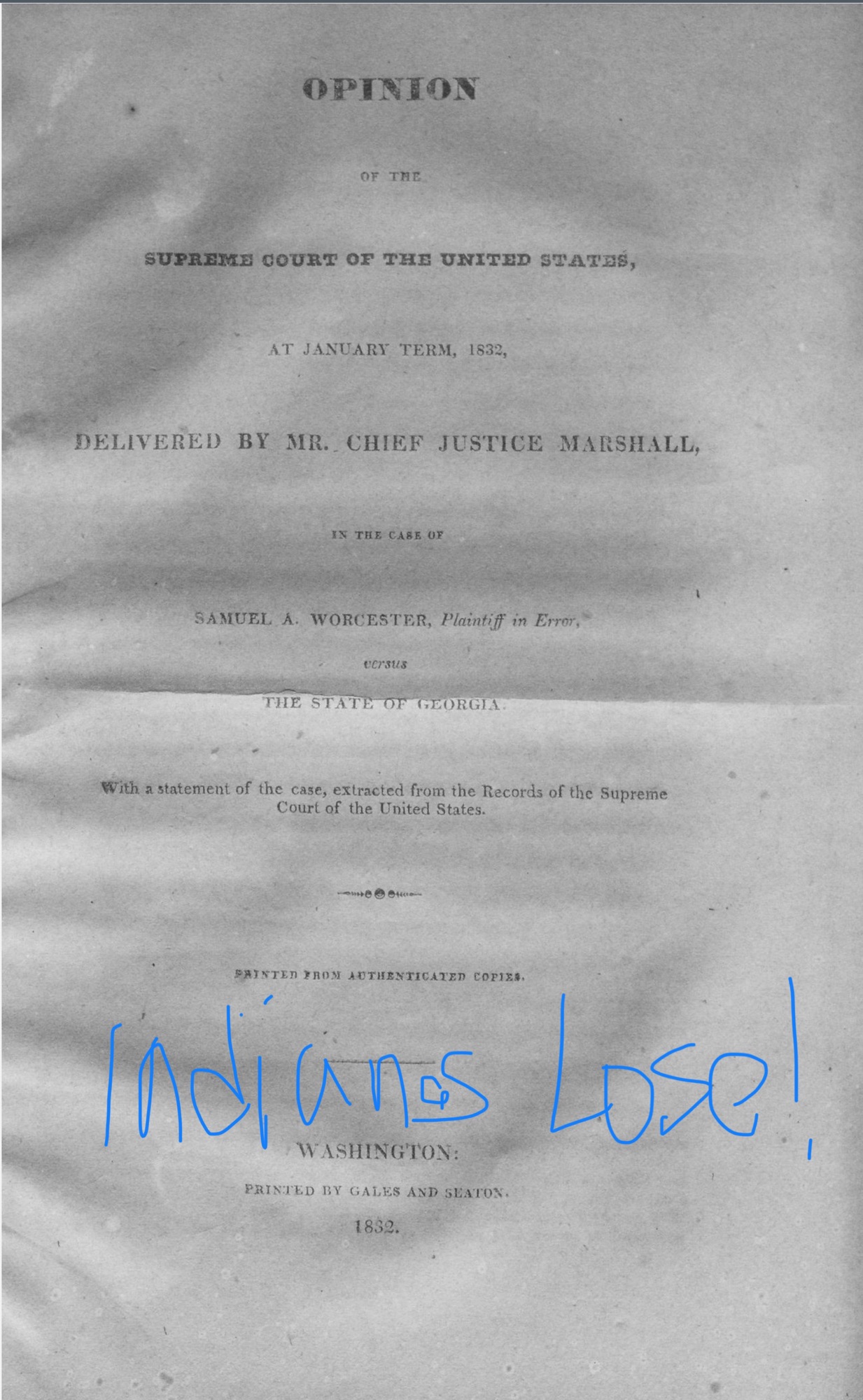
Here are the materials in Waukegan Potawatomi Casino LLC v. City of Waukegan (N.D. Ill.):

Press release here. The bill is here.
OLYMPIA — People who commit crimes on tribal lands would not be able to escape justice by fleeing into Washington state lands, under legislation passed unanimously by the House Wednesday.
SB 6146 would authorize Washington state law enforcement officers to enforce warrants issued by Washington’s 29 federally recognized tribes and empower them to transport people to tribal lands for prosecution.
“This law will help keep communities in Washington and on tribal lands safe, while respecting the constitutional rights of defendants,” said Sen. Manka Dhingra (D-Redmond), sponsor of the bill. “Our laws need to reflect the realities of our world today. We have been operating under laws written when travel between jurisdictions wasn’t easy and the technology to confirm identity didn’t exist, so this legislation modernizes our laws to address the problems that arise today, when it is easy to flee from one jurisdiction into another.”
***
Chairman Steve Edwards of the Swinomish Indian Tribal Community thanked Dhingra and Lekanoff for “convening a process that brought together all 29 tribes with Washington state law enforcement and prosecutors to work collaboratively on solutions through which the state can recognize tribal warrants. This legislation will help to keep all Washingtonians safe around the state and on tribal lands.”
News article here.
Senate Bill 6146 will authorize Washington state law enforcement officers to enforce warrants issued by the 29 federally recognized tribes in Washington. The bill further allows officers to transport individuals to tribal lands for prosecution, simplifying the process of addressing criminal activities in cooperation with tribal authorities.
I posted about this here, and comments are due April 23. The Indian Law Clinic should have a model comment available for tribes to use and edit by the end of next week.
This rule proposes to require states that receive federal funding for their foster care systems to gather accurate data on children in state courts who are subject to ICWA’s protections. This is done through the Adoption and Foster Care Analysis and Reporting System (AFCARS) If you are a state worker, please encourage your state agency to comment in favor of this rule.
The proposed rule is here and is nearly identical to the one promulgated in 2016 (and then withdrawn by the Trump administration).
Sharon Avery is an enrolled member of the Saginaw Chippewa Tribe of Michigan. She currently serves as an Associate General Counsel for the National Indian Gaming Commission’s Office of General Counsel. In this role she has gained familiarity with the agency’s structure and the important role the agency plays within the Tribal gaming industry. Prior to joining the National Indian Gaming Commission, Ms. Avery worked in the Legal Department of the Saginaw Chippewa Indian Tribe of Michigan for 10 years. She graduated from Michigan State University College of Law with a Juris Doctor degree and a certificate from the Indigenous Law and Policy Center.
Congratulations Sharon!!!
From the NAES newsletter, “NAES Rule,” Nov. 1986:


 Turtle Talk
You must be logged in to post a comment.