Here:

Here:
Here.

Here.
Here are the materials so far in Brown v. Haaland (D. Nev.):

Here.
To post an open Indian law or leadership job to Turtle Talk, send all of the following information to indigenous@law.msu.edu:
In the email body:
Program Assistant. Remote (Oklahoma City, OK; Twin Cities, MN; Albuquerque, NM; Los Angeles, CA preferred – applicants from other locations will be considered). The Program Assistant is a full-time position responsible for a range of administrative and program support duties. Open until position is filled. Please see the description for more information.
Assistant Legislative Attorney, Level II, III, IV. Contact Name and Email: Alivia Lewis, Office Manager, Alivia.Lewis@tonation-nsn.gov or Katrina.Leon@tonation-nsn.gov. Job Announcement, Job Description, and Job Application can be found here.
Children and Family Services Attorney/General Counsel. Enhances the quality of life of Port Gamble SKlallam children and families as legal counsel to the Children & Family Services Department, under the direct supervision of the Tribal Attorney, and in cooperation with other Children and Family Services staff. This position also serves as general in-house legal counsel as needed. This position also serves as general in-house legal counsel as needed. For more information on the tribes legal department, please go here. Position will be employed and job performed in Kingston, WA on the Port Gamble S’Klallam Reservation. This position is closing on June 2nd, 2022. Please visit the site for full job description and application.
Tribal Court Staff Attorney. Webster, WI. Position is responsible to assist the Tribal Court with legal research, drafting of opinions, collaborating with the Office of General Counsel on projects, code writing/revision, and will assist with the daily Tribal Court operations. Open until filled. Application here. See the position description for more information.
Deputy Attorney General. Parker, AZ. Open Until Filled. The Office of the Attorney General provides legal representation to the Colorado River Indian Tribes, its Tribal Council, departments, and enterprises. The Deputy Attorney General works with all Tribal Departments, under the supervision of the Attorney General, to act as general counsel for and on behalf of the Tribes. See the position description for more information.
RFP. Legal assistance to the tribe in the review and drafting of governing documents. Please see the RFP attached for further details.
Associate Attorney with Natural Resources Emphasis. Kamilche, Washington (Shelton and Greater Olympia area). The primary focus of this position will be on natural resource matters. The Department’s need is for an attorney well-experienced in natural resource matters and Indian law. While the emphasis will be on natural resource matters, the work will include all matters presented to the Department. The attorneys share assignments and interact often. Responsibilities include providing guidance as to strategy and tone in interactions related to natural resource matters, including state, federal, other tribal, and local governments, and non-governmental interests. Closing date: May 31, 2022. See the position description for more information.
Associate General Counsel. Mount Pleasant, MI. This position is open until filled. Under the supervision of Senior Associate General Counsel, provide general legal services to the tribe and its enterprises in a broad variety of matters including: contract law, employment law, administrative law, real estate transactions, Indian gaming regulation, taxation, jurisdiction disputes, environmental law, cultural resource preservation, child welfare, and drafting legislation consistent with representation provided by the General Counsel. All of our open positions are on our website at www.sagchip.org click on employment at the top of the page and click on Apply now.
Court Clerk (5 Positions). Judicial Department. The Court Clerk provides administrative and technical support to the courts by receiving, preparing and processing documents; maintaining databases and files/records; receiving and recording payments. This position interacts, assists the public, maintains a caseload, and coordinates with the Judge on scheduling and courtroom management. For more functions and information, please see the job description. DEADLINE: Attach any required documents, i.e., Transcripts, Certificates, diploma and Motor Vehicle Record, to your online application by midnight on the closing date. Late Applications or documents will not be considered. Closing Date: 06/03/2022.
Assistant Tribal Prosecutor. Isleta Pueblo, NM. Open Until Filled. Presents criminal complaints and prosecutes individuals accused of violating civil and/or criminal laws. Serves as presenting officer in persons at risk cases. Represents the Pueblo of Isleta as plaintiff in actions based on violations of the POI laws, ordinance, resolutions and other legal directives as they apply. Utilizes a plea bargaining process that will protect the interests of both the pueblo and the victims of crime. Ensures a balanced criminal justice system.
Family Legal Assistance Attorney; Dept: Government Affairs Office; Closing date for application submission – June 15, 2022. For more information and application instructions at www.lagunapueblo-nsn.gov or you can contact the Human Resources office at (505) 552-6654.
Tribal Cannabis Policy and Regulatory Manager. Mashantucket, Connecticut. Main duties and requirements: Under the direction of MPTN’s Office of Legal Counsel, MPTN Tribal Council and MPTN’s Tribal Council’s Cannabis Sub-Team, the incumbent shall assist in the tribe’s development of a cannabis regulatory body and work on related matters, including but not limited to the implementation of policy and regulations for the Mashantucket Pequot Tribal Nation regarding the cultivation, processing, testing, packaging, sale, possession, and consumption of cannabis on land held-in-trust for the Mashantucket Pequot Tribal Nation. Following the creation of a cannabis regulatory body under tribal law, the incumbent shall be responsible for assisting the regulatory body in its day-to-day regulatory oversight of cannabis activities on tribal lands. Bachelor’s degree in management or related field and a minimum of five (5) years of compliance or regulatory experience or an equivalent combination of education and experience. Experience must include working in a government, private or corporate setting with experience in the field of federal Indian law or federal or state cannabis-related laws, policies and regulations as well as project management experience. Closing date: June 10, 2022. Apply here.
Associate Attorney (2 Positions). Fort Defiance, AZ. Duties include: Provides legal guidance and advice involving various areas of law, such as contracts, proposals, leases, and employment; Reviews, researches, interprets, and prepares both written and oral opinions on a wide variety of legal issues, pleadings, motions, discovery and stipulations; and more. Position is Open Until Filled. Interested candidates can apply here.
Two (2) Associate General Counsel. Juneau, AK. Provide legal counsel and representation in the areas of tribal government, federal-tribal relations, federal-state relations, tribal jurisdiction, environmental and natural resources law and policy, economic development, employment, contracts, code drafting and compliance. Closing Date: 6/13/2022. Application here.
Three (3) attorneys: one domestic violence, one elder and one general staff attorney. Battle Creek, MI. The general staff attorney position will primarily handle expungements as well as some driver’s license restoration and housing. For more information see each position’s description.
Domestic Violence Victim Advocate Attorney. Tulalip, Washington. Main Duties: The Victim Advocate Attorney provides civil legal assistance and representation to domestic violence, sexual assault, stalking and dating violence victims in cases relating to their victimization. Open until position is filled. Please see the position description for more information
Native American Program Staff Attorney. Santa Ana / Bernalillo New Mexico. Application is open until filled. Send [1] a current resume and [2] a letter of interest explaining your experience in this field and why you want to work with NAP to: jobs@nmlegalaid.org. Please put “NAP Staff Attorney Application” in the subject line.
Two (2) Indian Law Project Staff Attorneys. The positions will be in Reno or Yerington Nevada. Please see the position description for more information.
Clean Energy Program Staff Attorney or Senior Staff Attorney. The position can work remotely from the Carson City, Reno, or Las Vegas metropolitan areas; work from WRA’s Carson City office; or a hybrid remote and in-office option. Working remotely from Las Vegas may require more frequent travel. Will be responsible for developing and advancing equitable legislative, administrative, and local policy solutions that move the region toward a clean energy economy and address climate change in Nevada. The primary duties of this position include representing WRA as an attorney and policy advocate in proceedings before the Public Utilities Commission of Nevada and other Nevada regulatory agencies, courts, legislative bodies, and other forums; providing counsel and strategic advice regarding state and federal energy regulation, climate policy, and administrative law; and preparing discovery, pleadings, oral argument, cross-examination, and testimony for adversarial proceedings.
Two 2Ls for 2023 summer program. Over the course of 10 weeks, summer associates gain experience with the practice of law at Drummond Woodsum and with our group of lawyers and staff by working on substantive client matters from all areas of the firm’s practice. We’re a full-service law firm with more than 100 attorneys and consultants providing a wide range of services in virtually every areas of the law. Our practice areas include School Law, Municipal & Land Use, Tribal Nations Law, Litigation, and Business Services, among others. Our office is in Portland, Maine. Please apply with your resume, cover letter, writing sample, and a copy of your transcript on or before June 30th.
Executive Assistant. Olympia, WA. The Executive Assistant (EA) is a strategic partner who serves the growing family- and tribally owned business, The Whitener Group. A large portion of TWG work over the next 5-years involves conducting tribal court assessments in Alaska. The EA’s resourcefulness and decisiveness are assets to the entire team of owners and national consultants. With a sense of humor and abandonment of niceties, the ideal EA has emotional intelligence that matches ruthless prioritization. Skillful anticipation of needs keeps the EA prepared for the speed of incoming and outgoing contracts, proposals, plans, and policies. Closing Date June 10, 2022 at 2:21 pm PT. For more information and to apply, see the job description.
Attorney-Advisor. Region 6, Office of Regional Counsel, Superfund Branch. At the entry level of this position, you will: Provide legal advice, perform legal research, prepare legal documentation, and provide policy recommendations; Participate in litigation activities; Draft Agency determinations, proposed regulations, and Federal Register notices; Perform negotiation and informal dispute resolution. For more information, please see the job description.
Full-Time Associate. Sacramento, CA. A boutique law firm seeks an associate with 2+ years of combined legal experience. The firm is looking for an experienced, detail oriented, and proactive attorney to work with senior attorneys. The candidate must be licensed in California and have excellent research, writing and advocacy skills, be efficient, and possess a positive attitude. This attorney will assist with handling a variety of issues both transactional and litigation and should work well both autonomously and in a team environment. Experience in federal Indian law, government, environmental and/or health law is a positive. Please email a letter of interest and resume to admin@kazhelaw.com attention Christina Kazhe. Open until July 1, 2022. Information about the firm is available at kazhelaw.com.
Government Relations Sr. Representative/Sr. Manager, Equitable Access. Washington, DC. Closing Date: June 12th. The Wilderness Society seeks a highly creative and skilled individual to join our Government Relations team in Washington, DC to develop and implement strategies and tactics to advance federal policies that support equitable access to nature and its benefits in close collaboration with external partners, including advancing legislation and Executive Branch policies to expand parks and public lands in nature-deprived communities and supporting other community-led conservation efforts that advance just outcomes with a focus on supporting historically marginalized communities – including both rural and urban communities.
Director of Congressional Relations. Reporting to the Vice President of Public Policy, the position will have both internal and external facing responsibilities to advance the mission of NCUIH through excellence in policy, advocacy, outreach, technical assistance, research projects and related programs. The Director of Congressional Relations must have a strong understanding of health care delivery, the federal trust relationship as well as the legal, policy and political frameworks impacting the IHS system. Opened until filled.
Federal Relations Associate. Will have both internal and external facing responsibilities
grounded in serving Urban Indian Organizations (UIOs) to advance the mission of NCUIH through excellence in policy, advocacy, outreach, technical assistance, discreet research projects, and related projects in the healthcare and public health fields. Associate will regularly engage with key agencies on issues related to statutes and regulations that impact UIOs. Opened until filled.
Administrative Judge on the Interior Board of Indian Appeals (IBIA). Arlington, VA (Washington DC Metro Area). The successful candidate must be a licensed attorney in good standing. All applications must be made through USAJOBS. The position closes on June 21.
Associate Attorney. Santa Fe, NM & Tempe, AZ. The Santa Fe, New Mexico and Tempe, Arizona offices are each seeking a litigation associate for their Indian law practice. The Indian law practice in Santa Fe specializes in federal Indian law, including gaming, economic development, water rights, land rights, civil litigation, and transactional matters. Tempe specializes in federal Indian law, including gaming, economic development, Indian Child Welfare Act, Indian health law, labor and employment law, and transactional matters. Rothstein Donatelli is committed to advancing the sovereign rights of Native American tribes. Open until filled.
Staff Attorney/Senior Staff Attorney. Seattle, WA. Application Deadline: June 19, 2022. The American Civil Liberties Union of Washington (ACLU-WA) is seeking 1-2 experienced attorneys to build, file, and litigate through trial complex civil actions in state and federal courts to protect and advance civil liberties for all Washingtonians—work that is important now more than ever. To apply, please submit a cover letter and resume on our online job portal.
Associate Attorneys:
Anchorage, AK or Juneau, AK
Associate Attorney, Clean Energy
Philadelphia, PA or San Francisco, CA or Washington, DC
Associate Attorney, Gulf Regional Office
Houston, TX
Associate Attorney, Toxic Exposure & Health
New York, NY
Seasoned Litigators:
Senior Attorney, Clean Energy (Emerging Climate Threats)
Los Angeles, CA or New York, NY or Philadelphia, PA or Washington, DC
Senior Attorney, International Energy Transition
San Francisco, CA or Washington, DC
Senior Attorney, Northern Rockies Regional
Bozeman, MT
Seattle, WA or Remote
Associate attorney – San Francisco Bay Area. The firm represents American Indian tribes and tribal casinos on a wide range of legal matters. We are looking for an attorney who has five or more years experience representing tribes and tribal entities. The firm’s five partners and four associates have nearly 200 years of collective experience representing California Indian tribes and tribal enterprises. We believe in collegiality, mutual respect and maintaining a level of staffing that allows the firm to promptly respond to our tribal clients who utilize us as general counsel for their governmental and commercial entities while at the same time allowing us to maintain a healthy work-life balance. Duties and Responsibilities include all the duties that typically are required of experienced tribal counsel. Interested candidates should send their resumes to: hiring@jmandmplaw.com. Position open until filled. See the description for more information.
Assistant Federal Public Defender. Las Cruces office. The federal defender organization operates under the Criminal Justice Act, 18 U.S.C. §3006A, to provide criminal defense and related help in federal courts. More than one position may be filled from this posting. See the description for more information.
Principal Tribal Court Advocate, Window Rock, AZ. Performs legal work related to representation of the Navajo Nation government, as assigned by the Assistant Attorney General, including legal research, negotiations, legal writing, drafting pleadings, briefs, memoranda, resolutions and other documents for the divisions, departments, or programs assigned. Child Support Enforcement: Present child support enforcement cases before the Office of Hearings and Appeals. Participate in case staffing with Child Support Enforcement officers; provide legal advice and case strategy. This position is open until filled, please see the position description or to apply, visit http://www.dpm.navajo-nsn.gov/jobs.html.
Principal Attorney (Water Right Unit), Window Rock, AZ. Under general direction of the Assistant Attorney General or the Attorney General and Deputy Attorney General, professionally represents the Nation in multiple water rights adjudications pending in state and federal courts, in state administrative water rights matters and in any settlement negotiations concerning the Nation’s water rights. The Principal Attorney works closely with technical staff within the Water Rights Unit Staff, Department of Water Resources and other programs within the Navajo Nation, and with consultants retained to provide technical support to the Nation or to serve as expert witnesses. The Principal Attorney provides legal advice on all water rights matters to the Office of the President and Vice President, the Office of the Speaker, the Navajo Nation council, and its committees and subcommittees and the Navajo Nation Water Rights commission (NNWRC) to ensure that the water rights of the Navajo Nation are effectively pursued and protected. This position is open until filled, please see the position description or to apply, visit http://www.dpm.navajo-nsn.gov/jobs.html.
Principal Attorney, Window Rock, AZ. Under general direction of the Assistant Attorney General or the Attorney General and Deputy Attorney General, represents the Navajo Nation government; Review documents, such as service contracts, sub-recipient and grant agreements, legislation, proposed policies, etc., for legal sufficiency. Participate in negotiations regarding legal documents/agreements with parties outside of the Navajo Nation. Respond to Request for Services and other legal inquiries from clients. Perform legal research and provide legal advice verbally and in writing. Legal advice and services will include: conducting initial eligibility determination reviews on proposed FRF expenditure plans; interpreting federal, state, and Navajo laws, regulation, policies, and procedures; and advising on legal compliance in the implementation of FRF programs and projects. This position is open until filled, please see the position description or to apply, visit http://www.dpm.navajo-nsn.gov/jobs.html.
Senior Programs and Projects Specialist, Window Rock, AZ. Under the supervision of the Attorney General and Deputy Attorney General will provide high level assistance to the Office of the Attorney General/Department of Justice (DOJ) with program/project management related to DOJ’s work with Fiscal Recovery Funds (FRF) matters. Assists in analyzing, developing, and achieving short and long term goals and objectives; establishes performance criteria; and plans, evaluates and improves program delivery; Attends a variety of meetings related to FRF/ARPA; assists OAG with preparation for meetings and events; coordinates program activities and communications with other Navajo Nation offices and the general public. Administers FRF funding for DOJ in compliance with FRF and American Rescue Plan Act requirements, policies and procedures under federal and Navajo Nation law. Assists in development of budget. Assists with procurement of goods and services pertaining to DOJ’s FRF-related work; reviews contracts; troubleshoots issues with procurement and vendors; monitors expenditures; prepares funding reports. This position is open until June 9, 2022 by 5:00 p.m., please see the position description or to apply, visit http://www.dpm.navajo-nsn.gov/jobs.html.
Prosecutor, Kayenta, AZ. Represents the interest of the Navajo Nation in juvenile adjudications, dependencies, Children in Need of Supervision (CHNS); research and study of litigation of juvenile proceedings and child neglect cases including appellate cases, reviews police, social service, and related reports/complaints, and other law enforcement documents and reports; prepares oral arguments, gathers facts and data; determines if sufficient evidence exists to support the charges; attends juvenile related hearings in Navajo Nation Courts; conducts legal research; drafts complaints, motions and/or other legal proceedings; prepares a legal strategy; identifies and subpoenas witnesses, records and other information required to present the case, prepares legal memoranda, briefs, motions and other required documents for court presentation; performs extensive legal research. Makes decisions in sensitive case and seeks assistance as needed in the juvenile matter. This position serves at the pleasure of the Chief Prosecutor. This position is open until filled, please see the position description or to apply, visit http://www.dpm.navajo-nsn.gov/jobs.html.
Senior Prosecutor, Shiprock, NM. Represents the interest of the Navajo Nation in prosecuting individuals alleged to have violated provisions of the Navajo Nation Code; reviews citations, arrest sheets and other law enforcement documents and reports; interviews witnesses, gathers facts and data; determines if sufficient evidence exists to support the charges; conducts legal research; drafts complaints, motions and/or other legal proceedings; prepares a legal strategy; gathers and compiles evidence; identifies and subpoenas witnesses, records and other information required to present the case. Prepares and presents criminal and civil cases in the Navajo Nation and appellate courts; prepares legal memoranda, briefs, motions and other required documents for court presentation; performs extensive legal research. Attends staff meetings, training, law seminars and workshops; provides training to Prosecutors and Juvenile Presenting Officers and on request to law enforcement personnel; collaborates with law enforcement agencies; negotiates settlement with opposing parties. Present major and complex litigation in District and Family Courts; perform extensive legal research; and perform other work-related tasks/assignments as assigned. This position is sedentary with a potential for high levels of stress. This position serves at the pleasure of the Chief Prosecutor. This position is open until filled, please see the position description or to apply, visit http://www.dpm.navajo-nsn.gov/jobs.html.
Prosecutor, Window Rock, AZ. Represents the interest of the Navajo Nation in juvenile adjudications, dependencies, Children in Need of Supervision (CHNS); research and study of litigation of juvenile proceedings and child neglect cases including appellate cases, reviews police, social service, and related reports/complaints, and other law enforcement documents and reports; prepares oral arguments, gathers facts and data; determines if sufficient evidence exists to support the charges; attends juvenile related hearings in Navajo Nation Courts; conducts legal research; drafts complaints, motions and/or other legal proceedings; prepares a legal strategy; identifies and subpoenas witnesses, records and other information required to present the case, prepares legal memoranda, briefs, motions and other required documents for court presentation; performs extensive legal research. Makes decisions in sensitive case and seeks assistance as needed in the juvenile matter. This position serves at the pleasure of the Chief Prosecutor. This position is open until June 10, 2022 by 5:00 p.m., please see the position description or to apply, visit http://www.dpm.navajo-nsn.gov/jobs.html.
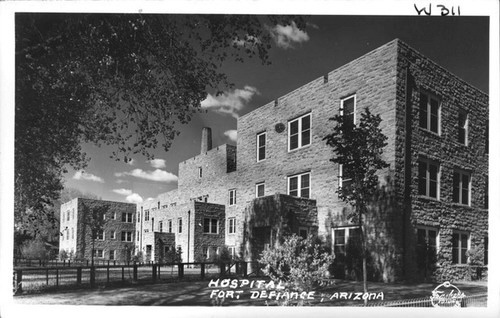
Here are the materials in Fort Defiance Indian Hospital Board v. Beccera (D.N.M.):
Here are the materials (so far) in Kiowa Tribe v. Dept. of the Interior (W.D. Okla.):


 Turtle Talk
You must be logged in to post a comment.