American Indian Law Review, Volume 46, Issue 1

Here:

Current Issue: Volume 46, Number 1 (2022)

PDF

Front Pages

Article

PDF

Belated Justice: The Failures and Promise of the Hawaiian Homes Commission Act
Troy J.H. Andrade

Comments

PDF

Learning from Hobby Lobby’s Misdeeds: Crafting New International Due Diligence Standards for Human Rights and Cultural Heritage
Taryn Chubb

PDF

Missing and Murdered: Finding a Solution to Address the Epidemic of Missing and Murdered Indigenous Women in Canada and Classifying It as a “Canadian Genocide”
Melanie McGruder

Notes

PDF

The Mess That Has Become Indian Gaming in Oklahoma
Lucas Meacham

PDF

A Case for Deference in American Indian Health Law
Ashley Murphy

Special Feature

PDF

Meeting the McGirt Moment: The Five Tribes, Sovereignty & Criminal Jurisdiction in Oklahoma’s New Indian Country
Adam Goodrum

“NRA Sets 1,000 Killed In School Shooting As Amount It Would Take For Them To Reconsider Much Of Anything”

Here.

Nothing to do with nothing

Montana SCT Rejects Challenge to Preemptory Strike of Native Juror; Concurring Justice Insists Implicit Bias against Native Defendants and Juries is Real

Here are the materials in State v. Wellknown (Mont. S. Ct.):

Wisconsin Federal Court Dismisses Employment Suit against Great Lakes Inter-Tribal

Here are the materials in Seneca v. Great Lakes Inter-Tribal Council Inc. (W.D. Wis.):

Great Lakes Inter Tribal Council (GLITC) Dinner Dance [Earl Old Person and Eugene Taylor]

Ninth Circuit Decides CFPB v. CashCall

Here. An excerpt:

CashCall, Inc., made unsecured, high-interest loans to consumers throughout the country. After attracting unwanted attention from regulators, it sought to avoid state usury and licensing laws by using an entity operating on an Indian reservation. CashCall paid for that entity to issue loans and then purchased the loans days later. The loan agreements contained a choice-of-law provision calling for the application of tribal law, so they would not be subject to the law of borrowers’ home States, which would have prohibited the loans. CashCall sought advice from a scholar of federal Indian law, who opined that the scheme “should work but likely won’t.” His concern proved well founded. The Consumer Financial Protection Bureau brought this action against CashCall, its CEO, and several affiliated companies, alleging that the scheme was an “unfair, deceptive, or abusive act or practice,” 12 U.S.C. § 5536(a)(1)(B), because CashCall demanded payment from consumers under the pretense that the loans were legally enforceable obligations, when in fact they were invalid under state law. The district court found the defendants liable and imposed a civil penalty of $10.3 million, but the court declined to order restitution.

Briefs here.

Illinois Federal Court Orders Arbitration in Case about Monopolization of Card Shuffling Technology blah blah blah

Here are the materials in Tonkawa Tribe of Indians of Oklahoma v. Scientific Games Corporation (N.D. Ill.):

39 Second Amended Complaint

49 Motion to Compel Arbitration

54 Response

61 Reply

Oklahoma Court of Civil Appeals Affirms Immunity of Lucky Star Casino and Amerind Risk

Here are the materials in Tasso v. Lucky Star Casino:

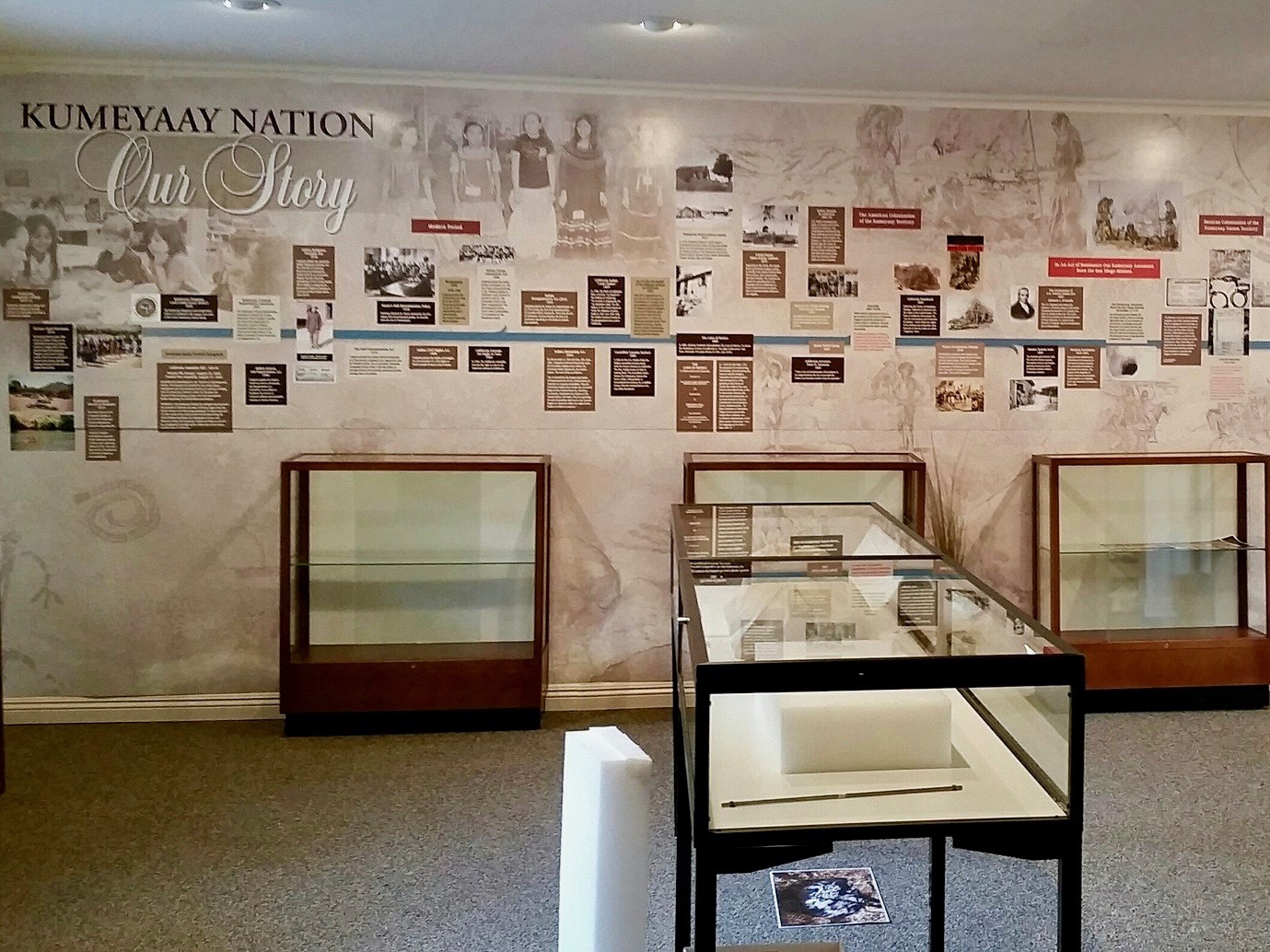
Ninth Circuit Decides Unite Here Local 30 v. Sycuan Band of Kumeyaay Indians

Here.

Briefs here.

Order Denying Motion to Dismiss in Rosebud and Oglala National Voter Registration Act Lawsuit

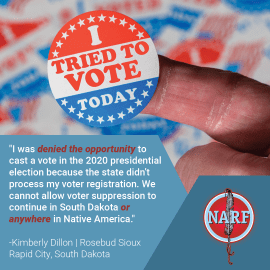
Here is the Order Denying South Dakota’s Motion to Dismiss Rosebud and Oglala’s Complaint that South Dakota is failing to comply with the National Voter Registration Act.

Here is the Amended Complaint.

Previous post on this issue here.

Lower Brule Sioux Tribe v. Lyman County Board of Commissioners

Here is the complaint in Lower Brule Sioux Tribe, et al., v. Lyman County.

And here is the release on the litigation.

“Through this lawsuit we’re insisting Lyman County hold elections with a fairly drawn map in 2022,” said plaintiff, voter, and Lower Brule Sioux Tribe Vice Chairman Neil Russell.

The Lower Brule Sioux Tribe and three enrolled members filed the lawsuit to prevent Lyman County from continuing to violate Section 2 of the Voting Rights Act until 2026. “Like every other county already using new election district maps adopted after the 2020 Census in 2022, Lyman County must comply with the Voting Rights Act and implement the revised district map immediately,” said Native American Rights Fund (NARF) Staff Attorney Samantha Kelty. “Lyman County cannot continue to disenfranchise voters who live on the Lower Brule Sioux Reservation until 2026.”