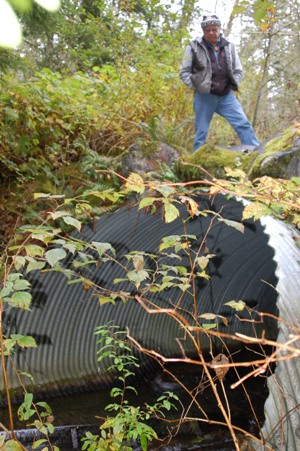
Alaska v. Organized Village of Kake Cert Petition (Roadless Rule)

Here:

Alaska Cert Petition

Question presented:

The question presented is: whether the Ninth Circuit’s decision contravenes the basic administrative law principle, established by this Court’s decisions, that an executive agency may change the policies of a previous administration based on the new administration’s different values and priorities, even though the relevant facts are unchanged.

Lower court materials here and here.

Ninth Circuit Briefs in Agua Caliente Band Water Rights Case

Here are the briefs in Agua Caliente Band of Cahuilla Indians v. Coachella Valley Water District:

Water Districts Opening Brief

Agua Caliente Brief

US Briefpdf

2016-02-18 – Dkt 035-1 – Brief Amicus Curiae of the SCA Tribal Chairmen’s Association, et al. in Support of Appellees

2016-02-18 – Dkt 036 – Brief of Amici Curiae Law Professors in Support of Appellee

Reply

Lower court materials here, here, and here.

Cert Opposition Brief in Jensen v. EXC

Here:

EXC Cert Opp

Cert petition is here.

Updated Ninth Circuit Briefs in United States v. Alvirez

Here:

Alvirez Supplemental Brief

US Supplemental Brief

The Ninth Circuit panel decided this one way back in 2013, but withdrew the opinion to await the en banc decision in United States v. Zepeda.

United States v. Bryant Cert Petition — Federal Habitual Offender Statute and Uncounseled Tribal Court Convictions

Here is the petition:

Cert Petition

Question presented:

Section 117(a) of Title 18, United States Code, makes it a federal crime for any person to “commit[] a domestic assault within the special maritime and territorial jurisdiction of the United States or Indian country” if the person “has a final conviction on at least 2 separate prior occasions in Federal, State, or Indian tribal court proceedings for” enumerated domestic-violence offenses. 18 U.S.C. 117(a).

The question presented is whether reliance on valid uncounseled tribal-court misdemeanor convictions to prove Section 117(a)’s predicate-offense element violates the Constitution.

Lower court materials here (en banc) and here (panel).

Tribal Disenrollee (San Pasqual Band of Diegueño Mission Indians) Suit in Federal Court against Interior Fails

Here are the materials in Alto v. Jewell (S.D. Cal.):

103-2 Alto Motion for Summary J

110-1 Interior Cross Motion

111 Alto Reply

113 Interior Reply

125 DCt Order

We posted on this case here, here, here, and here.

California Court of Appeals Orders Depublication of Cosentino Opinion

Here:

Cosentino

Depublication briefs here, here, and here.

Opinion here.

Ninth Circuit Oral Argument in Window Rock Unified School District v. Nez (Formerly Reeves)

Here.

Briefs and lower court materials here.

Ninth Circuit Rejects Challenges to Coquille Timber Harvesting Plan

Here are the materials in Cascadia Wildlands v. Bureau of Indian Affairs:

CA9 Opinion

Cascadia Wildlands Opening Brief

BIA Answer Brief

Coquille Brief

Cascadia Wildlands Reply


Ninth Circuit Affirms Two Convictions in Tribal Embezzlement/Theft Schemes

Here are the materials in United States v. Aubrey:

Aubrey Opening Brief

US Answer Brief

Aubrey Reply

CA9 Opinion

An excerpt:

For purposes of 18 U.S.C. § 1163, funds paid from an Indian tribal organization to a contractor continue to be “property belonging to any Indian tribal organization,” as long as the tribal organization maintains sufficient supervision and control of disbursed funds and their ultimate use. Accordingly, we reject William Aubrey’s contention that the evidence presented at his trial was insufficient to prove that he converted or misused property belonging to an Indian tribal organization in violation of 18 U.S.C. § 1163. We also deny Aubrey’s other challenges to his conviction and sentencing.

Here are the materials in United States v. Augare:

Aguare Opening Brief

US Answer Brief

Augare Reply

CA9 Opinion

From the court’s syllabus:

The panel affirmed a sentence in a case in which the district court applied a “sophisticated means” enhancement under U.S.S.G. § 2B1.1(b)(10)(C) following the defendant’s guilty plea to conspiracy to defraud the United States, False Claims Act conspiracy, theft from an Indian tribe receiving federal funding, and federal income tax evasion.

The panel held that the district court did not abuse its discretion when it applied the “sophisticated means” enhancement to the defendant’s offense conduct. The panel explained that the coordinated and repetitive steps that the defendant took to transfer money from the Po’Ka project to his personal bank account are comparable in complexity and sophistication to the schemes held to warrant the enhancement in both this court’s precedent and persuasive authority from other circuits.