Here:

To post an open Indian law or leadership job to Turtle Talk, send all of the following information to indigenous@law.msu.edu
In the email body:
A typed brief description of the position which includes
Summer Law Clerk. Valley Center, CA. Under the supervision of the court solicitor, this position has responsibility for the provision of legal research and writing in support of the operation of the Court. Duties include researching issues of federal Indian and tribal law raised in pleadings; assisting in drafting bench memoranda and judicial opinions as requested; analyzing member tribal ordinances, regulations, and policies; and assisting in developing court forms and bench guides as requested. This position is open until filled.
Appellate Judge. Sault Ste. Marie, MI. The Sault Ste. Marie Tribe of Chippewa Indians seeks qualified licensed attorneys and/or non-attorneys for the position of Appellate Judge in the Sault Ste. Marie Chippewa Tribal Appellate Court. Closes: 1/31/23.
Senior Tribal Attorney. Hoopa, CA. This position serves in the Office of Tribal Attorney and provides a broad range of legal services to the Hoopa Valley Tribal Council, Tribal Chairperson, and various tribal departments and entities. Major responsibilities include: developing tribal policies and drafting ordinances, reviewing business contracts and facilitating economic development efforts, representing the Tribe in civil and administrative proceedings, and conducting negotiations with local, state, and federal agencies. At least four years of experience practicing Federal Indian Law or representing Tribal Governments is required. The position is open until filled.
Midwest Policy Advocate. Remote/MI. Will be responsible for developing and implementing both legislative and administrative strategies in Michigan, focusing on a range of environmental issues of importance to Earthjustice, our clients, and partners. Application Deadline: 1/22/2023.
Community Service Coordinator. Sacaton, AZ. Gather, review, and report to probation officers or the Court a variety of information pertaining to clients. Perform program services with offenders as authorized or directed by the Chief and/or Deputy Chief Probation Officer. Develop, coordinate and integrate the community service programs for the Community. This position interviews clients, reviews program eligibility, procures work and work assignments for these programs. This position may need to prepare for and appear for court hearings regarding client performance or lack thereof. This position is responsible to perform compliance monitoring, case record keeping and coordinates with the courts and other agencies. Closing Date: 01/20/2023.
Summer 2023 Native Law Clerk. Anchorage, AK. Our mission is justice for Alaska Native People. This internship seeks to encourage 1L and 2L law students to work in the field of Native law. Interns will have opportunities to pursue a wide variety of projects. We provide legal services to victims and survivors of crime, including representation in family law matters and protective order cases. We also support and partner with Alaska Tribes to build capacity, implement cultural values and remedies, and access resources for Tribal Justice Systems. Finally, we represent Alaska Tribes in State Child of Need Aid cases where the Indian Child Welfare Act (“ICWA”) applies. The internship offers training; the opportunity to shadow experienced attorneys advocating on behalf of Alaska Tribes, tribal organizations and Native people; and a competitive stipend. Alaska Native/American Indian applicants, as defined in P.L. 93-638 Indian Self-Determination Act, who are currently enrolled as law students are encouraged to apply by January 13, 2023.
2023 Native Law Fellow. Anchorage, AK. Our mission is justice for Alaska Native People. This fellowship begins late summer or early fall 2023 and seeks to encourage recent law graduates to work in the field of Native law. Fellows will have opportunities to pursue a wide variety of projects. We provide legal services to victims and survivors of crime. We also support and partner with Alaska Tribes to build capacity, implement cultural values and remedies, and access resources for Tribal Justice Systems. This position is open until filled, but we strongly encourage interested applicants to apply by January 13, 2023.
Research Assistant, Data Projects. Minneapolis, MN or Helena, MT. The Center for Indian Country Development (CICD) at the Federal Reserve Bank of Minneapolis is seeking a research assistant with a strong interest in supporting research to inform public policy on issues that influence economic outcomes in Indian Country. The successful candidate will be collaborative and curious, motivated to support economic self-determination in Indian Country through high-quality data and research. Their aptitude for thoughtful analysis using quantitative tools will make them a valued contributor to CICD’s mission and will facilitate the research assistant’s ongoing professional growth within a nation-wide institution with deep connections and expertise. Closing date: 1/20/2023.
Assistant Attorney General. Koror, Palau. The Office of the Attorney General, Ministry of Justice, Republic of Palau, is seeking to fill two (2) positions. The first position is for an AAG who will handle work in both the Civil and Criminal Divisions. The second position is for an AAG who will handle felony criminal prosecutions, working closely with the Bureau of Public Safety’s Narcotics Enforcement Unit and the Human Trafficking Unit, and the Financial Intelligence Unit (FIU). Open until filled.
Special Master. Tuba City, AZ. Review the documents of the Tribal Enrollment Department and report findings to the Tribal Court. This Job will be temporary, lasting approximately 3 weeks. This position will pay hourly, pay determined on date of entry. Open Until Filled (Immediate Hiring).
Legislative Services Attorney. Harbor Springs, MI. The primary function of the Legislative Services Attorney is to serve the Tribal Council and provide legal advice in order to promote and protect Tribal Sovereignty, Tribal Self-sufficiency, and Tribal Self-determination. The Legislative Services Attorney shall interact and communicate with Tribal Council and Tribal Council committees, representatives from other tribes, local, state, and federal units of government when necessary; and in some cases, the Tribal citizens, while maintaining effective cooperative relationships. The Legislative Services Attorney will provide representation of Tribal Council; provide advice and analysis of the Tribal Constitution, Tribal Codes, state and federal laws and regulations; negotiate and draft legal, business and State/Tribal documents; and draft Resolutions, Statutes, Certified Motions, policies, procedures, Legislative Directives, Declarations, Special Tributes, agreements, proposals, legal memorandums, Memorandums of Understandings (MOU), Leases and contracts for the Tribe and Tribal Council. Open until filled.
Principal Tribal Court Advocate. Window Rock, AZ. Performs legal work related to representation of the Navajo Nation government, as assigned by the Assistant Attorney General, including legal research, negotiations, legal writing, drafting pleadings, briefs, memoranda, resolutions and other documents for the divisions, departments, or programs assigned. Child Support Enforcement: Present child support enforcement cases before the Office of Hearings and Appeals. Participate in case staffing with Child Support Enforcement officers; provide legal advice and case strategy. This position is open until filled.
Principal Attorney (Water Right Unit). Window Rock, AZ. Under general direction of the Assistant Attorney General or the Attorney General and Deputy Attorney General, professionally represents the Nation in multiple water rights adjudications pending in state and federal courts, in state administrative water rights matters and in any settlement negotiations concerning the Nation’s water rights. The Principal Attorney works closely with technical staff within the Water Rights Unit Staff, Department of Water Resources and other programs within the Navajo Nation, and with consultants retained to provide technical support to the Nation or to serve as expert witnesses. The Principal Attorney provides legal advice on all water rights matters to the Office of the President and Vice President, the Office of the Speaker, the Navajo Nation council, and its committees and subcommittees and the Navajo Nation Water Rights commission (NNWRC) to ensure that the water rights of the Navajo Nation are effectively pursued and protected. This position is open until filled.
Principal Attorney. Window Rock, AZ. Under general direction of the Assistant Attorney General or the Attorney General and Deputy Attorney General, represents the Navajo Nation government; Review documents, such as service contracts, sub-recipient and grant agreements, legislation, proposed policies, etc., for legal sufficiency. Participate in negotiations regarding legal documents/agreements with parties outside of the Navajo Nation. Respond to Request for Services and other legal inquiries from clients. Perform legal research and provide legal advice verbally and in writing. Legal advice and services will include: conducting initial eligibility determination reviews on proposed FRF expenditure plans; interpreting federal, state, and Navajo laws, regulation, policies, and procedures; and advising on legal compliance in the implementation of FRF programs and projects. This position is open until filled.
Attorney (Litigation Unit). Window Rock, AZ. Legal work related to federal, Navajo Nation, and state court and administrative tribunal representation of the Navajo Nation Government, as assigned by the Assistant Attorney General of the Litigation Unit or the Office of the Attorney General, and Deputy Attorney General, including legal research, pleading drafting, and settlement negotiation for Litigation Unit of the Department of Justice. Review of proposed disciplinary actions by Navajo Nation government programs for compliance with Navajo Nation Personnel Policies Manual and Navajo Preference in Employment Act. Drafting of proposed Navajo Nation legislation, regulations, and policies. Other duties as assigned. This position is open until filled.
Attorney (Human Services and Government Unit). Window Rock, AZ. Under general direction of the Assistant Attorney General or the Attorney General and Deputy Attorney General, represents the Navajo Nation government in reviewing documents, such as services contracts, sub-recipient and grant agreements, legislation, proposed policies, etc., for legal sufficiency. Participates in negotiations regarding legal documents/agreements with parties outside of the Navajo Nation. Respond to Request for Services and other legal inquiries from clients. Perform legal research and provide legal advice verbally and in writing. Legal advice and services will include: conducting initial eligibility determination reviews on proposed FRF expenditure plans; interpreting federal, state, and Navajo laws, regulation, policies, and procedures; and advising on legal compliance in the implementation of FRF programs and projects. This position is open until filled.
Attorney Candidate. Window Rock, AZ. Under general direction of the Assistant Attorney General, the Attorney General, or the Deputy Attorney General, provides legal direction to Navajo Nation Divisions, Departments and offices, regarding a wide range of legal issues, including statutory and regulatory authority, contracts and procurement issues, and intergovernmental relations; Assists Attorneys; prepares and presents civil cases in tribal court and administrative bodies; confers and provides guidance, and prepares advisory opinions for assigned departments and branches of the government; prepares interpretations of new legislation and judicial decisions; reviews contracts, leases, permits and related documents; interviews witnesses, complainants, and others on a variety of legal matters; conducts legal research, prepares briefs, pleadings and other legal documents. This position is open until filled.
Senior Attorney (Tax and Finance Unit). Window Rock, AZ. Respond to Requests for Services and other legal inquiries from clients, particularly in the area of the American Rescue Plan Act (ARPA) and federal Fiscal Recovery Funds (FRF). Perform legal research and provide legal advice orally and in writing. Legal advice and services will include: conducting initial eligibility determination reviews on proposed FRF expenditure plans; interpreting federal, state, and Navajo laws, regulations, policies, and procedures; as well as advising on legal compliance in the implementation of FRF programs and projects. Participate in Legislative Branch and Executive Branch meetings, including Standing Committee meetings and Council Sessions, regarding approval of FRF expenditure plans and the planning and implementation of FRF programs and projects, in order to respond to legal questions pertaining ARPA and the use of FRF. This position is open until filled.
Principal Attorney (Human Services and Government Unit). Window Rock, AZ. Provides legal direction to other attorneys and advocates in providing complex legal representation of Navajo Nation Divisions, Departments, and Programs regarding a wide range of legal issues. Some legal issues may include statutory and regulatory review, contract disputes and procurement issues, and intergovernmental relations; performs professional legal work, research; presents cases in court and performs related duties as required; confers with, gives advice to and prepares opinions for various departments and branches of the Navajo Nation; drafts legal and judicial processes; prepares interpretations of new legislation and judicial decisions; reviews contracts, mortgages, leases, permits and related documents; conducts interviews on a variety of legal matters; conducts legal research, prepares briefs, pleadings and other legal documents. Advises clients and members of the various oversight committees of the Navajo Nation Council, as is required, on legal questions. Provides opinions on Navajo Nation law and policies and/or legislations/resolutions that may impact the Navajo Nation. Assist in routine operation of the Department of Justice. This position is open until filled.
Prosecutor. Kayenta, AZ. Represents the interest of the Navajo Nation in juvenile adjudications, dependencies, Children in Need of Supervision (CHNS); research and study of litigation of juvenile proceedings and child neglect cases including appellate cases, reviews police, social service, and related reports/complaints, and other law enforcement documents and reports; prepares oral arguments, gathers facts and data; determines if sufficient evidence exists to support the charges; attends juvenile related hearings in Navajo Nation Courts; conducts legal research; drafts complaints, motions and/or other legal proceedings; prepares a legal strategy; identifies and subpoenas witnesses, records and other information required to present the case, prepares legal memoranda, briefs, motions and other required documents for court presentation; performs extensive legal research. Makes decisions in sensitive case and seeks assistance as needed in the juvenile matter. This position is open until filled.
Senior Prosecutor. Crownpoint, NM. Represents the interest of the Navajo Nation in prosecuting individuals alleged to have violated provisions of the Navajo Nation Code and present major and complex litigation in District and Family Courts. Reviews citations, arrest sheets and other law enforcement documents and reports; interviews witnesses, gathers facts and data; determines if sufficient evidence exists to support the charges; conducts legal research; drafts complaints, motions and/or other legal proceedings; prepares a legal strategy; gathers and compiles evidence; identifies and subpoenas witnesses, records and other information required to present the case. Prepares and presents criminal and civil cases in the Navajo Nation and appellate courts; prepares legal memoranda, briefs, motions and other required documents for court presentation; collaborates with law enforcement agencies; and negotiates settlement with opposing parties. This position is open until filled.
Prosecutor. Crownpoint, NM. Represents the interest of the Navajo Nation in prosecuting individuals alleged to have violated provisions of the Navajo Nation Code; reviews citations, arrest sheets and other law enforcement documents and reports; interviews witnesses, gathers facts and data; determines if sufficient evidence exists to support the charges; conducts legal research; drafts complaints, motions and/or other legal proceedings; prepares a legal strategy; gathers and compiles evidence; identifies and subpoenas witnesses, records and other information required to present the case. Prepares and presents criminal and civil cases in the Navajo Nation and appellate courts; prepares legal memoranda, briefs, motions and other required documents for court presentation; performs extensive legal research. This position is open until filled.
Click here for last week’s job announcements!
Paul Mooney has published “Making Marijuana Less Illegal: Challenges for Native American Tribes Entering the Marijuana Market” in the South Dakota Law Review.

Here:

Education Administration in Federal Indian Law: Learning From A Colonial Project Turned Tool of Liberation
Ariel Liberman and Douglas L. Waters Jr.
Native America: Universities as Quasi-Cities, Sovereignty and The Power to Name
Victoria Sutton
The Digital Isolation of Indigenous Communities
Myranda Buiquy
A Jurisprudential Quilt of Tribal Civil Jurisdiction: An Analysis of Tribal Court Approaches to Determining Civil Adjudicatory Jurisdiction
Jacob Maiman-Stadtmauer
Here:
Education Administration in Federal Indian Law: Learning From A Colonial Project Turned Tool of Liberation
Ariel Liberman and Douglas L. Waters Jr.
Native America: Universities as Quasi-Cities, Sovereignty and The Power to Name
Victoria Sutton
The Digital Isolation of Indigenous Communities
Myranda Buiquy
A Jurisprudential Quilt of Tribal Civil Jurisdiction: An Analysis of Tribal Court Approaches to Determining Civil Adjudicatory Jurisdiction
Jacob Maiman-Stadtmauer
Michael C. Blumm has posted “Salmon, Climate Change, and the Future,” forthcoming in the Environmental Law Reporter, on SSRN.

Here is the abstract:
This article examines salmon law and policy in the context of ongoing climate change. The article examines the nature of the threats that climate change poses and will continue to pose for salmon recovery, as well as possible legal responses to combat these threats. It also considers the future prospects of Pacific salmon in a world that will include significant climate change and other threats to preserving and equitably apportioning the salmon resource, whose environmental sensitivity and expansive life cycle will continue to pose substantial challenges for the foreseeable future. The Article is excerpted from “Pacific Salmon Law and the Environment: Treaties, Endangered Species, Dam Removal, Climate Change, and Beyond” (ELI Press 2022).
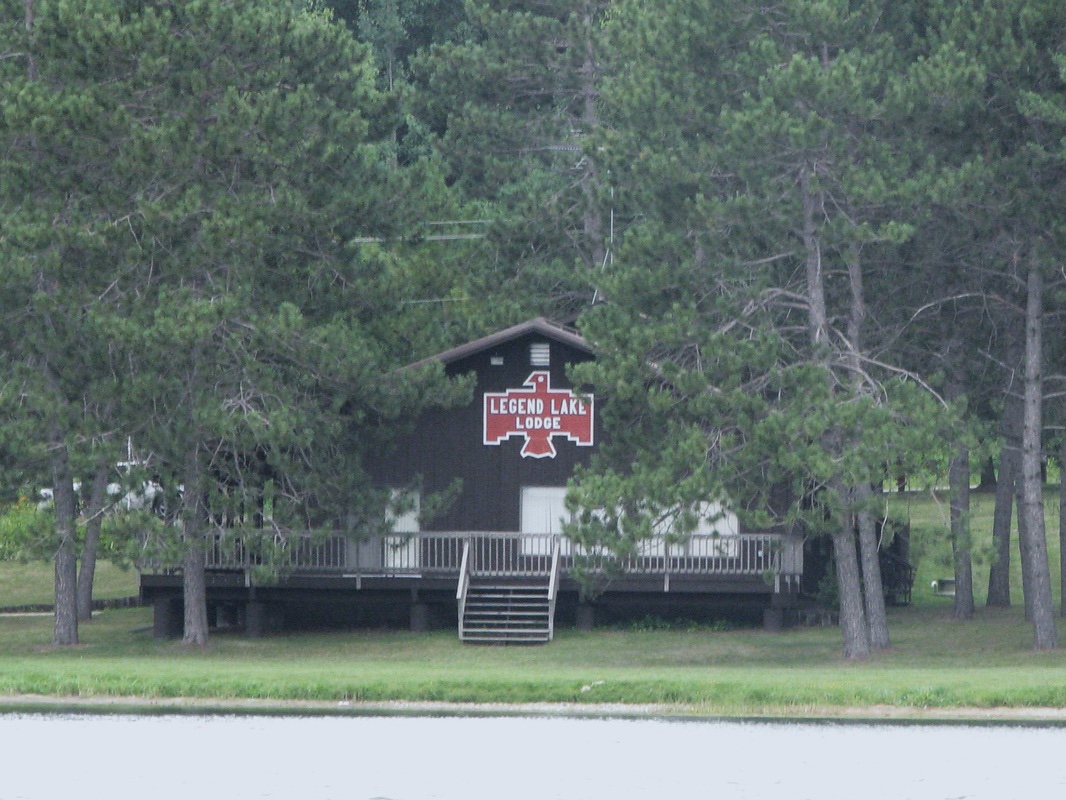
Here are the briefs in Legend Lake Properties Owners Association Inc. v. Keshena:
Here:



 Turtle Talk
You must be logged in to post a comment.