Here is the opinion in Klamath Irrigation District v. Bureau of Reclamation.
Briefs:
Klamath irrigation Opening Brief
Lower court materials here.
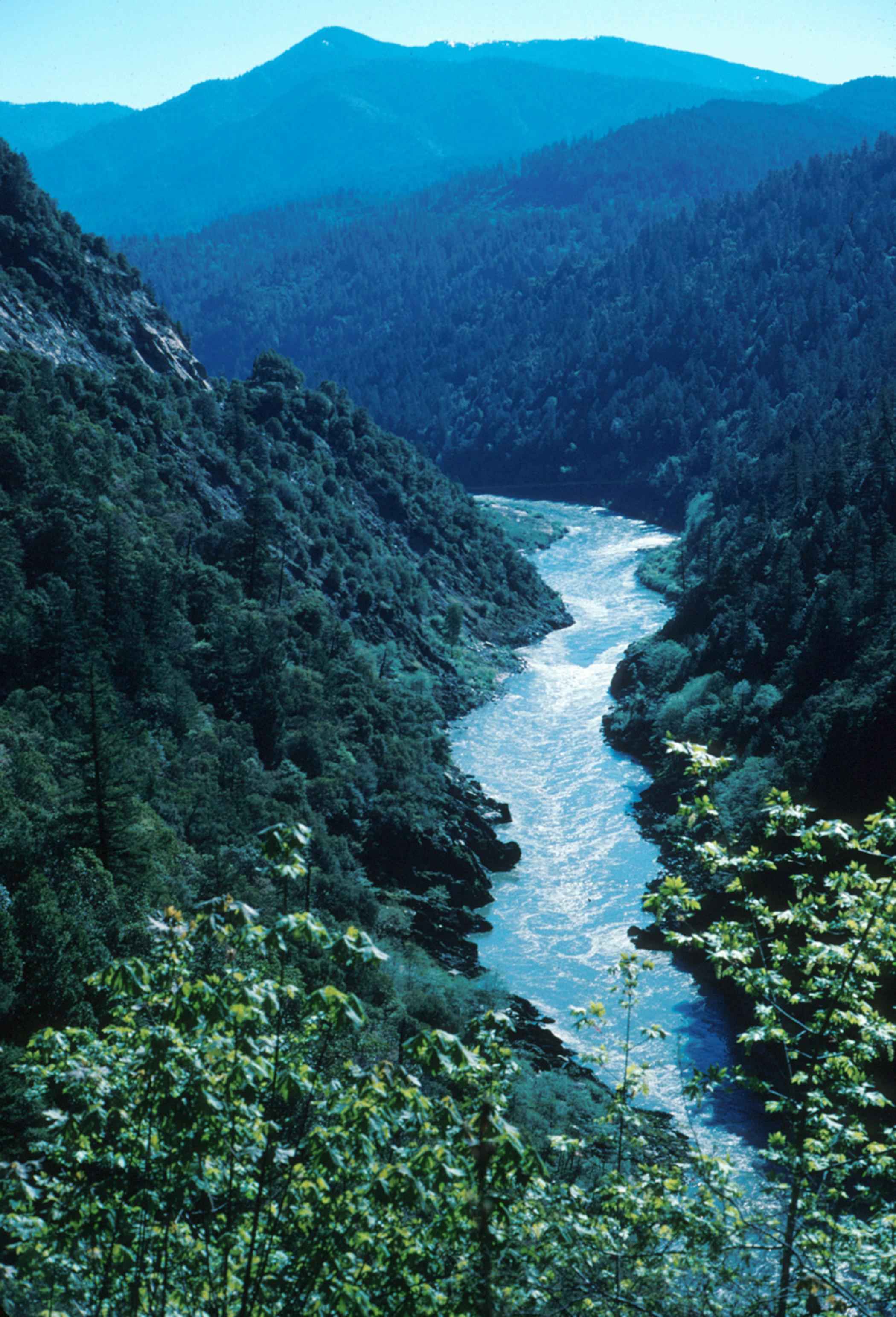
Here is the opinion in Klamath Irrigation District v. Bureau of Reclamation.
Briefs:
Klamath irrigation Opening Brief
Lower court materials here.
Here is the opinion in Metlakatla Indian Community v. Dunleavy.
Briefs are here.
Lower court materials here.

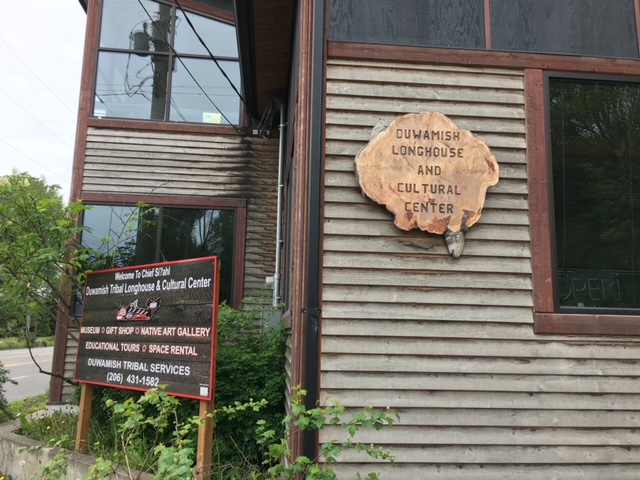
Here are the materials in Duwamish Tribe v. Haaland (W.D. Wash.):
14 Muckleshoot Motion to Intervene
Complaint here.
Here is the order in Bad River Band of Lake Superior Tribe of Chippewa Indians v. Enbridge Evil Energy Co. Inc. (W.D. Wis.):
Will post briefs tomorrow. Some of them are already here.
231 Enbridge Memorandum in Support of 230
Robin Kundis Craig has posted “Tribal Water Rights and Tribal Health: The Klamath Tribes and the Navajo Nation During the COVID-19 Pandemic” on SSRN. The paper is forthcoming in the St. Louis University Journal of Health Law & Policy.
The abstract:
Public health measures to combat COVID-19, especially in the first year before vaccines became widely available, required individuals to be able to access fresh water while remaining isolated from most of their fellow human beings. For the approximately 500,000 households in the United States and over two million Americans who lacked access to reliable indoor running water, these COVID-19 measures presented a considerable added challenge on top of the existing risks to their health from an insecure water supply.
Many of these people were Native Americans, whose Tribes often lack fully adjudicated, quantified, and deliverable rights to fresh water. To highlight the critical role that water rights played in Tribes’ capacities to cope with the pandemic, this essay compares the Klamath Tribes in Oregon, who after 40 years of litigation have fairly securely established themselves as the senior water rights holders in the Klamath River Basin, to the Diné (Navajo Nation), whose reservation—the largest in the United States—covers well over 27,500 square miles of Arizona, Utah, and New Mexico but largely lacks quantified water rights or the means to deliver water to households. While access to water was not the sole factor in these two Tribes’ vastly different experiences with COVID-19, it was an important one, underscoring the need for states and the federal government to stop procrastinating in actualizing the water rights for Tribes that have been legally recognized since 1908.
Here are the materials in Manago v. Cane Bay Partners VI LLLP (D. Md.):
90 Motion to Dismiss — Personal Jurisdiction
Here are the materials (so far) in Littlefield v. Dept. of the Interior (D. Mass.):
Prior post here.
John P. LaVelle has published the provocatively titled “Of Reservation Boundary Lines and Judicial Battle Lines, Part 1 – Reservation Diminishment/Disestablishment Cases from 1962 to 1975: The Indian Law Justice Files, Episode 1” in the UCLA Indigenous Peoples Journal of Law, Culture, and Resistance.
Abstract:
This Article is the first of a two-part investigation into the Indian law doctrine of reservation diminishment/disestablishment, examining Supreme Court decisions in this area in light of insights gathered from the collected papers of individual Justices archived at the Library of Congress and various university libraries. The Article first addresses Seymour v. Superintendent (1962) and Mattz v. Arnett (1973), observing that these first two diminishment/disestablishment cases are modern applications of basic, longstanding principles of Indian law which are highly protective of Indigenous people’s rights and tribal sovereignty. The Article then examines in detail DeCoteau v. District County Court, the anomalous 1975 decision in which the Supreme Court held that an 1889 land-sale agreement between the United States and the Sisseton-Wahpeton Dakota Indians, which Congress ratified in 1891, had abolished the boundaries of the Lake Traverse Reservation in South Dakota and North Dakota, a reservation that had been established as the Indians’ “permanent reservation” home in an 1867 treaty. The Article critiques DeCoteau in view of the historical context of the 1862 U.S.-Dakota War, an explosive conflict that resulted in the forced removal of the Dakota people from their reservation and aboriginal homelands in Minnesota and the abrogation of all U.S.-Dakota treaties, including treaty rights that guaranteed annual payments essential for the Indians’ subsistence and survival. The Article brings into view the full scope of the negotiations between the Sisseton- Wahpeton people and U.S. commissioners in 1889, demonstrating that the Dakota people never consented to any reduction or elimination of reservation boundaries when they agreed, under desperate circumstances, to sell to the United States the unallotted lands within the reservation. The Article further surveys additional evidence, unaddressed by the Supreme Court, regarding the 1891 Act’s legislative history, including numerous congressional debates and provisions of reports of the Senate and House of Representatives, as well as evidence from Executive Branch sources, which collectively show that the 1891 Act did not shrink or terminate the reservation. The Article posits that DeCoteau, which scholars recognize as having initiated a “magic language” mode of analysis in the reservation diminishment/disestablishment area, cannot be reconciled with fundamental principles of Indian law. Finally, the Article inspects and discusses documents from the archived papers of the Justices who took part in DeCoteau, unraveling clues that may help account for the Supreme Court’s aberrant decision.

To post an open Indian law or leadership job to Turtle Talk, send all of the following information to indigenous@law.msu.edu:
In the email body:
Deputy General Counsel. Kykotsmovi, AZ. Performs a variety of legal tasks as inhouse counsel for an Indian Tribe. Closing Date: Open Until Filled.
Deputy Prosecutor. Keams Canyon, AZ. To prosecute adult and juvenile suspects for violations of the Tribal Code. Additionally, the Deputy prosecutor may handle tribal dependency matters. Closing Date: Open Until Filled.
Chief Prosecutor. Keams Canyon, AZ. The Prosecutor is the both the administrator of the office of Prosecutor as well as an active member of the prosecutorial team prosecuting suspects for violations of the tribal code. Additionally, the prosecutor handles juvenile and tribal dependency matters. Closing Date: Open Until Filled.
Entry-level Associate Attorney Fall 2023. Seattle, WA. The duties include assisting our experienced attorneys on current legal matters including, but not limited to, legal research and writing, litigation, regulatory/administrative and transactional matters. Applications close September 30, 2022.
Director of People and Organizational Culture – HR. AZ, UT, CO, or NM with preference for proximity to Flagstaff, AZ. Ability to travel at least once a month to Flagstaff. Leadership and Strategy (Approximately 15%). Organizational Culture and Employee Experience (Approximately 30%). Recruitment and Retention (Approximately 25%). Policies, Procedures, and Operations (Approximately 15%). Learning, Professional Development, and Performance (Approximately 10%). Additional/Other (5%). Closing Date: End of September – Applications will be reviewed on a rolling basis.
General Counsel. Santa Fe, NM. The Legal Department is the principle legal counsel of the Pueblo of Pojoaque and provides professional legal counsel and representation to the Pueblo and all Pueblo owned entities as specified by the Tribal Council. Closing Date: Open until filled
Senior Policy Analyst – Center for Indian Country Development. Minneapolis, MN. Lead public policy efforts that increase tribal economic mobility and advance the CICD’s objectives. Communicate with and build strong relationships with diverse stakeholders throughout Indian Country, with national partners, and with key policymakers. Work with members of the CICD research and engagement teams and lead an Indian Country policy portfolio.
Legislative Financial Director – Tribal Council. Cherokee, NC. Provides oversight support to the Tribal Council related to the Eastern Band of Cherokee Indians (EBCI) financial and budgetary matters, as well as monitoring and reporting of the EBCI’s appropriation legislation. Performs other appropriation duties supporting the Eastern Band of Cherokee Indians’ Legislative Branch’s goals and objectives. Establishes and maintains a daily/monthly reporting mechanism to update the Tribal Council on all pertinent aspects involving financial accounts. Monitors all funding requests and tracks general fund of the EBCI. Monitors the adherence to all boards, committees, and commissions and reports to the governing body of the EBCI. Identifies any noncompliance and maintains a record of monthly/quarterly reports and meetings regarding financial contracts awarded to any person, firm or outside entity of the EBCI. Closing date: Application is open until filled.
Staff Attorney. Fulton, MI. Researches and drafts resolutions, Tribal laws, regulations, and policies for Tribal Council approval. Provides timely legal advice/counsel to, and draft legal opinions for, the Tribal Council and other subdivisions. Prepares legal memoranda and conducts legal research as directed. Develops and implements policies and procedures. Works with Department Leaders to create policies/procedures and compose resolutions for Tribal Council. Research legal questions as requested or presented by the Tribal Council or other Tribal government entities. Represents NHBP in Tribal court, and before quasi-judicial or administrative agencies of government. Interprets laws, rulings, and regulations for the Tribal Council and other Tribal government entities. Maintains current, accurate and complete records as required by federal, state and all regulatory agencies. Closing Date: September 30, 2022, at 9:30 a.m.
SVP Accounting. Highland, CA. Reporting directly to the Chief Financial Officer (CFO), the Senior Vice President, Accounting is responsible for overseeing enterprise accounting activities and functions, including accounting, audits, internal financial controls, and effectively managing significant interactions and communications with other enterprise financial functions. This includes oversight of areas such as financial reporting, accounts payable, accounts receivable, payroll, and fixed assets. This position will require ability to develop and lead the implementation of best-in-class processes and systems to achieve continuous improvement goals throughout the organization. This position is also responsible for establishing the overall direction and strategic initiatives for the accounting team. Closing Date: Open Until Filled.
Director Accounting & Finance, Casino. Highland, CA. The Director of Casino Accounting reports to the Vice President of Accounting & Finance and is responsible for revenue audit, collections, and general accounting functions within Casino Accounting. The Director of Accounting & Finance develops and maintains policies and procedures to ensure accurate recording, verifying, allocating and posting of revenue transactions in accordance with generally accepted accounting principles (GAAP) and established policies and procedures. The Director of Accounting & Finance helps to develop strategies for a multitude of accounting activities including revenue reconciliations, budgeting, financial statement preparation, audit preparation, and the oversight of the department’s compliance with Nation Indian Gaming Commission’s Minimum Internal Control Standard (NIGC’s MICS) and the San Manuel Gaming Commission Regulations (GCR) requirements. Closing Date: Open Until Filled.
Executive Program Manager – Legal. Highland, CA. Under the direction of the Chief Legal & Compliance Officer (CLCO), the Manager of Executive Programs is responsible for the professional support and administration of the CLCO’s executive project portfolio. The Manager of Executive Programs works with senior leadership to document the Legal, Enterprise Risk Management, Information Security and Enterprise Legal Compliance departments’ strategic initiatives and projects. This position performs continuous monitoring and reporting on initiative/project status, and contributes to communications with Tribal leadership, executives, project sponsors and team members. This position also provides exclusive project support to the CLCO while managing other administrative roles within the department. Closing Date: Open Until Filled.
VP Associate General Counsel – Transactions. Highland, CA. The VP, Associate General Counsel –Transactions provides these services to San Manuel Band of Mission Indians (SMBMI) and its affiliates within the areas of their responsibility, including overseeing strategic legal direction on major complex transactional activities of the SMBMI and its affiliates. The VP, Associate General Counsel –Transactions also oversees the delivery of strategic legal support to the SMBMI in the areas of mergers and acquisitions, finance, investments, corporate development, corporate governance, taxation, intellectual property, contracting and other procurement-related, activities, and information technology. Closing Date: Open Until Filled.
Legal Operations Manager. Highland, CA. Under the direction of Director, Legal Operations, the Legal Operations Manager plays a key role in identifying, designing, implementing and reinforcing the processes and systems that are critical to the Legal department. The Legal Operations Manager uses Lean for Law techniques to ensure that the department is efficient and provides stellar services to internal and external customers. This position is responsible for the day-to-day operational management of new and existing legal service intake, legal technology systems, legal service provider/vendor management, e-billing and financial management, matter lifecycle management, legal data base management, litigation support, and data analytics and reporting. Closing Date: Open Until Filled.
Fall 2022 Legal Internship. Remote. Interns will assist the Nation’s Legal Department by researching pertinent issues and drafting ordinances, memoranda, and policies. The application deadline is September 5, 2022.
College of Law Director of Admissions. East Lansing, MI. The Director of Admissions and Financial Aid will play a key role in matriculating a highly talented, inclusive incoming class from across the nation. The Director will possess outstanding public speaking skills, knowledge of best practices for outreach, recruitment, marketing, communications, student financial support, equity, inclusion and yield activities, as well as strong data analysis and managerial skill. Applications close: September 11, 2022.
Specialist – Outreach-Continuing. East Lansing, MI. The College of Law Admissions Office seeks candidates to fill the Director of Pipeline Programming, Outreach and Education position. The Director will lead the development and implementation of pre-law and pipeline programming as part of the commitment to expanding access to legal education, growing the diversity of the legal profession and expanding legal services provided to Michigan’s diverse communities. The Director will have outstanding interpersonal and cross-cultural communication skills, curriculum development experience, expertise with pre-law and pipeline programming in legal education and the ability to work collaboratively with the Dean, faculty, senior staff, students, and external partners to coordinate their participation. Applications close: September 5, 2022.
Tenure Faculty Member. East Lansing, MI. Expertise in the Law of Democracy whose teaching, research, outreach, and public engagement addresses structural inequities that affect U.S. democratic process.
Tenure Faculty Member. East Lansing, MI. The holder of the Shaefer Chair will provide intellectual leadership and programmatic oversight for the law college matrimonial and family law programs, and will actively promote, facilitate, and participate in collaborative activities with other Michigan State colleges, schools, and departments including social work, family and child ecology, and communications and dispute resolution.
Research Writing and Advocacy Professor. East Lansing, MI. Will teach in the first-year legal writing and advocacy program. Writing professors typically teach two sections of legal writing each semester. However, professors may have the opportunity to teach other courses depending on interest and the law college’s needs. Writing professors participate fully in the law college. They attend faculty meetings and participate in faculty governance, may receive summer research stipends, attend conferences, and employ student evaluators and research assistants.
Tenure Faculty Member. East Lansing, MI. Indigenous Law and Policy Center (ILPC) and College of Law seek entry-level and lateral candidates for full-time, tenure system faculty positions with research and teaching interests related to federal Indian law, tribal law, or the international human rights of Indigenous peoples.
RFB Attorney Legal Aid Services. Seeks bids from attorneys qualified and available to advise, and if needed represent eligible CTUIR member in private legal aid matters described in Attachment A. The CTUIR anticipates entering into multiple legal aid service contracts for direct legal services to tribal members between 126% and 210% of the federal poverty guidelines. The contracts would have no guaranteed minimum hours, but rather establish the compensation rate and reimbursement for allowable expenses in the event an attorney agrees to represent a referred client needing legal aid in eligible matters. Bids are accepted on a routine basis.
Of Counsel Attorney. Spokane, WA. The work will involve representation of Indian tribes and tribal enterprises regarding governmental, transactional, litigation, economic development, environmental, and natural resource matters. Prior federal Indian law experience, excellent academic and professional records, and an ability to travel are preferred. A commitment to advocacy for tribal sovereignty, strong analytic, interpersonal, organizational, and communication skills, and a license to practice law are required.
Director. Madison, WI. The directorship can either be more academic (and tenured or tenure-track), or more teaching-focused (with an emphasis on professional training in U.S. Indian Law for law students). Please see the link for more information. Closing date: open till filled, with the last full consideration date of October 9, 2022.
Spring 2023 Policy & Legislation Internship. Denver, CO. The Rocky Mountain Office is seeking an undergraduate student for one part- or full-time policy and legislation internship during spring 2023. This is a paid position. This is a remote role, but the successful candidate will ideally work in-person at the state capitol on occasion during significant stages of the legislative process. Closing date: September 25, 2022.
Spring 2023 Policy & Legislation Internship. Washington, D.C. Earthjustice’s Policy & Legislation team is seeking an undergraduate student in their junior or senior year for one part-time policy and legislation internship during spring 2023. This is a paid position. Closing date: September 25, 2022.
Spring 2023 Energy Market Data Analysis Internship. Remote. The Federal Energy Regulatory Commission (“FERC”) team of Earthjustice’s Clean Energy Program is seeking an undergraduate student for one part -time energy market data analysis internship during spring 2023. This is a paid position. Closing date: September 25, 2022.
Spring 2023 Legal Internship – Sustainable Food & Farming Program. Remote. Earthjustice’s Sustainable Food & Farming Program is accepting applications for one full- or part-time legal intern for spring 2023. We are seeking current 2Ls and 3Ls who share a passion for justice and a healthy environment. This is a paid position. Closing date: September 25, 2022.
Native American Law Clinic Faculty. Moscow, ID. The faculty member will directly coordinate with the UI Native American Law (“NAL”) Program Director to ensure broader programmatic support of the development and implementation of the clinic, as well as to share leadership roles in other NAL Program projects and to advance NAL Program strategic goals. Responsible for teaching an additional course in a related subject, developing mentoring relationships with students, advising students on curricular and co-curricular activities, and developing a scholarly, outreach, and engagement agenda that will enrich the community. The faculty member will also represent the law school through attendance at scholarly and clinical teaching conferences, as well as through publication in national and/or international scholarly journals, which may include interdisciplinary placements. Priority will be given to applications received by September 15, 2022.
Supervisory General Attorney. Any OGC Office. The incumbent serves as Deputy Assistant General Counsel that supervise and manage the Natural Resources and Environment Division under the direct supervision of the Associate General Counsel. The Natural Resources and Environment Division provides legal services to the headquarters offices of the USDA agencies administering programs assigned to the office. Closing date: September 21, 2022.
Attorney Advisor. Any OGC Office. The incumbent serves as an attorney providing legal advice, research, analysis and interpretation of federal, state and local laws, as well as oral and written opinions, memoranda, pleadings, briefs and legal support of all USDA programs and litigation, and performs other legal services as assigned. Closing date: September 21, 2022.
Prosecutor. Albuquerque, NM . The Prosecutor contributes to the mission of this office by assisting in the administration of judicial services within the Southwest Region’s Court of Indian Offenses. The Prosecutor serves as an agent of the U.S. Government and is the official to investigate and prosecute a variety of offenses in the Court. Additionally, the Prosecutor will have a substantial caseload of crimes occurring on property owned by or held in trust for the Ute Mountain Ute Indian Tribe. Closing date: Open Until Filled.
Principal Tribal Court Advocate. Window Rock, AZ. Performs legal work related to representation of the Navajo Nation government, as assigned by the Assistant Attorney General, including legal research, negotiations, legal writing, drafting pleadings, briefs, memoranda, resolutions and other documents for the divisions, departments, or programs assigned. Child Support Enforcement: Present child support enforcement cases before the Office of Hearings and Appeals. Participate in case staffing with Child Support Enforcement officers; provide legal advice and case strategy. This position is open until filled.
Principal Attorney (Water Right Unit). Window Rock, AZ. Under general direction of the Assistant Attorney General or the Attorney General and Deputy Attorney General, professionally represents the Nation in multiple water rights adjudications pending in state and federal courts, in state administrative water rights matters and in any settlement negotiations concerning the Nation’s water rights. The Principal Attorney works closely with technical staff within the Water Rights Unit Staff, Department of Water Resources and other programs within the Navajo Nation, and with consultants retained to provide technical support to the Nation or to serve as expert witnesses. The Principal Attorney provides legal advice on all water rights matters to the Office of the President and Vice President, the Office of the Speaker, the Navajo Nation council, and its committees and subcommittees and the Navajo Nation Water Rights commission (NNWRC) to ensure that the water rights of the Navajo Nation are effectively pursued and protected. This position is open until filled.
Principal Attorney. Window Rock, AZ. Under general direction of the Assistant Attorney General or the Attorney General and Deputy Attorney General, represents the Navajo Nation government; Review documents, such as service contracts, sub-recipient and grant agreements, legislation, proposed policies, etc., for legal sufficiency. Participate in negotiations regarding legal documents/agreements with parties outside of the Navajo Nation. Respond to Request for Services and other legal inquiries from clients. Perform legal research and provide legal advice verbally and in writing. Legal advice and services will include: conducting initial eligibility determination reviews on proposed FRF expenditure plans; interpreting federal, state, and Navajo laws, regulation, policies, and procedures; and advising on legal compliance in the implementation of FRF programs and projects. This position is open until filled.
Senior Attorney (Tax and Finance Unit). Window Rock, AZ. Respond to Requests for Services and other legal inquiries from clients, particularly in the area of the American Rescue Plan Act (ARPA) and federal Fiscal Recovery Funds (FRF). Perform legal research and provide legal advice orally and in writing. Legal advice and services will include: conducting initial eligibility determination reviews on proposed FRF expenditure plans; interpreting federal, state, and Navajo laws, regulations, policies, and procedures; as well as advising on legal compliance in the implementation of FRF programs and projects. Participate in Legislative Branch and Executive Branch meetings, including Standing Committee meetings and Council Sessions, regarding approval of FRF expenditure plans and the planning and implementation of FRF programs and projects, in order to respond to legal questions pertaining ARPA and the use of FRF. This position is open until filled.
Attorney (Litigation Unit). Window Rock, AZ. Legal work related to federal, Navajo Nation, and state court and administrative tribunal representation of the Navajo Nation Government, as assigned by the Assistant Attorney General of the Litigation Unit or the Office of the Attorney General, and Deputy Attorney General, including legal research, pleading drafting, and settlement negotiation for Litigation Unit of the Department of Justice. Review of proposed disciplinary actions by Navajo Nation government programs for compliance with Navajo Nation Personnel Policies Manual and Navajo Preference in Employment Act. Drafting of proposed Navajo Nation legislation, regulations, and policies. Other duties as assigned. This position is open until filled.
Senior Programs and Projects Specialist. Window Rock, AZ. Under the supervision of the Attorney General and Deputy Attorney General will provide high level assistance to the Office of the Attorney General/Department of Justice (DOJ) with program/project management related to DOJ’s work with Fiscal Recovery Funds (FRF) matters. Assists in analyzing, developing, and achieving short and long term goals and objectives; establishes performance criteria; and plans, evaluates and improves program delivery; Attends a variety of meetings related to FRF/ARPA; assists OAG with preparation for meetings and events; coordinates program activities and communications with other Navajo Nation offices and the general public. Administers FRF funding for DOJ in compliance with FRF and American Rescue Plan Act requirements, policies and procedures under federal and Navajo Nation law. Assists in development of budget. Assists with procurement of goods and services pertaining to DOJ’s FRF-related work; reviews contracts; troubleshoots issues with procurement and vendors; monitors expenditures; prepares funding reports. This position is open until filled.
Attorney (Human Services and Government Unit). Window Rock, AZ. Under general direction of the Assistant Attorney General or the Attorney General and Deputy Attorney General, represents the Navajo Nation government in reviewing documents, such as services contracts, sub-recipient and grant agreements, legislation, proposed policies, etc., for legal sufficiency. Participates in negotiations regarding legal documents/agreements with parties outside of the Navajo Nation. Respond to Request for Services and other legal inquiries from clients. Perform legal research and provide legal advice verbally and in writing. Legal advice and services will include: conducting initial eligibility determination reviews on proposed FRF expenditure plans; interpreting federal, state, and Navajo laws, regulation, policies, and procedures; and advising on legal compliance in the implementation of FRF programs and projects. This position is open until filled.
Attorney Candidate. Window Rock, AZ. Under general direction of the Assistant Attorney General, the Attorney General, or the Deputy Attorney General, provides legal direction to Navajo Nation Divisions, Departments and offices, regarding a wide range of legal issues, including statutory and regulatory authority, contracts and procurement issues, and intergovernmental relations; Assists Attorneys; prepares and presents civil cases in tribal court and administrative bodies; confers and provides guidance, and prepares advisory opinions for assigned departments and branches of the government; prepares interpretations of new legislation and judicial decisions; reviews contracts, leases, permits and related documents; interviews witnesses, complainants, and others on a variety of legal matters; conducts legal research, prepares briefs, pleadings and other legal documents. This position is open until filled.
Attorney (Human Services and Government Unit). Window Rock, AZ. Under general direction of Assistant Attorney General or the Attorney General, and Deputy Attorney General, provides legal direction to Navajo Nation Division, Departments and Offices, regarding a wide range of legal issues, including statutory and regulatory authority, contract disputes and procurement issues; and intergovernmental relations; performs professional legal work in research, trial prep and other legal work; and performs related duties as required. Confers with, gives advice to, and prepares opinions for assigned departments and branches of the government; drafts legal and judicial processes; prepares interpretations of new legislation and judicial decisions; reviews contracts, leases, permits and related documents; interviews witnesses, complainants, and others on a variety of legal matters; conducts legal research, prepares briefs, pleadings and other legal documents. Assists in routine operations of Department of Justice. This position is open until September 9, 2022 at 5:00 p.m.
Prosecutor. Kayenta, AZ. Represents the interest of the Navajo Nation in juvenile adjudications, dependencies, Children in Need of Supervision (CHNS); research and study of litigation of juvenile proceedings and child neglect cases including appellate cases, reviews police, social service, and related reports/complaints, and other law enforcement documents and reports; prepares oral arguments, gathers facts and data; determines if sufficient evidence exists to support the charges; attends juvenile related hearings in Navajo Nation Courts; conducts legal research; drafts complaints, motions and/or other legal proceedings; prepares a legal strategy; identifies and subpoenas witnesses, records and other information required to present the case, prepares legal memoranda, briefs, motions and other required documents for court presentation; performs extensive legal research. Makes decisions in sensitive case and seeks assistance as needed in the juvenile matter. This position serves at the pleasure of the Chief Prosecutor. This position is open until filled.
Prosecutor. Window Rock, AZ. Represents the interest of the Navajo Nation in juvenile adjudications, dependencies, Children in Need of Supervision (CHNS); research and study of litigation of juvenile proceedings and child neglect cases including appellate cases, reviews police, social service, and related reports/complaints, and other law enforcement documents and reports; prepares oral arguments, gathers facts and data; determines if sufficient evidence exists to support the charges; attends juvenile related hearings in Navajo Nation Courts; conducts legal research; drafts complaints, motions and/or other legal proceedings; prepares a legal strategy; identifies and subpoenas witnesses, records and other information required to present the case, prepares legal memoranda, briefs, motions and other required documents for court presentation; performs extensive legal research. Makes decisions in sensitive case and seeks assistance as needed in the juvenile matter. This position serves at the pleasure of the Chief Prosecutor. This position is open until filled.
Attorney. Window Rock, AZ. Under supervision of the Chief Prosecutor represents the interest of the Navajo Nation government. Reviews major crimes cases investigated by the Navajo Department of Criminal Investigation and Federal Bureau of Investigation that are not prosecuted in federal court. Determines whether to recommend to the Chief Prosecutor prosecutions within a relevant Navajo Nation District Court. Considers the weight of the evidence, the importance of the case, the necessity of uniform application of law throughout the Navajo Nation, and other considerations which bear on the advisability of initiating the filing of criminal charges. Prepares memorandum of fact and law where appropriate. Initiates filing of pleadings, petitions and motions with the appropriate Navajo Nation court, prepares and tries the case. This position serves at the pleasure of the Chief Prosecutor. This position is open until September 6, 2022 by 5:00 pm.
Senior Prosecutor. Crownpoint, NM. Represents the interest of the Navajo Nation in prosecuting individuals alleged to have violated provisions of the Navajo Nation Code and present major and complex litigation in District and Family Courts. Reviews citations, arrest sheets and other law enforcement documents and reports; interviews witnesses, gathers facts and data; determines if sufficient evidence exists to support the charges; conducts legal research; drafts complaints, motions and/or other legal proceedings; prepares a legal strategy; gathers and compiles evidence; identifies and subpoenas witnesses, records and other information required to present the case. Prepares and presents criminal and civil cases in the Navajo Nation and appellate courts; prepares legal memoranda, briefs, motions and other required documents for court presentation; collaborates with law enforcement agencies; and negotiates settlement with opposing parties. This position serves at the pleasure of the Chief Prosecutor. This position is open until filled.
Prosecutor. Crownpoint, NM. Represents the interest of the Navajo Nation in prosecuting individuals alleged to have violated provisions of the Navajo Nation Code; reviews citations, arrest sheets and other law enforcement documents and reports; interviews witnesses, gathers facts and data; determines if sufficient evidence exists to support the charges; conducts legal research; drafts complaints, motions and/or other legal proceedings; prepares a legal strategy; gathers and compiles evidence; identifies and subpoenas witnesses, records and other information required to present the case. Prepares and presents criminal and civil cases in the Navajo Nation and appellate courts; prepares legal memoranda, briefs, motions and other required documents for court presentation; performs extensive legal research. This position serves at the pleasure of the Chief Prosecutor. This position is open until filled.
Prosecutor. Window Rock, AZ. Represents the interest of the Navajo Nation in prosecuting individuals alleged to have violated provisions of the Navajo Nation Code; reviews citations, arrest sheets and other law enforcement documents and reports; interviews witnesses, gathers facts and data; determines if sufficient evidence exists to support the charges; conducts legal research; drafts complaints, motions and/or other legal proceedings; prepares a legal strategy; gathers and compiles evidence; identifies and subpoenas witnesses, records and other information required to present the case. Prepares and presents criminal and civil cases in the Navajo Nation and appellate courts; prepares legal memoranda, briefs, motions and other required documents for court presentation; performs extensive legal research. This position serves at the pleasure of the Chief Prosecutor. This position is open until filled.
Click here for last week’s job announcements!
We also conclude that when the Department has reason to believe that a child is an Indian child under ICWA and WICWA, the heightened removal standard in those statutes applies to ex parte pick-up order requests. Because the Department had reason to know A.W. is an Indian child–information not shared with the trial court–and the trial court appliced an incorrect legal standard in assessing the Department’s evidence at that stage of the proceeding, the trial court erred in not vacating the pick up order.
 Turtle Talk
You must be logged in to post a comment.