Seth Davis, Eric Biber & Elena Kempf have published “Persistent Sovereignties” in the University of Pennsylvania Law Review. Here is the abstract:
From the first days of the United States, the story of sovereignty has not been one of a simple division between the federal government and the states of the Union. Then, as today, American Indian tribes persisted as self-governing peoples with ongoing and important political relationships with the United States. And then, as today, there was debate about the proper legal characterization of those relationships. The United States Supreme Court confronted that debate in McGirt v. Oklahoma when, in an opinion by Justice Neil Gorsuch, it held that the reservation of the Muscogee (Creek) Nation “persists today.” The Court’s recognition of the persistence of Tribal sovereignty triggered a flurry of critical commentary, including from federal lawmakers who share Justice Gorsuch’s commitment to originalism. But the early history of federal Indian law supports the persistence of tribal sovereignty.
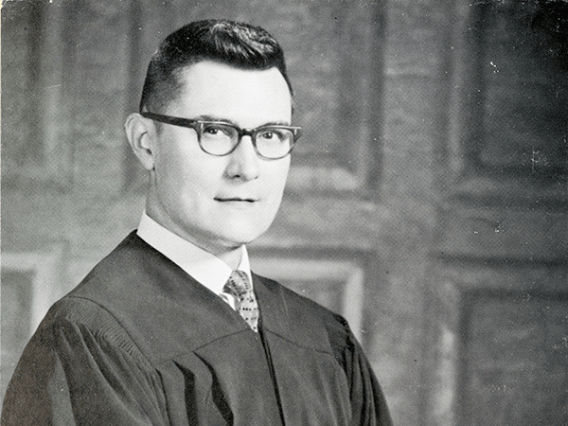
Among his many accomplishments Judge Huerta, a member of the Pascua Yaqui Tribe, was the first Native American to graduate from University of Arizona Law and the first to be licensed to practice law in Arizona. Throughout his illustrious career, he worked tirelessly to increase access to education for Indigenous communities and promote tribal sovereignty. During his time as chancellor of Navajo Community College (now Diné College), Huerta helped to expand its reach and impact within the Navajo community, establishing the institution as a pillar of the nation-building activities of the Navajo Nation.
Huerta was also instrumental in the drafting of the Pascua Yaqui Tribe’s constitution and played a pivotal role in the tribe’s successful effort to gain federal recognition, extending significant rights to the tribe and its members. Today, the Pascua Yaqui Tribe has one of the most robust governments and tribal court systems in the nation.
Committed to a life of public service, Huerta worked in various capacities for the state of Arizona including as the assistant attorney general, as a member of the State Industrial Commission and as a judge on the Maricopa County Superior Court. In recognition of the countless lives he impacted, he was awarded the Lifetime Achievement Award from University of Arizona Law in 2015, the highest honor bestowed by the college.
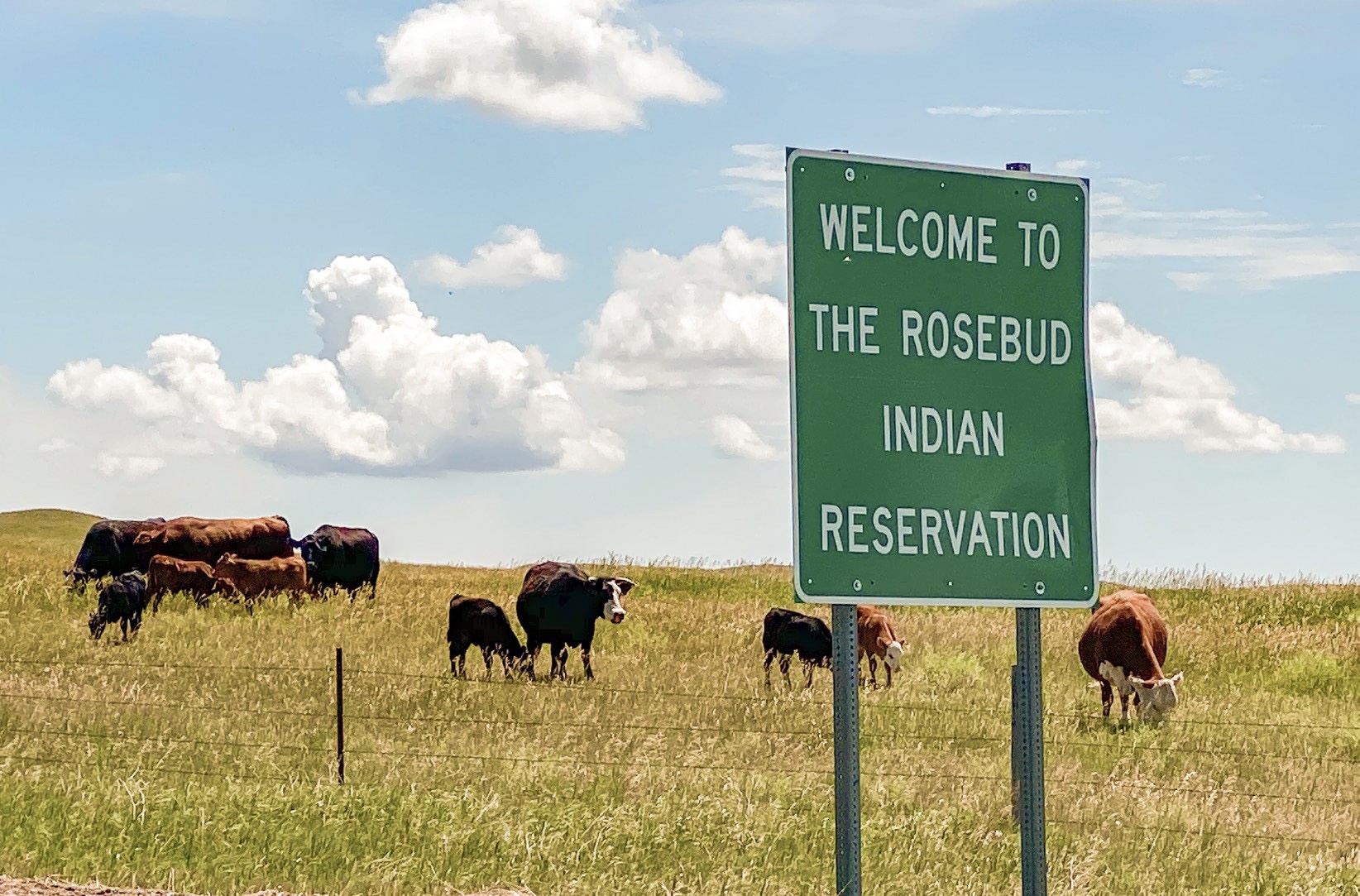
Sherman Marshall, Chief Judge of the Rosebud Sioux Tribal Court, recently retired after more than 35 years as the heart and soul of the Rosebud Sioux Tribal Court system. Judge Marshall was born and raised on the Rosebud Sioux Indian Reservation. He is a fluent Lakota speaker and deeply steeped in Lakota tradition and custom. Sherman received his Associate of Arts degree from Sinte Gleska University and also was the first recipient of a Bachelor of Selected Studies from Sinte Gleska University. He is a 1984 graduate of the University of South Dakota School of Law and a long time member the South Dakota Bar Association. Upon graduation from USD Law, Sherman was admitted to practice and returned home to the Rosebud Sioux Reservation. After serving as an administrator at Sinte Gleska University for several years, he joined the Rosebud Sioux Tribal Court as the Chief Judge, a position he has held since 1986. It is likely that Judge Marshall is one of longest serving judges on any tribal court in Indian Country.
It is difficult to fully understand and comprehend how much Sherman was able to accomplish during his long tenure on the bench. Early in his judicial career, Judge Marshall decided that it was incumbent upon him and his staff to visit all 20 tribal communities on the Reservation to describe the judicial system to community members and equally important, to receive input (including criticism) from community members. Over time, these efforts did much to enhance and increase community respect for the Rosebud Sioux Tribal Court system. Judge Marshall was also instrumental in helping to establish the Rosebud Sioux Tribal Bar Examination, as a necessary prerequisite for practice in the tribal courts of the Rosebud Sioux Tribe. Rosebud is the only tribe in South Dakota and one of the few anywhere in Indian country that prepares and administers its own Bar Examination. Closely related to the implementation of its own Bar Examination, Sherman was a key figure in establishing Sicangu Oyate Tribal Bar Association, one of the very few functioning tribal bar associations that exists in Indian Country. The Sicangu Oyate Tribal Bar Association, which includes both law trained and non-law trained tribal advocates has served to help create and identify a community of practitioners who are committed to practicing in tribal court with integrity and a commitment to fairness and due process.
We rarely post press releases, but this exception is an important one. Here is the Gila River press release explaining more about the C.J. Jr. case that the Pacific Legal Foundation is trying to use to undermine ICWA.
PLF’s brief falsely portrays ICWA as causing delays in C.J., Jr.’s and other cases. The delays in C.J., Jr.’s case were caused not by ICWA, but the failure of the Ohio courts and child welfare agencies to timely notify the Community of the case and an unprecedented level of obstruction and bias against the Community from the court–appointed guardianad litem(who filed two appeals of the juvenile court’s decisions and moved to delay resolution of the appeals). The Community successfully sought removal ofthe guardian for misconduct and bias, but only after lengthy delays. PLF is fully aware of this, as one of the attorneys who signed their amicus brief in Brackeen v. Haalandrepresented the guardianad litemwho was removed from the case.



 Turtle Talk
You must be logged in to post a comment.