Here is the order in the matter of Indigenous Environmental Network v. U.S. Dep’t of State, No. 4:17-cv-00029-BMM (D. Mont.):
Link: Previous posts
Here is the order in the matter of Indigenous Environmental Network v. U.S. Dep’t of State, No. 4:17-cv-00029-BMM (D. Mont.):
Link: Previous posts
“200,000 Gallons of Oil Spill From the Keystone Pipeline: The leak comes just four days before TransCanada faces an important vote.” [The Atlantic]
And a message for the Nebraska Public Service Commission: “Keystone XL Needs Much Higher Oil Prices To Be Viable.”
Here.
Here are the documents in the matter of Standing Rock Sioux Tribe et al v. U.S. Army Corps of Engineers et al (D.D.C. 16-cv-01534):
Other materials posted here.
En banc stage materials:
Eastern Shoshone Tribe En Banc Petition
Northern Arapaho Tribe En Banc Petition
Panel materials here.
Links: Press Release, 60 Day Legal Notice(PDF)
Excerpt:
The 60-Day Notice of Intent to Sue under the Clean Water Act outlines violations of federal agency duties under the Act that will affect water quality of the Menominee River and adjacent wetlands, and downstream to Green Bay, as a result of the Back Forty Mine Project.
Here is the 7-2 opinion in Ktunaxa Nation Council v. Minister of Forests:
An excerpt:
The Ktunaxa are a First Nation whose traditional territories include an area in British Columbia that they call Qat’muk. Qat’muk is a place of spiritual significance for them because it is home to Grizzly Bear Spirit, a principal spirit within Ktunaxa religious beliefs and cosmology. Glacier Resorts sought government approval to build a year-round ski resort in Qat’muk. The Ktunaxa were consulted and raised concerns about the impact of the project, and as a result, the resort plan was changed to add new protections for Ktunaxa interests. The Ktunaxa remained unsatisfied, but committed themselves to further consultation. Late in the process, the Ktunaxa adopted the position that accommodation was impossible because the project would drive Grizzly Bear Spirit from Qat’muk and therefore irrevocably impair their religious beliefs and practices. After efforts to continue consultation failed, the respondent Minister declared that reasonable consultation had occurred and approved the project. The Ktunaxa brought a petition for judicial review of the approval decision on the grounds that the project would violate their constitutional right to freedom of religion, and that the Minister’s decision breached the Crown’s duty of consultation and accommodation. The chambers judge dismissed the petition, and the Court of Appeal affirmed that decision.
Here are the documents and materials in the matter of Crow Indian Tribe et al v. U.S.A. et al, 17-cv-00089 (D. Mont. 2017):
Here.
In the 2D sidescroller Thunderbird Strike, fly from the Tar Sands to the Great Lakes as a thunderbird protecting Turtle Island with searing lightning against the snake that threatens to swallow the lands and waters whole.
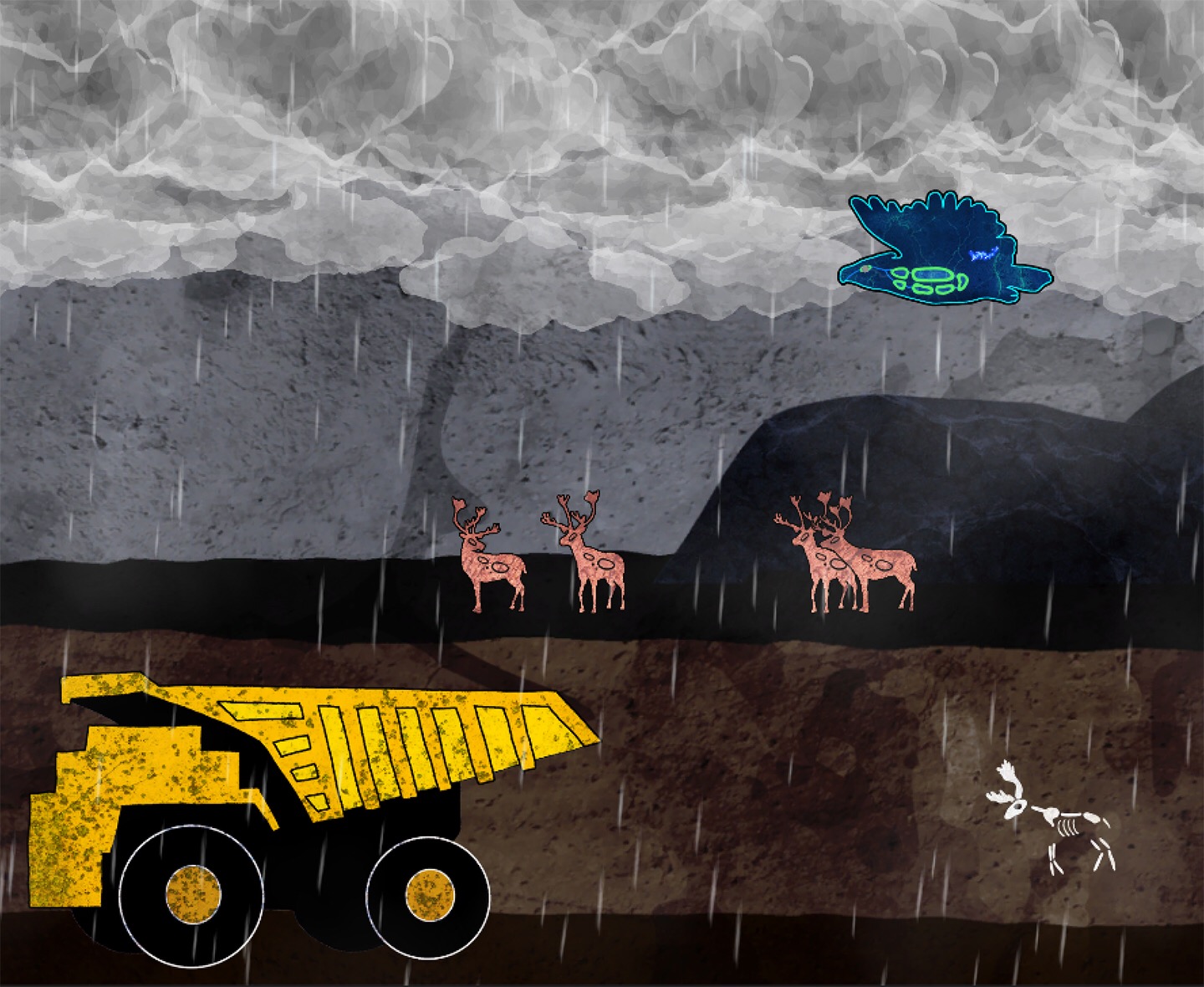
Congrats to Elizabeth LaPensé!!!
Here from the Salt Lake Tribune.
 Turtle Talk
You must be logged in to post a comment.