
California Federal Court Dismisses Effort by Former Tribal Lawyer to Make BIA Tell Tribe to Pay Legal Bills
Here are the materials in Corrales v. Dutschke (S.D. Cal.):

Oklahoma Court of Criminal Appeals Confirms Wyandotte Reservation Boundaries Remain Intact
Here are what I think are the relevant materials in State of Oklahoma v. Fuller:

Joint Interior and Justice Report on Missing and Murdered

Alex Pearl on Supreme Court Decisionmaking
M. Alexander Pearl has published “The Consequences of Mythology: Supreme Court Decisionmaking in Indian Country” in the UCLA Law Review.
Here is the abstract:
Ilanoli isht unowa. We tell our own stories. A single historical event has many stories. Although this nation’s official chronicle expected and even hoped for Indigenous peoples to fade away, we are still here. Our histories are marked by resistance, survival, sovereignty, and renaissance. Only now, in the later stages of the American experiment, do our histories have the chance to matter in new forms and spaces. How much these stories matter within contemporary contexts depends upon where they are spoken and more importantly, who is listening. On the pages of a U.S. Supreme Court opinion, what stories are told can make all the difference between advancing age-old rights and defending the very right to exist. In almost all Supreme Court opinions dealing with tribal nations, the stories from outsider perspectives dominate the narratives, affecting the construction of facts and the application of abstract legal principles. When beginning with a contrived image, it comes as no surprise that the lens of law will only further exaggerate those inaccuracies through a judicial opinion. The stories of tribal nations found in judicial opinions are like a fun house mirror—a misrepresentation of them. This warped version of Indigenous history is the American Mythology from which the federal common law derives its conceptualization of Indian tribes. But Supreme Court opinions need not continue this tradition of misrepresentation. They could instead detail history from Indigenous viewpoints, wherein Indigenous stories take on new relevance and legal import. This Article offers a methodological solution as an alternative to the Court’s current approach and provides evidence from recent opinions for why this option is more than wishful thinking.

Jose Aguenta Funes to Speak on “The Civilization Canon” at UM Law School Thursday March 7, 2024

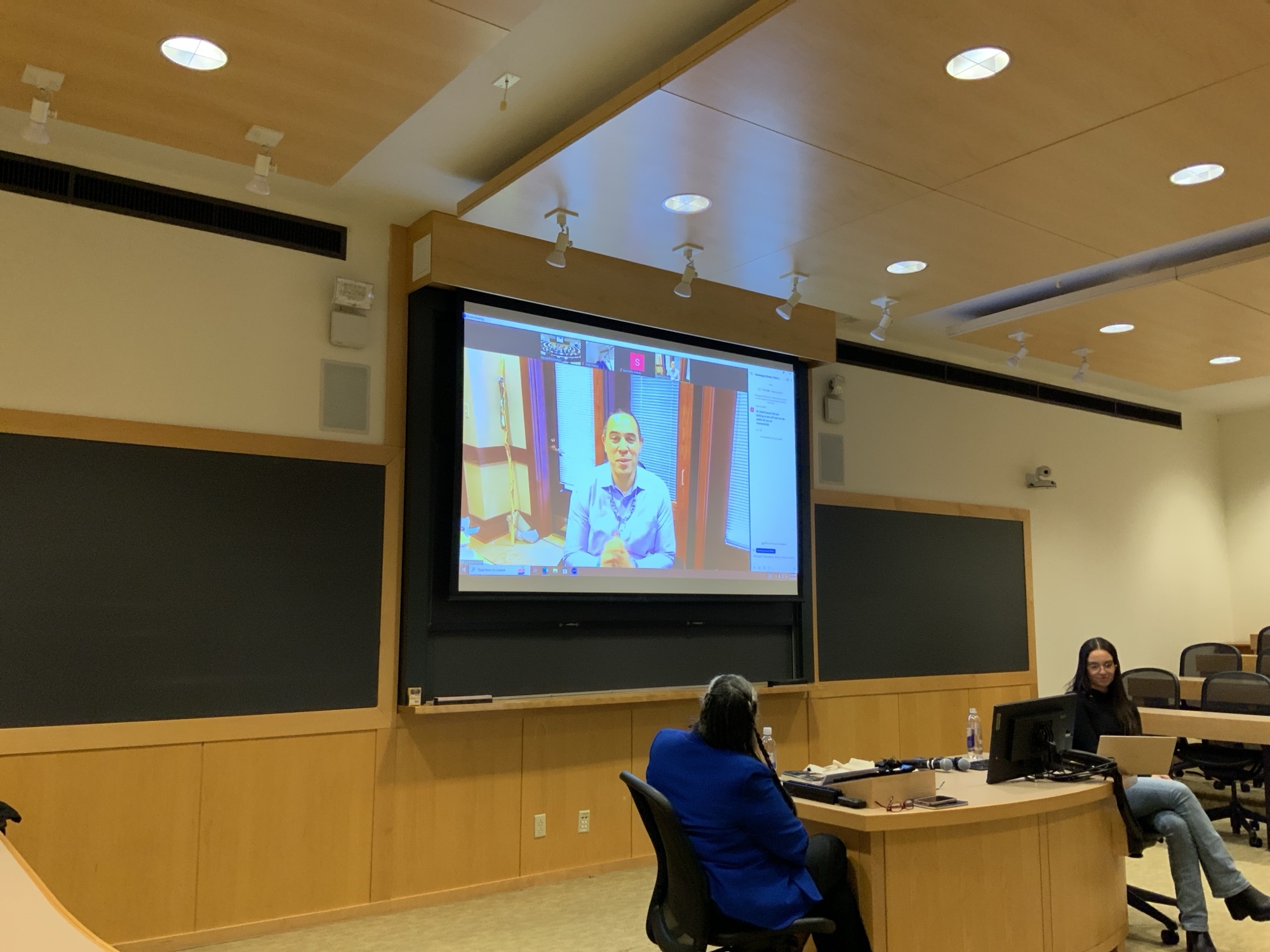
Harvard NALSA Tribal Leadership Panel



Eighth Circuit Rejects Challenge to BLM Approval of Mining on Shores of Lake Sakakawea
Pbbbt
Here is the opinion in Mandan Hidatsa & Arikara Nation v. Dept. of the Interior.
Briefs here.

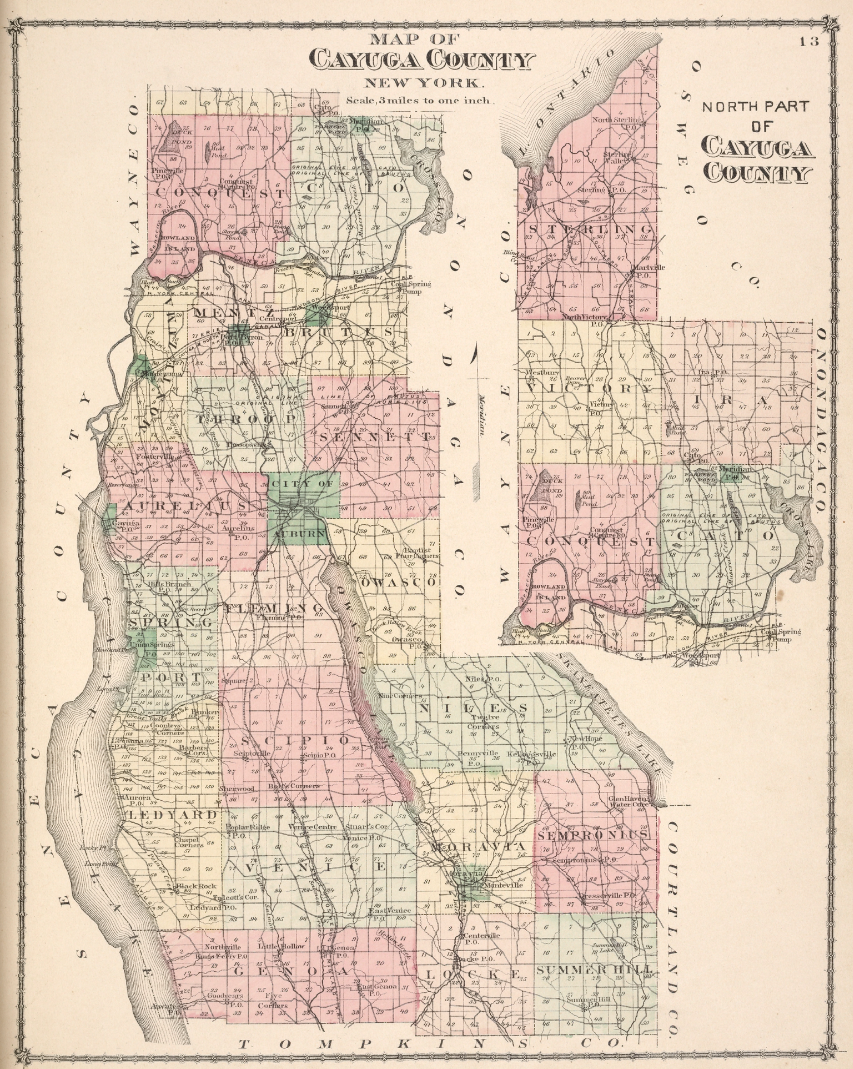
New York Appellate Division Briefs in Two Appeals Involving Cayuga Nation and Reservation Retailers
Here are the briefs in Cayuga Nation v. Parker:
Here are the briefs in Cayuga Nation v. Seneca-John:
South Dakota NALSA Indian Law Symposium 3/4/2024

 Turtle Talk
You must be logged in to post a comment.