Here is the opinion in Friends of Alaska National Wildlife Refuges v. Haaland.
Anchorage Daily News coverage.
Briefs:

Here is the opinion in Friends of Alaska National Wildlife Refuges v. Haaland.
Anchorage Daily News coverage.
Briefs:
Here.
An excerpt:
Expanding special criminal jurisdiction of Tribal courts to cover non-Native perpetrators of sexual assault, child abuse, stalking, sex trafficking, and assaults on tribal law enforcement officers on tribal lands; and supporting the development of a pilot project to enhance access to safety for survivors in Alaska Native villages.
Section 903 of H.R. 1602 (which is what I assume Congress adopted) includes the additional crimes that Indian tribes may not prosecute against non-Indians:
Continue readingThis is a very useful decision directly addressing one for the most difficult parts of a transfer process–whether the state court will use a best interest analysis to determine jurisdiction.
These are not reasons to deny a tribe jurisdiction over a child welfare case:
The State argued that transfer should be denied because of the lack of
responsibility by Mother and Father, the efforts of the foster parents to promote
the children’s Native American heritage, and the good relationship between the
current professionals and the children. The guardian ad litem for the children
joined the State in resisting the transfer of the case to tribal court.
Oh, and would you look at that, a CASA:
The juvenile court noted that the court appointed special
advocate (CASA) for the children recommended that the parental rights of the
parents be terminated and the children continue living with the foster parents.
But don’t worry–the Iowa Supreme Court clearly channeled the Washington Supreme Court in its thoughtful discussion of ICWA and its purpose, summarizing that
The federal ICWA and accompanying regulations and guidelines establish a framework for consideration of motions to transfer juvenile matters from state court to tribal court. Although good cause is not elaborated at length, both the statute and regulations state in some detail what is not good cause. Absent an objection to transfer or a showing of unavailability or
substantial hardship with a tribal forum, transfer is to occur. Clearly, Congress has an overall objective in enacting ICWA to establish a framework for the preservation of Native American families wherever possible.
The Court goes on to discuss the Iowa ICWA at length, along with some bad caselaw in Iowa, specifically the In re J.L. case, which is a really awful decision and has been a pain to deal with for years.
This Court states,
State courts have struggled with the statutory question of whether federal
or state ICWA statutes permit a child to raise a best interests challenge to
transfer to tribal courts. In In re N.V., 744 N.W.2d 634, we answered the
question. After surveying the terms of the federal and state ICWA statutes, we
concluded that the statutes did not permit a child to challenge transfer on best
interests grounds. Id. at 638–39.***
In short, there can be no substantive due process violation arising from a
statute that refuses to allow a party to present on an issue irrelevant to the
proceeding. To that extent, we overrule the holding ofIn re J.L. (emphasis ADDED)
***
In conclusion, if there is no objecting child above the age of twelve, we hold
that the transfer provisions of ICWA which do not permit a child from raising the
best interests of the child to oppose transfer does not violate substantive due
process.
Therefore,
In an ICWA proceeding, the United States Supreme Court observed that
“we must defer to the experience, wisdom, and compassion of the . . . tribal
courts to fashion an appropriate remedy” in Indian child welfare cases. Holyfield,
490 U.S. at 54 (quoting In re Adoption of Halloway, 732 P.2d at 972). These
observations apply in this case
There is a small dissent on whether the Father could appeal this case, but no issues with the Tribe’s appeal. Also, a reminder that the issue of jurisdiction was never a question Brackeen and decisions like this one are tremendously helpful for tribes seeking to transfer cases.
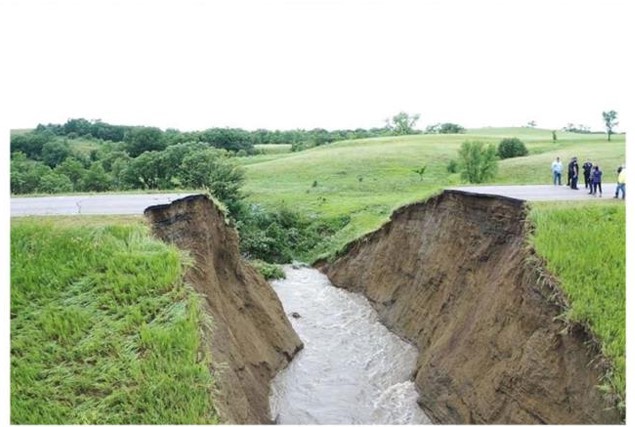
Here are the materials in Mound v. United States (D.N.D.):
Here are the materials so far in Indian Land Capital Company LLC v. Infrastructure Development Cooperative LCA (D.S.D.):
Prior posts on the WLCC at this link.

Here are the new materials in United States v. Washington, subproceeding 17-03 (W.D. Wash.):
178 Stillaguamish Motion re Laches
191 Upper Skagit Response to 170
193 Stillaguamish Response to 179
194 Stillaguamish Response to 176
195 Stillaguamish Response to 174
204 Upper Skagit Reply in Support of 174
205 Tulalip Reply in Support of 176
Here are the materials in Narragansett Indian Tribe v. Nason (D.D.C.):
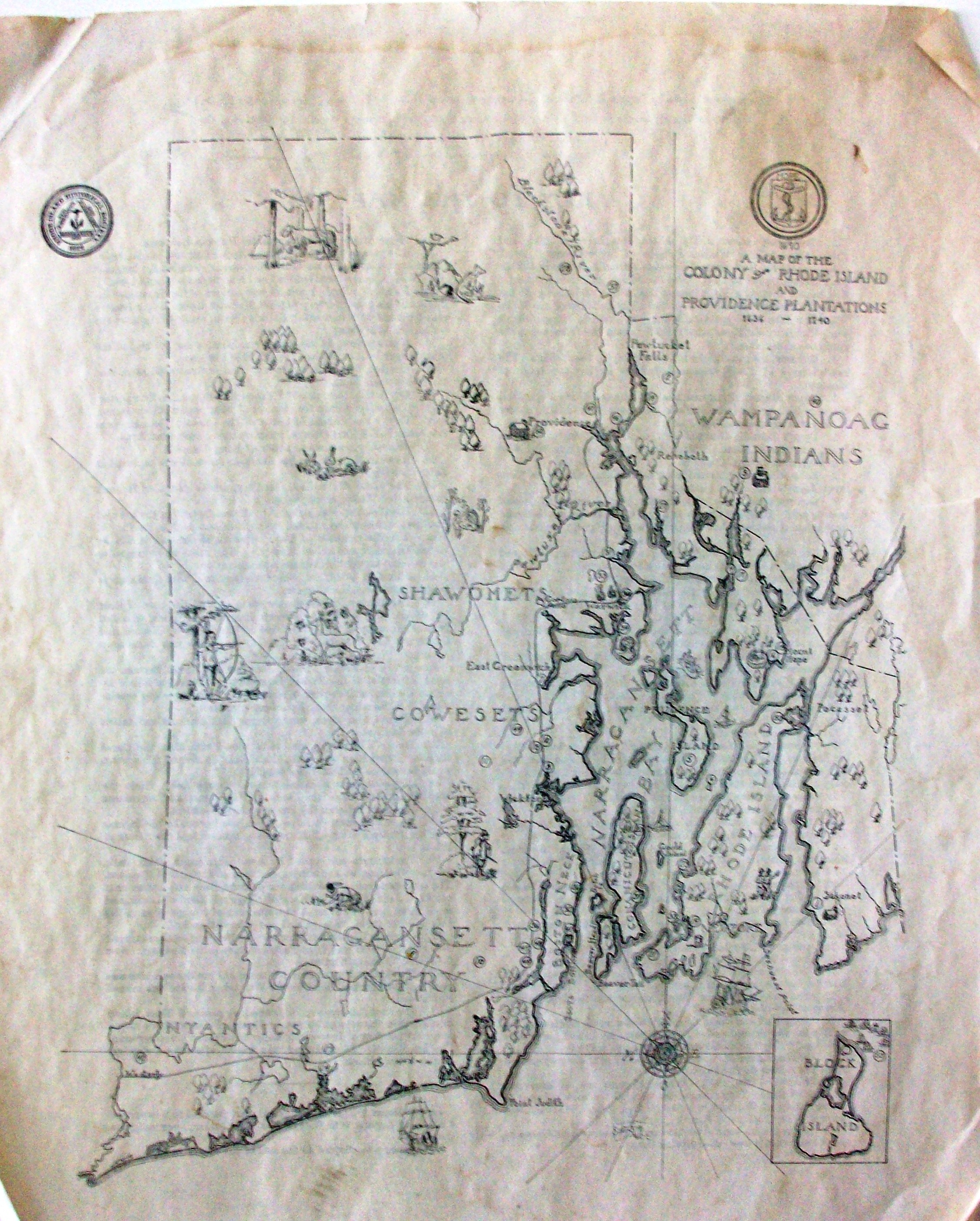
53-1 Tribe Motion for Summary J
64 Federal Motion for Summary J

Here are the materials in Canadian St. Regis Mohawk Tribe v. State of New York (N.D. N.Y.):


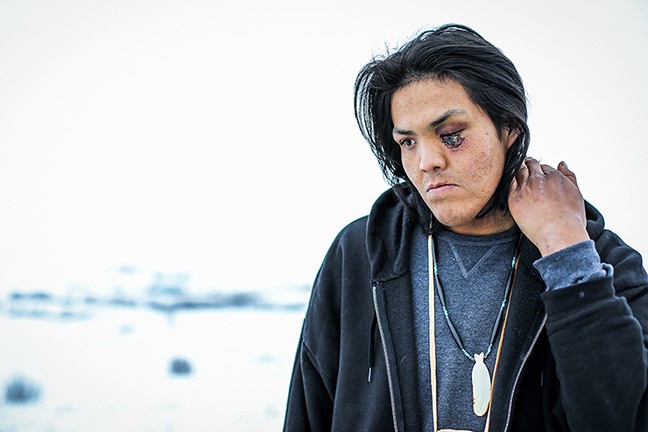
Here is the opinion in Mitchell v. Kirchmeier.
Briefs:
 Turtle Talk
You must be logged in to post a comment.