Here:
Here is the opinion in Sault Ste. Marie Tribe of Chippewa Indians v. Haaland.
Briefs here.
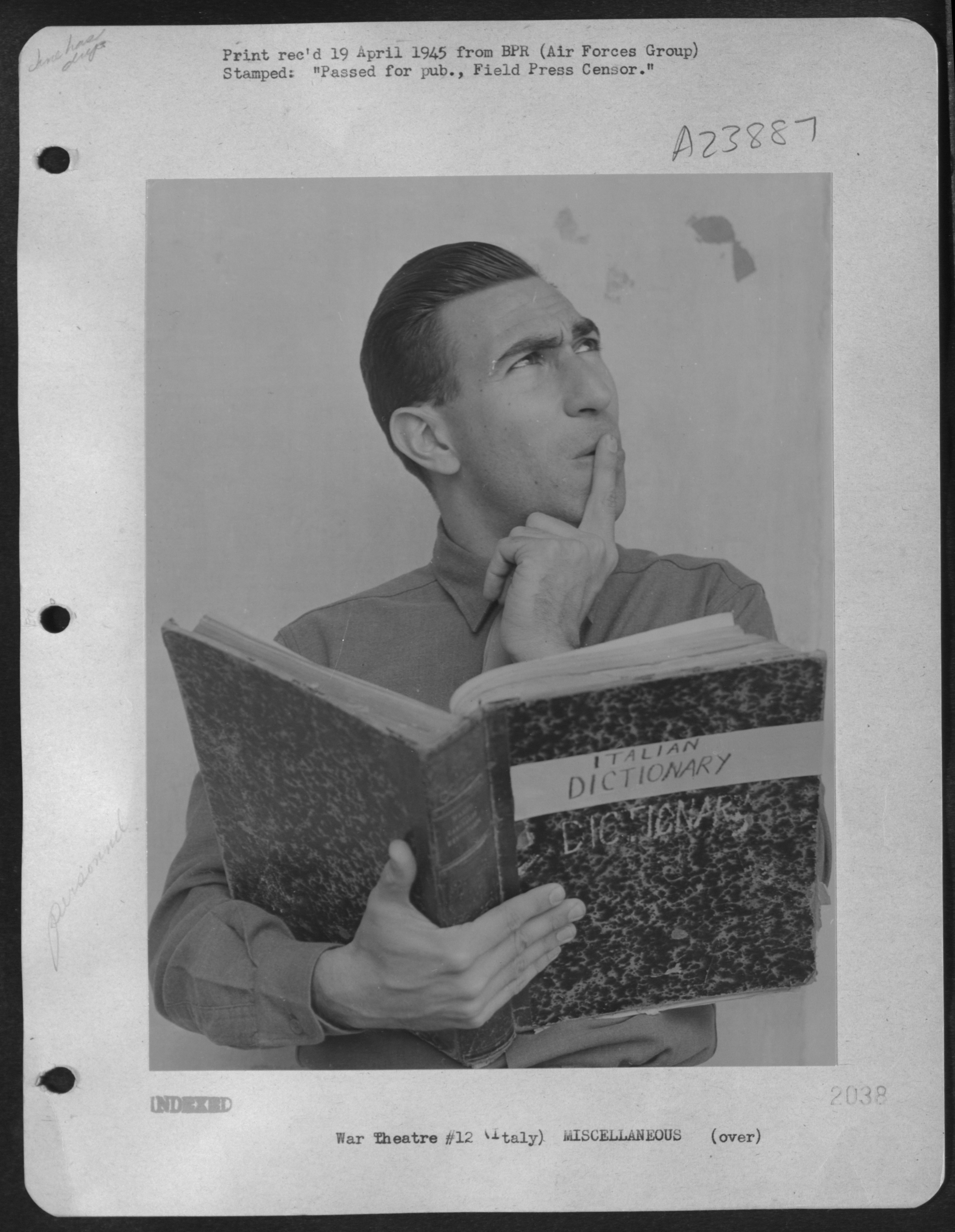
For commentary on legal analysis by reading the dictionary, see Joseph Kimball’s work on the Michigan Supreme Court’s use of dictionaries.
Here.
Here are the briefs (so far) in Sault Ste. Marie Tribe of Chippewa Indians v. Bernhardt:
Nottawaseppi Huron Band Potawatomi + Saginaw Chippewa Brief
Lower court materials here.
Here is the opinion in Sault Ste. Marie Tribe of Chippewa Indians v. Bernhardt (D.D.C.):
Case tag here.
Please check out my new paper, “The Rise and Fall of the Ogemakaan,” now available on SSRN. Here is the abstract:
Anishinaabe (Odawa, Bodewadmi, and Ojibwe) legal and political philosophy is buried under the infrastructure of modern self-determination law and policy. Modern Anishinaabe tribes are rough copies of American governments. The Anishinaabeg (people) usually choose their ogemaag (leaders) through an at-large election process that infects tribal politics with individualized self-interest. Those elected leaders, what I call ogemaakaan (artificial leaders) preside over modern governments that encourage hierarchy, political opportunism, and tyranny of the majority. While modern tribal governments are extraordinary successes compared to the era of total federal control, a significant number of tribes face intractable political disputes that can traced to the philosophical disconnect from culture and tradition.
Anishinaabe philosophy prioritizes ogemaag who are deferential and serve as leaders only for limited purposes and times. Ogemaag are true representatives who act only when and how instructed to do so by their constituents. Their decisions are rooted in cultural and traditional philosophies, including for example Mino-Bimaadiziwin (the act of living a good life), Inawendewin (relational accountability), Niizhwaaswii Mishomis/Nokomis Kinoomaagewinawaan (the Seven Gifts the Grandfathers or Grandmothers), and the Dodemaag (clans). I offer suggestions on how modern tribal government structures can be lightly modified to restore much of this philosophy.
Here.
Here are the pleadings in Sault Ste. Marie Tribe of Chippewa Indians v. Bernhardt (D.D.C.):
Case tag here.
Here are the materials so far in Sault Ste. Marie Tribe of Chippewa Indians v. Bernhardt (D.D.C.):
1-1 Solicitor Opinion on Bay Mills
1-6 July 2017 Interior Decision
16-1 Saginaw Chippewa Motion to Intervene
18-1 Detroit Casinos Motion to Intervene
20 Nottawaseppi Huron Band Motion to Intervene
28 Sault Tribe Opposition to Intervention Motions
29 Federal Opposition to Detroit Casinos Motion to Intervene
31 Saginaw Chippewa Reply in Support of 16
32 Detroit Casinos Reply in Support of Motion to Intervene
33 NHBPI Reply in Support of Motion to Intervene
Prior posts on the Lansing/Wayne County casino proposals are here.
 Turtle Talk
You must be logged in to post a comment.